






 Portuguese
  Spanish
 2 min of reading


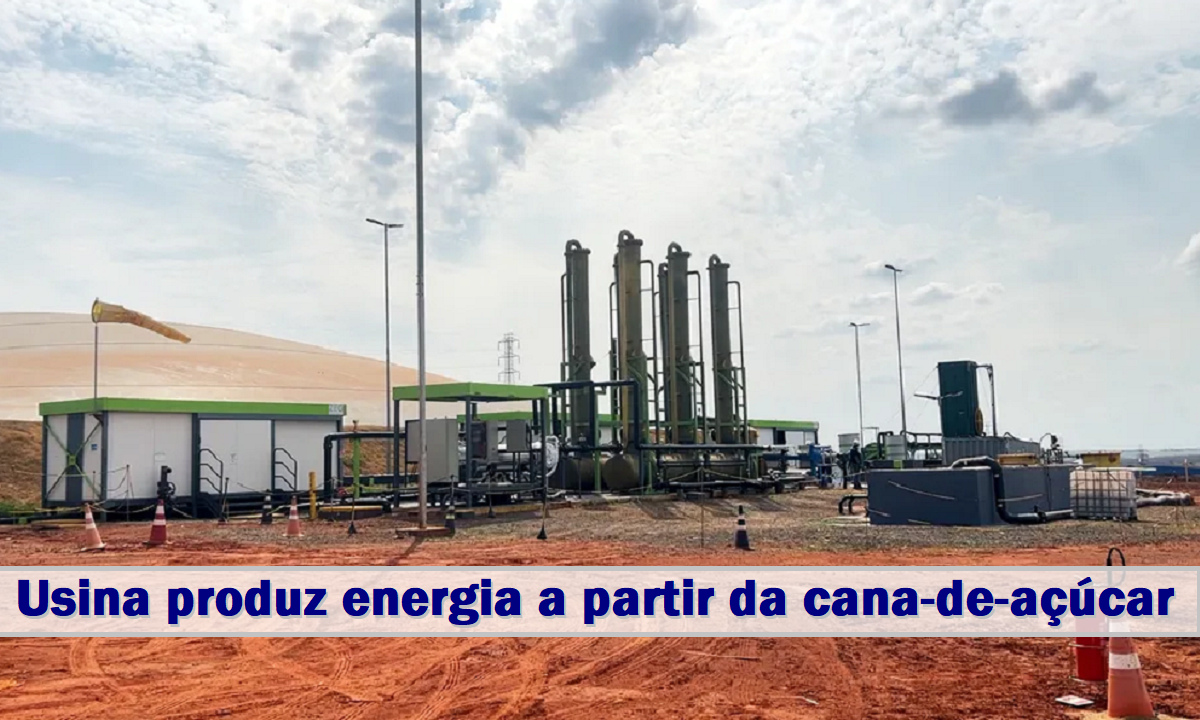
The Residue of Ethanol Production at a Sugarcane Mill in SP Has Turned Into a Luxury Article for Energy and Biofuels! The So-Called Vinhaca Has Been Used to Produce Inputs Sustainably
The search for alternative sources of energy is one of the major concerns of the current world. Fertilizers have become a source of energy, such as vinhaca, a residue left over from ethanol production, which has been exponentially used for energy and biofuel production.
At a sugarcane mill in Olímpia (SP), this proposal to transform the residue from “Waste to Luxury” took two years to complete and has been in operation since July of this year. According to Jonas Gutierres, executive manager of agro-industrial operations, inside a bubble called a biodigester, there are microorganisms that consume vinhaca and, as a result, produce biogas.
When the decomposition of energy occurs from the ethanol residue, the chemistry that originates biogas happens, resulting in mechanical energy that activates a generator, subsequently developing electrical energy. The generation capacity is 1 megawatt/hour, enough to supply, on average, 330 homes during that time.
-
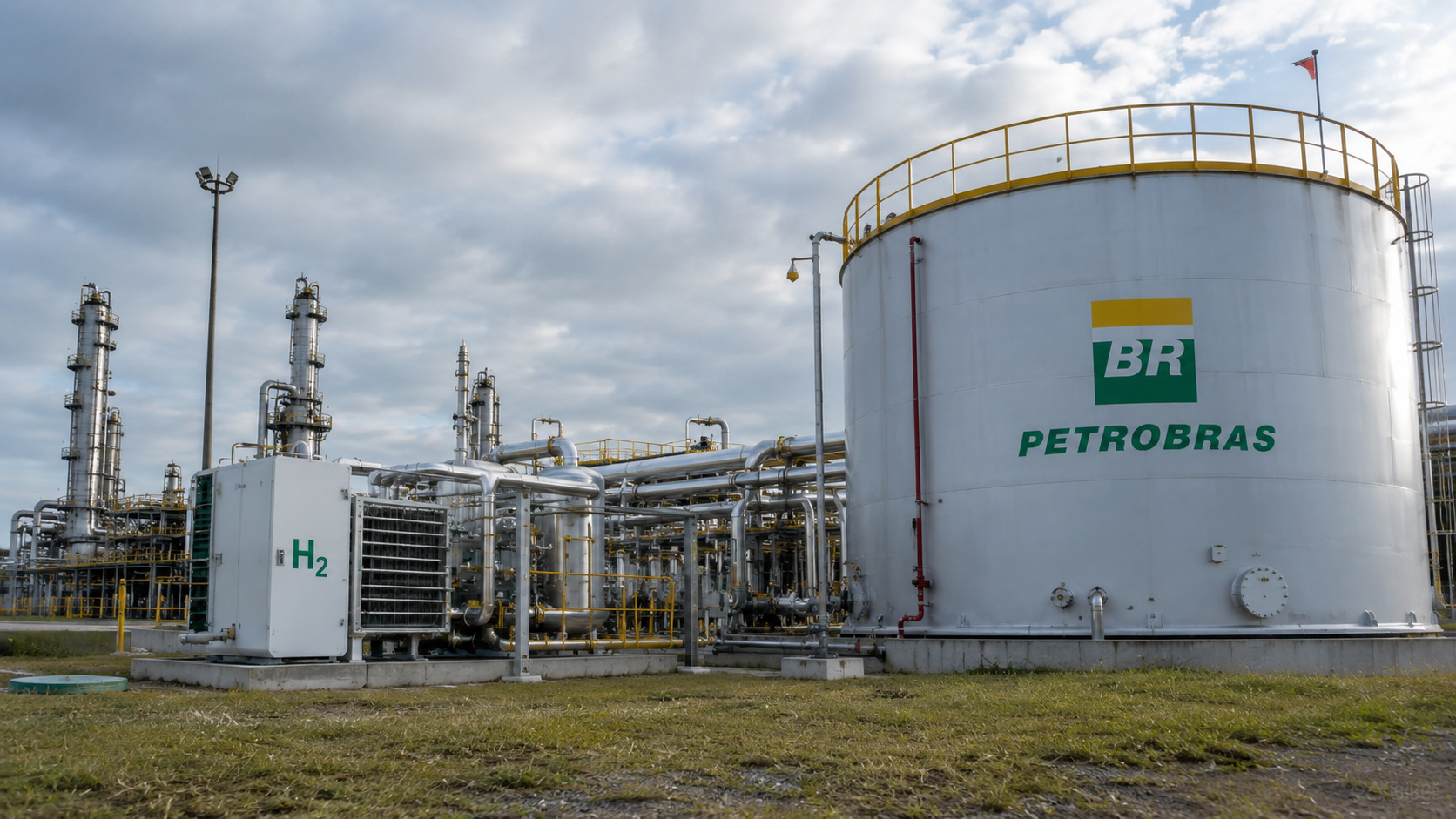
Brazilian scientists are simultaneously advancing two research projects on clean hydrogen and driving solutions that could transform the energy matrix, enhance industrial competitiveness, and accelerate large-scale emission reduction targets.

-
Advancement in renewable energy: A R$ 150 million project launched by Petrobras and Finep aims to create state-of-the-art electrolyzers for green hydrogen, strengthening national research and preparing Brazil to compete in a billion-dollar energy market.
-
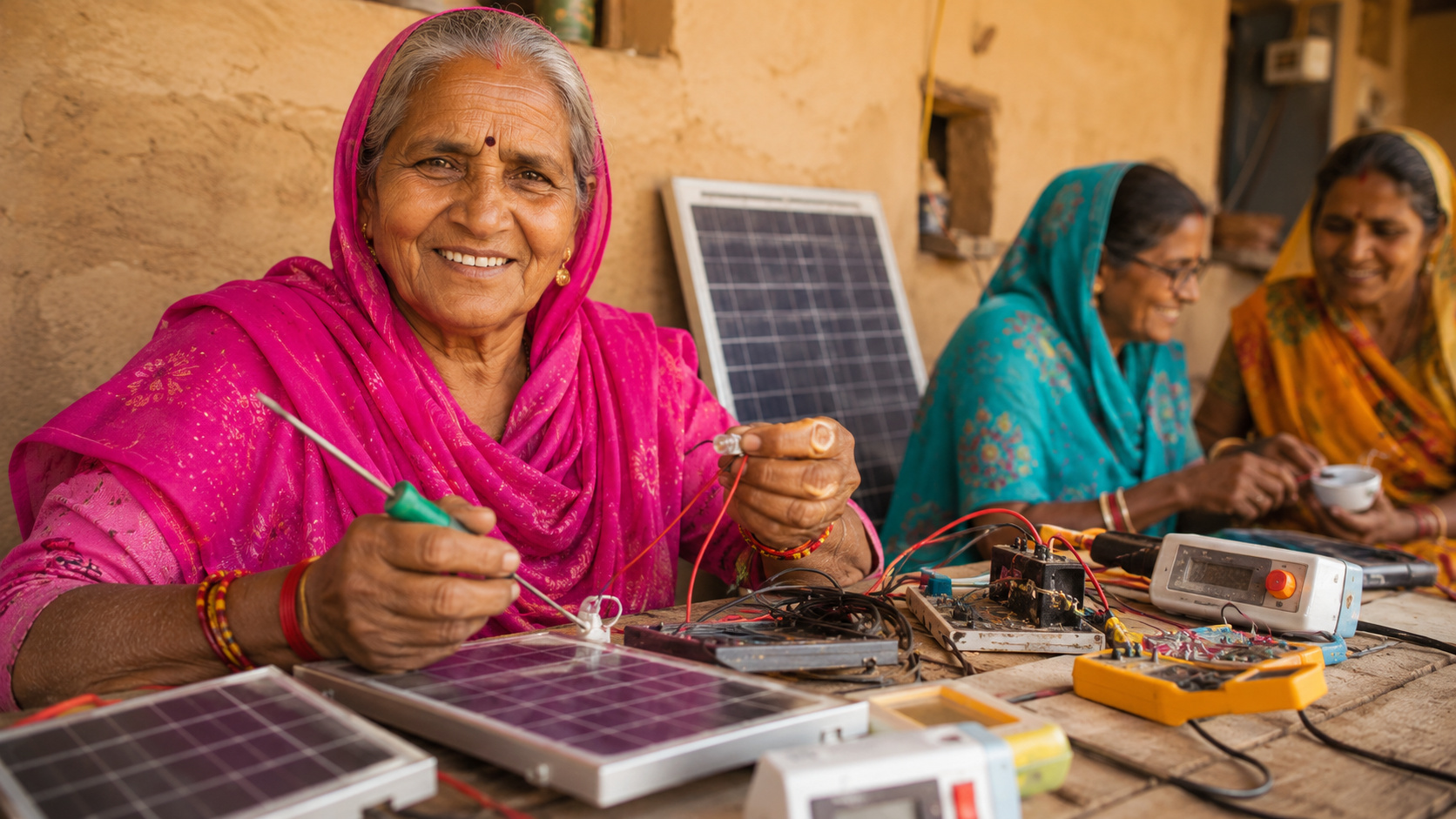
Illiterate or semi-literate grandmothers were trained to repair solar systems, open rural workshops, and light up homes that still depended on kerosene.
-
US$ 7 billion, green hydrogen, and steel with up to 95% less CO₂: the first green steel plant on the planet emerges in Sweden and targets Brazil as the next chapter



POWER PLANT USING SUGARCANE


Utilization of Sustainable Electric Energy and Biofuel from Ethanol Residue
The use of sustainable electric energy generates a savings of 10% to 15% on the electricity bill. In Brazil, sugarcane biomass represents 16.4% of the internal energy supply, according to data from the energy research company.
In addition to the energy generated from the residue of ethanol production, it is also possible to develop fuel from biogas. Jonas explains that the process for producing biomethane is similar to that of compressed natural gas (CNG). The difference is that CNG has a fossil origin, like gasoline and diesel, while biomethane is 100% renewable.
The goal of the mill is to replace 100% of the diesel used by the truck fleet with biomethane by 2030. Today, the group uses an average of 77 million liters of diesel, which represents 10% to 15% of the company’s budget. In addition to savings, this switch also generates environmental benefits.




Be the first to react!