Portuguese
  Spanish


Understand The Reasons Why Trump Criticizes The Bloc And How The Brics Challenges US Economic Hegemony
In 2024, former U.S. President Donald Trump’s concern about the growth of the Brics gained traction again. Although he has expressed his dissatisfaction on other occasions, Trump intensified his criticisms of the bloc formed by Brazil, Russia, India, China, and South Africa.
The recent expansion of Brics brought new members like Egypt, Iran, Ethiopia, Saudi Arabia, and the United Arab Emirates. This enlargement elevated the geopolitical relevance of the group.
Brics Advances To Compete For Global Hegemony
While Trump insists on reinforcing protectionist policies, Brics member countries are working to reduce dependence on the dollar in trade transactions.
Economists from the Brazilian Center for International Relations (Cebri) stated that the bloc signals the creation of alternative currencies and bilateral agreements.
These initiatives strengthen financial autonomy.
The interest of new countries in joining Brics highlights an attempt to seek alternatives.
These alternatives arise in response to sanctions imposed by the U.S. in various markets.


Historical Tensions Fuel Narrative Disputes
Moreover, Trump resumes the narrative that Chinese growth threatens American security.
However, experts from the Council on Foreign Relations stated that Brics does not operate as an antagonistic organization against the West.
For them, the bloc emerges as a pragmatic response to the concentration of power in the U.S. and the European Union.
Therefore, Trump’s rhetoric intensifies old tensions to mobilize domestic support.
-
U.S. Women’s History Museum Stalled in Congress Amid Gender Identity and Diversity Debate

-
European Parliament Approves Digital Euro, Aiming to Challenge Visa and Mastercard’s Dominance and Transform Payments Across Europe by 2029
-
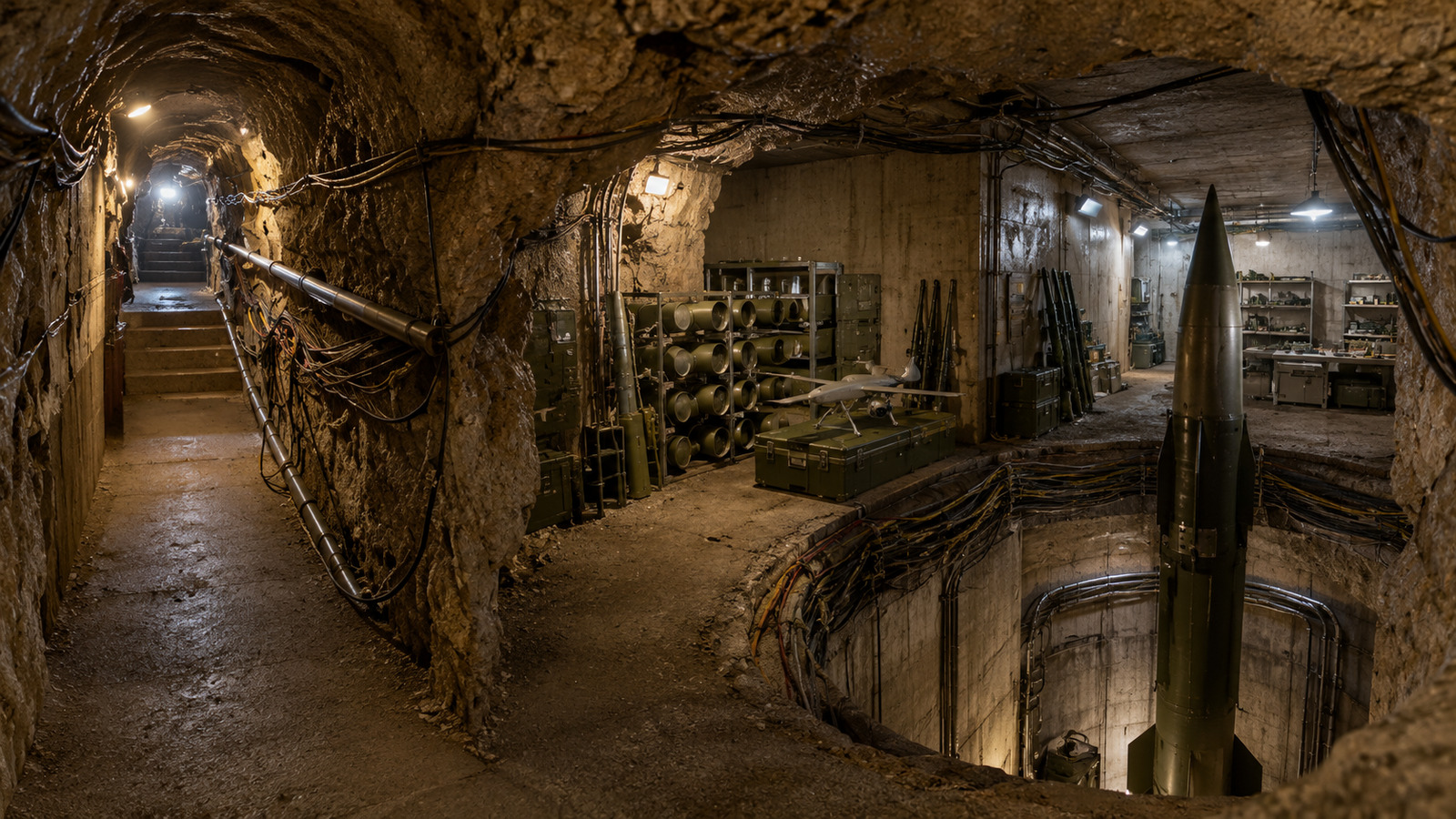
Israel finds Hezbollah militarized tunnel over 200 meters long under village, with 4 missile launch shafts, 12 chambers, anti-tank missiles, drones, and weapons depots at a depth of 25 meters.

-
Ukraine launches largest drone attack on Moscow since 2022, Russia claims to have intercepted nearly 200 aircraft near the capital, Kapotnya refinery targeted again, and offensive reignites alert about war reaching the Russian energy heart just a few kilometers from the Kremlin.



Bloc Expansion Concerns Western Markets
Another relevant point is the impact on global trade. According to data from the IMF released in May 2024, Brics countries, along with the new members, now represent over 30% of global GDP.
As a result, they have surpassed the G7. This shift generates cautious reactions in Washington, as, in addition to economic influence, Brics also plans greater integration in infrastructure.
Energy and technology are also on the agenda. Furthermore, the American press, such as The New York Times, reported in April 2024 that Trump is considering raising tariffs.
The tariffs target products from nations associated with Brics.
Experts Project Scenario Of New Conflicts
Thus, the president’s strategy should remain focused on restricting the bloc’s economic penetration in North American soil.
Trump’s fear reveals more than mere rivalry.
It is a struggle for the maintenance of a world order centered around the U.S.