





 Portuguese
  English
  Spanish
  3 min of reading
  0 comments


BYD’s intelligent driving technology will arrive in Brazil in 2027 with the God’s Eye system, bringing together artificial intelligence, LiDAR sensors, 4-nanometer automotive chip, advanced voice commands, and driving assistance features that can equip from more sophisticated models to the compact Dolphin Mini, expanding access to solutions focused on safety, connectivity, and vehicle automation
BYD confirmed the arrival of the God’s Eye intelligent driving system in Brazil in 2027, expanding its investment in cars with advanced driver assistance features.
The technology was presented during a strategic event held in Shenzhen, China, where the manufacturer detailed new solutions for intelligent driving, embedded artificial intelligence, and vehicle safety.
Stella Li, BYD’s global executive vice president and CEO of BYD Americas and Europe, stated that Brazil is part of the automaker’s global plans.
-
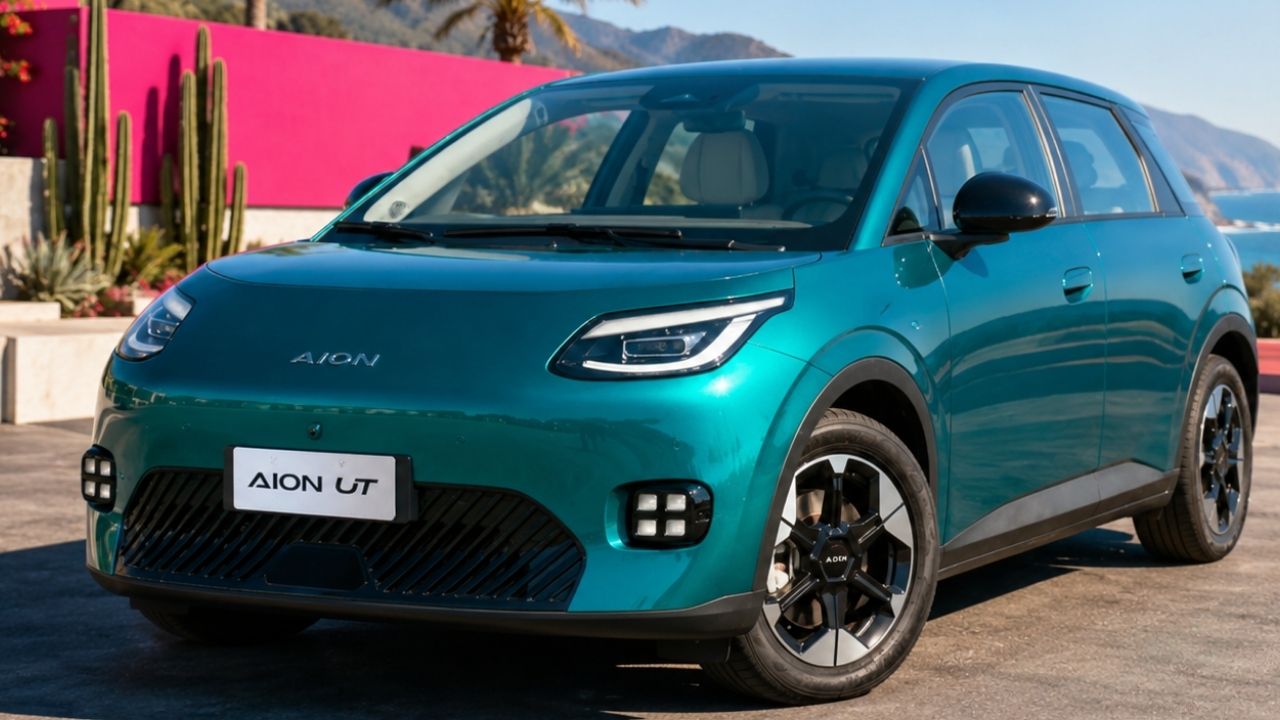
GAC Aion UT lands in Brazil for R$ 135,990 as the most affordable electric car in the country with over 200 hp, surpasses BYD Dolphin in size, features a 360 camera, and offers up to 310 km of range to challenge Chinese rivals.

-
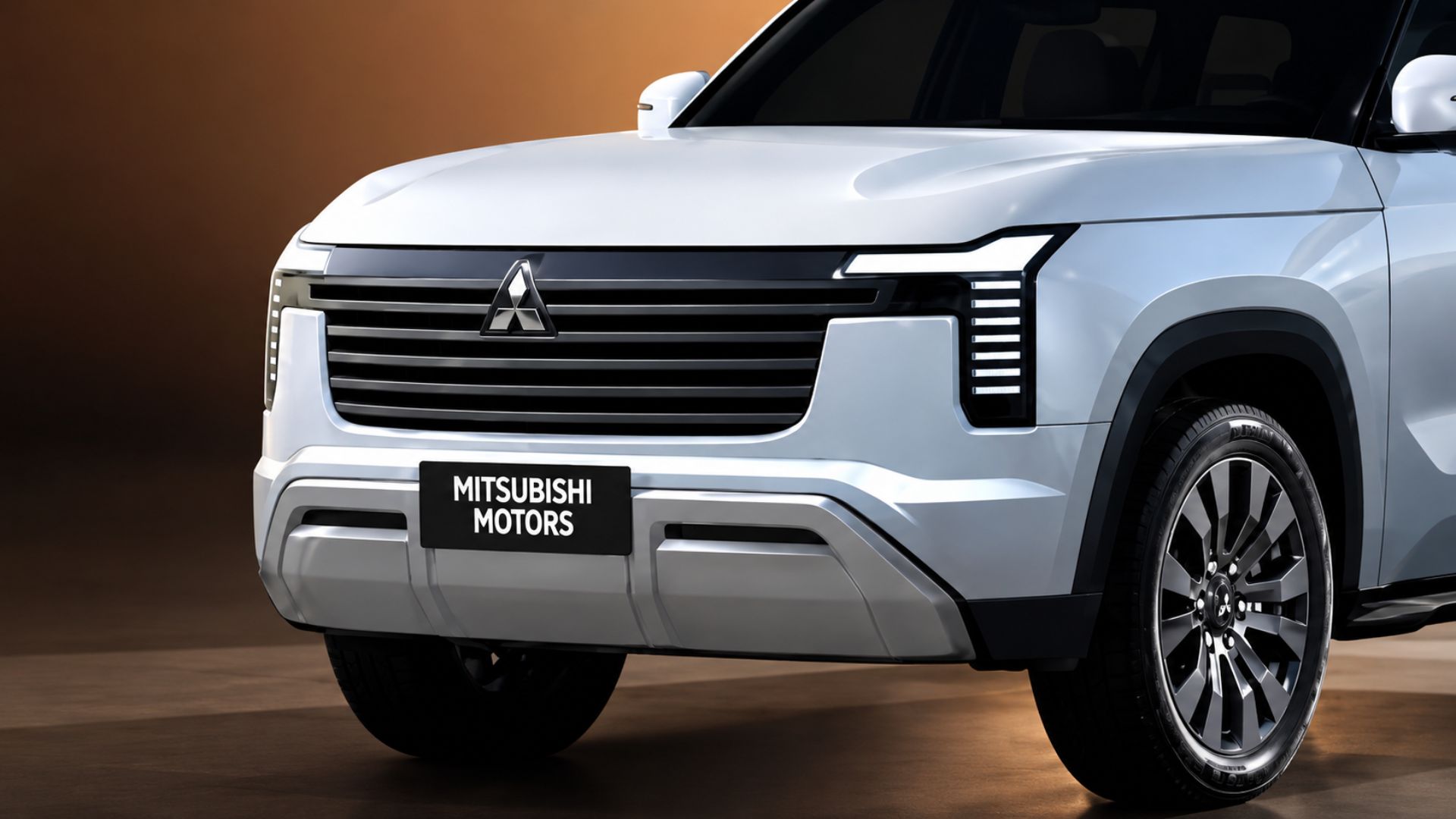
Mitsubishi confirms the triumphant return of a car beloved by Brazilians that was discontinued after almost 40 years, based on the Triton, 4×4, and targets rival Toyota Land Cruiser in a plan of 13 SUVs.

-
With a twin-cylinder engine of 49.6 hp and a range exceeding 400 km, the new Honda NX500 2027 debuts with a 5” TFT panel, Showa suspension, HSTC torque control, dual-channel ABS, and unlimited mileage warranty.
-
Customer crashes car during test drive and Court of Justice decides that the driver is not at fault, therefore, he does not have to pay for the damages.


The company’s innovation and R&D center in Rio de Janeiro will play an important role in introducing these technologies to the Brazilian market starting in 2027.
God’s Eye System advances with a focus on safety
The new generation of God’s Eye received significant updates in its data architecture, sensors, and artificial intelligence.
BYD reported that its entire line could receive the system as an option, including the compact Dolphin Mini.
The technology integrates a strategy that seeks to reduce accidents, simulate the precision of an experienced driver, and offer personal assistance inside the vehicle.
Advanced automation features, intelligent commands, and real-time data processing support this new stage of the brand.
XUANJI A3 Chip reduces energy consumption
The main technical highlight announced by BYD was the XUANJI A3, described by the company as the first Chinese automotive processor of 4 nanometers aimed at autonomous driving.
According to the manufacturer, the component supports L3 and L4 automation technologies and is already operating in mass production phase.
The 4-nanometer architecture allows for 20% lower energy consumption compared to similar components in the global market.
Three units working together deliver 2,100 TOPS, or trillion operations per second.
This performance allows for faster responses from BYD’s algorithms in traffic situations and imminent collision risks.
LiDAR Sensors and XUANJI 2.0 Platform Enhance Precision
The evolution of God’s Eye also includes the XUANJI 2.0 platform, improvements in artificial intelligence, and a network of satellite sensors.
The new generation incorporates LiDAR sensors, which help the vehicle interpret the surrounding environment with greater precision.

In the cabin, the brand’s future cars will have an advanced virtual voice command assistant.
This integration aims to make the onboard experience more connected, intelligent, and focused on occupant safety.
The company claims to invest over R$ 75 billion in vehicle safety research and development to support this strategy.

Guarantee for Autonomous Navigation Not Yet Valid in Brazil
Another novelty presented by BYD was a full damage coverage policy for the urban autonomous navigation function.
In this model, the manufacturer assumes financial losses in accidents where legal responsibility falls on the autonomous car.
The brand itself informed that this coverage is not yet valid for Brazil.
Currently, BYD claims to have 3.15 million connected smart cars running daily and collecting real data on the streets.
The engineering area has 5,000 professionals dedicated exclusively to intelligent driving, forming the largest Chinese team in the segment.
What Could the Arrival of God’s Eye Represent?
The arrival of the God’s Eye in Brazil in 2027 may mark a new phase for BYD in the national market.
The brand intends to combine intelligent driving, artificial intelligence, advanced sensors, and high-performance processing in its upcoming vehicles.
The possible application even in the Dolphin Mini may expand access to features previously restricted to more expensive models.
The final availability will depend on the company’s commercial strategy, local approval, and the configuration chosen for each vehicle.
Do you believe that systems like God’s Eye can make electric cars safer and more accessible in the coming years?








Be the first to react!