Portuguese
  Spanish




2025 Auction Exposes Foreign Power Over Amazon Oil Blocks and Reignites the Debate on Sovereignty and Energy Transition
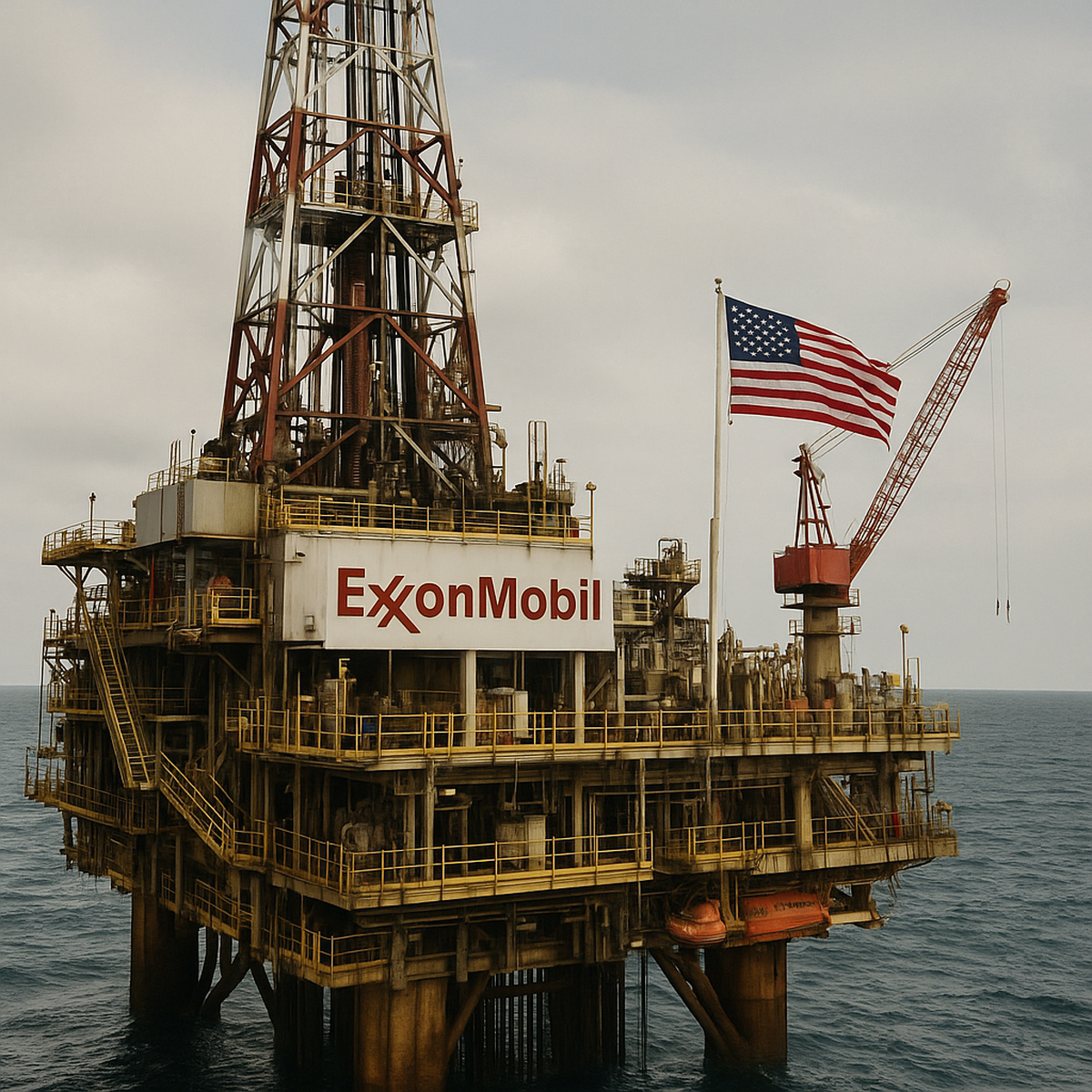
In July 2025, the Brazilian government held one of the largest oil auctions of the decade, with 19 exploration blocks off the Amazon coast. The outcome drew international attention and reignited old concerns about Brazil’s energy sovereignty. All areas had participation from American companies, and more than half also involved Chinese firms.
Among the winners, ExxonMobil and Chevron, both from the United States, secured prominent positions. They operate the blocks in partnership with the state-owned Petrobras and CNPC (China National Petroleum Corporation). This scenario reinforces foreign influence in the Brazilian equatorial margin, one of the last oil frontiers on the planet.
The situation mirrors what happened in Guyana, where ExxonMobil took over exploration in 2019 and started to influence the entire local economy. Photographer Victor Moriyama and reporter Fábio Bispo captured this reality in the series “Until the Last Drop,” published by InfoAmazonia. The work showed that oil raised Guyana’s GDP by over 60% in 2022, but did not generate significant jobs for the population.
-
OPEC+ Boosts Oil Supply by 188,000 Barrels per Day in July 2026, Leading to Price Drop from $112 to $89 per Barrel in Under Two Months

-
TotalEnergies Signs 20-Year Deal to Purchase 2 Million Tons of LNG from Alaska, Boosting Project Viability
-
Turkey Deploys Çağrı Bey Drilling Ship to Explore New Oil Frontier Off Somalia’s Coast
-
Golden Pass LNG Ships First Liquefied Gas Cargo from the U.S., Completing $10 Billion QatarEnergy and ExxonMobil Investment

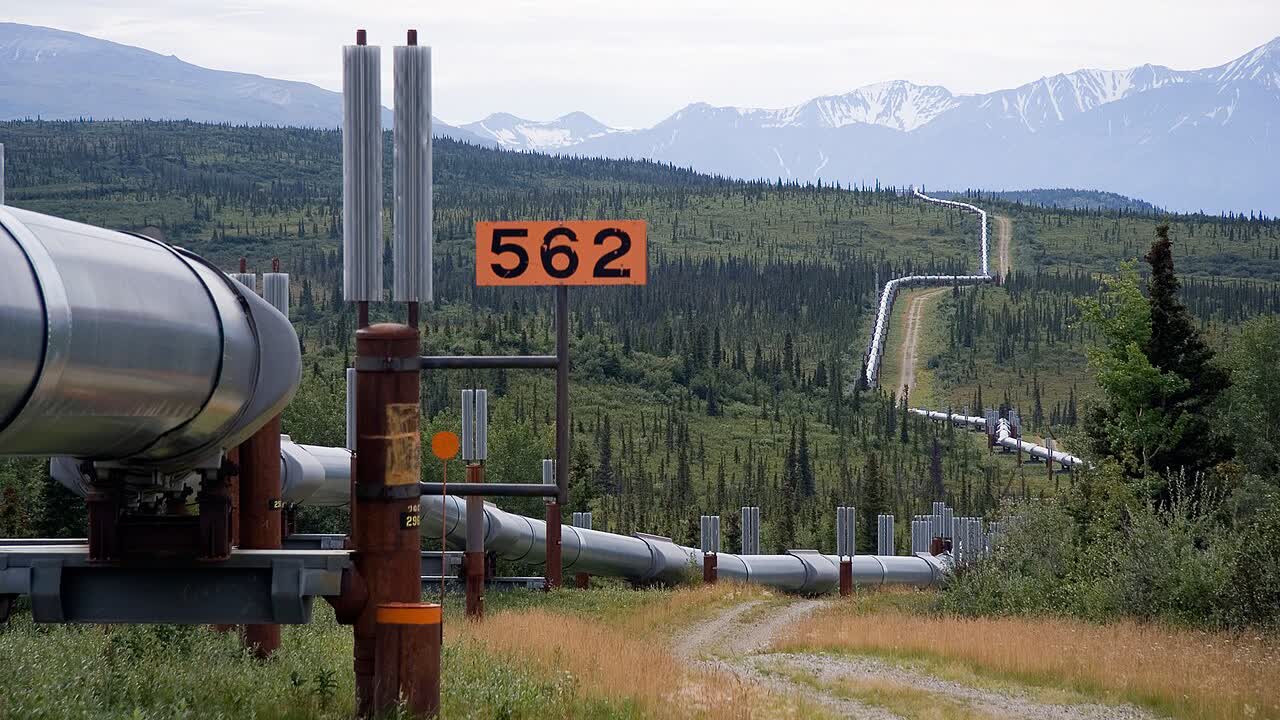
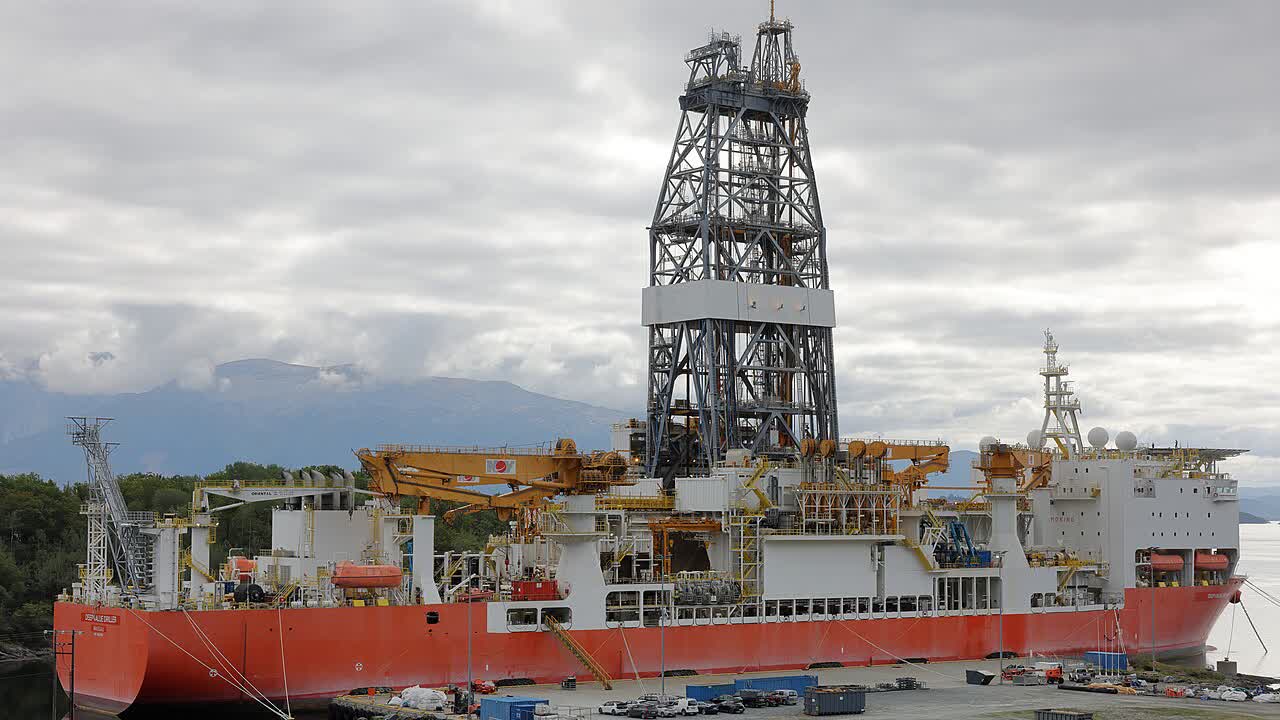

The Guyanese Model Reveals the Risk of Economic Dependence
The Guyanese experience proved that economic growth does not represent real development. Even with GDP advancement, the unemployment rate remained unchanged. This contrast shows that profits concentrated in oil companies, while the population received no direct benefits.
This imbalance raises a red flag for Brazil. The promise that exploration will bring regional progress repeats the same rhetoric used in Guyana. However, practical results show that, without oversight and control, exploration tends to favor only foreign investors.
Lula’s Speech at the UN and the Contradictions of the Government
During the 80th UN General Assembly, in September 2025, President Luiz Inácio Lula da Silva stated that the global race for critical minerals essential for the energy transition “cannot reproduce the predatory logic that marked the last centuries.” However, oil exploration, especially in sensitive areas of the Amazon, was left out of the speech.
The absence of the topic drew attention, as Brazil prepares to host COP30, an international conference on climate change.
In an interview with InfoAmazonia, journalist Tais Gadea Lara spoke with André Corrêa do Lago, president of COP30, who highlighted the importance of fossil fuels in the debate but explained that the topic shares space with forests, agriculture, and cities.
According to him, “some countries wanted the issue of fossil fuels to be revisited in the negotiations, but that has already been universally decided. We have all agreed to transition.” He added that COP30 could propose a global transition timeline, detailing rules by type of country and fuel, but stressed that the world does not need to wait for new negotiations to act.
Exploration Remains a Priority in Brazil Despite Criticism
Despite international pressure, the Brazilian government maintains oil exploration as a priority. The advancement of blocks in the equatorial margin shows that the country is still heavily relying on fossil production, while also trying to sustain a discourse of energy transition and sustainability.
Experts warn that the challenge will be to balance economic growth and environmental preservation. Exploration occurs in areas of high ecological sensitivity, such as mangroves and the Great Amazon Reef System, which require strict protection.
Thus, Brazil faces a tough choice: continue investing in fossil fuels or accelerate the development of renewable energies. The decision will determine whether the country will become a reference in green transition or repeat external dependency mistakes.
And in light of the growing dominance of multinationals over national oil, the question that resonates is the same that has echoed through generations: Is the oil ours or theirs?