






 Portuguese
  Spanish



Mars, The Multinational Behind M&M’s, Announced In August 2025 An Agreement With Pairwise, An Agricultural Biotechnology Company, To Apply CRISPR Genetic Editing To Cocoa Trees With The Aim Of Ensuring The Supply Of Raw Material And Avoiding Chocolate Shortages Caused By The Drop In Production In West African Countries.
In The Last Two Years, Cocoa Supply Has Been Severely Affected By Extreme Weather Events And Diseases Such As “Swollen Shoot”, Mainly In Côte d’Ivoire And Ghana, The World’s Leading Exporters. This Situation Has Led To A Historic Increase In Chocolate Prices And Forced Manufacturers To Seek Alternatives To Preserve Their Production Chains.
With The New Agreement, Mars Will Have Access To The Genetic Editing Tools Developed By Pairwise, Including CRISPR Enzymes And Specific Trait Libraries. The Technology Allows For Precise Modifications Of Plant DNA, Creating More Resilient And Productive Trees Without The Need For Conventional Crossbreeding.
CRISPR Technology Accelerates Traditional Process
According To Pairwise’s CEO, Tom Adams, Genetic Editing Drastically Reduces The Time Needed To Obtain Plants With Desired Traits. While The Traditional Method Requires Decades Of Crossbreeding And Selection, The CRISPR Technique Enables Achieving The Same Goals In Less Time And With Greater Precision.
-
Major Brazilian Supermarkets, Including Carrefour and Assaí, May Close Earlier to Prevent Price Increases

-
Coca-Cola Shuts Down 100-Year-Old Factory in the U.S., Impacting 85 Workers and Shaking Local Community with Historic Consequences
-
Bianca Andrade Invests $30 Million of Her Own Money in Boca Rosa, Launches Over 100 Products in a Year, Aiming for $400 Million by 2026
-
Belo Horizonte Becomes First Brazilian City to Fund Housing, Utilities for 100 Homeless Families with $900,000 Initiative


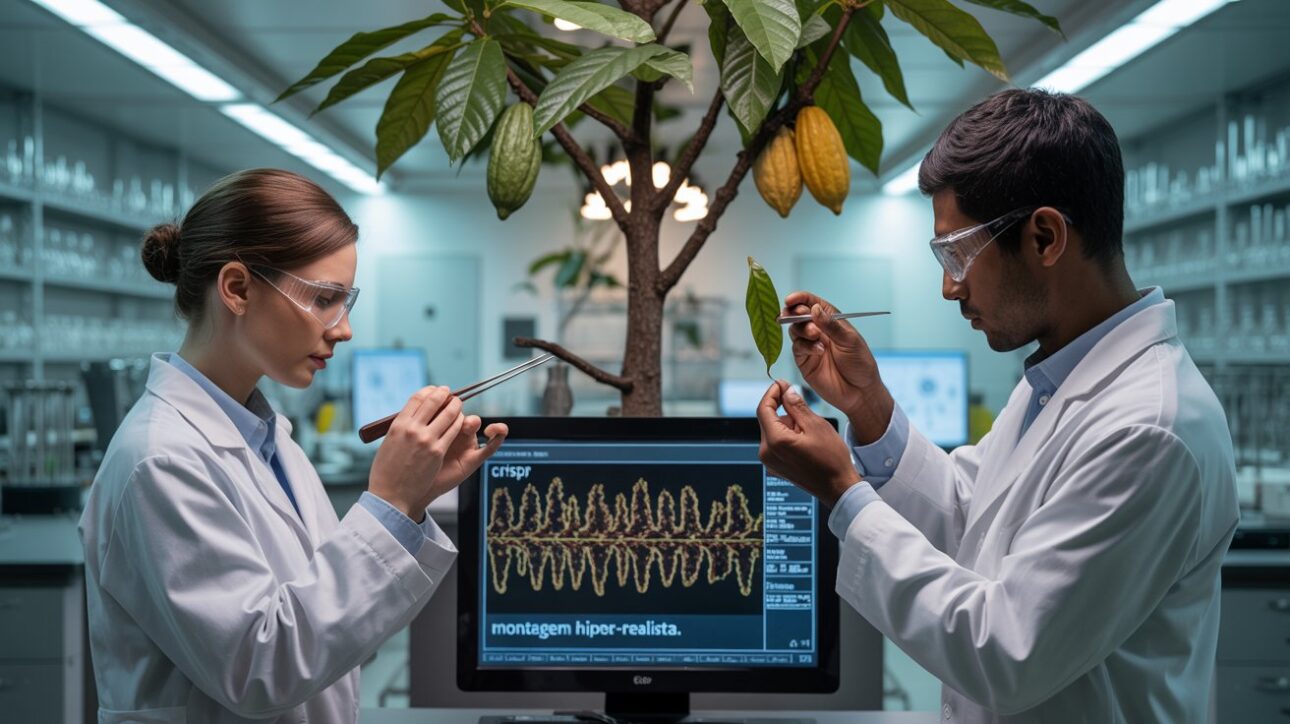
It Replaces Decades Of Traditional Crossbreeding With Direct Adjustments To DNA. Image: AI
In Addition To Improving Climate Resilience And Pest Resistance, The Technology Also Shortens The Maturation Cycle Of Trees. Currently, The Cocoa Tree Can Take Three To Five Years To Produce, But The Expectation Is That This Period Will Be Significantly Reduced With The Use Of Genetic Engineering.
This Advancement Could Be Decisive In Meeting The Growing Demand For Chocolate And Maintaining The Sustainability Of The Production Chain In Regions Vulnerable To Climate Change. Pairwise Has Already Achieved Positive Results With Other Agricultural Crops And Hopes To Replicate This Success In The Cocoa Sector.
Billion-Dollar Investment And Regulatory Challenges
Since 2018, Mars Has Invested Over US$ 1 Billion In Initiatives To Strengthen Its Cocoa Supply Chain. Part Of These Resources Was Allocated To Research With The University Of California, Berkeley, For The Development Of Genetically Edited Trees.
Now, With The New Agreement, The Company Is Taking Another Step Towards The Commercial Use Of This Technology. However, Regulatory Barriers Still Persist, Especially In Europe. The European Union And Switzerland, Important Centers For Chocolate Production And Consumption, Are Discussing Changes In Legislation To Allow The Marketing Of Genetically Edited Foods.
The Information Was Released By “folha.uol” On August 6, 2025, Based On Institutional Statements And Declarations From Representatives Of The Companies Involved In The Licensing Agreement.
The Market Watches Advancements Closely
As Consumers, Environmentalists, And Health Authorities Monitor Developments, The Confectionery Sector Sees Genetic Editing As A Strategic Solution To Navigate The Cocoa Crisis And Maintain Profitability In An Unstable Market.
In Addition To Mars, Other Companies Are Also Exploring Similar Technologies To Ensure Food Security And Reduce The Impacts Of Climate On Global Agriculture. The Use Of CRISPR In Commercial Plants Could Become A Milestone In The Food Sector, Broadening The Debate On Biotechnology And Sustainability.
How M&M’s Chocolate Candies Are Made







-

1 person reacted to this.