






 Portuguese
  Spanish


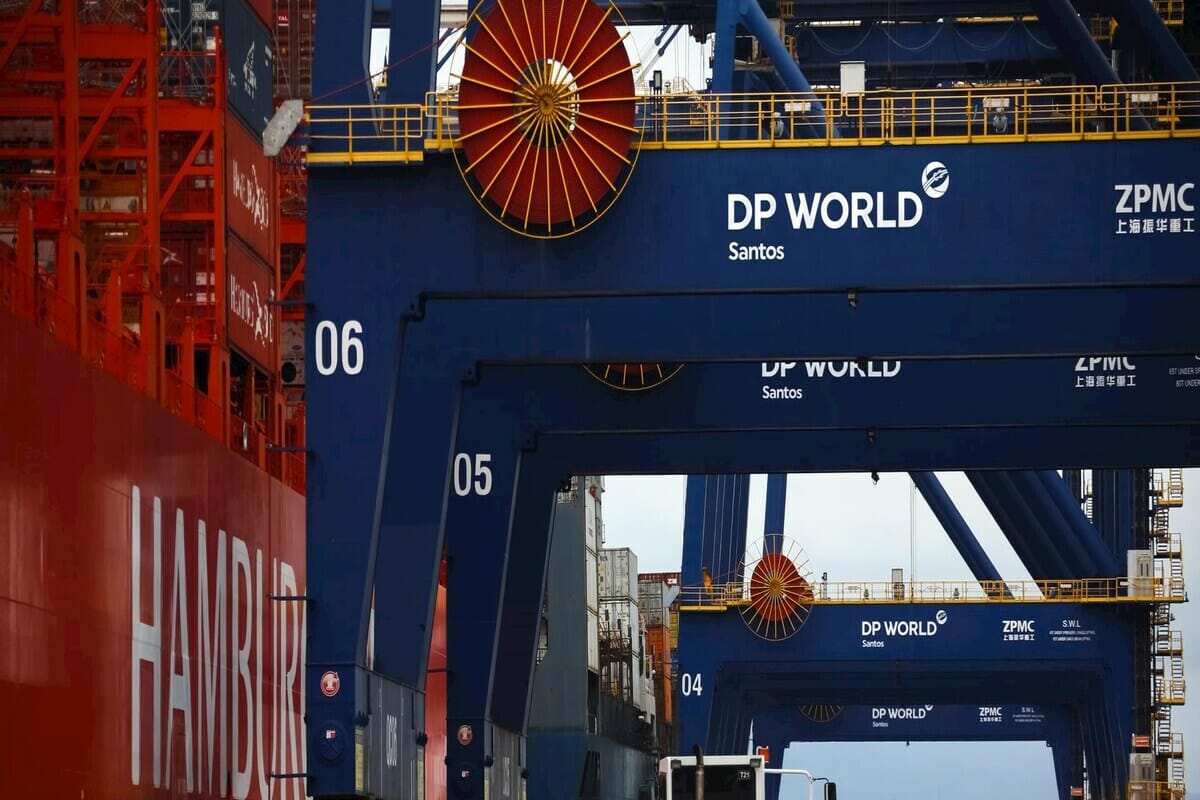

DP World, A Private Multi-Purpose Terminal, Announced an Investment of R$ 200 Million by the End of 2023 for the Modernization and Expansion of Its Facilities at the Port of Santos, Located on the Left Bank.
The objective is to increase the annual handling capacity from 1.2 million TEUs to 1.4 million TEUs and expand the wharf from 1,100 meters to 1,300 meters. The terminal currently occupies 845,000 square meters, with 130,000 square meters available for expansion at the Port of Santos.
According to DP World, the initiative aims to ensure that port capacity continues to meet growing demand and marks the third round of investments since the start of its operations in Brazil in July 2013. To date, over R$ 3 billion has already been invested in the implementation and expansion of the terminal, which is strategically located near land, road, and rail access, allowing large-scale multi-purpose operations.
“Investing in the Port of Santos is a calculated move that reflects the port’s position as an important artery of transport and logistics in the region. We have a great advantage in our location — with excess area and rail access — which offers the opportunity to expand capacity. This gives us the flexibility to develop new projects that will support our cargo diversification strategy, helping to meet the sectors of the national economy and positioning Brazilian products to be more competitive in the global market”, stated Fábio Siccherino, CEO of DP World.
-
The Port of Itaqui closes the best first semester in history with over 17 million tons and takes off as the locomotive of the Northern Arc.

-
Brazil’s North-South Railway to Auction Two Grain Terminals in Central Tocantins

-
AI-powered traffic cameras in São Paulo now issue fines for cellphone use and seatbelt violations around the clock

-
Free Upgrade to Professional Driver’s License Categories in Over 130 Locations in Brazil, Including Exams and Courses



Port of Santos
The beginning of the construction works of the Port of Santos dates back to July 1888, when the port’s wharf began to be built. It took years of technical challenges until the inauguration of the first stretch with 260 meters in length by the ship Nasmith, in February 1892. Since then, the Port of Santos has consolidated itself as the first organized port in Brazil and has significantly contributed to the industrial development of the state of São Paulo and the country.
Today, the Port of Santos is the leader in the national port market, generating about 30% of Brazil’s foreign exchange revenue. With approximately 14 kilometers of berthing wharf, the port has 38 first-class warehouses and 34 backup warehouses, in addition to yards and sheds capable of storing around 1 million tons of various goods. The port is located on the estuary’s bank, bordered by the islands of São Vicente and Santo Amaro and the mainland, where the cities of Santos, São Vicente, Guarujá, and Cubatão are situated.
The Port of Santos handles around 120 million tons of goods per year and serves the capital of the country as well as neighboring countries Bolivia and Paraguay. In addition to directly generating jobs for the population, the port also provides a considerable job field in related activities. About one-third of the population of Santos lives off the port.


