





 Portuguese
  English
  Spanish
  5 min of reading
  0 comments


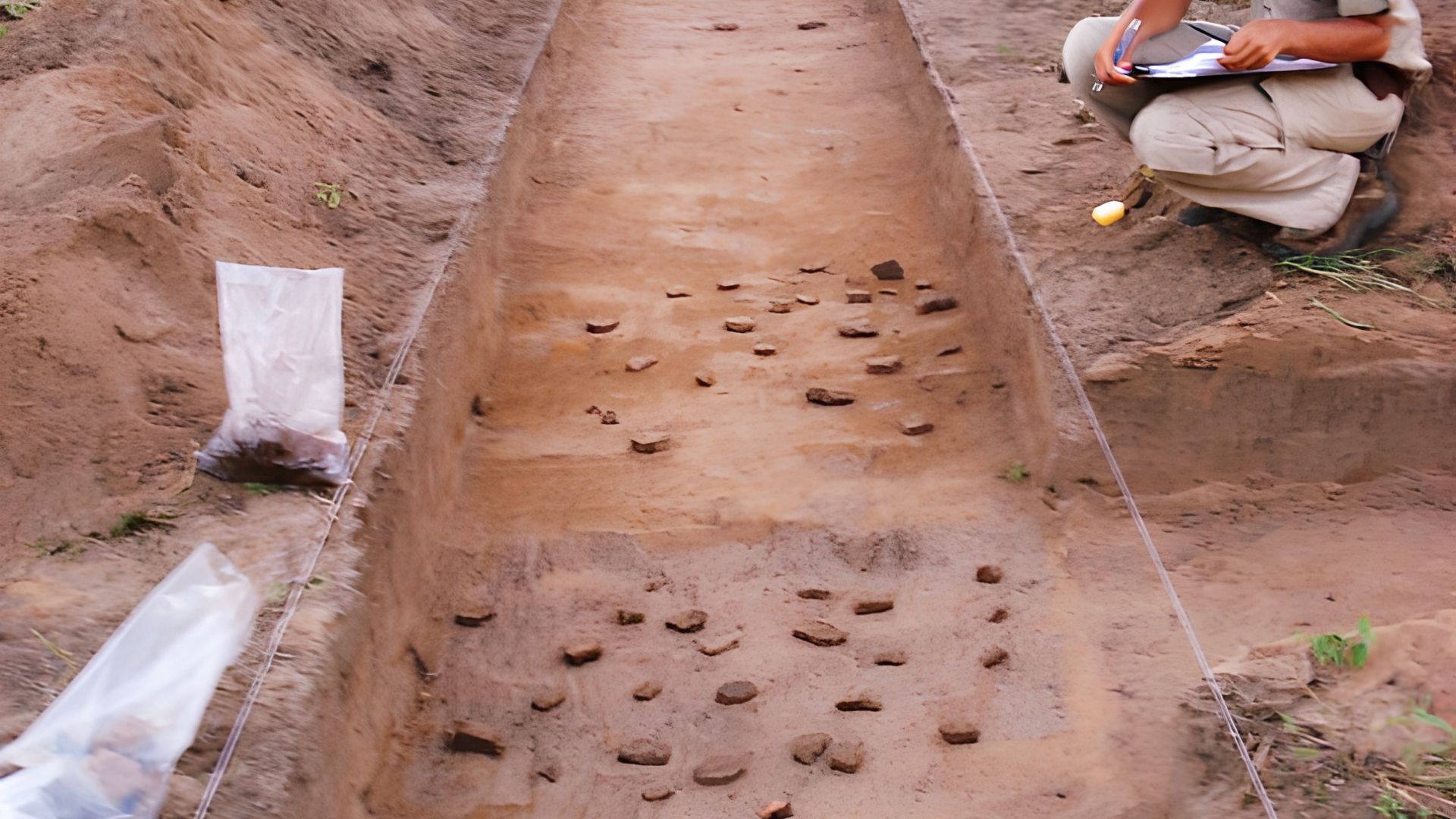
Duplication of BR-101 revealed 142 archaeological areas under study, with historical and prehistoric findings that expose the wealth buried under the highway.
On November 26, 2006, Folha de S.Paulo reported that the duplication of BR-101 had already revealed 142 areas for archaeological study between Rio Grande do Norte and Pernambuco, with most of the findings concentrated in Pernambuco territory. This data transformed the project into one of the most expressive examples of preventive archaeology linked to road infrastructure in Brazil.
As the duplication progressed to increase the capacity of one of the country’s most important highways, the excavations also began to expose a much larger hidden heritage than imagined. Instead of finding just soil and rock under the road’s path, the teams encountered traces from different eras, showing that the BR-101 corridor crosses areas occupied by human populations for centuries and, in some cases, much longer.
BR-101 exposed historical and prehistoric sites during duplication
According to Folha de S.Paulo, the 142 identified points emerged in the context of the duplication works and required archaeological assessment before the complete advancement of the interventions. The report notes that most of these areas appeared in the Northeast, especially in Pernambuco, reinforcing the historical significance of the strip cut by the highway.
-
Australia found more than 100,000 exotic cockroaches in a historic operation; the discovery of insects up to 7.5 cm and a scheme worth R$ 516,000 put Australian authorities on alert.

-
Just like in the USA, Brazil may allow driver’s licenses for teenagers, who will be able to drive on Brazilian streets during predetermined hours and under strict rules outlined in a proposal submitted to the Chamber.
-
In 1999, an elderly man took in a student alone in London for free, and years later, the young man cared for him until his death.
-
The PR government wants to cut through a closed channel to create the ‘BR do Mar’, with an intervention of almost 10 km to allow boats up to 50 feet, but experts warn of difficult-to-reverse consequences by threatening one of the last ecological sanctuaries on the Brazilian coast.




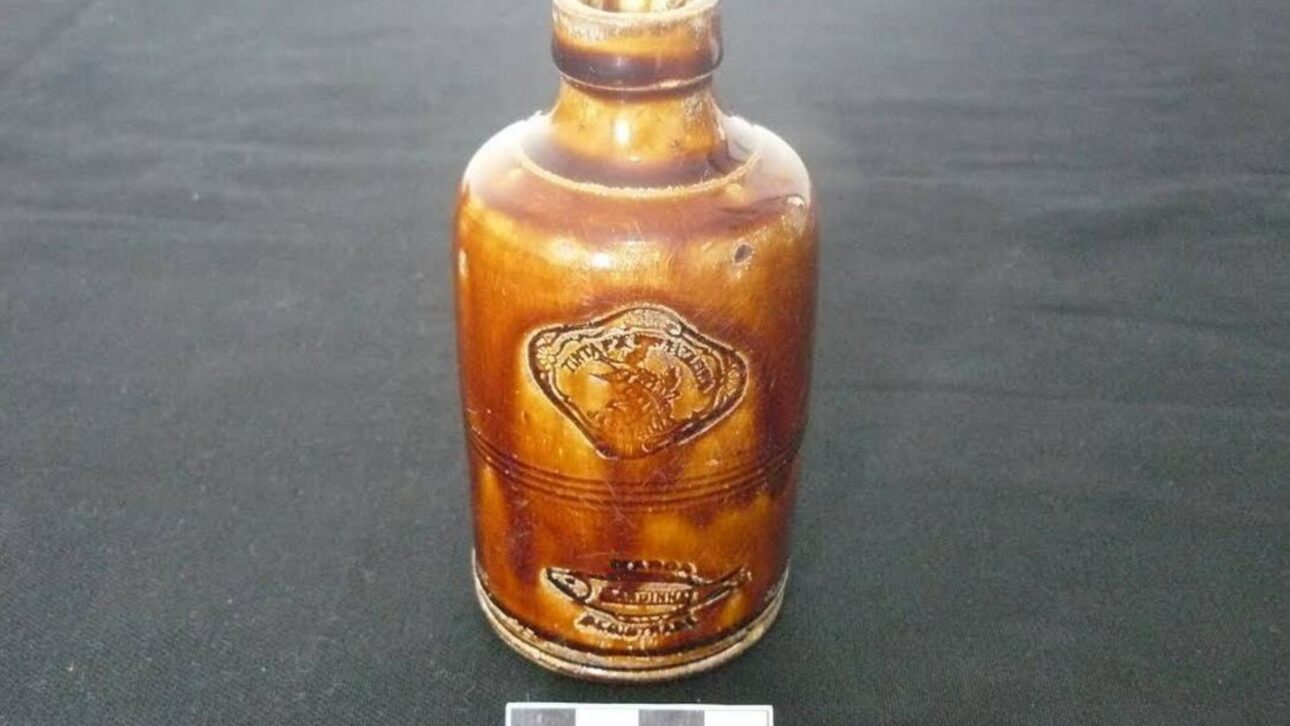
The findings did not belong to a single period. The same investigation cites the presence of 19th-century English crockery among the materials found, as well as other traces linked to historical occupations. This shows that the highway crossed not only contemporary landscapes but also successive layers of Brazil’s social and material formation.
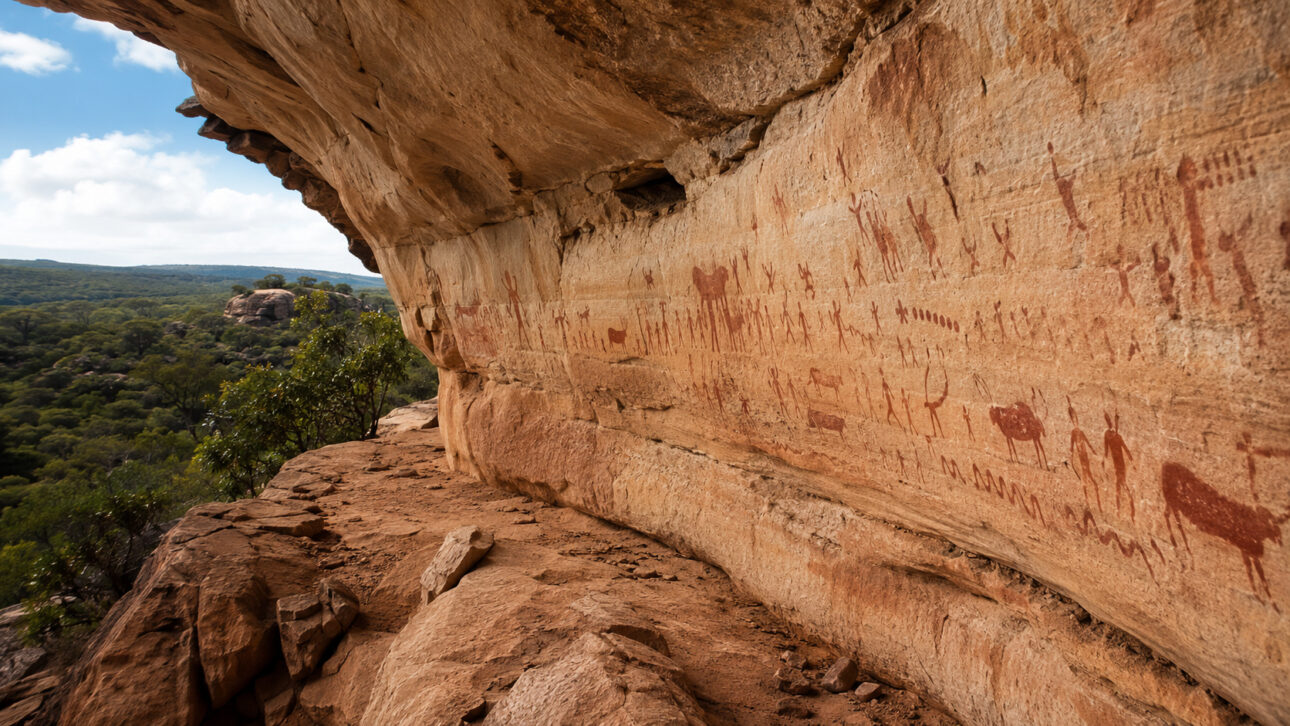
At the same time, the existence of archaeological areas under study along the project indicates that the duplication of BR-101 also crossed older contexts, prior to the imperial and republican periods. In terms of historical content, the highway ended up functioning as an involuntary window to different moments of human occupation in Brazilian territory.
English china and other remnants showed that the road cut through layers of Brazilian history
One of the details that most caught attention was precisely the diversity of the material found. According to Folha de S.Paulo, among the findings were 19th-century English china, clear evidence of historical occupation linked to the circulation of goods and the material daily life of 19th-century Brazil.
This type of discovery is significant because it helps to show that major works do not only traverse the current physical space but also territories that were used, inhabited, and modified by previous generations. In many cases, what seems like just a common piece of land holds silent records of ancient dwellings, circulation routes, domestic disposal, and continuous human presence.
In the case of BR-101, the set of areas revealed during the duplication reinforced the perception that the coastline and the connection strip of the Northeast concentrate a much broader archaeological heritage than what was visible before the arrival of the machines.
The duplication of BR-101 also exposed the conflict between public works and archaeological preservation
The discovery of these archaeological areas did not only bring scientific value. It also brought back a recurring dilemma in major works: how to reconcile deadlines, costs, and infrastructure execution with the need to document and preserve historical and prehistoric remnants.
According to Folha de S.Paulo, this clash appeared in the very discussion about the protection of the sites and the impact that the archaeological issue could have on the progress of the work.


This type of tension is not exclusive to BR-101. In highways, railways, airports, and large urban works, preventive archaeology often comes into play when the project is already underway, forcing companies, governments, and researchers to act quickly to avoid the total loss of the material found.
In Brazil, where much of the archaeological heritage remains buried and invisible, this stage of identification and rescue has become crucial. When it does not exist or arrives too late, the work can erase remnants without them even being recorded.
Brazil has more than 26,000 archaeological sites registered by Iphan
The case of the BR-101 helps to gauge the scale of Brazil’s archaeological heritage. According to Iphan, the country has more than 26,000 registered archaeological sites, gathered in its official inventory and registration system.
This number shows that discoveries made during infrastructure works are not isolated episodes. They are part of a larger picture, where roads, cities, rural areas, and zones of economic expansion frequently overlap with territories that hold traces of ancient occupations.
The duplication of the BR-101 fits exactly into this context. What the work revealed in the Northeast was not an unlikely exception, but a clear example of how an important part of Brazil’s material history remains buried under areas that today seem common, productive, or purely logistical.
Excavations on BR-101 opened an unexpected window to the past
The goal of duplicating the BR-101 was to improve vehicle circulation and enhance road safety. But the work ended up producing another result, less visible and perhaps more enduring: it revealed that beneath the route of one of the country’s main highways lay a historical and archaeological heritage of enormous relevance.
The 142 archaeological areas under study show that while Brazil modernizes its infrastructure, it continues to find evidence of ancient occupations precisely in the corridors that today support the present economy. Beneath the planned asphalt, hidden remains capable of telling stories from different centuries of the formation of Brazilian territory were found.
The discovery leaves a strong conclusion. In Brazil, major works not only redraw the current map. Often, they also expose fragments of a much older country, preserved by chance under the earth until the moment an excavator reaches it.





Be the first to react!