Portuguese
  Spanish


During Speech at COP30, President Lula Advocated for Developing Countries to Use Part of Oil Profits to Fund the Energy Transition. The Leader Also Highlighted Brazil’s Role in Clean Energy Production and the Advancement of Ethanol as a Sustainable Fuel.
During the opening of the second day of the COP30 Leaders’ Summit, President Luiz Inácio Lula da Silva proposed a new perspective on the relationship between oil and sustainability. According to him, developing countries can direct part of the profits obtained from oil exploration to finance the energy transition and combat energy poverty.
“Directing part of the profits from oil exploration to the energy transition remains a valid path for developing countries,” the president stated this Friday (7). Lula emphasized that the transition should occur in a “fair, orderly, and equitable” manner, ensuring access to technology and financing especially for the Global South.
The speech marked one of the most awaited moments of the event, which brings together heads of state and leaders of international organizations in Belém. Brazil, the host of the conference, has sought to balance environmental discourse with its strategy for resource energy exploration.
-
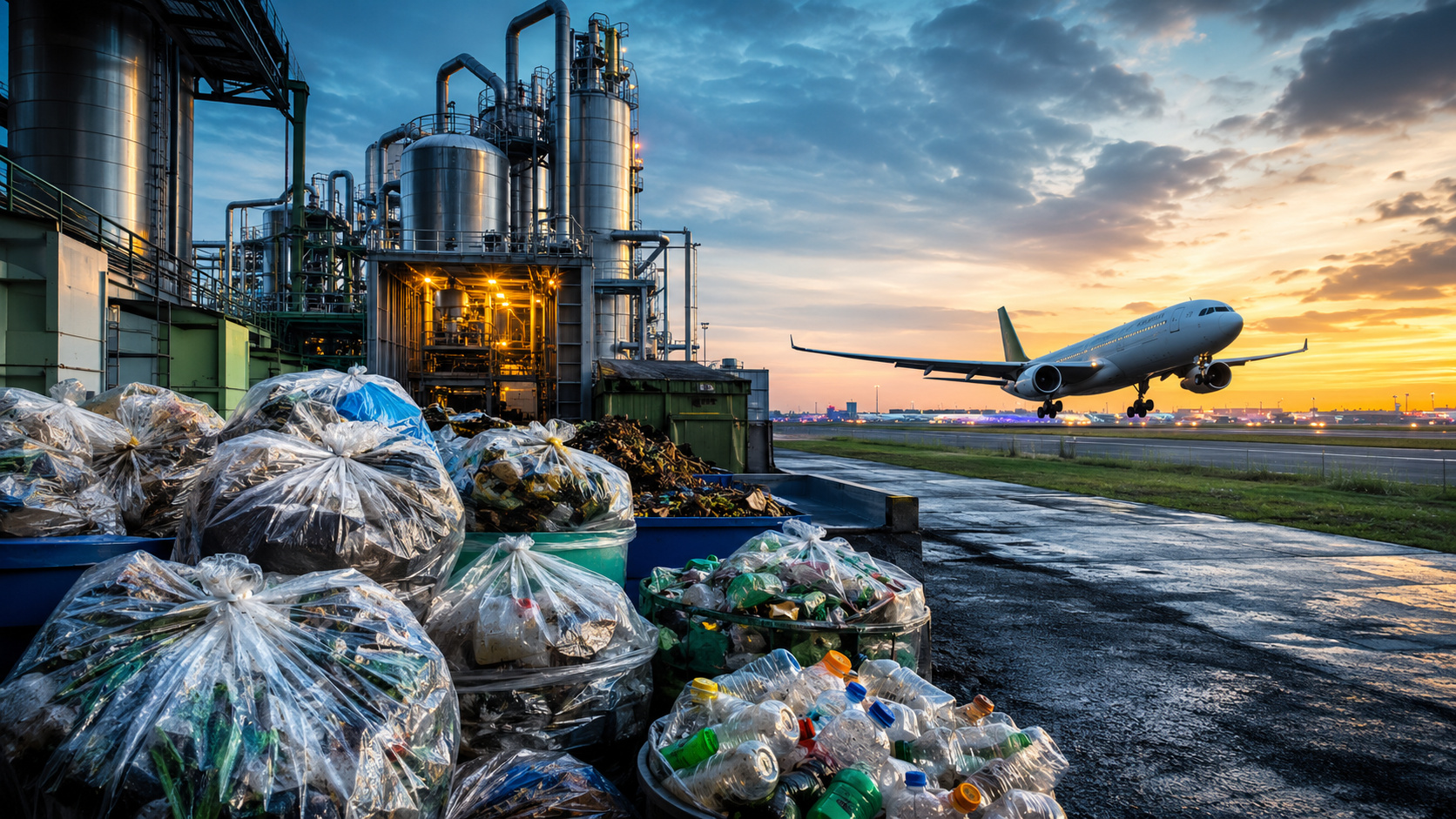
Qantas and Airbus Invest in Company Aiming to Convert Unsorted Household Trash into Jet Fuel

-
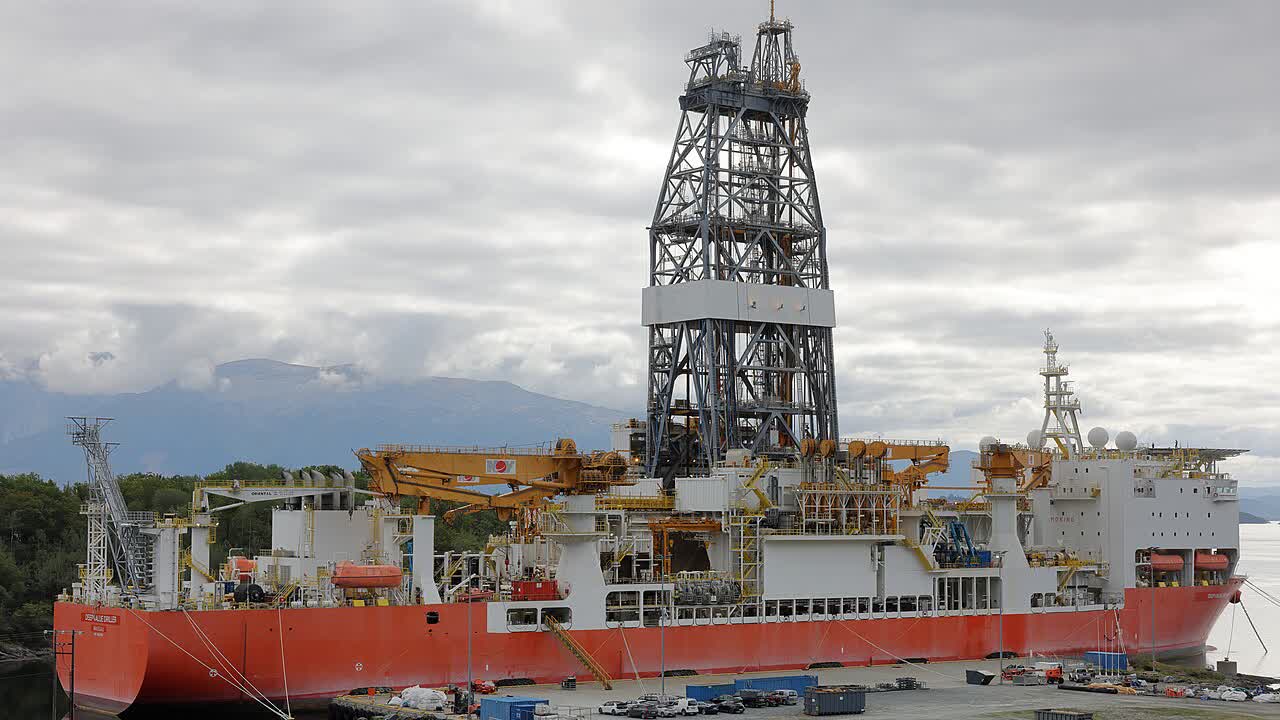
Brazil’s ANP Opens 86 New Oil Blocks in the Equatorial Margin, Expanding the Amazon River Mouth Frontier

-
OPEC+ Boosts Oil Supply by 188,000 Barrels per Day in July 2026, Leading to Price Drop from $112 to $89 per Barrel in Under Two Months

-
TotalEnergies Signs 20-Year Deal to Purchase 2 Million Tons of LNG from Alaska, Boosting Project Viability
Financing and New Mechanisms for Decarbonization
Lula advocated for the creation of financial instruments to accelerate the transition to a low-carbon economy. He proposed the use of innovative debt-for-climate-financing mechanisms as a way to support countries with lower economic capacity.
“There is room to explore innovative debt-for-financing mechanisms for climate mitigation and energy transition initiatives,” he declared.
Additionally, the president highlighted three central commitments:
- Triple renewable energy generation and double energy efficiency by 2030;
- Eliminate energy poverty, ensuring access to electricity and clean cooking;
- Increase the use of sustainable fuels, adhering to the Belém Commitment, which aims to quadruple usage by 2035.
According to Lula, the global energy crisis cannot be addressed without a social perspective. “It is essential to combat all forms of energy poverty. Two billion people lack access to adequate fuels for cooking. 660 million still rely on lamps or diesel generators in the outskirts of major cities and in rural communities in Latin America, Africa, and Asia,” he stated.
The Role of Developing Countries and the Just Transition
The president also emphasized that developing nations must participate “in all stages” of the supply chains for critical minerals — essential materials for manufacturing clean technologies, such as batteries and solar panels.
For Lula, these countries cannot continue merely exporting raw materials but need to develop industrial and technological capacity to refine and transform their own resources. “The energy transition represents a new development paradigm and a great opportunity to promote structural transformations in society and the economy,” he stated.
He also reminded that the energy sector was responsible for 10% of global GDP growth in 2023, as well as employing around 35 million people.
Controversy Over Oil Exploration in the Equatorial Margin
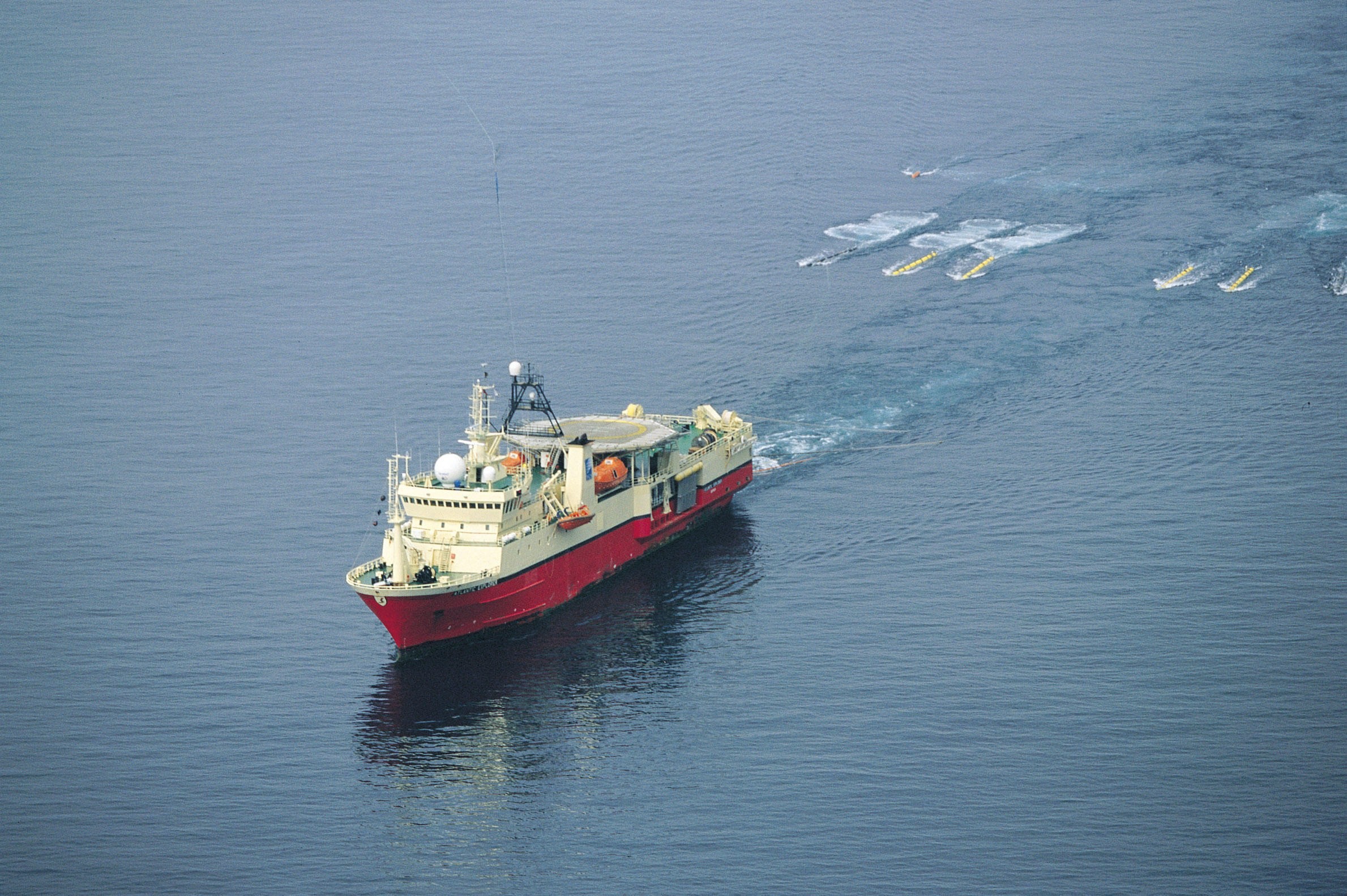
Even with a focus on sustainability, the Brazilian government faces criticism over the exploration of oil in the Equatorial Margin, a maritime area near the Amazon. The issue gained international attention just before COP30, after Ibama authorized Petrobras to conduct exploratory studies about 175 km off the coast.
According to estimates from the Energy Research Company (EPE), the region may hold up to 5.1 billion barrels of oil, which would increase national reserves by over 50%. Environmentalists, however, warn of the ecological risks of activity in a zone considered sensitive and of high biodiversity.
Lula responded to the criticism by stating that the energy transition does not mean an immediate abandonment of fossil fuels. “We already know that it is not necessary to turn off machines and engines or close factories around the world overnight. Science and technology allow us to safely evolve to a model centered on clean energies,” he asserted.
Advancement of Renewable Energies and Defense of Brazilian Ethanol
In his speech, the president highlighted the global advancement of renewable energies. In the first half of 2025, clean energy became the largest individual source of electricity generation worldwide, surpassing coal for the first time. Lula noted that the use of renewables tripled in the last decade and that Brazil is a successful example in diversifying its energy matrix.
He mentioned the country’s role as a leader in ethanol use and flex engines — technologies that have made Brazilian transportation less dependent on fossil fuels. “Our gasoline contains 30% ethanol in its composition, and our diesel includes 15% biodiesel. Ethanol is an effective and immediately available alternative for adoption in the most challenging sectors, such as industry and transportation,” he pointed out.
The president also lamented the postponement of measures to incentivize the use of clean fuels in maritime transport. “It is regrettable that pressures and threats have led the International Maritime Organization to delay this step,” Lula said, referring to the global debate on decarbonization in the sector.
Between the need to explore oil and the urgency of the energy transition, Lula’s speech at COP30 sought to balance economic pragmatism and environmental commitment. The country, which is already a global leader in renewable energy generation, is now trying to consolidate a leadership position in the dialogue between development and decarbonization.
“Without energy, there is also no digital connection, functioning hospitals, or modern agriculture,” the president stated, concluding his participation in the event with a tone of hope, but also realism about the challenges of global energy transformation.