






 Portuguese
  Spanish


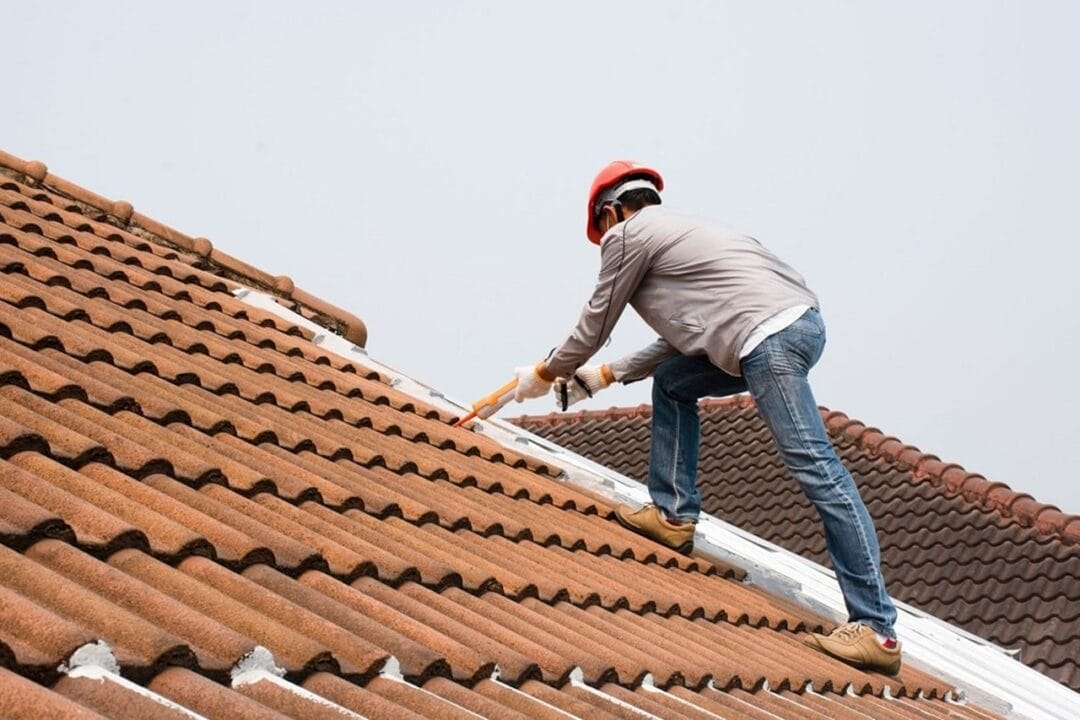
Cool Roof, Cool Home! Use Light Paint and Effective Insulation to Fight Heat. Tips for a Cooler and More Economical Home
If finding options to save energy in your home has become a challenge for you, it is essential to understand the crucial role that the roof plays in this aspect. As you already know, the roof is a key part of a house’s structure, but when it comes to saving energy at home, care for it is often neglected.
In fact, the heat that is wasted or absorbed through the roof can represent a very high percentage of total energy losses. Fortunately, there are very effective measures you can implement to improve your home’s energy efficiency.


The Importance of a Well-Sealed Roof
A properly sealed roof not only helps to conserve energy but also contributes to maintaining a more comfortable indoor environment and reducing heating and cooling costs. Why does this happen? During the hottest months of the year, for example, the sun heats the surface, causing the temperature of the roof to rise, transferring that heat into the interior of the house. When well sealed, it prevents heat absorption and keeps the house cool. In other words, by sealing a house’s roof, you prevent the escape of warm air in winter and cool air in summer, which helps maintain a constant internal temperature and reduces the load on heating and air conditioning systems.
-
MIT Scientists Develop Method to Transform CO₂ into a Construction Ally, Boosting Cement Strength by 13% in 24 Hours for More Sustainable Infrastructure

-
Canadian City Builds 8 Tiny Homes in 72 Hours for Homeless Youth, Plans 40 Affordable Houses for Female-Led Families Amid Housing Crisis

-
45-year-old Brazilian mother of 9 and grandmother of 12 receives 27 m² house made from recycled plastic, built in 15 hours with interlocking blocks and a recycled roof.
-
Ireland Installs 654 Modular Homes to Shelter 2,640 Ukrainian War Refugees, Offering a 60-Year Guarantee and a Model for Future Housing Crises


In this sense, the role that quality sealing products play in conserving energy is fundamental, as they form an effective barrier against the inflow and outflow of air, thus preventing energy losses. These products work because they are specifically designed to withstand adverse weather conditions and maintain their effectiveness over time, ensuring durable and efficient sealing.
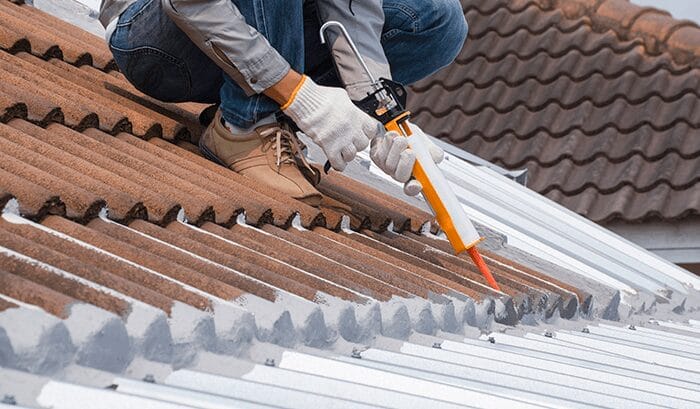
In addition to sealants, it is also important to pay attention to other elements of the roof that may result in energy loss, such as joints and cracks in the structure, the areas around chimneys, or skylights. Special mention should be made of roof insulation, which can be done using a variety of materials, such as fiberglass, rock wool, or expanded polystyrene. In short, with just a little attention to these weak points and using quality sealing products, one can significantly improve a home’s energy efficiency and reduce its environmental footprint.
Other Aspects Worth Remembering
Another way to reduce reliance on conventional energy sources and minimize energy losses at home is through harnessing solar energy. Solar panels installed on the roof can convert sunlight into electricity, providing a clean and renewable energy source. Additionally, solar panels can also help reduce the thermal load on the roof by absorbing part of the incident solar radiation, which contributes to maintaining a more stable temperature inside the home.
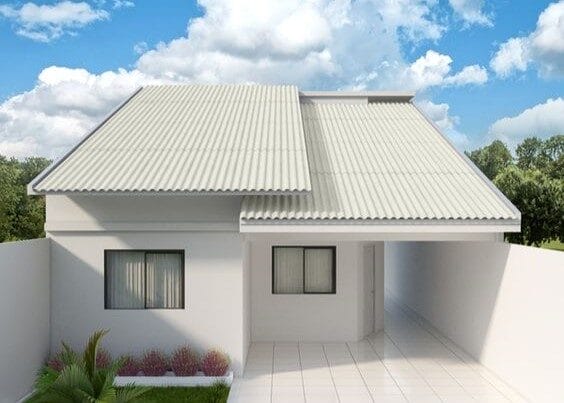
Saving Energy: Dark Roof Houses — A Factor to Consider to Keep Your Home Cool
It is important to consider that the color of the roof can also influence its ability to conserve energy. It has been proven that houses with dark roofs tend to absorb more heat from the sun, which can increase the thermal load inside the house and require greater use of cooling systems in the summer. To mitigate this effect, reflective coatings or light-colored paints can be applied to the roof, which will help reduce heat absorption and maintain a more comfortable temperature indoors.
In summary, preventing a home’s energy from escaping through the roof is essential for improving energy efficiency and saving energy at home. Using quality sealing products, harnessing solar energy, and considering the color of the roof can create a more comfortable, sustainable, and energy-efficient home.








Be the first to react!