






 Portuguese
  Spanish


An initiative in São Paulo combined recycling, modular technology, and social housing to create a sustainable housing unit of 27 m², using repurposed plastic, quick assembly structure, and environmental solutions designed for vulnerable communities.
In Carapicuíba, in the Metropolitan Region of São Paulo, a pilot house built with recycled plastic blocks addressed three urgent problems in Brazil on the same site: waste, precarious housing, and lack of quick solutions for vulnerable communities.
The project, called Sustainable Eco Seed Housing, was carried out by TETO Brasil in partnership with companies such as Fuplastic, Amanco Wavin, Esquadrisul, and Biosaneamento. The first unit was erected in the Porto de Areia community, a territory formed by recyclable collectors and monitored by the organization for over seven years.
The striking number is straightforward: the structure was assembled in 15 hours. According to TETO Brasil, the pilot house removed about two tons of waste from nature and was born with the ambition of becoming a reference for the construction of up to 1,000 homes in the country.
-
Ireland Installs 654 Modular Homes to Shelter 2,640 Ukrainian War Refugees, Offering a 60-Year Guarantee and a Model for Future Housing Crises

-
Sagrada Família Becomes World’s Tallest Church at 172.5 Meters, Surpassing German Church with Gaudí’s Design

-
Inspired by São Paulo’s Vila Reencontro, Rio Grande do Sul invests $8 million to provide 18 m² micro-homes for homeless families in four cities, offering amenities and up to two years of housing.

-
Brazil’s Piauí State Invests Over $2 Million in Road Restoration and Urban Asphalt Projects




27 m² House Replaces Tarpaulin and Plywood Shack in Carapicuíba Community
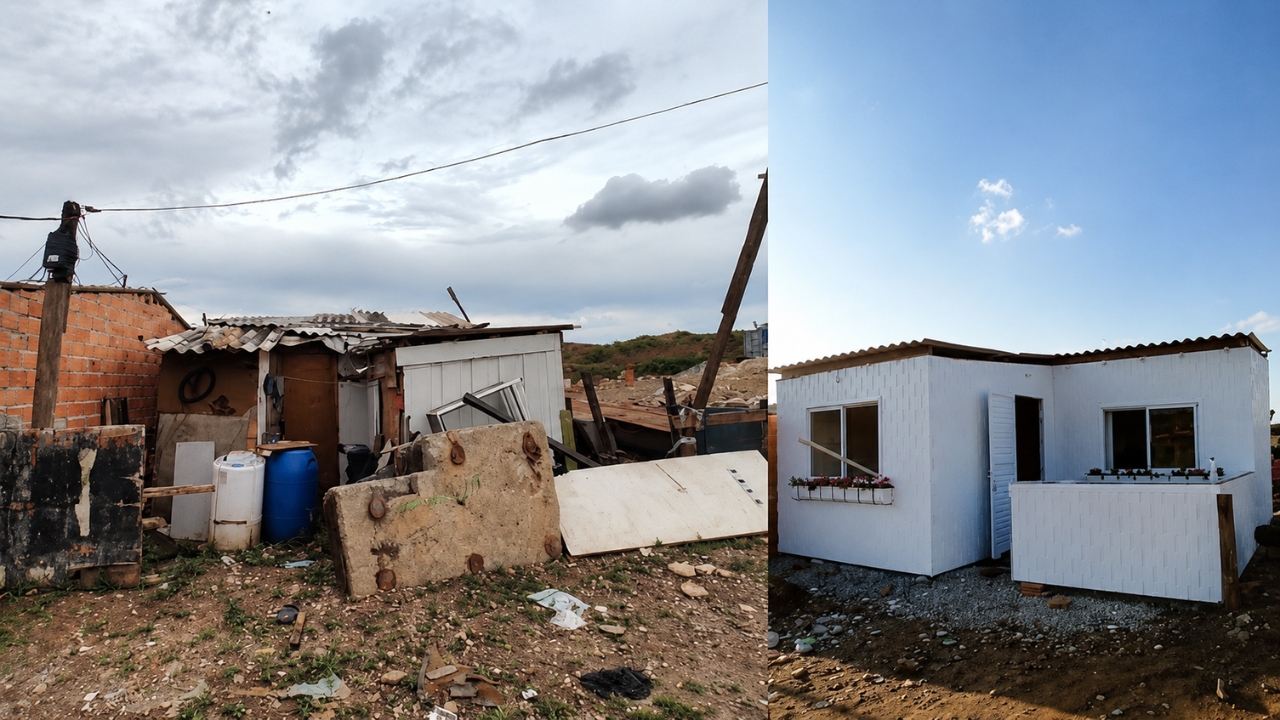
The first unit of the project was delivered to Rejane Alves de Souza, 45 years old, mother of nine children and grandmother of 12 grandchildren. According to TETO Brasil, she lived in the Porto de Areia community after losing her job due to health problems related to lumbar arthritis.
The housing is 27 m² and was designed with three areas: integrated living room and kitchen, bathroom, and bedroom. The structure also received doors, windows, plumbing, and electrical installation.
The central point of the proposal is not just the size of the house, but the type of construction. The unit was designed to replace fragile materials, such as tarpaulin and plywood, with a modular solution, faster to assemble and with repurposed plastic waste.
Recycled Blocks Work by Interlocking and Speed Up Construction
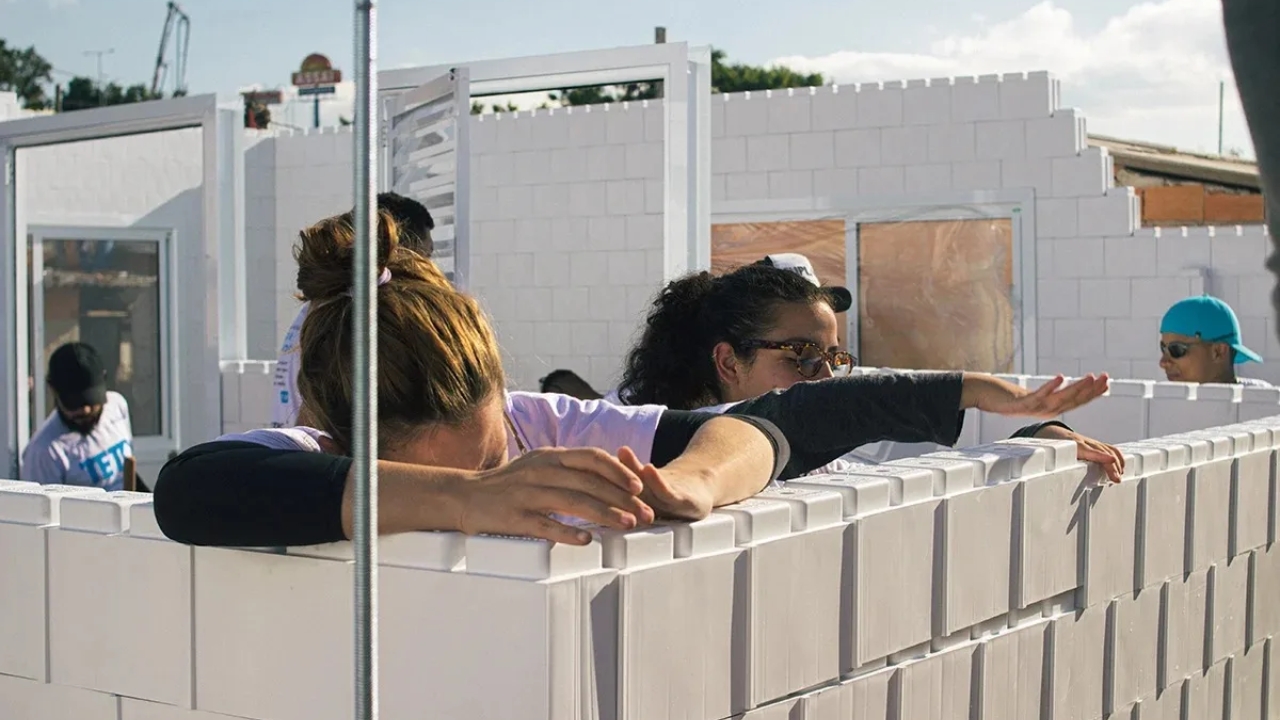
The technology used in the walls was developed by Fuplastic. The recycled plastic blocks work by fitting together, in a system compared to building blocks, which helps explain the speed of the construction.
According to information gathered by TETO Brasil, O São Paulo, Aranda, and Projeto Draft, the blocks are made with recycled plastic, especially polypropylene. Aranda also reported that the composition may include HDPE and recycled PP, with a formulation cited as 90% polypropylene and 10% high-density polyethylene.
Projeto Draft published that the Fubox block measures 20 cm by 10 cm by 15 cm. Another source cited in the investigation points out that each block can carry about 500 grams of recycled material.
In practice, plastic waste ceases to be just waste and becomes part of a housing structure. It is precisely this turnaround that transforms the agenda into something bigger than just a quick construction.
Sustainability goes beyond recycled plastic walls
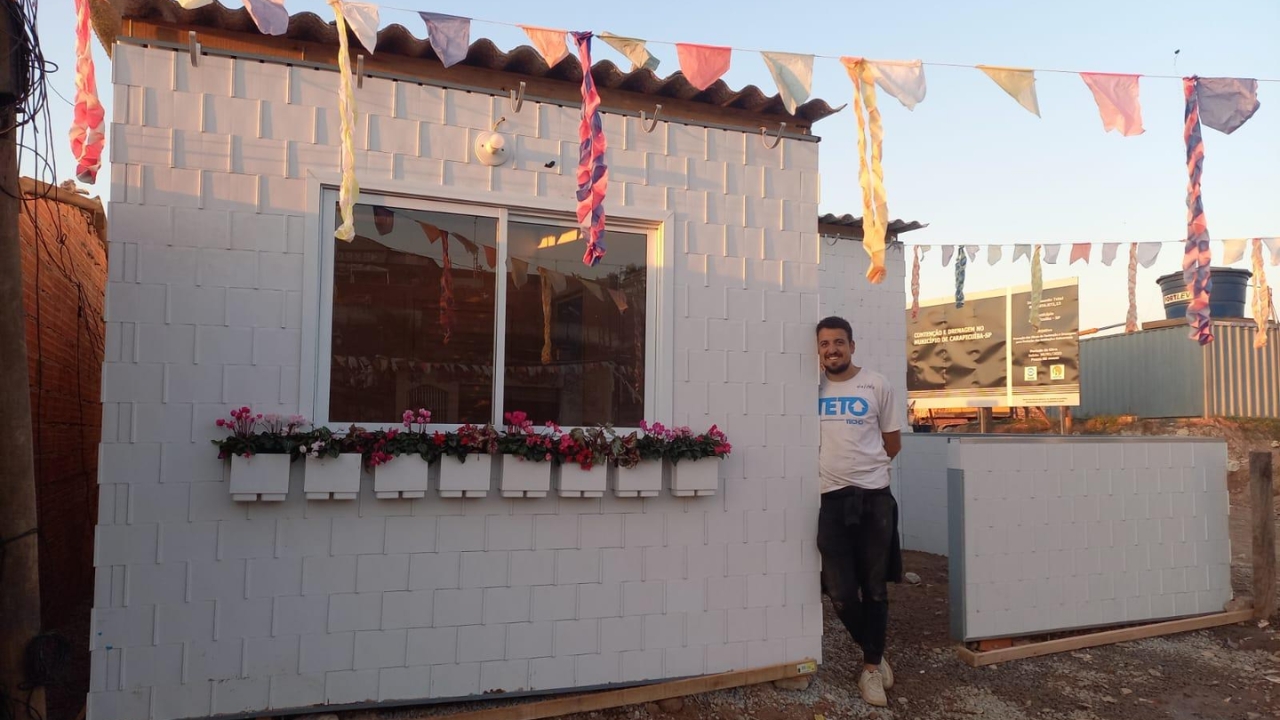
The pilot house did not use only recycled blocks. According to TETO Brasil, the roof was also made with 100% recyclable material, from packaging such as milk, juice, and toothpaste boxes.
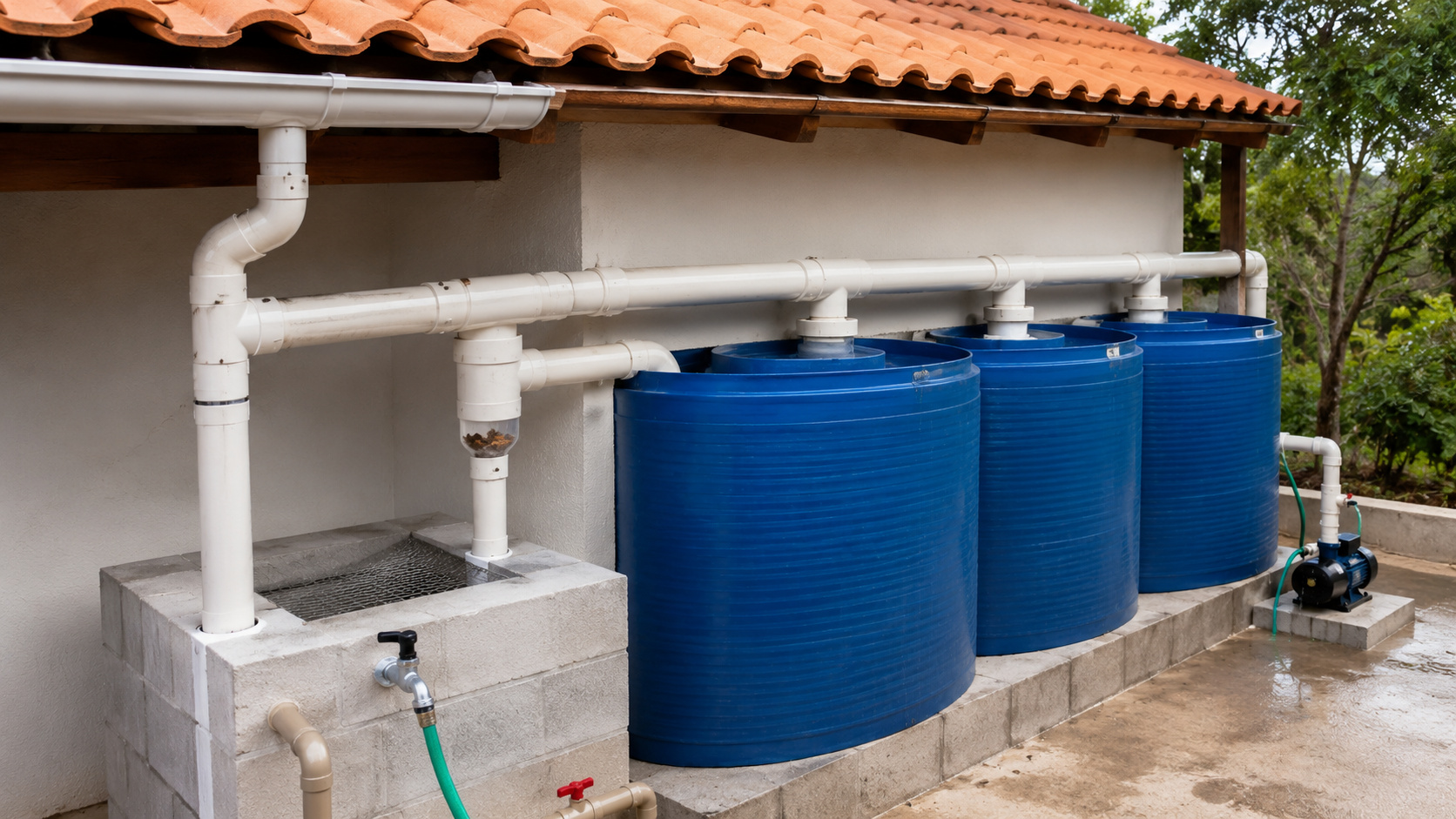
The unit also received a rainwater harvesting system, solar panels, and materials from Amanco Wavin for plumbing, sewage, cold water, gutters, and conduits.
Another important point was sewage treatment. Biosaneamento installed a system with a biodigester and infiltration trench, extending the environmental character of the project beyond the reuse of plastic.
With this, the Semente Eco Sustainable Housing combines rapid construction, waste reduction, and basic infrastructure solutions. The proposal is to show that affordable housing can also incorporate technologies related to sustainability.
Project advanced with new houses, but the goal of 1,000 units should still be treated as ambition


In July 2024, TETO Brazil reported the delivery of two new homes in the same Porto de Areia community. With this, the total mentioned at that time reached three houses delivered with this methodology.
Exame published that these two houses used 5,000 modular blocks and reused 2,500 kg of waste. This data reinforces the environmental impact of the proposal but also shows that the numbers can vary depending on the unit and the project stage.
Later, TETO itself reported that the partnership with the Airbnb Community Fund enabled six Semente Eco Sustainable Homes in Carapicuíba in 2024. In 2025, the collaboration advanced to another format, with 20 resilient homes in five states, but this program should no longer be automatically confused with the same model of house made with plastic blocks.
Therefore, the goal of 1,000 homes needs to be presented with caution. It appears in sources as the partners’ intention, not as a number already delivered.
A small house shows a big problem
The strength of this story lies in the contrast. A 27 m² house, assembled in 15 hours, reveals a challenge that spans the country: how to transform urban waste into real solutions for families living in precarious housing.
Sources like Ciclovivo, Revista Anamaco, O São Paulo, Exame, Aranda, Projeto Draft, and Saneamento Ambiental helped detail different parts of the project, from block technology to the expansion of deliveries in Carapicuíba.
The case does not solve the housing deficit alone nor eliminate the problem of plastic waste. But it points in a concrete direction: when technology, recycling, and social action meet, a community can stop receiving only promises and start testing, in practice, a new way to build housing.





Be the first to react!