Portuguese
  Spanish


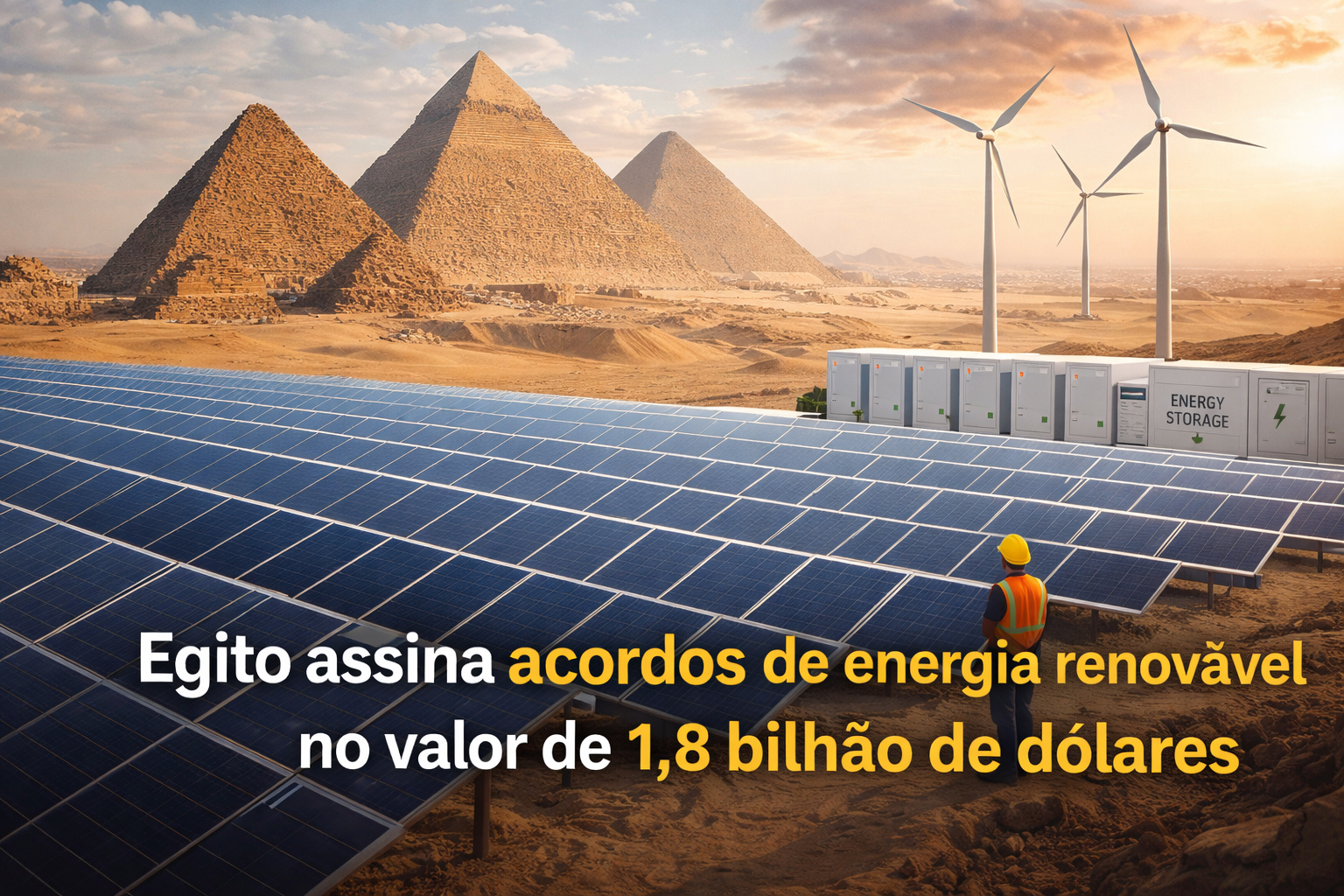

Egypt has taken an important step to transform its electrical matrix.
The government announced the signing of agreements totaling US$ 1.8 billion aimed at expanding renewable energy.
The package includes the construction of new plants and storage systems, as well as technology to enhance the stability of the national grid.
According to a statement from the Egyptian cabinet, the country aims to accelerate projects capable of reducing dependence on fossil fuels.
However, authorities claim that the pace will only be maintained with greater participation from international investors and financing institutions.
Ambitious Goal Depends on Global Cooperation for Renewable Energy
Egypt has set a goal to generate 42% of its electricity from clean sources by 2030.
Currently, a significant portion of the energy matrix still comes from natural gas and oil.
Therefore, the entry of new projects has become an absolute priority.
-
Brazil saved US$ 32.4 billion in 2025 by switching from fossil to renewable energy and only ranked behind China and the United States on the IRENA global podium.

-
Fired during apartheid and with a little borrowed money, an electrician started with a borrowed truck and transformed electrical services into a group connected to energy, real estate, and infrastructure in South Africa.

-
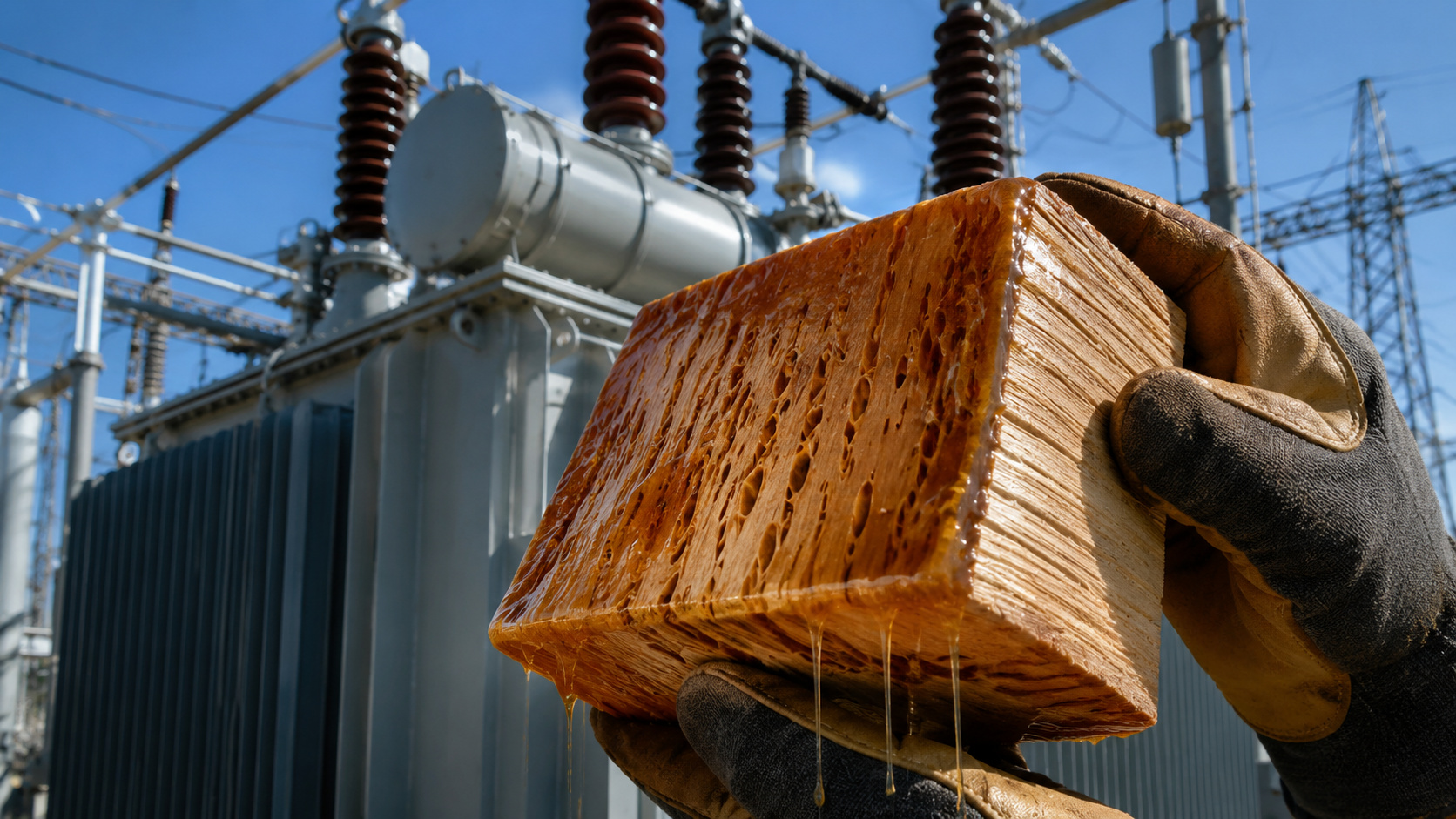
Wood has ceased to be just a construction material in Yale research and has become insulation for electrical transformers that face intense heat, aging, and increasing pressure from the renewable energy-powered grid.
-
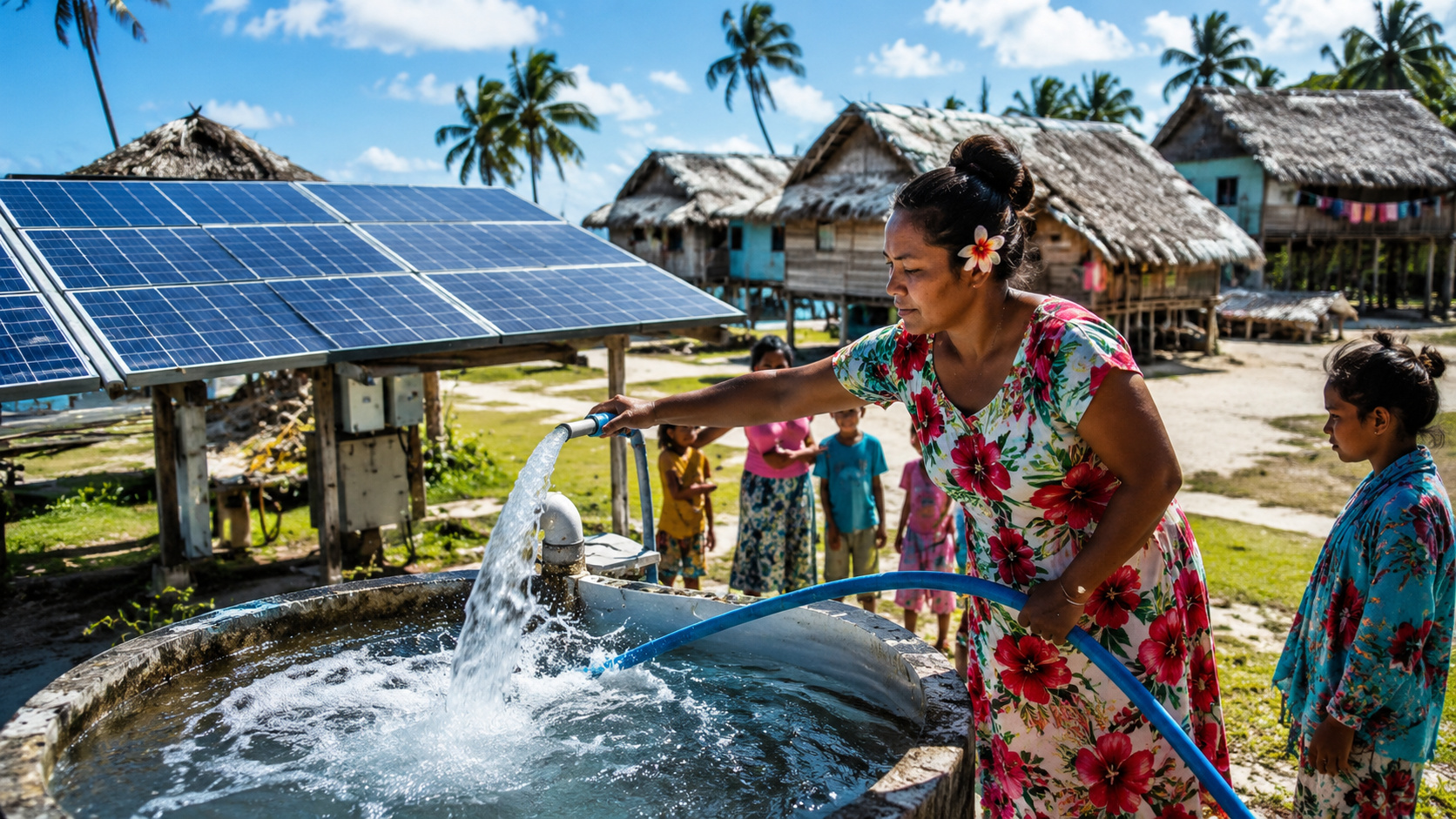
More than 1,000 residents of a remote island in Kiribati now have clean water and electricity with solar systems operated by the community itself.

Furthermore, government experts warn that the country may not reach this level without external resources.
At the same time, the energy transition requires regulatory updates and robust infrastructure for integrating solar and wind farms.
Scatec Leads First Announced Project
Among the contracts signed, the highlight is the partnership with Scatec, a Norwegian renewable energy company.
The company will build a new solar plant in the Minya region of Upper Egypt.
The project also includes storage stations with batteries to accumulate electricity during the day and provide a constant supply at night.
This stage is essential as it reduces production fluctuations and allows solar energy to provide continuous support to the electrical grid.
Consequently, the system becomes more secure and capable of serving remote areas that still face instability.
Economic and Environmental Benefits
Expanding renewable energy strengthens Egypt’s energy security.
As the country remains exposed to the volatility of international fossil fuel prices, investing in local and abundant sources reduces costs in the medium and long term.
Additionally, projects of this scale create jobs, stimulate supply chains, and attract foreign technology.
Therefore, the strategy boosts both economic development and the fight against emissions that accelerate climate change.
Egypt Aims for a Prominent Position in the Region
In recent years, the country has been positioning itself as an African hub for clean energy.
It has hosted global climate summits and created investment zones to take advantage of the solar and wind potential of the desert.
Still, the government acknowledges challenges.
The expansion relies on large-scale projects, efficient logistics, and long-term agreements, conditions that require political predictability and constant financing.
The agreements were announced by the Egyptian government in early 2026, totaling US$ 1.8 billion.
The first project will be built by Scatec, responsible for the solar plant and storage systems in Minya.
Authorities emphasized that the goal of 42% renewable energy by 2030 will only be achieved with global support.
Thus, the country strengthens its transition to a cleaner and more competitive economy, aligned with the environmental demands of the 21st century.