






 Portuguese
  Spanish
 4 min of reading
  0 comments


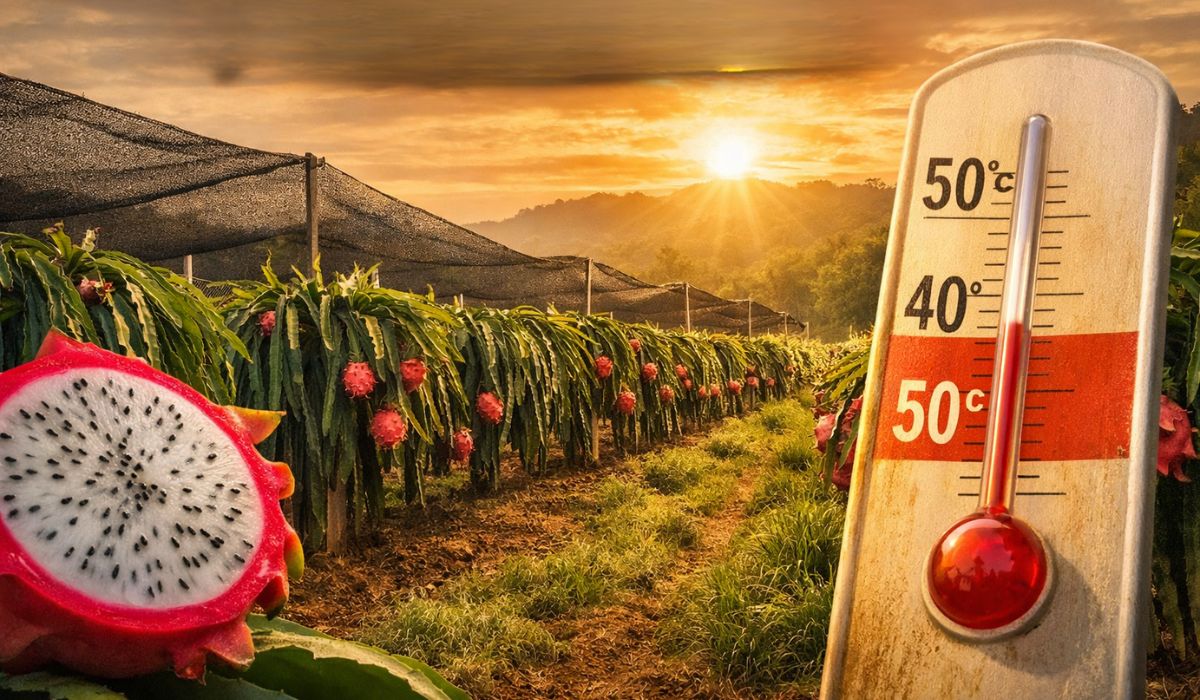
Heat Above 50°C, Losses in the Crop and the Bet on the Comeback of Pitaya in SC, with Adjusted Management, Plant Protection, and a Goal to Harvest 1 Ton in the New Crop in Itapiranga, in Western Santa Catarina.
After losing about 40% of the pitaya production due to the extreme heat last summer, the rural producer Dirce Hennig, from Itapiranga, in Western Santa Catarina, reorganized the management of the orchard and reinforced plant protection.
Now, she estimates to harvest about 1 ton of the fruit this season, according to information released by the portal ND Mais.
The property features more than 80 varieties of pitaya, including self-fertile plants and hybrids that depend on cross-pollination.
-
The urgent need to implement a severe cut in public spending and a massive increase in taxes, in addition to drastically compromising the quality of basic services and the purchasing power of the population, could result in social unrest in the country, with the population leading protests, strikes, and frequent disturbances.

-
FIRJAN’s mega plan of R$ 526.3 billion for Rio de Janeiro aims to revive Brazil’s largest industry, with two-thirds of the investments going to oil and gas.

-
China signals an increase in beef imports, Brazil has already consumed 70% of the 1.106 million ton quota and seeks to renegotiate the tariff that jumps from 12% to 55%, while demand from the US also skyrockets.
-
Food inflation rose 302% in 20 years in Brazil, but the supermarket changed: purchasing power yielded 87% more mortadella and 31% less fruit, and ultra-processed foods took over the cart.




With the resumption of cultivation, the producer states that the goal is to recover part of the losses recorded in the previous cycle, while maintaining direct sales to consumers at the farm.
Temperature in the Sun and Losses Before Harvest
Last summer, the temperatures in the sun in the cultivation area reportedly exceeded 50°C, according to the producer’s report.
The effect, she said, was immediate: part of the fruit was lost on the vine, before reaching harvest, and some plants showed burns and abortion, which reduced productivity.
Dirce, who is 42 years old, told ND Mais that this period was the hardest since she started planting.
The report is presented as a milestone for changes in management, especially in the areas most exposed to sunlight.
Technical publications from Epagri/Ciram indicate that, for the species Hylocereus undatus, temperatures above 45°C are considered limiting and can lead to plant death.

The same material includes management recommendations and mentions that shading is a relevant factor in the development of the crop, with a reference range indicated in the document.
Shade Cloth for Pitaya and Adjustments in Orchard Management
To reduce damage, the producer installed shade cloth, a mesh used to decrease direct sunlight exposure.
According to ND Mais, the protection has been combined with adjustments in management, aimed particularly at the varieties most sensitive to heat.
The reorganization included reevaluating care routines throughout the cycle, focusing on preserving flowers and fruit during the most vulnerable phases.
The strategy, according to the report, was adopted after the losses from last summer.
Orchard with 700 Plants and Nocturnal Manual Pollination
The cultivation in Itapiranga has about 700 plants, with approximately 300 in the productive phase, according to ND Mais.
The diversity of the orchard requires different management strategies, as some varieties produce fruit by self-fertilization while others depend on cross-pollination.
In species that require cross-pollination, Dirce performs manual pollination during the night.

According to the published report, the activity starts after 8 PM, when the flowers open, and it is considered essential for achieving larger fruits with a more uniform quality.
The nocturnal management is associated, in ND Mais’ text, with the short period of flower opening, which concentrates the work in a specific window.
In the cited technical material from Epagri, pollination is one of the topics addressed to enable production under commercial conditions.
Direct Sales of Pitaya and Supplemental Income at the Farm
The story with pitaya, according to the producer, started for practical reasons.
To consume the fruit, she needed to travel more than 20 kilometers, which led to the planting of the first seedlings and, later, the expansion of the area.
With the increase in the number of varieties, pitaya began to generate supplemental income for the family.
Still, raising pigs and producing milk remain the main sources of income, while the fruit has become an additional activity, as described in the report.
The initial investment reported was around R$ 5,000, using existing structures on the property.
Today, the kilo of pitaya is sold for R$ 15, and the seedlings are also sold for a similar price, according to the producer to ND Mais.
Sales occur directly at the farm, with demand associated with the diversity of colors and flavors available in the orchard.
In the text, pitaya is referred to as “Instagrammable fruit,” a term used to describe the striking appearance of some varieties.
Hybrids of Pitaya, Cost of Seedlings and Goal of 1 Ton
Even after the losses from last summer, the producer maintained plans to expand cultivation.
She continues to invest in new varieties and hybrids, and states that some seedlings can cost up to R$ 200 each, including shipping.
In addition to buying seedlings, Dirce is also trying to develop her own crosses, according to ND Mais.

The idea, as presented in the report, is to increase the diversity of the orchard and improve the performance of some plants, within what management allows.
The projection for the crop is to harvest about 1 ton of pitaya.
The estimate, according to the producer, is based on the adjustment of management and reinforcement of protection against direct sunlight, after the losses reported in the previous cycle.
She also stated that, with proper management, it is possible to harvest pitaya in less than a year and that, under ideal conditions, production can begin seven months after planting.
This information was presented as part of the field experience reported by the producer.
Commenting on the period of losses, Dirce told ND Mais: “Giving up was never an option.”





-

1 person reacted to this.