






 Portuguese
  Spanish


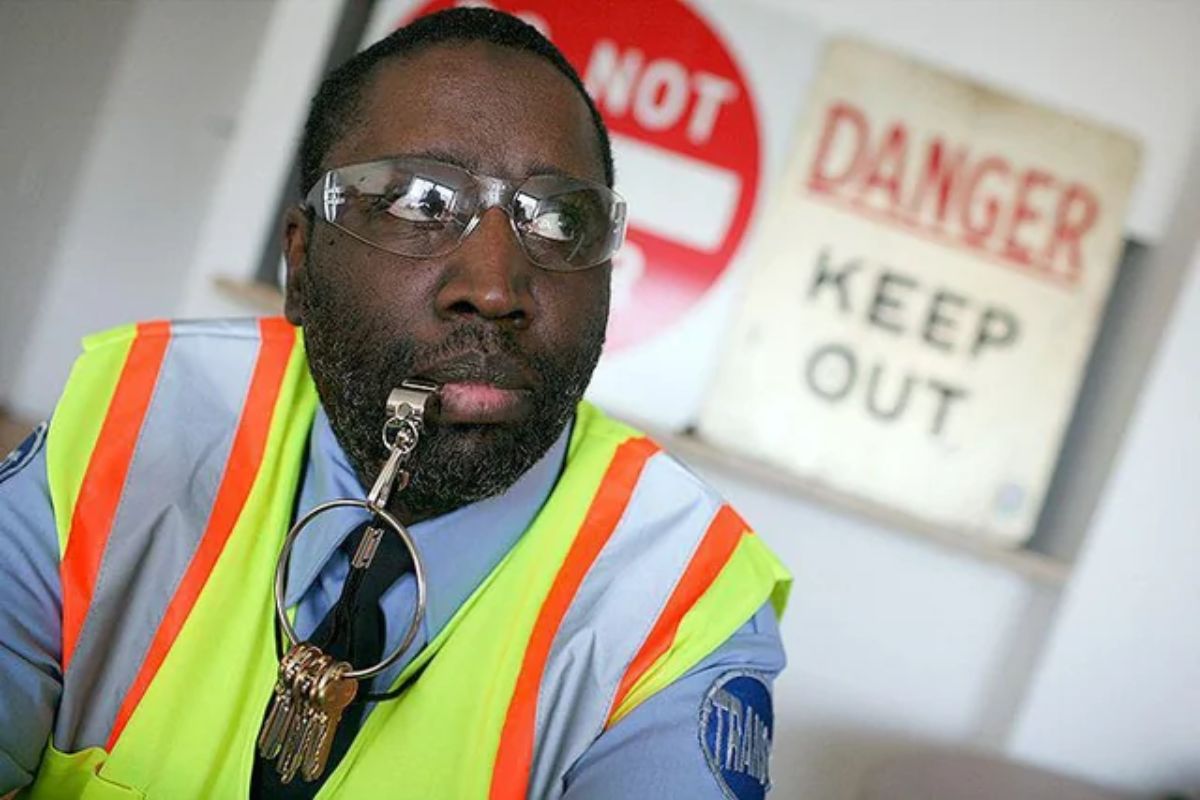


In 1980, at age 15, Darius McCollum drove a New York City subway train in Manhattan, from 34th Street to the World Trade Center, with stops and announcements. Barred from entering the MTA, he took more than 100 vehicles, hosted union delegates, and is now in prison, facing 15 years.
A name has become a legendary figure in the subway of New York: Darius McCollum. He covered shifts, was punctual, executed procedures precisely, and even earned respect in the MTA environment, to the point of being nominated as a union delegate despite having no formal ties and a history of arrests.
The contradiction exploded when the administrative identity did not exist. The celebrated operator became a recurring defendant, migrating between arrests and prison, and today awaits a new trial that could impose up to 15 years after decades of taking trains and buses in New York.
The Train Taken at Age 15 and the First Break in the Subway

In 1980, Darius McCollum, then 15, took control of a subway train in Manhattan and drove it from 34th Street to the World Trade Center.
-
Brazilian Woman Transforms Ambulance into Solar-Powered Mobile Home for Remote Work and Travel Adventures

-
Oil Company Robots Discover 3,300-Year-Old Canaanite Shipwreck in the Mediterranean, Proving Ancient Mariners Navigated Open Seas by Stars Long Before Historians Thought

-
Facing high rent costs in Brazil, couple swaps apartment for life on a sailboat, reducing expenses significantly.

-
Avoiding the rental cycle, 26-year-old transforms school bus into a solar-powered mobile home for road living, spending up to $35,000 on renovations.


He stopped at all stations, allowed boarding and disembarking, made announcements, and kept to the schedule, performing what a conductor would need to do in the daily operation of the subway.
The impeccable performance, combined with the fact that he looked too young, led passengers to call the police.
When stopped and questioned about who the conductor was, he responded casually: “It’s me.”
The New York Transit Authority was perplexed, not only by the risk but by how a 15-year-old managed to drive a subway train without being noticed.
Attempt to Enter the MTA and the Closed Door Due to Criminal Record

After his first arrest, Darius McCollum tried to work legally for the MTA at ages 17 and 18. The attempt failed because his criminal record prevented hiring.
The formal blockage did not end the cycle; it merely pushed the case into a prolonged sequence of invasions.
During the 1980s and 1990s, Darius McCollum hijacked more than 100 trains and buses, impersonated an employee, and even participated in a strike of MTA workers without being an employee.
The pattern repeated itself on the same stage: the New York transportation system, especially the subway, where he moved as if he belonged to the operation.
How He Covered Shifts and Became a Reference Without a Record in the Subway

The point that most exposes the operational failure is the normality with which he entered and exited the role.
He covered shifts for drivers who could not show up, arrived on time, and performed tasks “impeccably,” without complaint.
This behavior reinforced informal trust within the MTA ecosystem, even without an existing link.
How did he manage to take the wheel of buses and trains? Directly: the vehicles were there with doors open.
He would enter, start the engine, and drive away. No one suspected because everything seemed perfectly normal in the flow of the subway and New York transportation, and his presence was already “compatible” with the scenario.
2012: Evacuation, Arrest, and the Turn That Hardened the Case
In 2012, he saw a train making an emergency stop. Darius McCollum jumped onto the tracks and evacuated passengers safely, following MTA protocols.
The gesture ended in prison: an employee recognized his photo on a wanted poster and reported him to the police.
The sentence was five years.
The case took on harsher contours because the 2012 episode consolidated the image of someone who understood the routines and vulnerabilities of the New York subway system, even in critical situations.
Maximum Security and the Suspicion of Risk of Cooperation with Terrorists
During incarceration, Darius McCollum helped the government address security deficiencies in the New York transportation system.
He identified vulnerabilities and suggested how security could be improved. According to reports, the MTA implemented and followed the recommendations.
After that, he was returned to a maximum-security prison.
The stated justification was that he could be easily manipulated and, therefore, cooperate with terrorists.
In practice, the institutional response was to tighten his prison regime precisely because of his level of familiarity with the subway and operational standards.
Asperger, Trauma at 12 Years, and Transport as Refuge
Later, Darius McCollum was diagnosed with Asperger’s syndrome.
The history includes an event at age 12: a classmate stabbed him in the back with scissors to steal a game.
Traumatized, he began to skip school and found refuge in subway stations.
The public transportation system of New York became a routine, a world, and an obsessive focus.
The case is described as an example of a failure of mental health care in a healthcare system deemed entirely private and with little response to compulsive behavior linked to the subway.
From “Threat to Society” to New Trial Facing 15 Years
In 2018, he was declared a “threat to society” and sent to a psychiatric hospital for violent offenders, without receiving therapy for the described compulsive behavior.
Years later, he was released, but without financial resources he returned to the streets and stole another city bus.
Today, Darius McCollum remains in prison awaiting a new trial, with the possibility of being sentenced to 15 years.
The case mixes operational execution in the New York subway, control failures in the MTA environment, and a personal trajectory marked by trauma, diagnosis, and repetition.
What weighs more for you in this subway case: the MTA’s security failure, the lack of therapeutic care, or the fact that he became a union delegate without a record?




Esse ser humano merece ser ajudado,seguindo o exemplo dado por Jesus Cristo, ter misericórdia de todos os que precisam!
O CARA É UM GENIO DA UMA CHANCE A ELE PROVAR SEU VALOR
Se fosse no Brasil já era presidente da República…
Fato, tivemos um chefe de milícia carioca ,acusado de terrorismo contra o exército como presidente recentemente