






 Portuguese
  Spanish


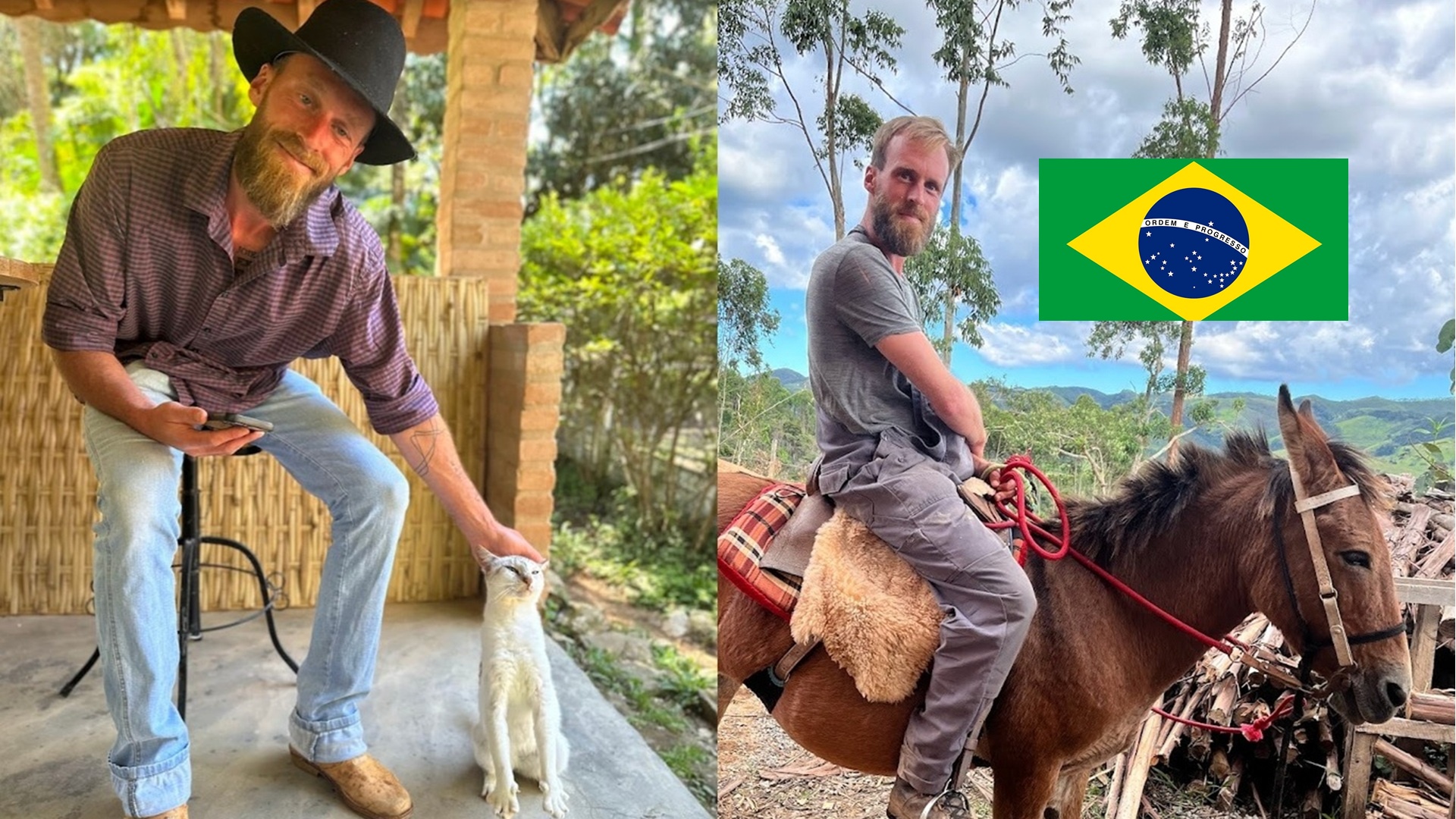


The Trajectory of Bartel Van Kerckhove, Known as Barba, Exposes the Bastions of a Migration Begun in 2018, Marked by Professional Break, Conscious Choice for Rural Life, Construction Without Basic Infrastructure, Cultural Adaptation, Language Learning, Comparison Between Brazil and Belgium and Community Integration in the Interior of São Paulo, Near the Bocaina National Park
In 2018, the Belgian Bartel Van Kerckhove decided to leave Europe permanently and start a new chapter of life in Brazil.
A social worker in his home country, he abandoned his career, moved to the rural area of São Paulo, and began living on a property built from scratch, without basic infrastructure.
He gave an exclusive interview to CPG, in which he detailed the process of moving to Brazil, adapting to rural life, the challenges faced with language, culture, and bureaucracy, as well as family choices and long-term plans in the country.
-
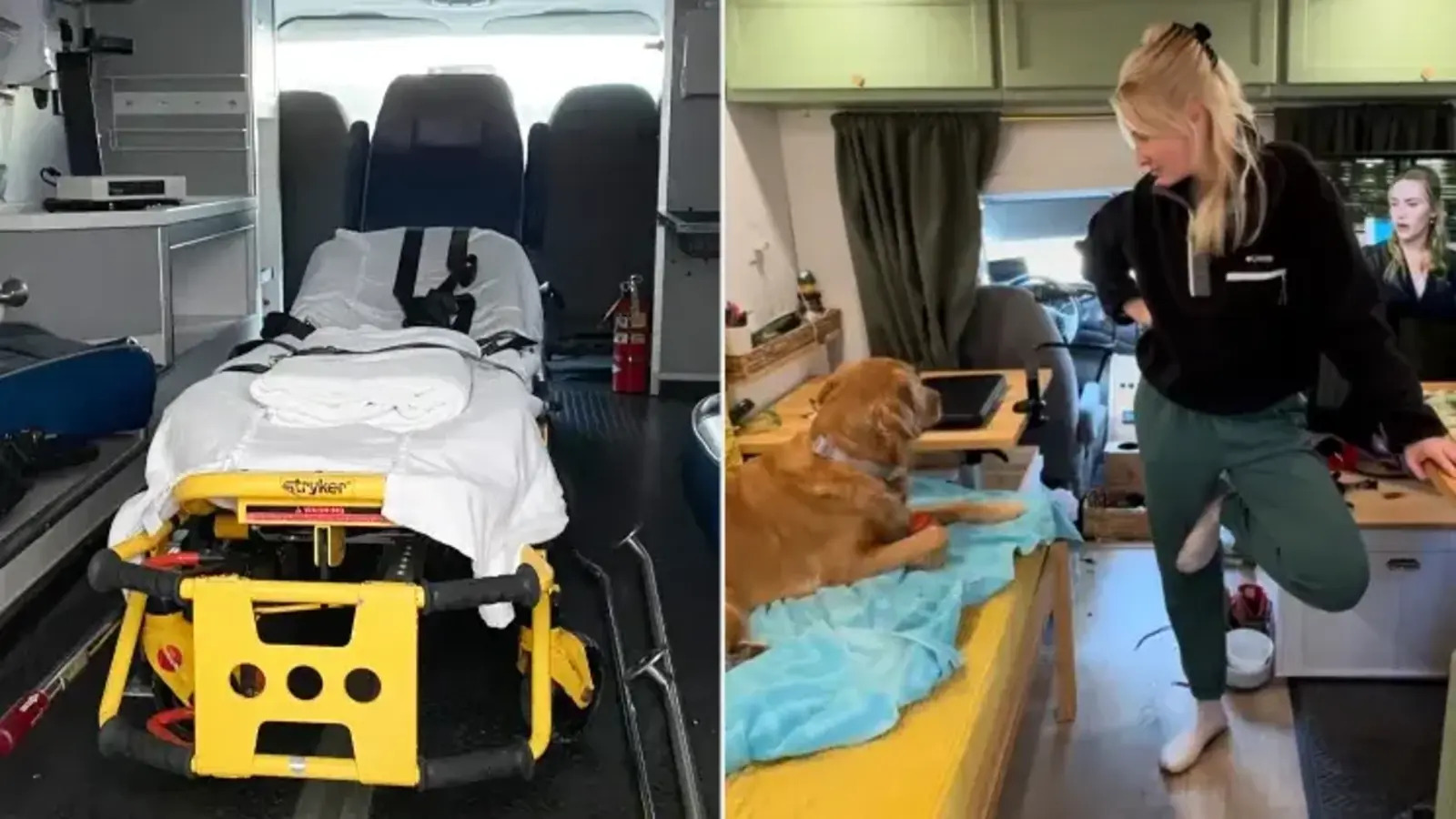
Brazilian Woman Transforms Ambulance into Solar-Powered Mobile Home for Remote Work and Travel Adventures

-
Oil Company Robots Discover 3,300-Year-Old Canaanite Shipwreck in the Mediterranean, Proving Ancient Mariners Navigated Open Seas by Stars Long Before Historians Thought

-
Facing high rent costs in Brazil, couple swaps apartment for life on a sailboat, reducing expenses significantly.

-
Avoiding the rental cycle, 26-year-old transforms school bus into a solar-powered mobile home for road living, spending up to $35,000 on renovations.


The Decision to Leave Belgium and Break with Professional Life in Europe
Even before choosing Brazil as a destination, Bartel was already considering leaving Belgium. According to him, professional fatigue accumulated over the years as a social worker was a decisive factor for the change.
The job involved constant disputes against the government and the legal system, which caused frustration and exhaustion.
Initially, the idea was to migrate to another European country. Norway and Switzerland were among the options considered, mainly for offering quality of life and climate conditions more compatible with his habits. At this moment, Brazil was not yet seen as a definitive destination.
The change in plans occurred after meeting his wife, a Brazilian, and deciding to visit her in Brazil. The trip was temporary and involved tourism, learning, and the possibility of doing some work before returning to Europe.

The Journey to Brazil and the Decision to Stay Permanently in the Country
The couple did not initially plan to stay in Brazil. However, over time, questions arose about returning to Belgium or moving to another European country, where they would both be foreigners and would have to face unfamiliar bureaucracies.
In light of this scenario, the couple decided to stay in Brazil and try to build a new life in the country.
The decision was influenced by the prospect of starting their own project and the perception that, in Brazil, there would be more room to experiment with a new lifestyle.
The Initial Project with Artisanal Cheese and the Choice for Rural Life
The couple’s first idea was to work with cheese production, specifically sheep’s milk cheese. Bartel already had experience raising sheep in Belgium, where he worked for years with meat sheep. His wife showed direct interest in cheese production.
Despite the European tradition in this sector, the couple evaluated that starting this type of project in another country in Europe would be difficult for two foreigners. In Brazil, they saw the opportunity to attempt the same project with fewer barriers.
Bartel states that he has never liked living in large cities. Even in Belgium, he always lived in rural areas or small towns. The urban environment, marked by noise, stress, and an excess of people, has never been compatible with his lifestyle.
View this photo on Instagram
The Choice of Cunha and the Search for Climate, Cost, and Space
As the artisanal cheese market in Brazil is stronger in the states of Rio de Janeiro and São Paulo, the couple focused their search in these regions.
The climate was a determining factor, as Bartel reports difficulty in dealing with intense heat.
Campos do Jordão was considered but the high land prices made the choice unfeasible. The alternative found was Cunha, in the interior of São Paulo.
After researching land online, the couple rented a car, visited the region, and found the place where they currently live.
The Period in Rio de Janeiro and the First Difficulties with the Language
Before settling permanently on the property, Bartel spent a period in the interior of Maricá, in Rio de Janeiro, at his father-in-law’s house. He describes this period as particularly difficult, mainly because of the language barrier.
Without speaking Portuguese, Bartel reported having difficulty practicing the language, as many people were hesitant to talk to him. This limitation made initial integration difficult and increased the feeling of isolation.
Adaptation in the Country and Practical Learning in Daily Life
The adaptation began to consolidate after the move to the property in Cunha. Bartel began to work daily with a local helper, which facilitated his Portuguese learning and understanding of the region’s customs.
According to him, Brazilian rural life has similarities with what he knew in the small towns of Belgium, especially regarding the sense of community. This familiarity made the adaptation more natural for him than for his wife, who is from Rio de Janeiro.
Subsistence Production and the Reality of Working in the Fields
On the property, the family raises cattle, pigs, chickens, turkeys, and angolans. The production is mainly for personal consumption. When there is excess, part is sold, but the activity does not represent the main source of income.
Bartel emphasizes that living exclusively off agriculture is difficult, both in Brazil and in Belgium. In Europe, changes in legislation have made the activity financially unviable, with rising costs and legal requirements.
In Brazil, he considers rural production more feasible in daily life, especially when directed towards subsistence. His previous experience with animal husbandry has facilitated adaptation to the new context.

Construction Without Infrastructure and the Structural Challenges
One of the couple’s biggest challenges was the total lack of infrastructure on the acquired land. The property had no electricity, water, or house. Everything needed to be built from scratch, with manual labor and continuous learning.
Bartel reports that, in Belgium, he was used to dealing with electrical, hydraulic systems, and industrialized services. In Brazil, the reality was different, requiring local solutions and adaptation to unfamiliar methods.
The lack of command of the language worsened the difficulties at the beginning, as it was not easy to ask for guidance. Over time, learning came through living with local workers.
Language, Culture, and Bureaucracy in the Adaptation Process
Bartel points to language, culture, and bureaucracy as the main challenges of the move. Portuguese, according to him, is not an easy language, but his familiarity with languages allowed for relatively quick learning.
In terms of culture, he reports having more difficulty adapting in Rio de Janeiro. In the rural area, he considers the culture closer to that which he knew in Belgium, especially because of the sense of community.
Regarding bureaucracy, he assesses that the problem is not exclusive to Brazil. With experience in assisting refugees in Belgium, he states that European migration processes are also complex and require autonomy or high costs for lawyers.
Community, Nature, and the Comparison Between Brazil and Belgium
Bartel highlights the receptiveness of the people in the community where he lives. According to him, in Brazil, especially in the rural area, there is more openness and willingness to help, while in Belgium relationships tend to be colder.
The main difference, however, lies in space and nature. The family’s property has nine hectares, something unfeasible in Belgium due to high land prices. He lives near the Bocaina National Park, whose size is equivalent to two Belgian states.
The tranquility of the place, the absence of noise, and the freedom afforded to his daughter are cited as central factors for the family’s quality of life.
Future Plans and the Decision to Stay in Brazil
The future plans are described as simple. The couple intends to gradually improve the property, save money for their daughter’s future, and continue working to maintain a life considered good for the family.
Bartel states he has no desire to return to Belgium. Although he does not totally rule out that possibility in the future, he says his life is in Brazil, where he feels part of the community and has built solid roots.
The family has lived on the property for about four years. The house is ready, but still needs improvements. The property is also undergoing constant transformation, in a gradual process that reflects their conscious choice for a step-by-step life in the Brazilian interior.
Currently, Bartel has also started recording and sharing his daily routine in the countryside through social media, especially on Instagram, where he publishes videos about work in the fields, construction, tools, and daily life on the property.
The content is shared on the profile @gringodasferramentas, under the name “Barba | The Tool Foreigner”, expanding the reach of his experience in Brazil and connecting his rural life to an audience interested in this type of content.


Interessante a história. Prova de que a imensidão brasileira tem oportunidade para aqueles que querem superar desafios.