Portuguese
  Spanish


Fires, mining, pollution, and critical minerals surround electric car batteries, as experts explain which concerns are legitimate and which ignore the technological evolution of the sector.
The batteries of electric cars remain at the center of an intense debate about safety, mining, environmental impacts, and global supply chains.
The growth in sales has made these discussions even more relevant in 2026, especially after the global oil crisis caused by the war in Iran.
Data from the International Energy Agency (IEA) shows an increase of approximately 75% in sales in Latin America.
-
In Andradina, in the interior of SP, a tannery transformed tilapia skin that slaughterhouses used to throw away into exotic leather for bags, shoes, and even wedding dresses, producing about 2,000 pieces per month and exporting to seven countries, proving that fish waste has become high-value fashion.

-
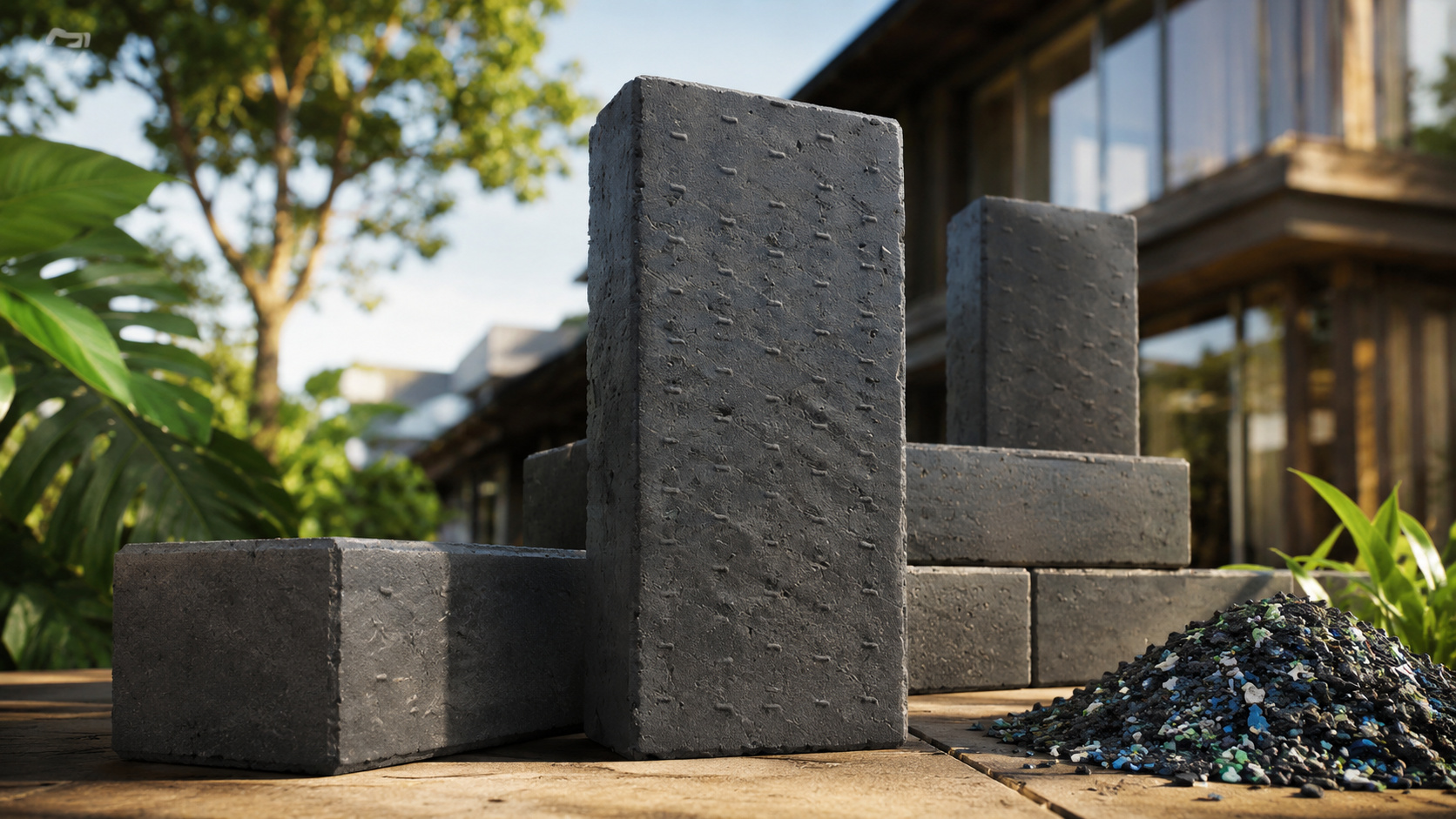
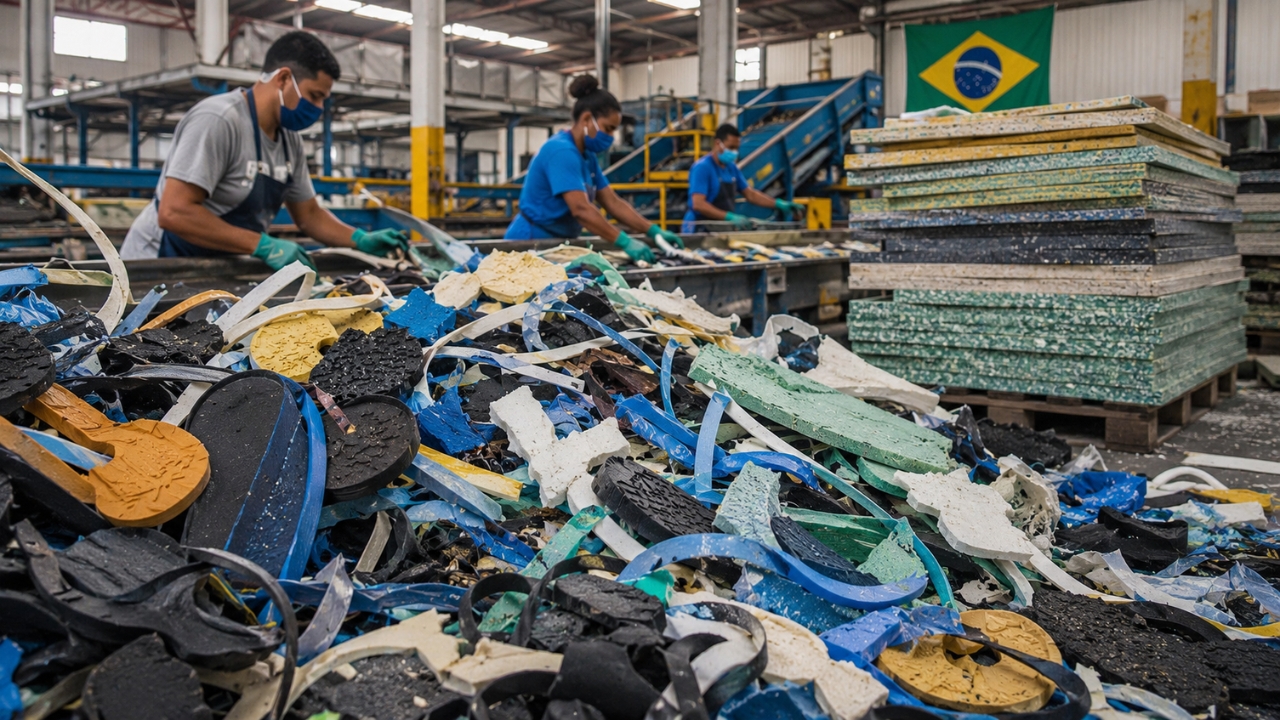
The industrial waste that even recyclers didn’t want has gained value in the interior of Bahia: two entrepreneurs invested R$ 2.8 million to transform 350 tons per year of foam, rubber, and plastic into boards that can replace wood and MDF.

-
What is a red flashlight used for, after all? See why it is so commonly used at night.

-
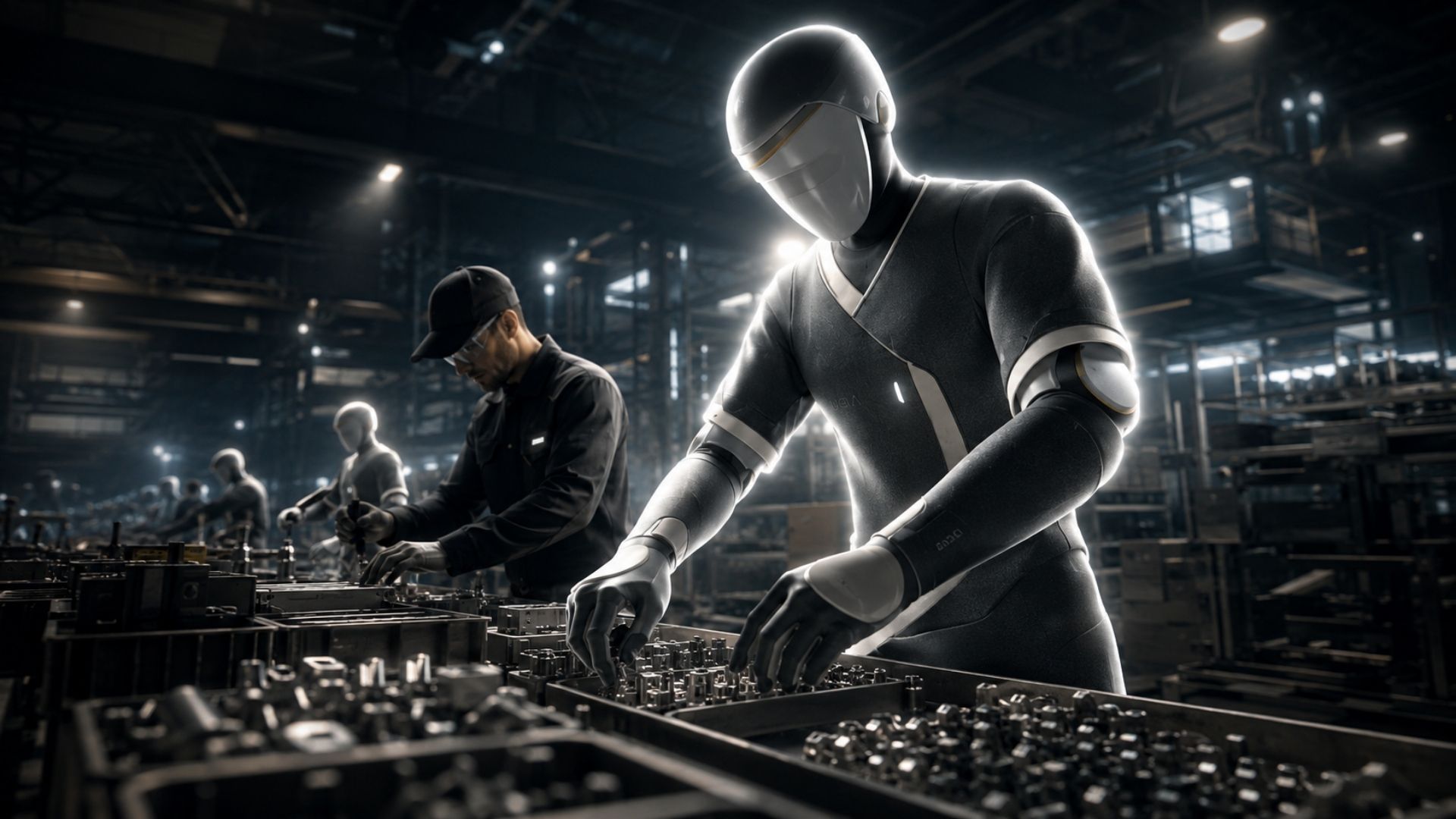
He has never read a line of code, but he already knows how to work: the French company UMA presented in Paris the Northstar, its first AI-powered humanoid robot designed for factories and warehouses, capable of copying tasks just by observing an employee in action.


Europe recorded an advance of nearly one-third, while Australia showed an increase of over 150% in April 2026.
The Asia-Pacific region also grew 80% in the first quarter, not considering China, where the pace of expansion began to stabilize.
Growth of electric cars accelerates amid oil crisis
The executive director of the IEA, Fatih Birol, stated in May 2026 that record sales offer relief in the face of the global oil shock.
The drop in battery prices is also expected to boost the market in the coming years.
Batteries remain, however, the most expensive component of an electric vehicle.
This cost helps explain why safety, durability, and the origin of materials remain among the main points of attention.
Are fires in electric cars really more common?
One of the most frequent criticisms involves the risk of fires in lithium-ion batteries.
Such cases may require specific firefighting methods and present greater difficulty in control.
Experts emphasize, however, that vehicles with combustion engines have a higher propensity for fires.
Public perception is often amplified by the visual impact and the repercussion of occurrences involving electric cars.
Can the weight of batteries destroy roads?
The high weight of batteries is also pointed out as a possible cause of pavement damage.
Researchers contest this direct association.
The large trucks continue to be considered the main culprits for the wear and tear on highways.
The impact caused by light vehicles, even electrified ones, represents a much smaller portion of this problem.

Cobalt mining exposes worrying conditions
The use of cobalt and nickel raises concerns related to mining and working conditions.
The Australian program Spotlight investigated, in March 2026, mines controlled by Chinese companies in the Democratic Republic of the Congo.
The report showed workers in precarious conditions, the presence of children, and areas subjected to heavy pollution.
The material linked these problems to the manufacturing of batteries for electric cars and energy storage systems.
Cobalt-free batteries are already gaining ground in the industry
Experts criticized the report for not highlighting an important transformation in automotive technology.
Many automakers have started using lithium iron phosphate batteries, known as LFP.
This composition does not use cobalt, reducing costs and ethical issues linked to the mineral’s extraction.
David McElrea, executive director of the Smart Energy Council, also points out that cell phones, tablets, and notebooks use cobalt.
According to him, public debate usually focuses criticism only on electric vehicles.
Sodium batteries can reduce the use of critical minerals
Professor Neeraj Sharma, from the University of New South Wales, highlights the advancement of sodium-ion batteries.
This technology eliminates the use of lithium and can reduce dependence on minerals considered strategic.
Manufacturers are also abandoning cobalt due to its high price, toxicity, and the ethical dilemmas involved in its production.
Mineral reserves are sufficient, according to the IEA
The Fraser Institute stated in 2023 that around 400 new mines would be needed to meet future demand for electric vehicles.
The Global EV Outlook 2026 report by the IEA presented a different conclusion.
The known geological reserves would be sufficient to meet long-term demand, even with the reduction of fossil fuel-powered vehicles.
The concentration of battery manufacturing in China, however, continues to pose a risk to global supply chains.
Legitimate criticisms demand transparency
The expert Vlado Vivoda, from the University of Queensland, acknowledges that issues related to mining, waste, and working conditions are real.
The impacts on the soil, mineral processing, and the concentration of supply chains also require attention.
The comparison between clean technologies and fossil fuels needs to be made transparently and balanced.
The energy transition should not present batteries as a perfect solution.
The priority should involve recycling, monitoring, community protection, and improvement of supply chains.
Do you believe that new cobalt-free and lithium-free batteries will be able to reduce the impacts of electric mobility? Leave your opinion in the comments!