Portuguese
  Spanish


The participation of electrified cars produced in Brazil soared in May and already shows how automakers’ investments are beginning to change the weight of the local industry in segment sales.
Electrified cars manufactured or assembled in Brazil accounted for 39% of segment sales in May 2026, a leap that shows the rapid change in the industry in the country. A year ago, this share was only 6%, which clearly shows how local production has gained ground in a short time.
The data was released by the Brazilian Electric Vehicle Association, ABVE, and comes amid the expansion of electromobility in the Brazilian market. The advance did not come alone: it accompanies new investments from automakers and a strong increase in the supply of national models.
In May, the country registered 44,981 light electrified vehicles licensed, the highest volume ever seen for the month. Compared to May 2025, the growth was 170.3%, while the presence of models made in Brazil helped reduce dependence on imports.
-
Renault Kwid Outsider 2023: Affordable Used Hatchback with 1.0L Engine, 15.7 km/l Efficiency, and Ample Cargo Space for Around $11,000

-
Chevrolet SUV Offers 153 hp Engine, 620 km Range, and ADAS Features at a Lower Price Than a New Kwid

-
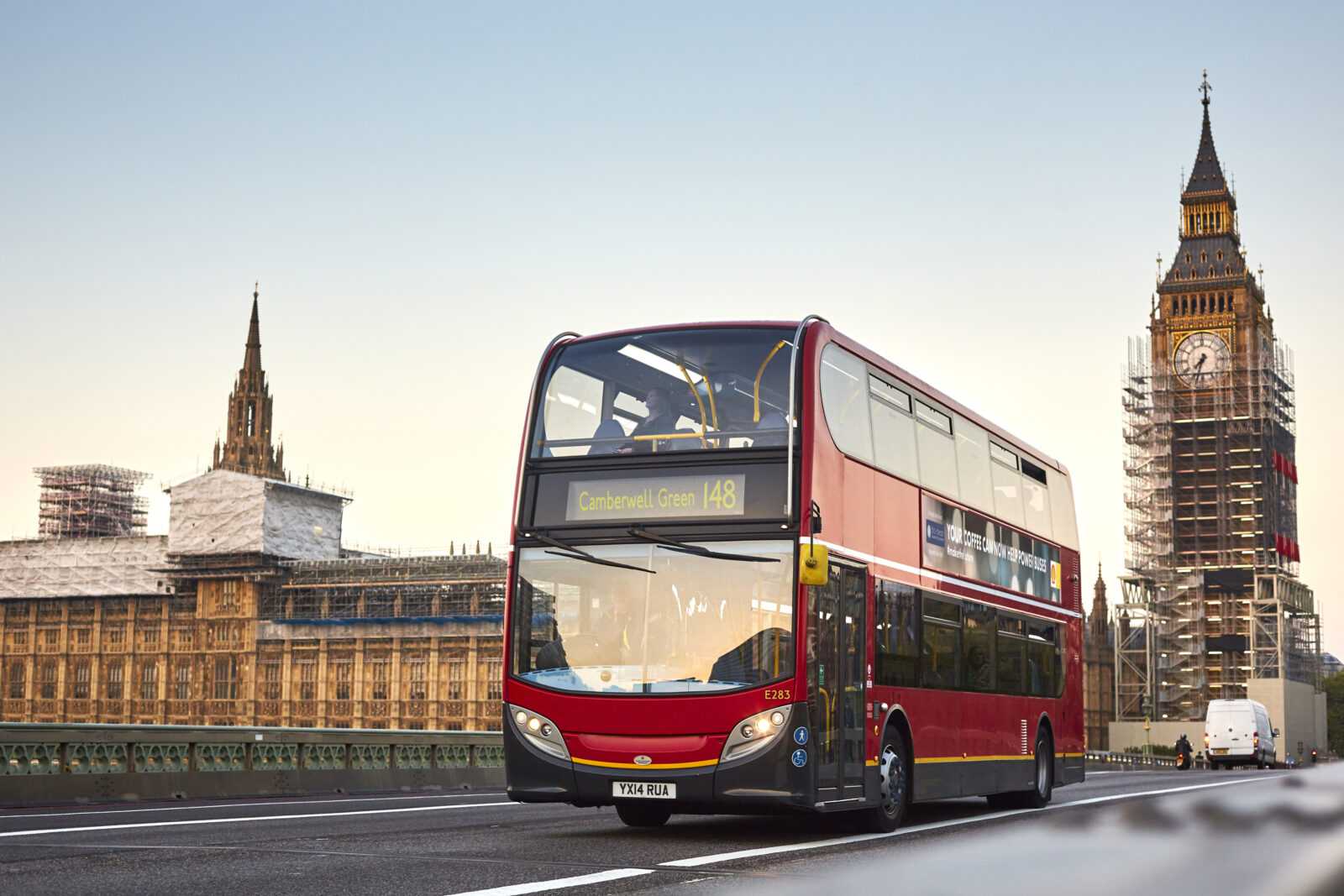
London buses run on biofuel made from coffee grounds, turning café waste into sustainable public transport fuel without engine modifications.

-
Major Automaker Considers Closing 4 Factories, Putting 45,000 Jobs at Risk Amid Chinese Competition in Brazil



Imports shrink while local production advances

The strongest movement of the industrial shift is in the change of origin of the cars sold. According to ABVE, the share of imported vehicles fell from 94% to 61% between May 2025 and May 2026.
Conversely, models manufactured or assembled in Brazil went from 6% to 39% in the same period. For the entity, this shows that the investments made by automakers are beginning to appear concretely in sales.
Among the brands with local production of electrified vehicles are BYD, GWM, GM, BMW, Toyota, and the Brazilian Hitech. The factories are located in Camaçari (BA), Iracemápolis (SP), Horizonte (CE), Araquari (SC), Sorocaba (SP), and Campo Largo (PR).
Electrified market already accounts for 17% of total sales
The advance of national production came along with a broader expansion of electromobility. In May, electrified vehicles represented 17% of car and light commercial sales in Brazil, more than double the 7.8% share recorded in the same month of 2025.
According to ABVE, the expansion of local production is beginning to generate effects that go beyond vehicle assembly. The entity also cites impact on charging infrastructure, batteries, components, and auto parts.
This chain reaction helps support the view that electrification is no longer solely dependent on imports and is becoming a part of the industrial plans of companies established in the country.
Greater model availability and new factories on the radar
Another data point reinforcing the change is the variety of options available. In May 2026, the Brazilian market had 229 electrified models, with 21 manufactured or assembled in the country. A year earlier, there were 174 models, with only five domestic ones.
In retail sales, aimed at the final consumer, the top 3 in the market in May consisted only of 100% electric vehicles: BYD Dolphin Mini, Geely EX2, and BYD Dolphin.
Furthermore, ABVE is already talking about new brands with local production on the horizon, such as Geely, in São José dos Pinhais (PR), still in 2026, and GAC, in Catalão (GO), starting in 2027. The entity also mentions the expectation of electrified vehicle production by Leapmotor, from the Stellantis group, in plants in Brazil.
ABVE sees the beginning of a cycle that could drive other sectors
“We are witnessing the start of a remarkable virtuous circle,” said Ricardo Bastos, president of ABVE. For him, national production is already beginning to drive the electrification of the Brazilian fleet and generate positive effects in other segments related to electric mobility.
In practice, the entity’s view is that the advance of automakers established in the country could consolidate a broader business chain around electrified vehicles. The movement, for now, is already appearing in sales, model availability, and the growing weight of the local industry within the segment.
With strong numbers and a clear change in the origin of vehicles sold, electromobility in Brazil is entering a new phase. If local production continues to advance, the competition in the market should become even more intense in the coming months. And you, do you think electrified vehicles made in Brazil will gain even more space? Comment and share the article.