






 Portuguese
  Spanish
 3 min of reading



Ecorodovias Aims, With the Concession, to Expand Its Participation in the States of Minas Gerais and Rio de Janeiro
Ecorodovias won, during an auction held by ANTT (National Land Transport Agency) last Friday (the 20th), at B3, in São Paulo, the road system consisting of BR-116/493/465/RJ/MG, which connects the city of Rio de Janeiro (RJ) to Governador Valadares, in Minas Gerais.
The company submitted a proposal for a discount on the basic toll rate of 3.11%, being the sole bidder in the auction. Given the lack of competitors, there was also no grant value, as stipulated in the notice.
Shortly after the announcement of the result, Marcello Guidotti – CEO of Ecorodovias – stated that, for the company, this is an asset of extreme importance, as it further increases its presence in Minas Gerais, where it already operates in three concessions, and in Rio de Janeiro, where it operates the Ecoponte (Rio-Niterói bridge) and is seeking new opportunities.
The executive also announced that, thanks to this new concession, Ecorodovias now operates more than 4,000 kilometers of highways in Brazil, making it the largest private company operating in the country’s road system.
Projected Investment in the Road System Between Rio de Janeiro and Governador Valadares (Minas Gerais) Is R$ 11.3 Billion
The contract of the new administrator has a duration of 30 years, during which the investment projected for the project is R$ 11.3 billion. Additionally, another R$ 9.8 billion is projected to be spent on operational expenses (OPEX), which consist of the sum of operational costs, mandatory expenses, and the set of insurance and guarantees. The concession is also expected to be responsible for generating more than 150,000 direct, indirect, and income-effect jobs.
According to the Ministry of Infrastructure, the region between the states of Rio and Minas Gerais is considered strategic due to the length of 726.9 kilometers of the highway, in addition to the high traffic volume. It is the only route leaving the Fluminense capital, through which it is possible to bypass Guanabara Bay, enabling access to the Lakes Region, to the north of the state of Rio de Janeiro and to the North and Northeast regions of Brazil.
The Rio-Valadares highway passes through 37 municipalities along its length, of which 22 are in Minas Gerais and 15 in Rio de Janeiro.
As for the tolls, they will be gradually reduced according to the modeling adopted for the new contract, which also stipulates the use of the system called free flow – with tolls charged based on the distance traveled – in the Metropolitan Region of Rio de Janeiro, starting from the sixth year of validity.
Project Includes Plans for Highway Expansion
The Ministry of Infrastructure also announced that the project includes 303.2 kilometers of highway duplication works and 255.2 kilometers of additional lanes. Furthermore, an additional 7.7 kilometers of capacity expansion in the Serra de Teresópolis (Rio de Janeiro) has been determined, with the intention of, according to the ministry, ensuring greater safety, fluidity, and less environmental impact in the region.
Finally, ANTT emphasized that the new concession brings a series of innovations, such as: differentiated toll rates for dual and single carriageways; stopping points for truck drivers; an improvement stock, with the possibility of carrying out works throughout the concession; Basic Toll Discount (DBT) of 5% to all users of the automatic billing system, at any toll plaza, and Frequent User Discount (DUF) exclusive to users who travel certain stretches of the highway multiple times a month.
-
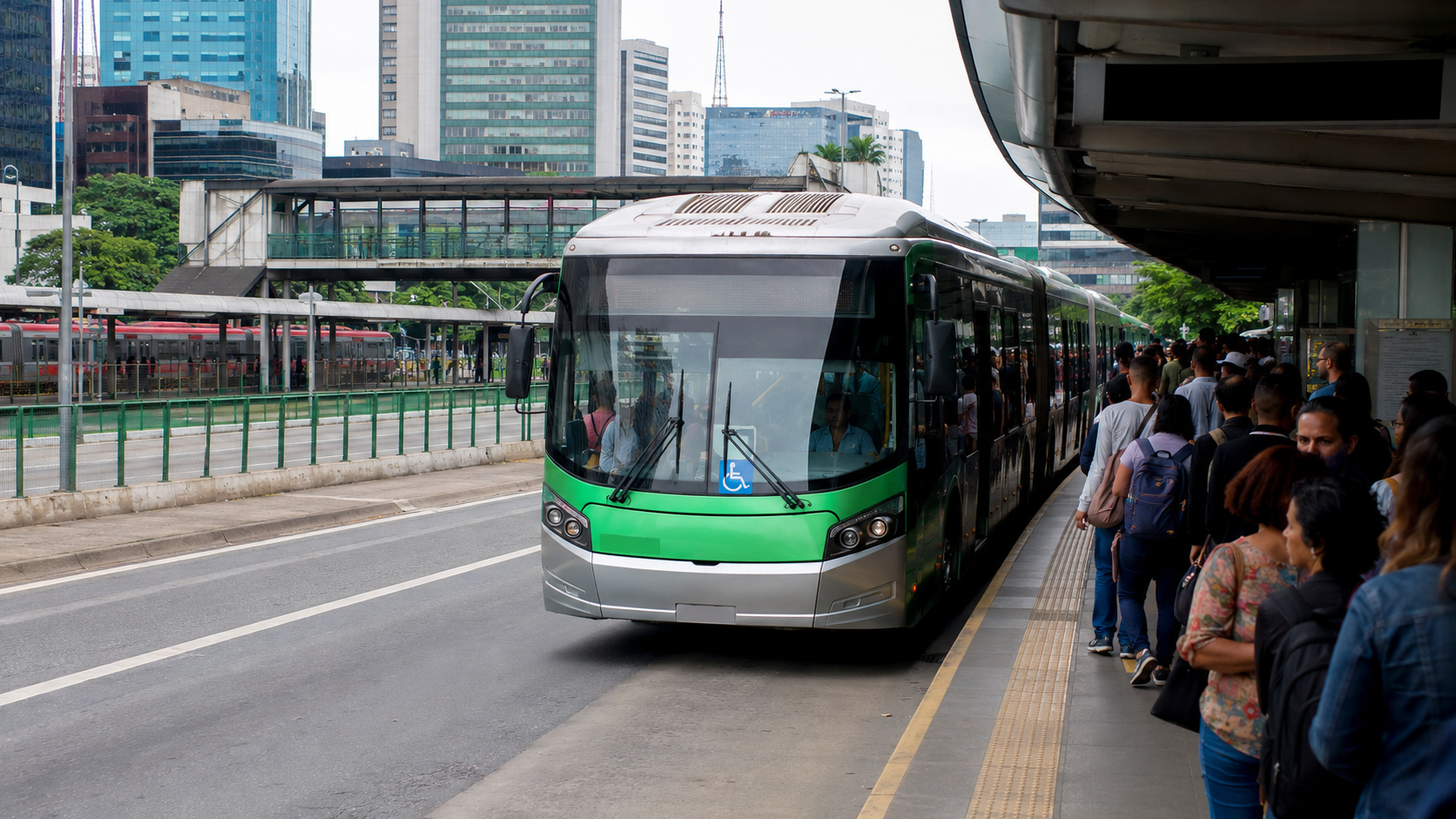
What changes with the new public transportation rules that can reduce pressure on fares and pave the way for zero fare in Brazil?

-
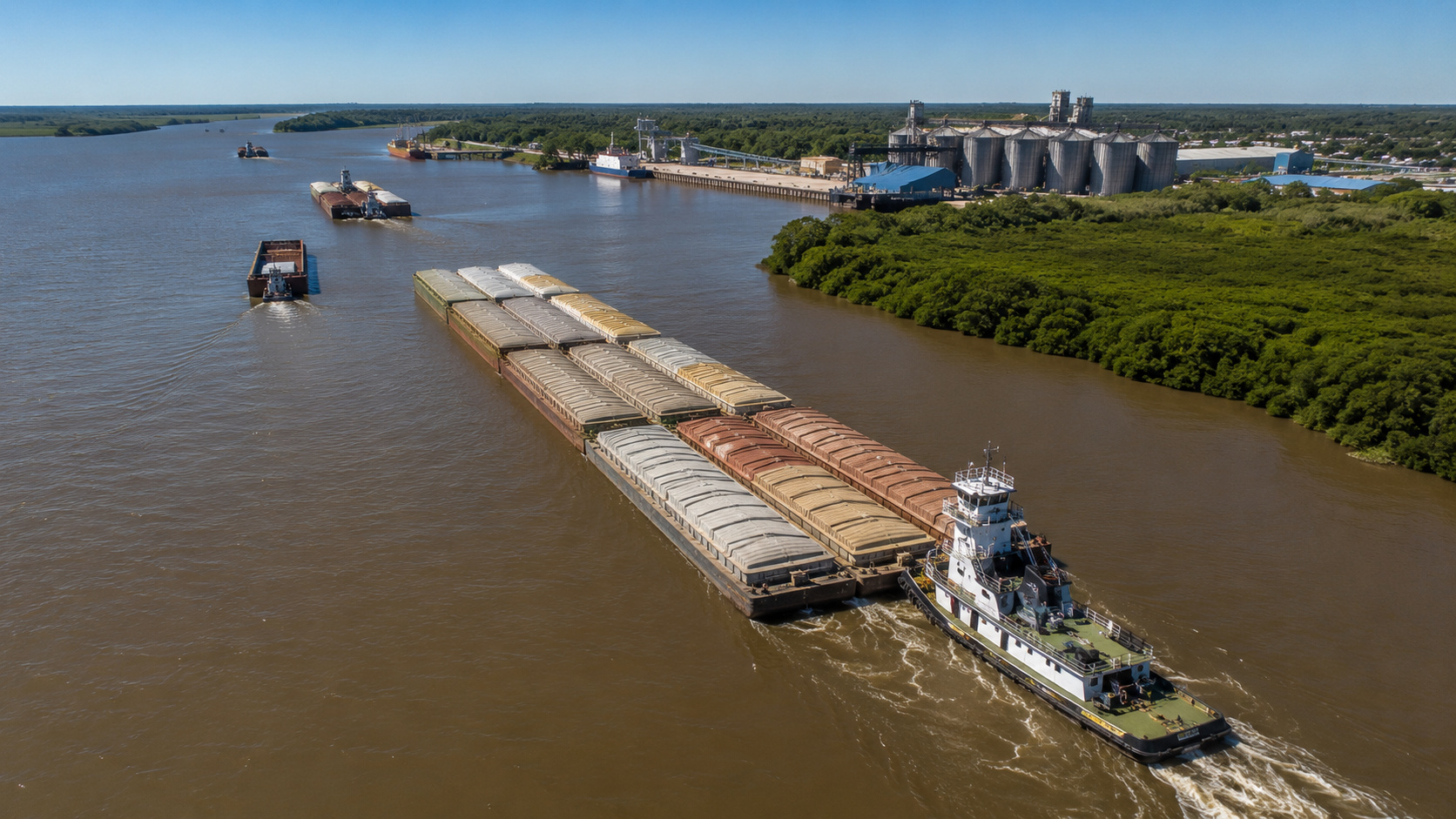
Argentina confirms Belgian giant to lead strategic Paraná River waterway and promises to reduce logistical costs on one of South America’s most important routes
-
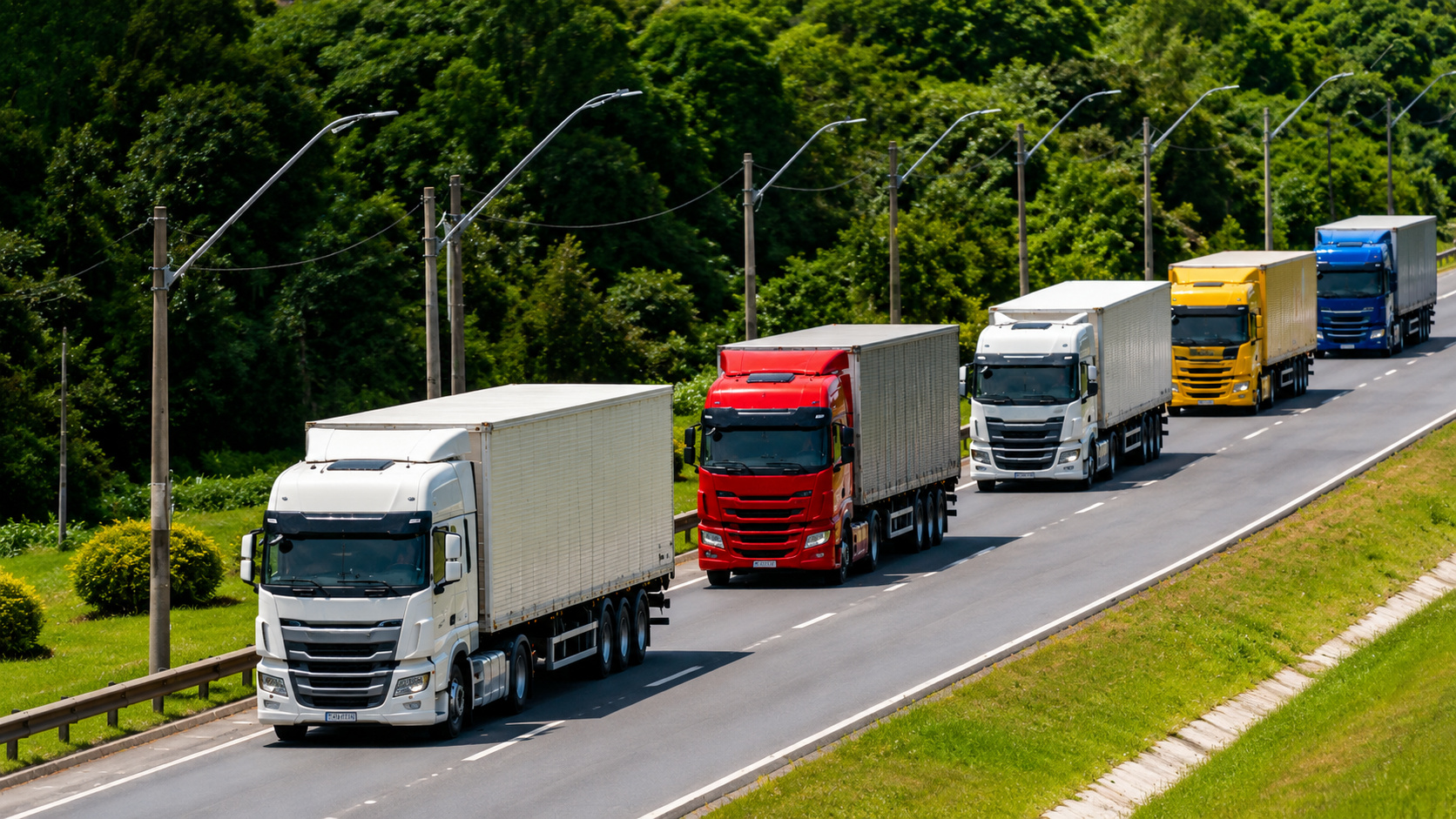
MBRF surprises the logistics sector by demonstrating how Artificial Intelligence can directly influence deliveries throughout Brazil by reorganizing distribution routes in seconds, optimizing fleet usage, reducing logistics costs, and speeding up product arrivals even in the face of unforeseen road incidents.
-
With deep ports and strategic railway, Espírito Santo advances to compete with Santos and attract foreign trade cargo.









Be the first to react!