






 Portuguese
  Spanish


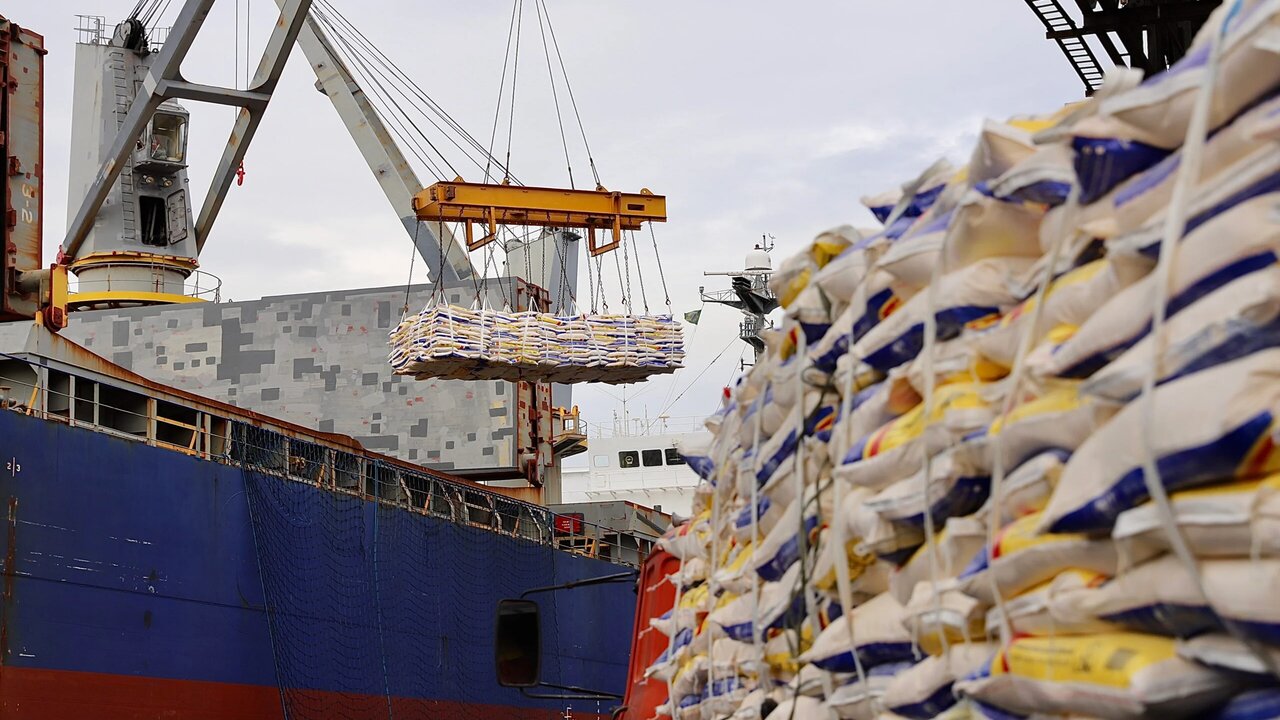

Occurred at the end of April this year, the break bulk ship operation with coffee marks the return of this modality in transportation through the Port of Rio de Janeiro, managed by the Rio de Janeiro Dock Company (CDRJ).
Derived from the phrase ‘breaking bulk’, ‘break bulk’ means general cargo or project cargo. An important term in the shipping industry and also called Project Cargo, it is the maritime modality used to transport lighter goods, in individual loads, as happened at the Port of Rio de Janeiro, with coffee cargo, as well as: raw materials and materials from the construction, industry, and hygiene sectors (airplane propellers, engines, components of wind turbines, large equipment, cellulose, steel, coal, fertilizers, etc.). In this case, the cargo is transported in its own volumes, not contained in containers.
Break Bulk in Rio
The loading of 6,500 tons of coffee in Rio de Janeiro was conducted with full success. The goods were destined for Europe. The logistics operator UNSLOG negotiated with the container terminal ICTSI RIO to carry out the operation in the capital.
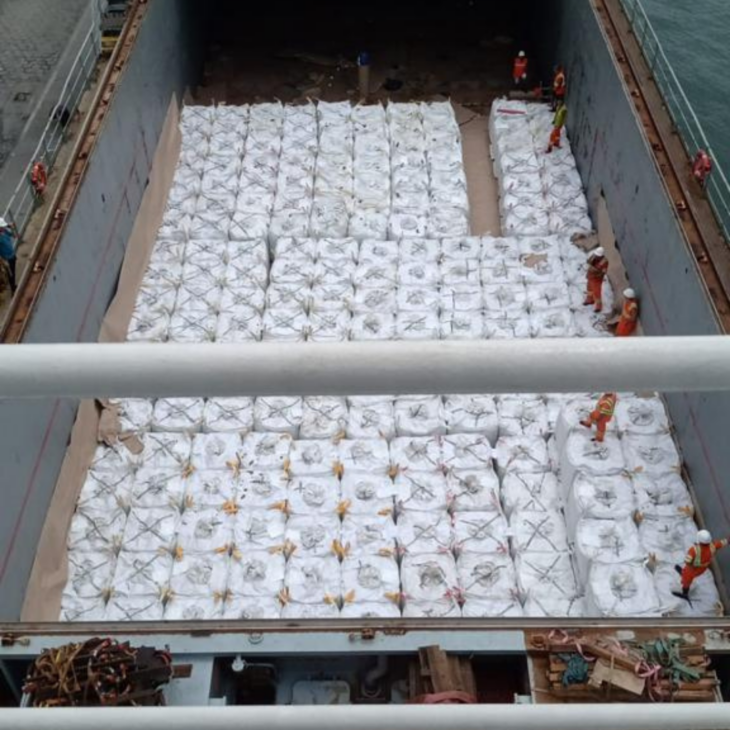
As mentioned earlier, in the ‘break bulk’ modality, one can store the cargo individually in the ship’s hold, instead of in containers. According to Leandro Lima, Port Management Superintendent of Rio de Janeiro and Niterói, containerized cargo is now the logistics standard for transporting coffees; but, he explains, “break bulk helps to overcome the shortage [of containerized cargo] and the consequent global price increase,” due to the Covid-19 pandemic, among other factors.
-
France Revamps 530 Social Housing Units with Large Balconies and Glass Facades Without Demolishing Existing Buildings

-
10-Year-Old Max Makes History with Paris Fashion Show, Launches Own Brand, Hires Staff, and Sets World Record as Youngest Runway Designer

-
Bolivian Female Construction Workers Form Association to Combat Discrimination and 38% Pay Gap in the Industry
-
Near Amsterdam, residents buy land and discover they must also build streets, manage drainage, handle waste, and grow food on half their plot.




More Information
Break bulk ships (project cargo) are versatile, multifunctional. They transport various types of goods. On the other hand, their design facilitates loading and unloading transactions. Furthermore, due to their particular characteristics, this mode of transportation by sea is less bureaucratic than traditional container transport.
Break bulk is accessible to most ports, as not all are adequately prepared to receive containers, while even less modern ports in less developed countries receive goods in break bulk.
Nevertheless, it requires more time and more labor, as the process is less automated. Therefore, it necessitates a more well-defined logistical coordination, in addition to human and technical resources. This is because each item needs to be transported one by one, usually in boxes, drums, barrels, crates, etc. There should be increased attention to risk management of damages to materials to ensure everything runs smoothly. In this regard, it is common for specialized ships to come with built-in cranes to assist.
The precautions adopted in most ports by the Brazilian maritime industry are:
- Being aware of the pick-up and delivery location of the material, complete address, and structure;
- Having photos and technical drawings of the cargo for planning;
- Knowing the construction material type of the cargo and its fragile points;
- Considering the center of gravity and lifting point of the piece to ensure safety;
- Paying attention, in advance, to traffic regulations. It is necessary to find out if there are any limits on cargo transport in the location, as well as the allowed times for movements. Furthermore, it is advisable to inquire about the need for escorts and the closure or release of streets and highways.
Break Bulk in Brazil
Since the 1980s, break bulk had fallen out of favor with the country’s coffee sector. However, due to the global shortage of containers, also due to the Covid-19 pandemic, Brazilian maritime companies reconsidered the return of this modality as a strategy to help stabilize international logistical flow.








