Portuguese
  Spanish




Altilium Starts Recycling LFP Batteries in the United Kingdom with EcoCathode Technology, Recovering Up to 97% of Lithium and 99% of Graphite to Promote Sustainability in Electric Mobility
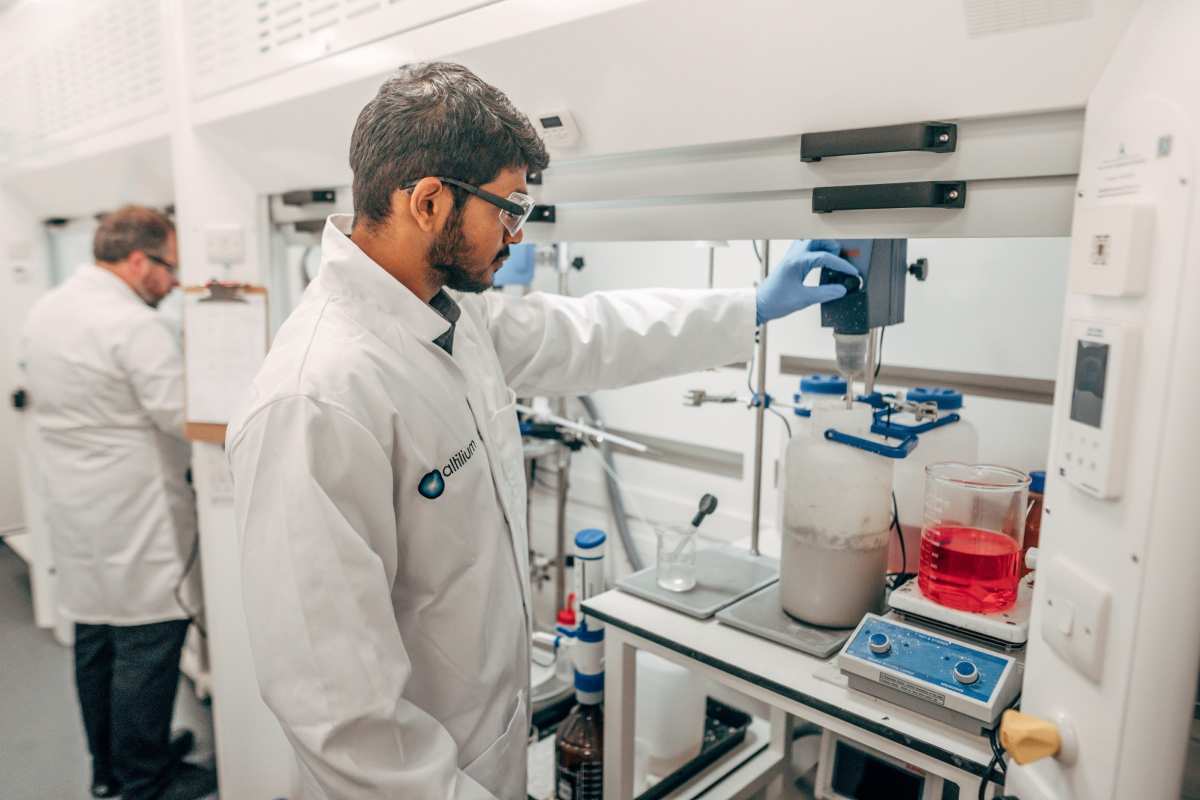
Altilium, a British clean technology company, has taken an important step in the recycling of lithium iron phosphate (LFP) batteries.
The company has begun processing used batteries from a major global electric vehicle manufacturer, utilizing its patented EcoCathode™ technology.
The method allows for the recovery of up to 97% of lithium and 99% of graphite, promoting a circular economy and reducing environmental impacts.
-
18 Iron Age gold coins discovered by a teacher using a metal detector in a Suffolk field sell for £33,200 at auction, exceeding estimates.

-
Chinese Farmer with No Formal Education Builds Over 60 Homemade Robots from Scrap Metal, Each Bearing His Surname
-
Telescope Set to Discover 100,000 New Planets Arrives at Launch Site, Ushering in a New Era of Astronomy

-
Humanoid Robots Transition from Demonstrations to Real Work in Factories


Innovative Recycling Technology
Recycling LFP batteries is a challenge. Unlike nickel-manganese-cobalt (NMC) batteries, which are extensively recycled due to the high value of their metals, LFP batteries contain iron and phosphate, materials of lower commercial value. This makes recycling less financially attractive.
Altilium has addressed this issue with EcoCathode™, which maximizes the recovery of lithium and graphite, two essential materials for the production of new batteries.
This strengthens the supply chain in the United Kingdom and helps manufacturers comply with increasingly specific environmental regulations.
Growth of LFP Batteries
LFP batteries have been gaining traction in the market. According to the Advanced Propulsion Centre, they are expected to grow from 18% of electric vehicles in the United Kingdom in 2027 to 25% by 2035.
The preference for this model arises from its lower cost and greater safety compared to NMC. However, recycling needs to keep pace with this expansion to avoid wasting important materials.
To address this scenario, Altilium is investing in recovery and resource reuse technology. The strategy includes not only recycling used batteries but also processing industrial waste generated in the manufacture of these components.
Expansion of Battery Recycling in the United Kingdom
The company already recycles NMC batteries from two major British manufacturers and production waste from Gigafactories. Its facilities in Devon, called ACT1 and ACT2, transform recycled materials into components ready for the manufacture of new batteries.
The ACT2 plant in Plymouth has the capacity to process 300 kg of battery waste per day, approximately equivalent to one electric vehicle battery.
But Altilium’s big bet is the future facility in Teesside, which will be one of the largest battery recycling plants in Europe. When completed, it could process materials from more than 150,000 electric vehicles annually.
Autonomy and Sustainability
In addition to recycling, Altilium aims to reduce the United Kingdom’s dependence on imported materials. Its process converts discarded batteries and industrial waste into cathode and anode precursors, which can be used in the production of new cells.
The company’s first semi-commercial center is already operating in Plymouth, while the Teesside plant, when completed, will supply about 20% of the British demand by 2030. This positions the United Kingdom as a leader in sustainable battery recycling in Europe.
Support and Future of the Company
Altilium has the support of SQM Lithium Ventures and the Japanese group Marubeni Corporation.
These strategic partners strengthen the company’s position in the sector, ensuring resources to expand its operations and consolidate recycling as an essential part of the transition to more sustainable mobility.
With these initiatives, Altilium not only drives the circular economy but also paves the way for a cleaner future in electromobility.
With information from altilium.