Portuguese
  Spanish


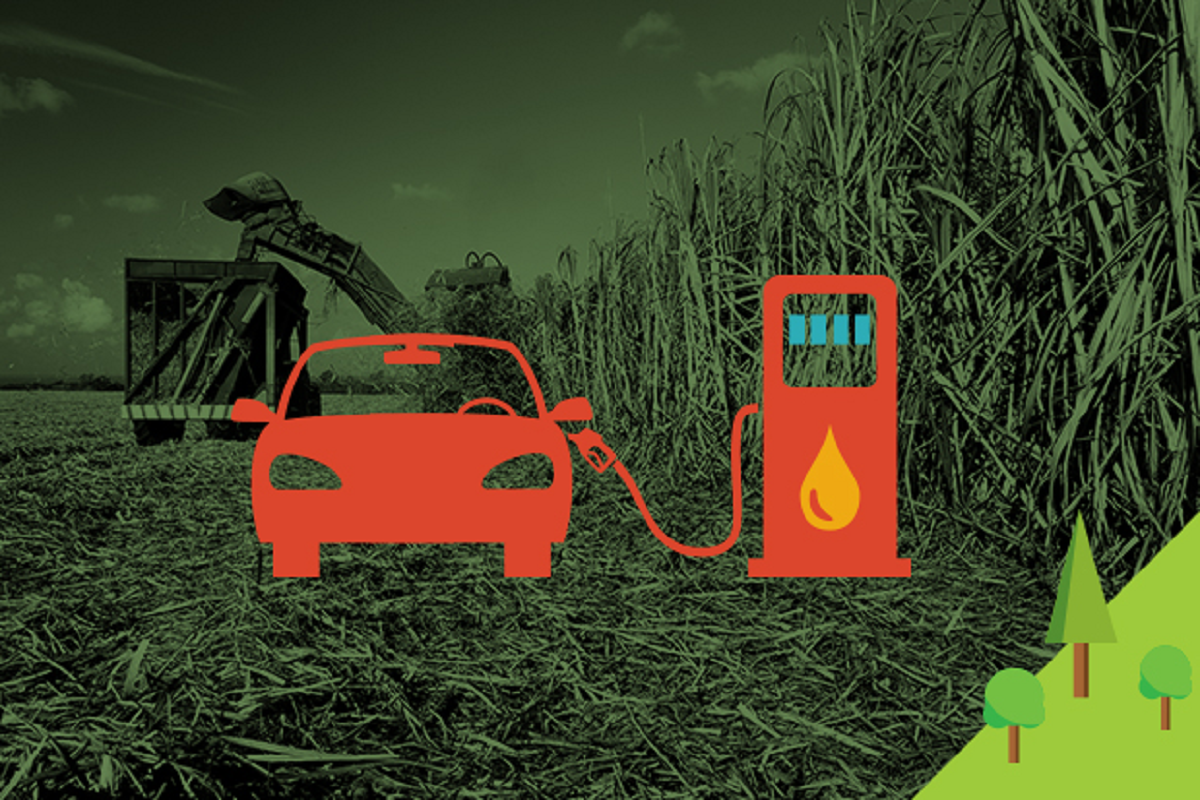

The Sustainable Fuel Produced by the Plants Will Be Derived from Sugarcane and Will Have Massive Growth in 2023
In 2023, the renewable energy sector will take off. At least that’s what it seems, after Geo Biogás & Tech made a large investment in sustainable fuel made from sugarcane. The investment was R$ 600 million and was allocated to install several plants for renewable energy generation sources, considering that the company already has 3 plants in operation.
Approximately R$ 45 thousand of the R$ 600 million invested will be allocated for the expansion of the Tamboara (PR) plant, the first plant built to produce biogas. According to Alessandro Gardemann, the company’s director, the idea of Geo Biogás & Tech, since the renewable energy sector is on the rise, is to develop at least seven sustainable fuel plants per year.
Furthermore, the director of Geo Biogás & Tech for sustainable fuel claims that this year the company’s growth will be exponential compared to the revenue of R$ 19.4 million in 2021.
-
At 14 years old, she worked in a factory in Hong Kong, studied economics abroad, and then entered the Chinese real estate market, which helped change the landscape of Beijing.

-
While NATO secured more than $10 billion in missiles and space surveillance at a single forum, Brazil still spends 1.1% of its GDP on defense and is stalling its own anti-aircraft system.

-
Producer receives news and had to cull almost the entire herd, bounced back with the help of compensation, and is now producing 450 liters of milk per day in SC.

-
Corn ethanol attracts R$ 23 billion in 21 new plants and prepares for a nearly 50% jump in Brazilian production by 2027, even with high interest rates.


Sugarcane in Sustainable Fuel Production
The new plants to be built by the renewable energy company will also test the new sustainable aviation fuel (SAF) and green hydrogen, all made from sugarcane.
The green hydrogen production plant of the company could start operations this year in 2023, with a production capacity of sustainable fuel of 500m³ per day, while the SAF plant may only be inaugurated in 2024.
Sugarcane Being Transformed into Fuel