Portuguese
  Spanish


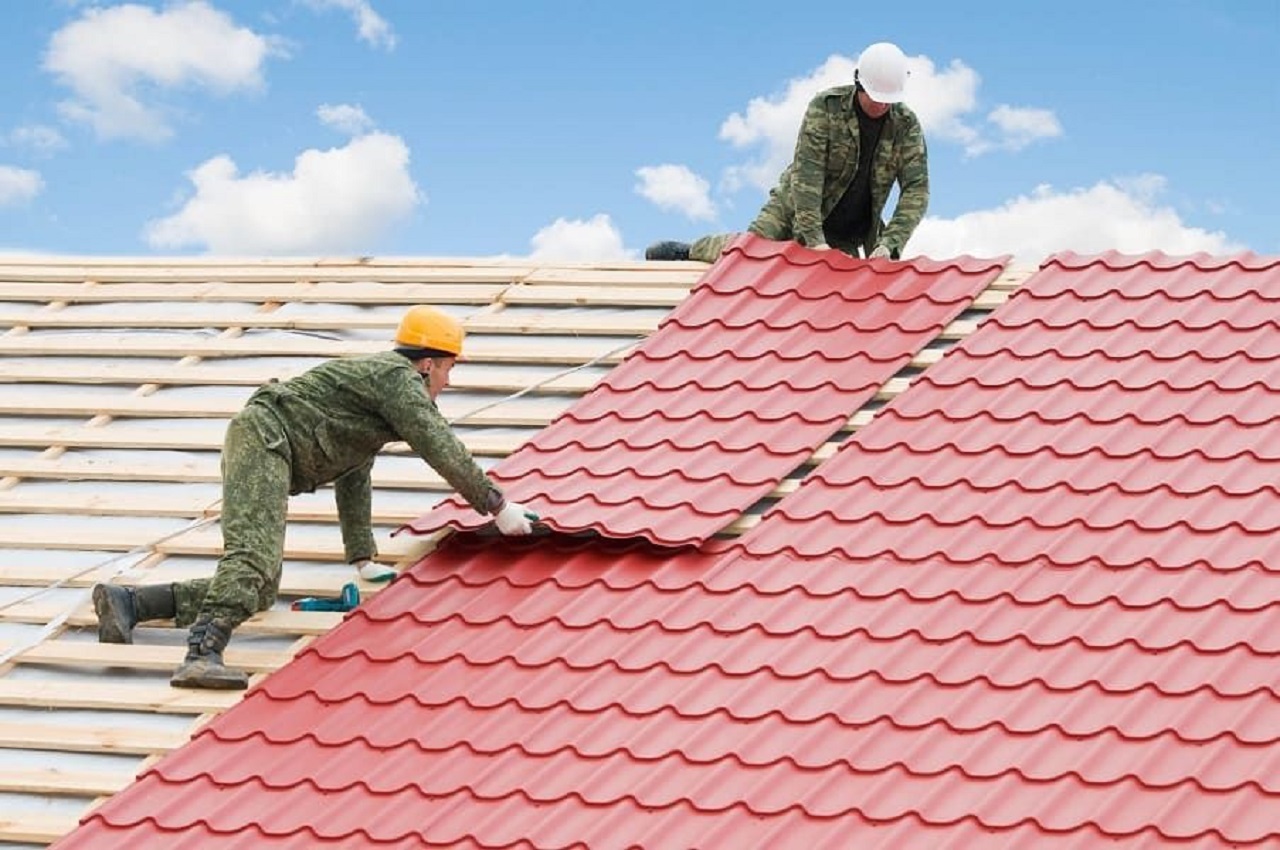


Focusing on Bringing More Sustainability to the Construction Industry, Companies Around the World Are Developing Silicone-Based Roofing. The Sustainable Roof Has Easy Installation and a Longer Lifespan Than Conventional Models.
The demand for more sustainable equipment is reaching all sectors and has arrived in the roofing market. Companies around the world are working on what they call a sustainable roof, capable of providing more comfort with reduced temperature, saving money, and increasing lifespan. The silicone-based tile, for example, features a waterproofing system that is becoming a trend in the market.
Benefits of Silicone-Based Roofing
Any resource that does not get damaged or deplete easily is considered sustainable; thus, in addition to being linked to concern for and preservation of the environment, the sustainable roof uses recyclable or biodegradable materials, has the potential to be used for rainwater and solar energy capture, has better quality, as well as a longer lifespan, reducing the environmental impact.
In addition, it comes in suitable colors and has properties that reduce heat and electricity usage.
-
More than 6,000 trucks poured nearly 70,000 cubic meters of concrete without interruption for 72 hours to create the largest continuous concrete pour in history and erect a megaproject in Saudi Arabia.

-
28-meter, 156-ton titans traveled 20,000 km from China to the port of Santa Catarina: Portonave received 7 fully electric megacranes, part of a R$ 210 million package, to double container handling.
-
They exchanged the idea of a large house for a 35 m² warehouse, spent US$ 12,000 on the structure, and created a tiny house in Colorado with space to live and work.

-
A newly opened terminal in the middle of the Amazon has begun transporting soy and corn through Amapá, eyeing the queue of ships that is congesting the ports in the South.



There are several benefits that a sustainable roof can bring to a home; however, the silicone-based tile is used as a covering and, in addition to preventing leaks, offers a range of advantages such as enabling the roof to collect and reuse rainwater, which can be greatly utilized for garden irrigation.
It can be applied to various surfaces and structures, even including other waterproofing methods. Silicone is a durable option for resolving infiltration problems with minimal environmental impact, thus reducing the waste sent to landfills.
New Sustainable Roofs Arrive in the Brazilian Market
In addition to the silicone-based tile, Telite has created graphene-based tiles that last 80 years. Telite, a company operating in the interior of RJ, sells about 25,000 tiles per month and recently announced its new product to the market.
These are the graphene tiles that can generate solar energy. The sustainable roof transforms sunlight into electrical energy. Thus, its construction becomes self-sufficient, providing significant savings on electricity bills.
Through this material, the company has managed to make 4 renewable tiles generate 30 kW monthly in a medium-sized house. The company also states that if the residence uses these four solar tiles, it could become self-sufficient in electrical energy generation, resulting in substantial savings on energy tariffs.
GAF Energy Develops Solar Tiles That Withstand Winds of Up to 210 km/h
GAF Energy, a company that supplies solar roofing in the United States, announced the launch of the world’s first solar roof with nails. The product, named Timberline Solar, was presented earlier this year and received the Best Innovation award in the Smart Cities and Innovation category.
What makes the company’s product so special compared to solar panels on roofs in the market is its solar technology directly integrated into traditional roofing processes and materials. According to GAF Energy, the tiles are produced at the company’s facilities located in California. The sustainable roof is designed to withstand winds of up to 210 km/h.
As a result, GAF’s project received UL certification 7103, which authorizes GAF to install the system on common roofs as both a solar energy product and a roofing product, being the first to be recognized in both categories.