Portuguese
  Spanish


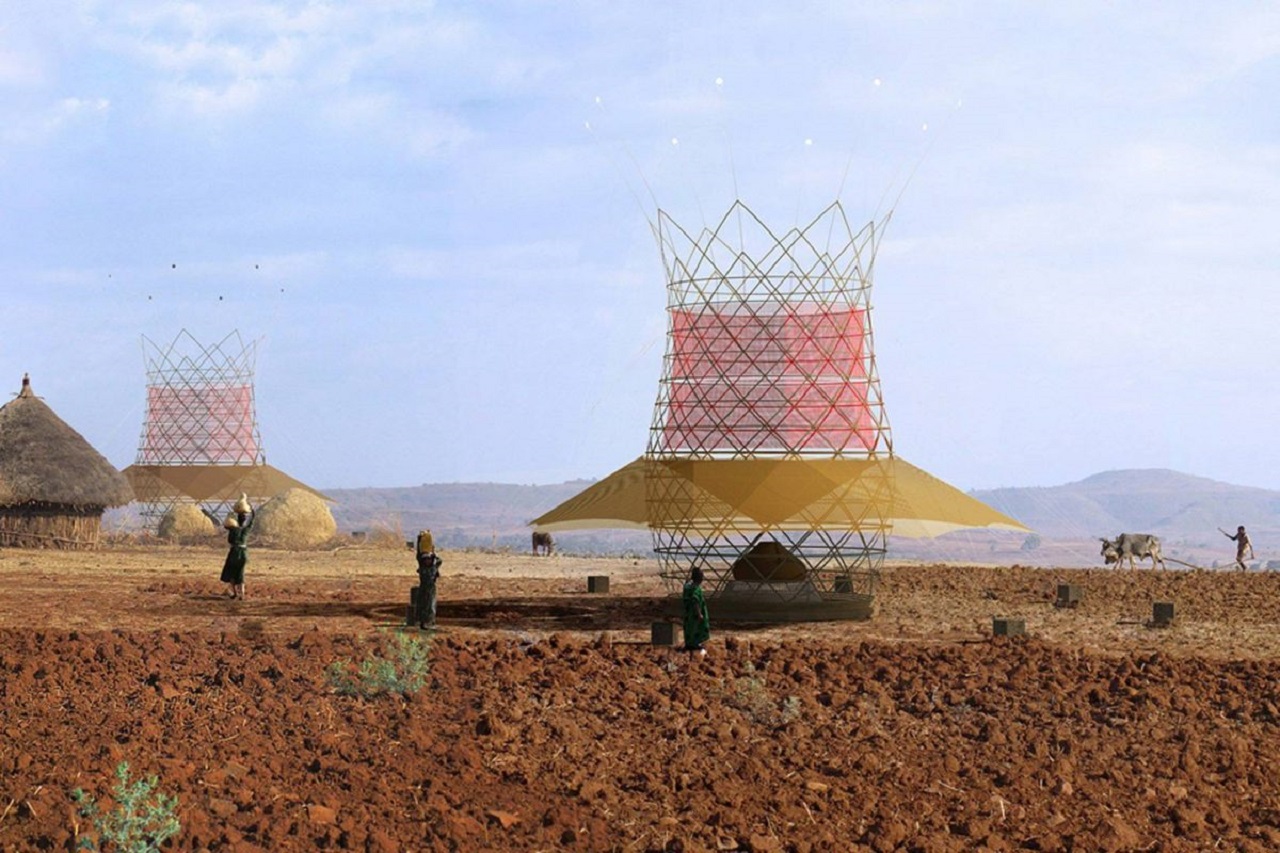

NGO Develops Bamboo Tower That Can Generate Over 20 Liters of Water Per Day for Communities in Developing Regions. Project, Which Does Not Use Electricity, Promises to Significantly Change the Lives of African People.
A new invention could quench the thirst of millions of people around the world. In Africa, for example, many people struggle to find potable water and millions of residents spend 4 to 6 hours daily searching for water, and most of the time it is not always clean. With the continent’s population reaching one billion people, the problem is getting worse. With this in mind, a nonprofit organization has developed a cheap and easy-to-assemble bamboo tower that will help bring clean water to Africans.
Bamboo Tower Produces More Than 20 L Without Using Electricity
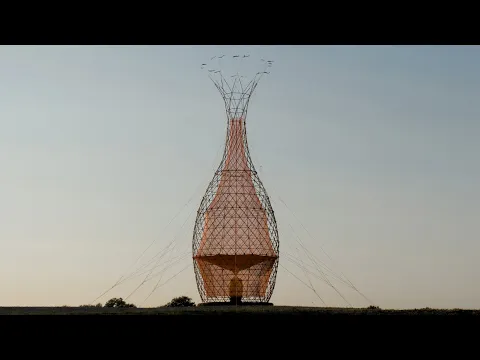

The bamboo towers, which are capable of collecting up to 25 liters of water per day, are called Warka Water, a project aimed at promoting access to water for communities devastated by drought. In developing countries, there are many issues regarding access to potable water, given that it is often contaminated by human and animal waste.
Poor water quality is the leading cause of health problems in indigenous communities. Every year in these countries, many children die from hunger, malnutrition, and other conditions. These bamboo towers are passive structures that operate with natural phenomena like evaporation or gravity. Their installation is quite simple, considering that it does not require scaffolding or electricity, and the villagers themselves build them.
-
New Law in Brazil Requires Breaks for Type 1 Diabetes Management at Work, School, and Public Exams

-
Scientists Confirm “Greening” of Antarctica: Ice on the World’s Coldest Continent Turns Green as Mosses Multiply Over Tenfold in Four Decades

-
2,000-Year-Old Gold Rings Found with Human Bones in Thailand Reveal Rare Burial and Feature Ancient Indian Inscription

-
Lenovo Unveils Legion Y700 Tablet with RGB Backlighting, 5G, and SIM Card Support




The bamboo towers are developed with locally sourced materials that are fully biodegradable. The main component is bamboo, although the manufacturing requires some other elements, such as palm leaves, hemp, or vines. This is undoubtedly a highly economical and ecological option to address the water sanitation problem in these countries.
Bamboo Tower Can Produce Water Anywhere in the World
The Warka Tower is a structure formed by triangular orange meshes that are 10 meters tall and weigh 60 kg. The project, which does not use electricity, consists of five modules arranged to collect potable water from the air through condensation. On average, these structures can distribute between 10 and 20 liters of water per day to communities.
The air generally has a high saturation of water vapor. This fact makes it possible to collect water from practically anywhere in the world. Locations with a higher percentage of water vapor in the air are the most suitable for installing this type of bamboo tower. The first units were installed in Ethiopia and Cameroon, significantly benefiting the local population. The bamboo tower is named after the “Warka” tree.
This is a giant fig tree that can be found in Ethiopia and is sacred, as it provides shade, food, and a meeting place for the local inhabitants. The installation cost of this structure is around one thousand dollars per piece, making it a great alternative for African communities to gain access to clean water in the near future, all without using electricity.
Learn How to Contribute to the Project
The NGO provides food and medicine for children. They also offer education to rescue them from poverty and slavery; much of the developing world has suffered significant deforestation in recent years, and therefore one of their goals is to plant trees. They assist indigenous communities in obtaining birth certificates and other proof of citizenship.