Portuguese
  Spanish


The Gaucha Company Tramontina Starts A Green Hydrogen Project In Brazil, Focusing On Industrial Logistics, Emission Reduction, Energy Innovation And Sustainable Transition By 2027
In December 2025, Tramontina, a traditional Gaucha company with a solid presence in Brazil and abroad, announced the signing of a contract for the implementation of its own green hydrogen plant, in a project considered pioneering in the national industry. According to a report published by Exame on Thursday (25), the initiative’s central objective is to decarbonize industrial logistics, starting with the internal mobility of the company’s factories in Rio Grande do Sul.
Gaucha Company Tramontina Bets On Green Hydrogen For Industrial Logistics
The total investment planned is R$ 43 million, directed towards the Cutlery unit, located in the municipality of Carlos Barbosa (RS). Construction is scheduled to begin in 2026, with operation expected to start in mid-2027. The project will be developed by GH2 Global and is part of Tramontina’s long-term strategy aimed at emission reduction, energy efficiency, and strengthening operational safety.
The decision of Gaucha Company Tramontina to invest in green hydrogen represents a strategic move in light of the climate and energy challenges faced by the industry. Unlike projects that are still focused only on research or future exports, the initiative is already born with a direct application in industrial logistics, one of the main emission sources in the manufacturing environment.
-
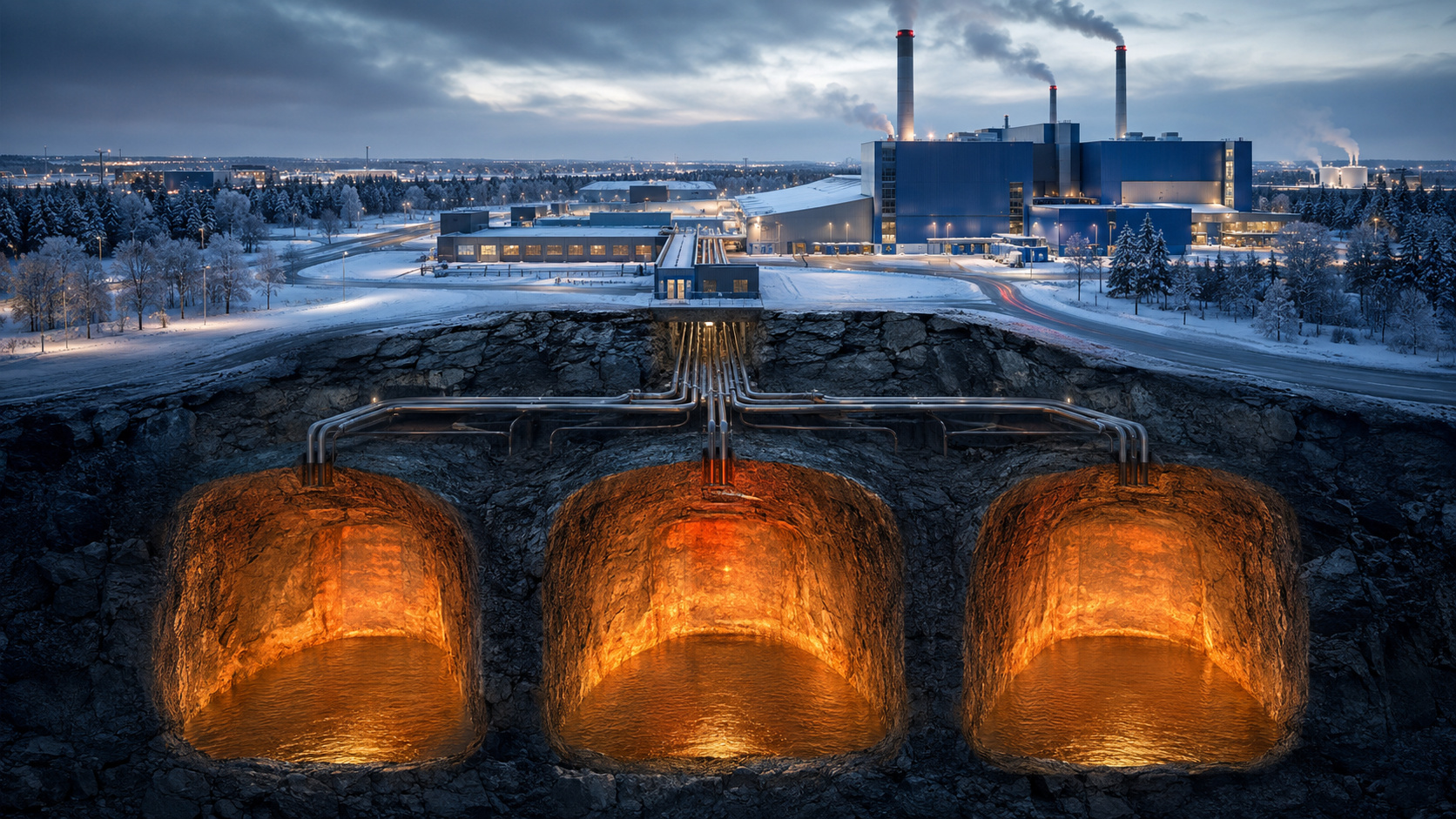
California Project Aims to Store Heat Underground in Former Oil Reservoir to Generate 100 kW of Electricity for Over 12 Hours

-
French Port Harnesses Industrial Waste Heat to Power Up to 30,000 Homes
-
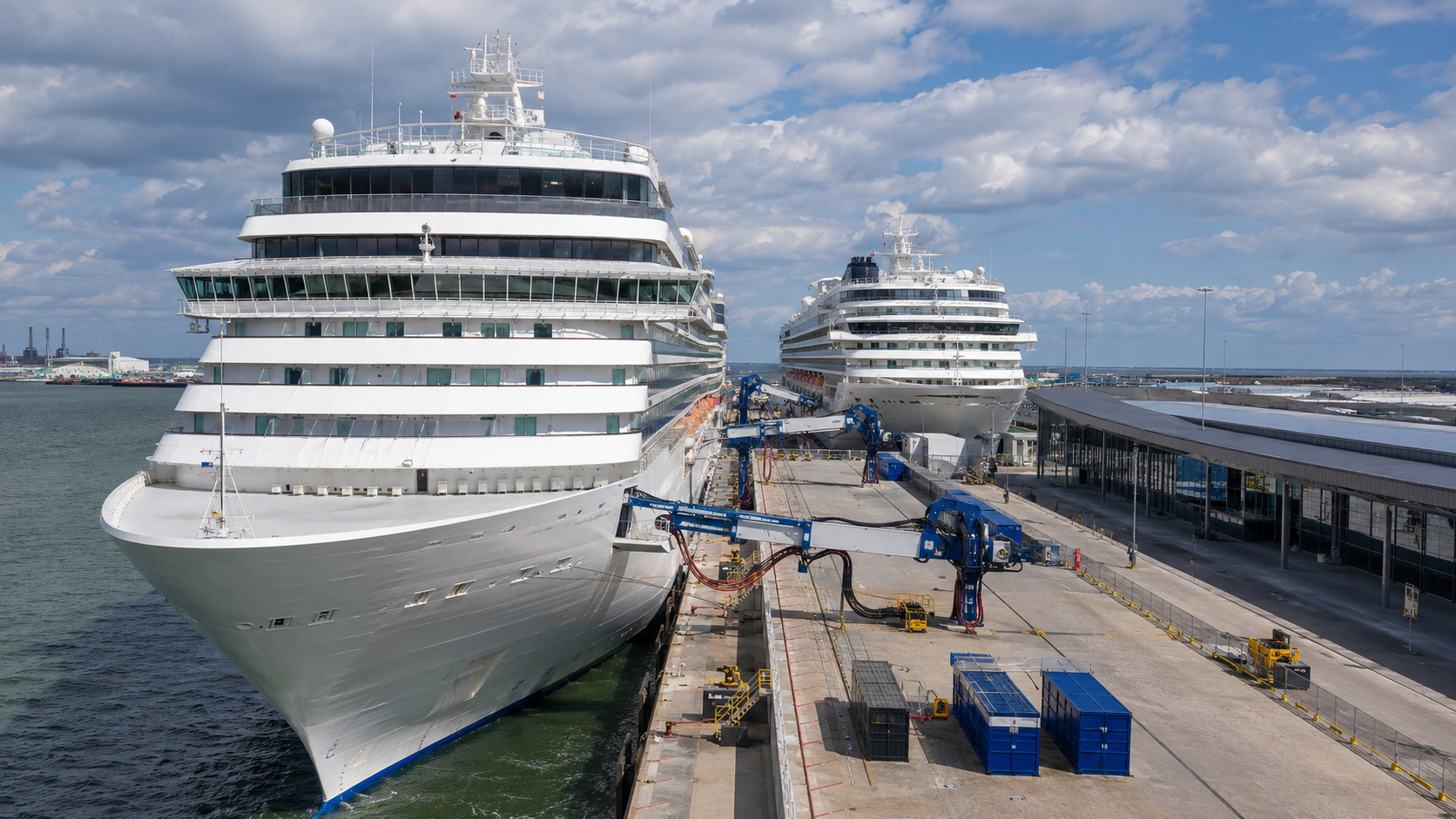
Belgian Port to Install Shore Power for Cruise Ships by 2027, Cutting Dock Emissions by Up to 5% and Meeting EU Regulations
-
Canadian Project Converts Hot Water from Mature Oil Fields into Electricity, Repurposing Existing Wells and Infrastructure



In the initial phase, the hydrogen produced will be used to fuel forklifts and internal mobility vehicles, replacing equipment powered by fossil fuels or conventional batteries. This transition will allow for the reduction of direct and indirect emissions, as well as increase operational efficiency in logistics processes.
Investment Of R$ 43 Million Strengthens Low-Carbon Industrial Logistics
The investment of R$ 43 million will enable the construction of a plant with an initial capacity of 1.25 MW, capable of producing up to 500 kilograms per day of high-purity green hydrogen. The process will be carried out through water electrolysis, using 100% electricity from certified renewable sources.
Additionally, the project plans to use rainwater, reinforcing the commitment to sustainability throughout the entire production chain. The gas generated will be distributed to Tramontina’s industrial units located in Carlos Barbosa, Garibaldi, and Farroupilha, enhancing the positive impact on regional industrial logistics.
In the initial phase, the estimated reduction is about 100 tons of carbon equivalent per year. With the expansion of the plant and increased use of hydrogen in other energy-intensive industrial processes, the expectation is to surpass 4,000 tons annually in emissions reduction.
Green Hydrogen As Tramontina’s Energy Strategy
For Tramontina, the use of green hydrogen goes beyond emission reduction. According to Osvaldo Steffani, advisory counsel of the Cutlery unit, the project has a structural and strategic character.
According to the executive, the initiative goes beyond the environmental agenda and represents a long-term investment capable of strengthening energy security, increasing logistical efficiency, and contributing concretely to Brazil’s energy transition.
The statement highlights that the company sees green hydrogen as a vector for energy autonomy, risk mitigation, and industrial competitiveness. By producing its own renewable fuel, the company reduces dependence on external sources and creates a foundation for a more resilient operation in the future.
Industrial Logistics As The Starting Point For Decarbonization
The choice of industrial logistics as the first application of green hydrogen is not casual. This segment accounts for a significant portion of industrial emissions and, at the same time, offers viable technological solutions for replacing fossil fuels.
By initiating the transition through internal mobility, Gaucha Company Tramontina can test the technology in a controlled environment, generate operational learning, and create internal references for future expansions. The strategy also reduces financial and operational risks by prioritizing a continuous and predictable use of the fuel.
Support From Rio Grande do Sul Reinforces The Green Hydrogen Economy
The Tramontina project has part of its funding approved in a funding notice from the Government of Rio Grande do Sul, reinforcing the strategic role of the state in developing the green hydrogen economy. Public support helps reduce initial barriers, stimulate innovation, and attract private investments.
Additionally, it strengthens Rio Grande do Sul’s position as one of the most active states in Brazil’s energy transition, especially in the industrial sector. For Tramontina, institutional incentives accelerate project implementation and enhance its economic viability in the medium and long term.
Brazilian Green Hydrogen Scenario Still Faces Challenges
Despite the progress represented by the Gaucha company’s project, the Brazilian green hydrogen market is still in its early stages. A mapping by the consulting firm CELA, conducted in 2025, identified more than 100 announced projects in the country, totaling R$ 454 billion in projected investments.
However, most of these initiatives are still in the initial development phase. Currently, the only certified operating plant in Brazil belongs to White Martins, located in Pernambuco, with expansion plans for the state of São Paulo.
The main barriers continue to be the high cost of technology, the lack of productive scale, and the need for clearer regulatory frameworks. Even so, the profile of Brazil’s electric grid, which is predominantly renewable, places the country in a privileged position to advance in this market.
Tramontina Initiative: Impact Of Green Hydrogen On The Brazilian Industry
The movement of Tramontina demonstrates how green hydrogen can cease to be merely a promise and begin to integrate into the daily operations of the industry. By applying the technology directly in industrial logistics, the company creates a concrete model that can inspire other companies in the sector.
In addition to reducing emissions, the project contributes to national technological development, the training of professionals, and the strengthening of production chains related to energy transition. In an increasingly demanding global scenario in terms of environmental standards, initiatives like this tend to become competitive differentiators.