Portuguese
  Spanish


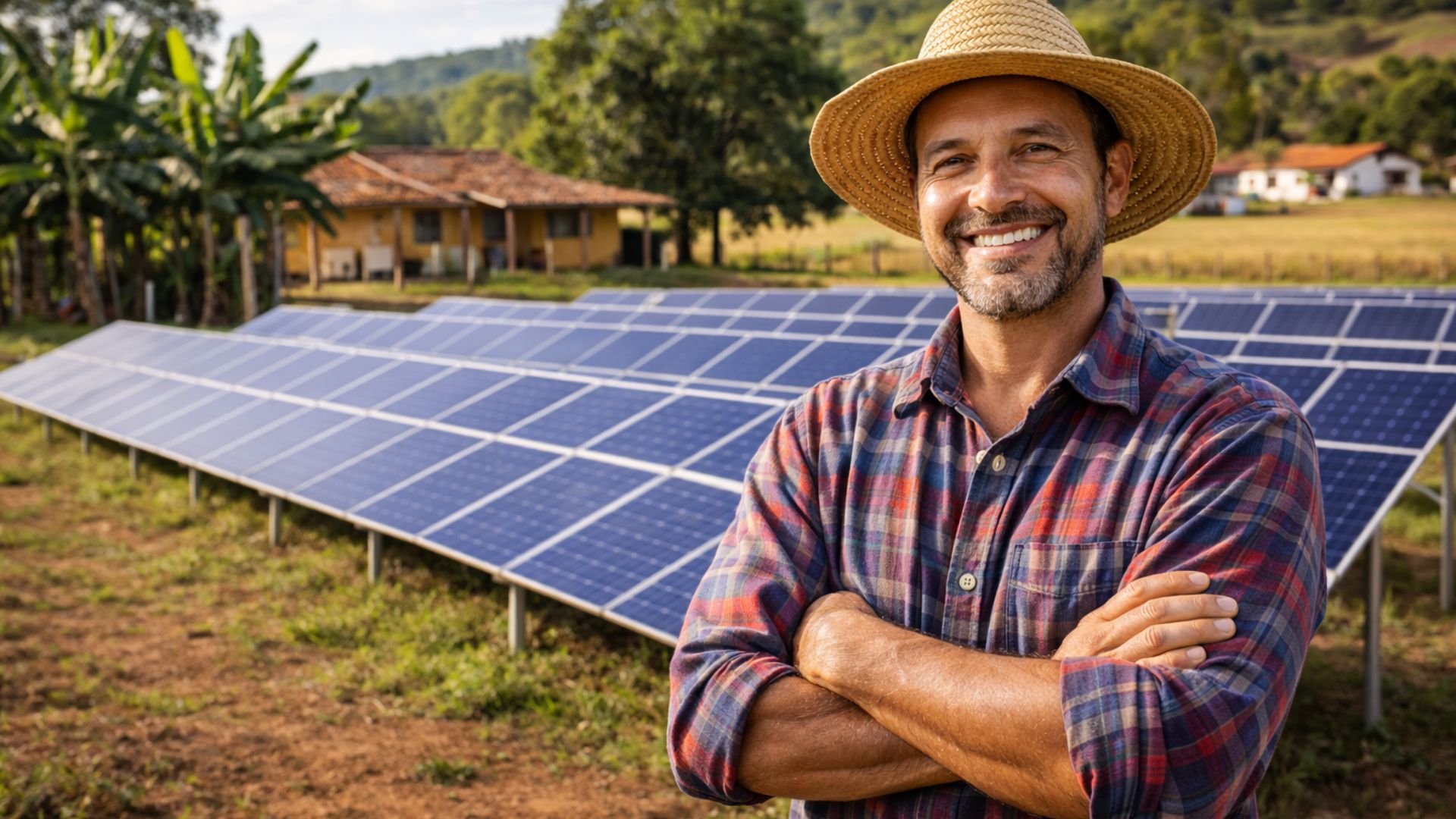

Billion-Dollar Investments Boost Solar Energy In Brazil, With Companies And Rural Properties Leading Distributed Generation And Strengthening Agriculture With More Autonomy, Efficiency, And Sustainability
According to an article published by Portal Solar this Thursday (29), companies and rural properties invested over R$ 9.5 billion in solar energy in Brazil throughout 2025. The data is part of a survey by TTS Energia, based on official reports from the National Electric Energy Agency (Aneel), and reveals the addition of 3.1 gigawatts (GW) in new photovoltaic capacity in just the last year.
Companies And Rural Properties Lead Investments In Solar Energy In Brazil
The advance confirms that solar energy has ceased to be an alternative solution and has begun to occupy a strategic position in the energy planning of companies and rural properties, especially in agriculture. In total, approximately 333,000 consumer units, including urban companies, industries, and rural properties, adopted self-generation of electricity through distributed generation in 2025.
The mapping by TTS Energia indicates that commercial, industrial, and rural consumers totaled R$ 9.5 billion in investments in new solar energy installations throughout 2025. This represents one of the largest annual volumes ever seen in the country for photovoltaic systems outside the model of large centralized plants.
-
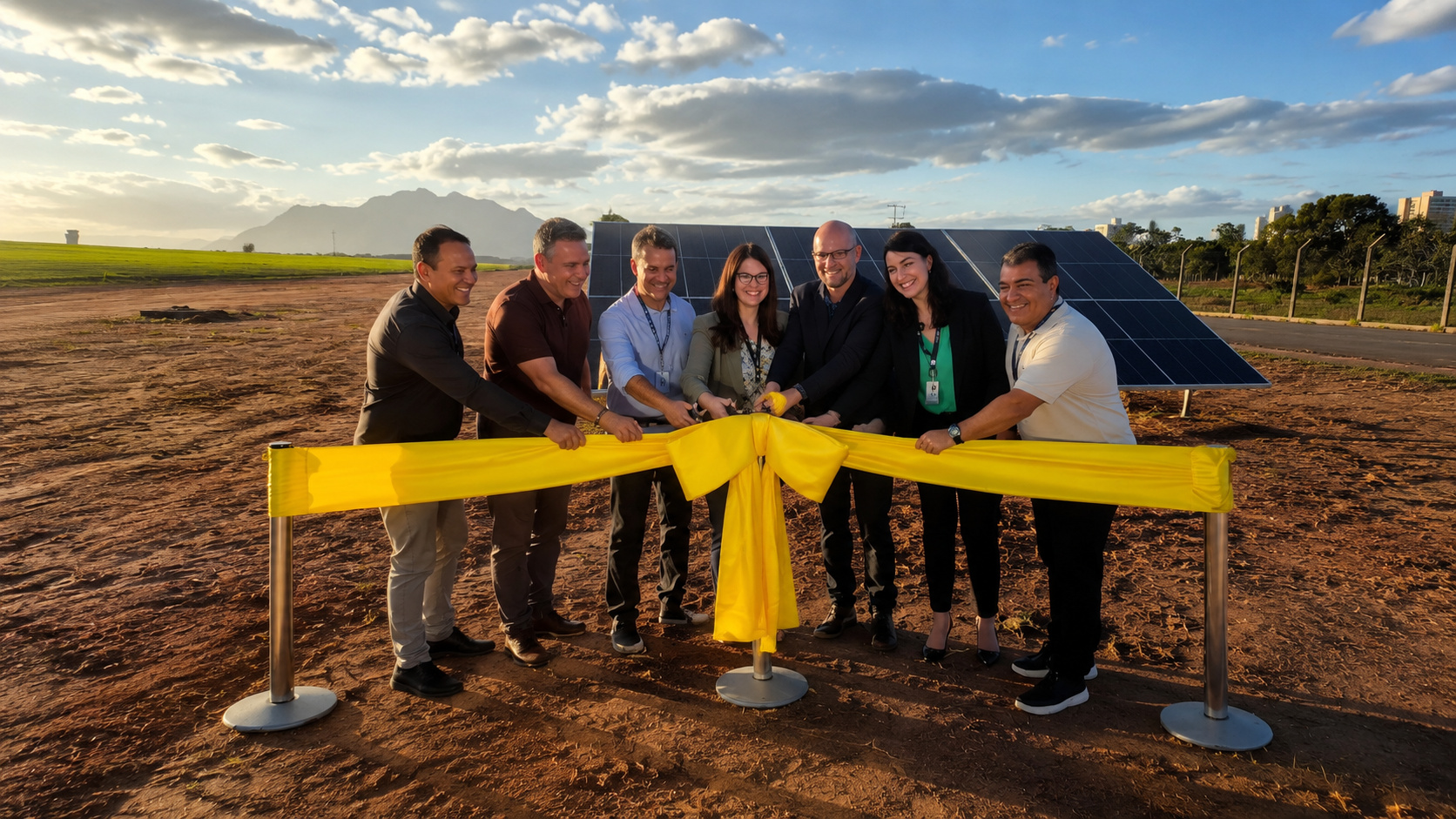
Brazil’s Vitória Airport to Launch Solar Plant Covering Area of 10 Soccer Fields, Boosting Clean Energy and Cutting Costs

-
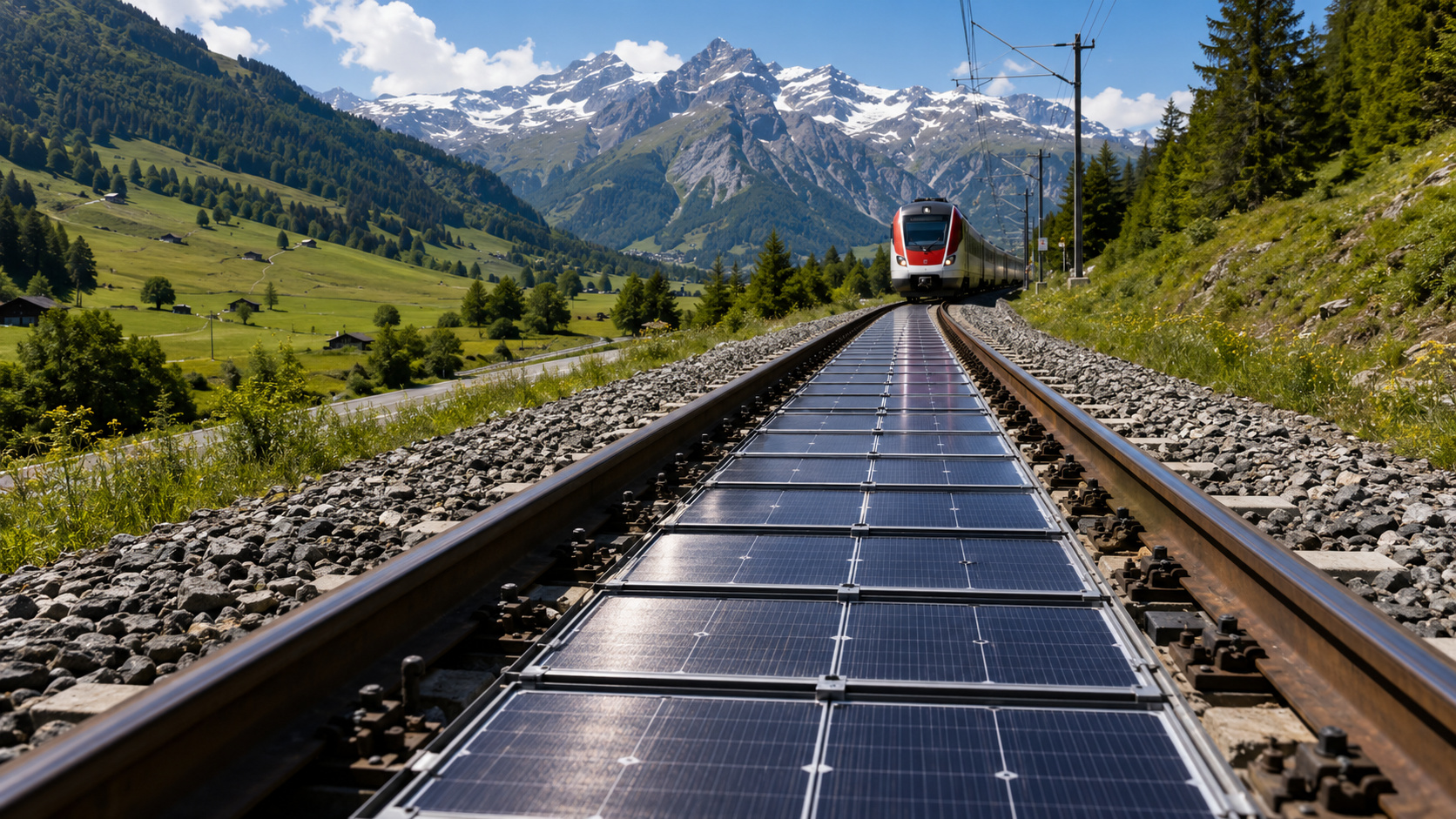
Switzerland Converts Train Tracks into Solar Power Plants with Removable Panels to Generate Energy Without Using Additional Land
-
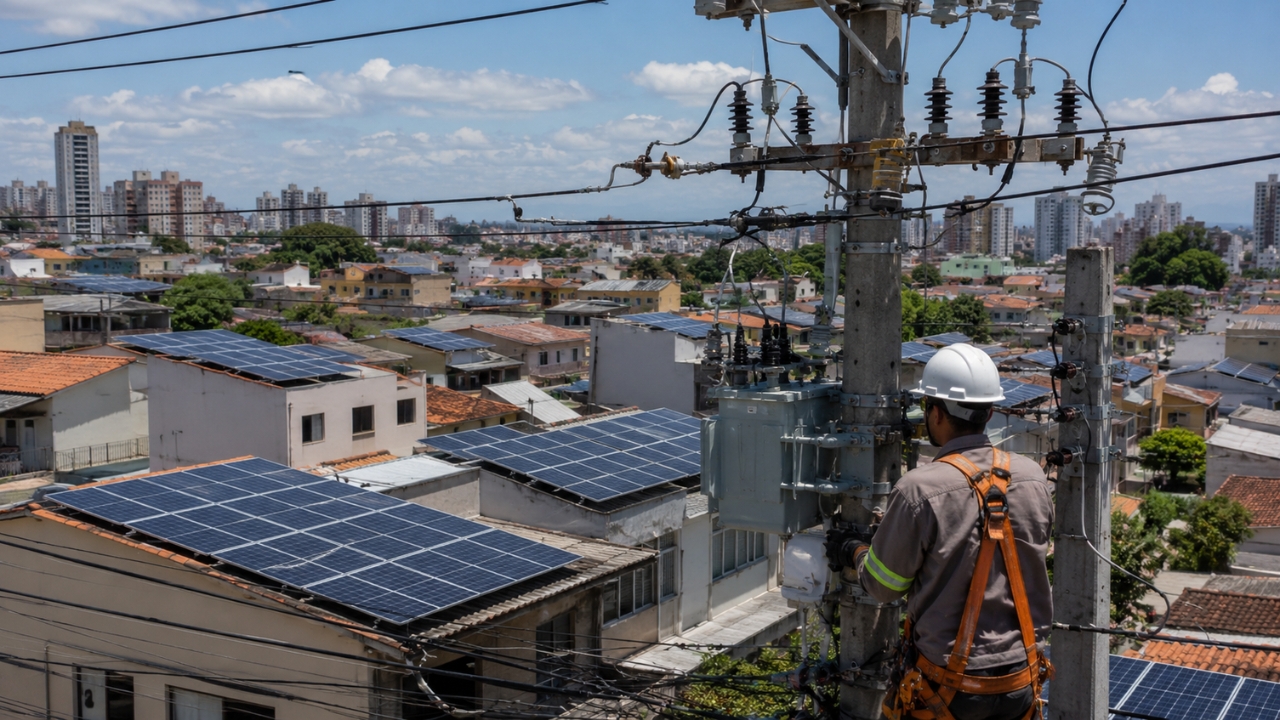
Surge in Solar-Powered Homes in Brazil Leads to Grid Strain and Connection Restrictions in Three States

-
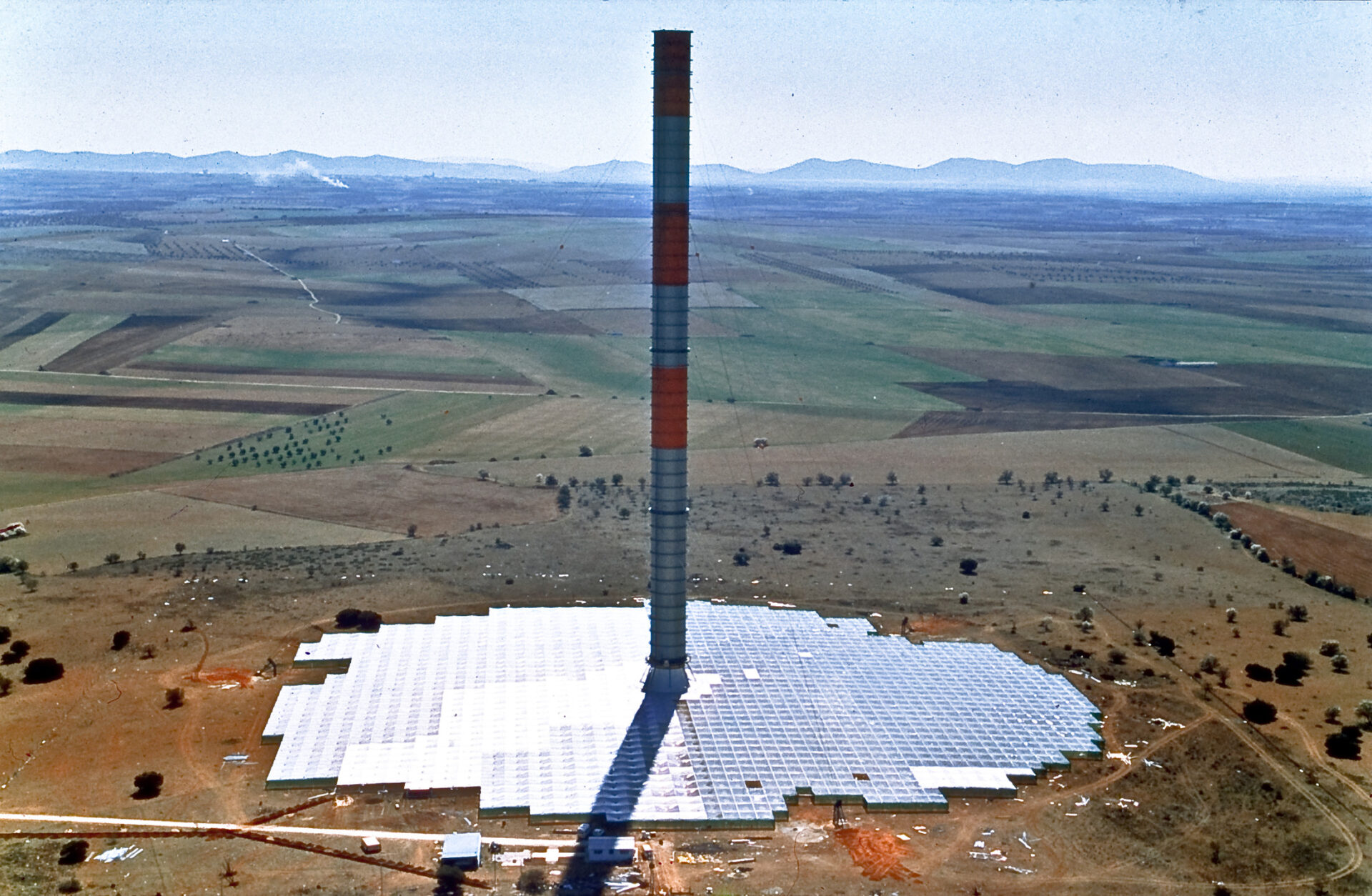
Solar Chimney in Spain Harnessed Sun to Generate Electricity for 7 Years Without Burning Fuel

Companies and rural properties take the lead in this process, driven by a combination of economic, regulatory, and environmental factors. Rising energy tariffs, the search for energy autonomy, and the consolidation of distributed generation rules have created a favorable environment for the accelerated expansion of technology.
During the year, more than 128,000 new installations were recorded, distributed among rooftops, coverings, solar parking lots, and ground systems. This growth demonstrates that solar energy has become integrated into the financial and operational planning of businesses of various sizes, including small agricultural producers and large corporate groups.
Distributed Generation Advances And Expands Reach Among Companies And Rural Properties
Since 2012, solar distributed generation has powered approximately 2.6 million companies and rural properties across Brazil. This volume results from 774,000 installed photovoltaic systems, which together total 21 GW of operational capacity, according to consolidated data from Aneel.
This continuous growth highlights a structural change in the national electric sector. Companies and rural properties have transitioned from passive consumers to active energy producers, contributing to reduced losses in the grid and greater overall system efficiency.
In agriculture, solar energy plays an even more significant role. Rural properties use systems to power irrigation, refrigeration, storage, and industrial processes, reducing operational costs and ensuring greater energy stability in regions with limited infrastructure.

Growth Of The Corporate Solar Energy Market In 2025
In addition to the overall market performance, TTS Energia itself recorded a 20% growth in business in 2025, with the sale of approximately 370 megawatts-peak (MWp) in projects aimed at corporate clients in Brazil.
The contracts involved complete solar energy solutions, including photovoltaic systems on rooftops, ground plants, carports, zero-grid projects, batteries, and hybrid solutions. This portfolio reflects the evolution of the market and the growing sophistication of the demand from companies and rural properties, seeking greater efficiency, resilience, and control over energy consumption.
Solar Energy Projects Show Practical Application Of Distributed Generation
Among the projects developed in 2025, one highlight was the installation of a photovoltaic system on the roof of the operations center of Aggreko, a global provider of energy solutions and equipment, located in Jaguariúna, in the interior of São Paulo. The project features 130 photovoltaic modules, totaling 79.3 kilowatts-peak (kWp) of installed power.
Another relevant project was the implementation of the first technological center of Henkel in Latin America, developed in partnership with the construction company Athié Wohnrath, specialized in sustainable constructions. The initiative included the installation of more than 580 photovoltaic modules, divided into two mini-plants: one installed on the building’s slab and another over the parking lot, in the carport format.
Together, the structures total approximately 360 kWp of installed power, reinforcing the role of solar energy as a central element of corporate energy strategy.
Solar Energy Strengthens Competitiveness And Environmental Goals Of Companies
For TTS Energia’s CEO, Jacques Hulshof, the advancement of distributed generation reflects a definitive change in how the productive sector views energy.
According to the executive, solar energy continues to be a strategic pillar for companies, combining competitiveness, cost predictability, and tangible progress in decarbonization goals.
This logic applies to both large industries and companies and rural properties, especially in agriculture, which faces increasing pressure for sustainable practices and emission reductions.
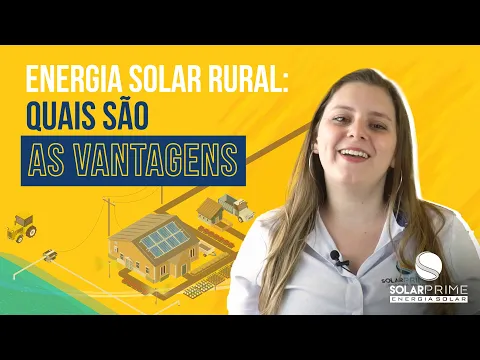
Agriculture Boosts The Expansion Of Distributed Generation In The Country
The agriculture sector plays a central role in the expansion of distributed generation in Brazil. Rural properties adopt solar energy systems to reduce expenses, mitigate risks of tariff fluctuations, and ensure energy autonomy in regions far from large urban centers.
Additionally, companies and rural properties linked to the agro-industrial sector use self-generation of energy as a tool to meet demands from international markets, green credit lines, and environmental commitments made to investors.
Solar Energy Storage Enhances The Efficiency Of Distributed Generation
According to Jacques Hulshof, the next step in the energy transition in the corporate sector will be the incorporation of battery storage systems. This technology allows for greater utilization of the solar energy generated, as well as increasing the security and stability of supply.
The incorporation of batteries will significantly enhance the efficiency, safety, and sustainability of companies, concluded the CEO of TTS Energia. For companies and rural properties, especially in agriculture, storage represents greater independence from the electrical grid and greater resilience against supply interruptions.
A New Energy Standard For Companies And Rural Properties In Brazil
The consolidated data from 2025 show that companies and rural properties invest in solar energy as an essential part of their business strategy. The billion-dollar investment, the addition of 3.1 GW, and the rapid expansion of distributed generation confirm the maturity of the Brazilian market.
Solar energy has solidified as a driver of competitiveness, sustainability, and innovation, with a direct impact on agriculture and the corporate sector. With the integration of batteries and hybrid solutions, the trend is for even greater strengthening of this model in the coming years.