Portuguese
  Spanish


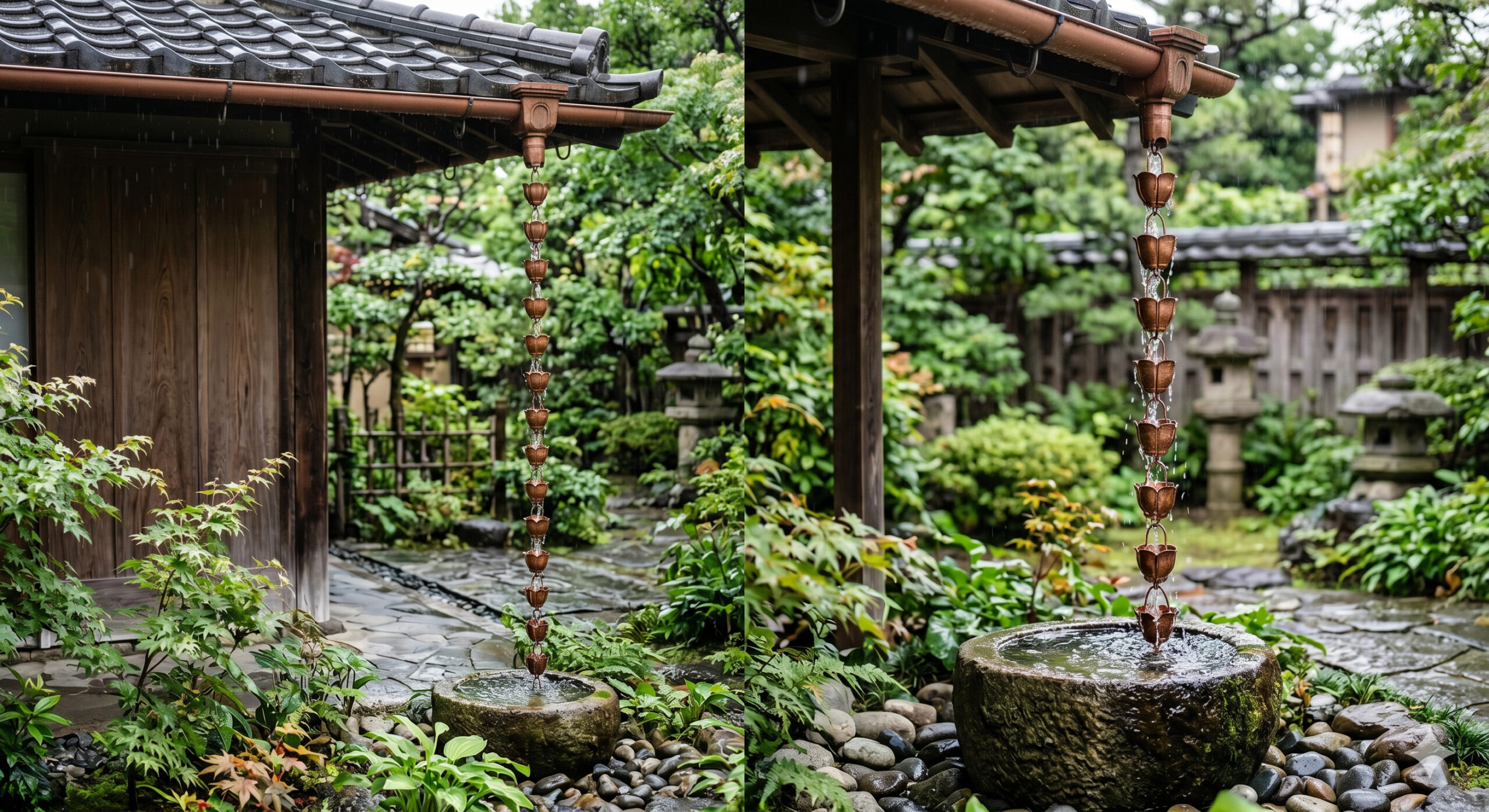

Metal chains replace traditional gutters, reduce clogs, and transform rainwater into a visual effect in homes.
In 2024, amid the search for simpler and more durable solutions for rainwater drainage in construction, a traditional Japanese system has regained popularity in contemporary projects: the use of metal chains for directing rainwater, known as rain chain or kusari-doi. In a text published by Japan Experience on June 21, 2024, the technique is described as a historical alternative to downspouts, used for centuries in Japan in temples, shrines, and traditional residences. This solution replaces traditional downspouts with chains that direct water from the roof to the ground or to a collection point. Although often perceived as an aesthetic feature, the system has a clear functional basis: according to Clemson Cooperative Extension, on June 11, 2020, water flows down the chain due to gravity and surface tension, and models with cups can help reduce splashing and soil loss.
Japan Experience, in June 2024, also notes that rain chains typically require relatively simple cleaning, although performance depends on the material, design of the piece, and intensity of the rain.
The technique has been used in Japan for centuries, especially in temples and traditional residences, and has been incorporated into modern projects around the world, including in Brazil.
-
More than 6,000 trucks poured nearly 70,000 cubic meters of concrete without interruption for 72 hours to create the largest continuous concrete pour in history and erect a megaproject in Saudi Arabia.

-
28-meter, 156-ton titans traveled 20,000 km from China to the port of Santa Catarina: Portonave received 7 fully electric megacranes, part of a R$ 210 million package, to double container handling.
-
They exchanged the idea of a large house for a 35 m² warehouse, spent US$ 12,000 on the structure, and created a tiny house in Colorado with space to live and work.

-
A newly opened terminal in the middle of the Amazon has begun transporting soy and corn through Amapá, eyeing the queue of ships that is congesting the ports in the South.



How the metal chain system works in practice
The operation of the system is relatively simple. Instead of a closed pipe directing the water, a metal chain is installed at the outlet of the gutter.
When it rains, the water flows down adhering to the surface of the chain due to gravity and surface tension. This phenomenon keeps the flow relatively controlled, preventing excessive dispersion.
There are two main types of systems:
- Simple chains, made of metal links
- Chains with small interconnected containers or cups, which help direct the water better
These variations directly influence the behavior of the flow, especially in heavier rains.
Reduction of clogs is one of the main differentiators of the system
One of the biggest problems with traditional gutters is the clogging caused by leaves, branches, and debris accumulating inside the downspouts.
Since the chain system is open, there is no internal channel where these materials can accumulate and block the passage of water.
This significantly reduces the need for:
- Frequent cleanings
- Unclogging
- Corrective maintenance
Additionally, in the case of partial obstruction, water continues to flow over the external surface of the chain, which prevents concentrated overflow.
System also reduces hydraulic pressure and risk of structural damage
Another relevant point is the behavior of water during heavy rains. In conventional pipes, the flow occurs in a closed channel, which can generate high internal pressure, especially with large volumes of water. This can cause:
- Intense noise
- Vibrations
- Accelerated wear
- Leaks in connections

In the chain system, water descends in a more distributed manner and with less concentrated pressure. This reduces the structural impact on the drainage system.
Installation tends to be simpler and with lower cost
The replacement of pipes with chains can also represent cost reduction, depending on the material chosen.
While traditional systems require:
- Specific piping
- Connections and elbows
- More complex structural fixings
Metal chains require a more straightforward installation, with fewer parts and less need for adjustments.
The final cost varies according to the type of chain (galvanized steel, stainless steel, copper), but in many cases, the system can be competitive compared to conventional gutters, especially when considering maintenance costs over time.
Visual effect transforms rainwater into an architectural element
One of the factors that most drove the recent popularization of rain chains is the visual effect. During rain, the water flows down the chain, creating a continuous stream that can resemble a waterfall. In models with metal cups, this effect becomes even more evident, with the water being sequentially conducted between the elements.
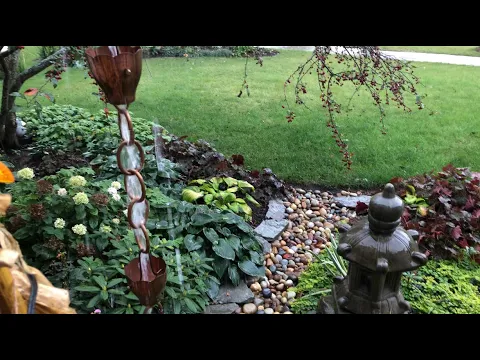

This behavior transforms stormwater drainage into an aesthetic element of the house, something that does not occur with traditional pipes.
In modern architectural projects, this feature is often used to integrate functionality and design, especially in outdoor areas and gardens.
System can be integrated with rainwater harvesting
In addition to its drainage function, the rain chain can be used as part of water harvesting systems. The water conducted by the chain can be directed to reservoirs, gardens, and infiltration systems in the soil.
This allows for more efficient use of rainwater, especially in regions with water scarcity or high supply costs.
Despite the advantages, the system is not universally applicable without adjustments. In regions with very heavy rainfall, the chain’s conduction capacity may be lower than that of closed pipes. In such cases, the following may occur:
- Lateral dispersion of water
- Loss of flow control
- Need for complementary systems
Therefore, proper sizing is essential. In more complex projects, it may be necessary to combine chains with other drainage elements.
Use is growing in sustainable and low-impact projects
The adoption of metal chains is directly linked to trends in contemporary architecture, such as:
- Reduction of materials
- Construction simplification
- Integration with the environment
- Sustainability
The system eliminates part of the piping and facilitates maintenance, which reduces resource consumption over the lifespan of the building.
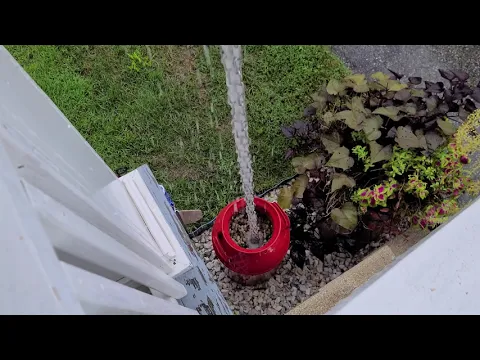
Furthermore, by allowing the use of rainwater, it contributes to more efficient solutions in the use of natural resources.
What do you think about replacing gutters with metal chains
The idea of replacing traditional pipes with chains may seem unusual at first glance, but it brings practical and aesthetic advantages that explain its growing adoption. With less risk of clogging, simplified installation, and the possibility of integration with water collection, the system positions itself as a real alternative in certain types of construction.
Would you use this type of solution in your home or do you still prefer the traditional model of closed gutters?