Portuguese
  Spanish


New generation of Irizar i6S Efficient H2 FCEV targets medium and long trips with zero emissions at the exhaust, high range, and operation similar to diesel buses
The Spanish manufacturer Irizar has introduced the new generation of the i6S Efficient H2 FCEV, a hydrogen-powered coach that promises a range of over 1,000 kilometers on a single refueling. The model arrives as one of the most ambitious bets of the European industry to reduce emissions in medium and long-distance passenger transport.
According to Diário do Transporte, the novelty was announced on June 9, 2026, and brings advances in capacity, efficiency, weight reduction, and refueling time. The most striking feature is the combination of great range and refueling in approximately 10 minutes, an important characteristic for companies that need to maintain long routes without long operational stops.
The launch reinforces a technological race that is expected to gain momentum in the coming years. While battery electric buses advance more rapidly in urban transport, hydrogen emerges as an alternative for road routes, where weight, stop time, infrastructure, and range remain significant obstacles.
-
Spanish Farmers Turn Surplus Wool into Thermal Pool Umbrellas to Solve Rural Surplus Problem

-
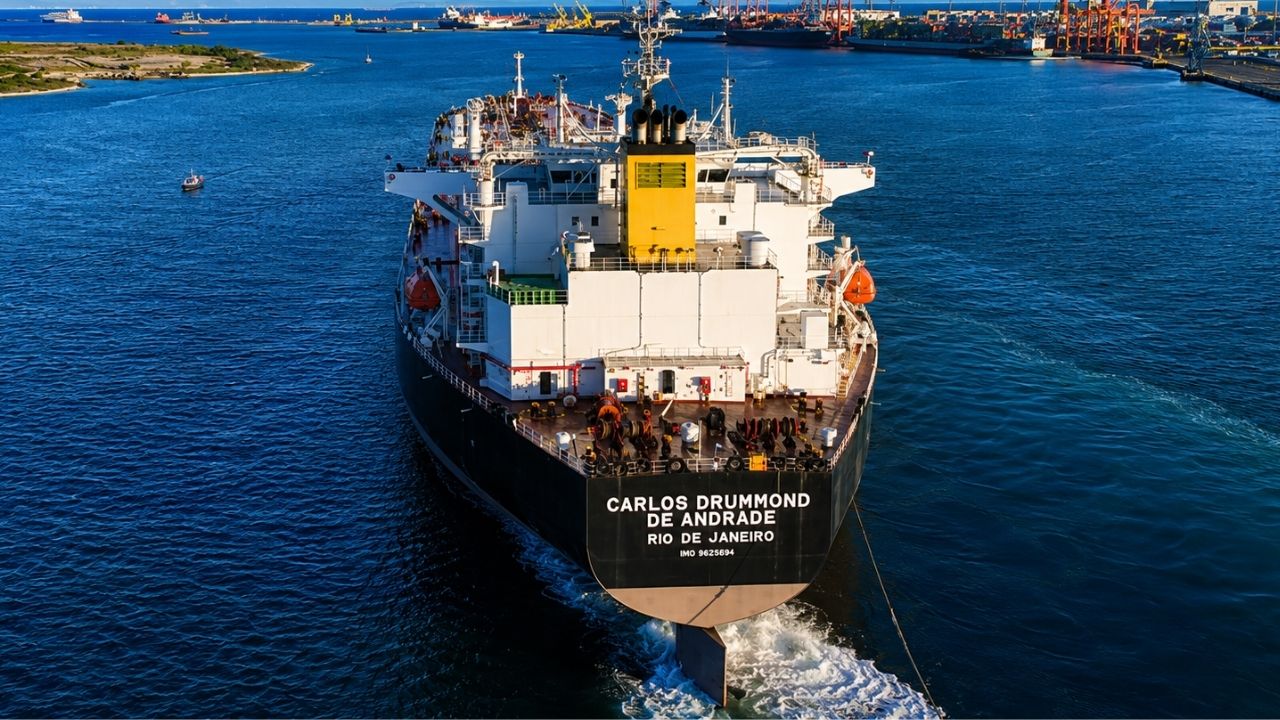
Brazilian Ship Refuels with 30% Renewable Fuel in Rotterdam: Transpetro Tests B30 for the First Time, Aiming to Reduce Maritime Emissions and Showcase a Quiet Transition in Key Global Ports
-
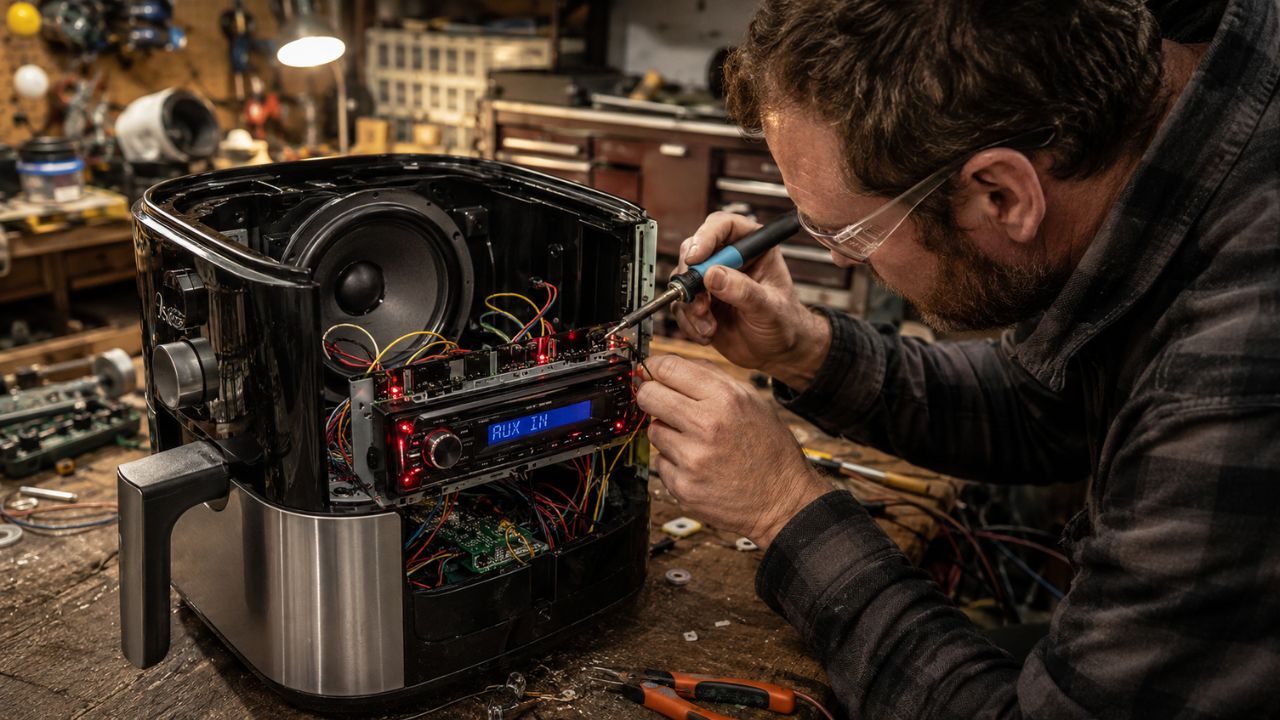
Brazilian Man Ingeniously Transforms Air Fryer into Functional Speaker with Radio and Volume Controls
-
Rows of “stone balls” emerge at low tide on California beach, with formations up to 1.5 meters aligned like a Pacific bowling alley



In practice, Irizar aims to bring the hydrogen bus closer to the operational routine of diesel-powered models. The promise is to deliver a vehicle with zero emissions at the exhaust, but without requiring major changes in the logic of trips, schedules, and refueling of road fleets.
Range over 1,000 km puts hydrogen at the center of road transport
According to Irizar, the new i6S Efficient H2 FCEV has already passed the homologation processes and is expected to operate under real conditions with Alsa, in the Madrid region, during the summer months in the Northern Hemisphere. The manufacturer states that the model was developed for medium and long-distance services, precisely the segment where range is more crucial in company decisions.
The range of over 1,000 km is a strategic figure because it aligns with the operational logic of traditional road buses. On many routes, this allows for extensive trips without frequent refueling, reducing concerns about intermediate stops and productivity loss.
Another advancement is in refueling time. While battery electric vehicles may require longer charging windows, especially in high mileage operations, hydrogen allows for a quicker energy replenishment when infrastructure is available.
This detail does not eliminate the challenges of technology, but changes the debate. For road transport, the problem is not just moving the vehicle without diesel, but doing so while maintaining autonomy, luggage capacity, number of passengers, and operational predictability.
How the Irizar Hydrogen Bus Works
The i6S Efficient H2 FCEV uses a hydrogen fuel cell to generate electricity on board. Instead of burning diesel in a combustion engine, the system combines hydrogen and oxygen in an electrochemical process, generating energy to power the electric drivetrain.
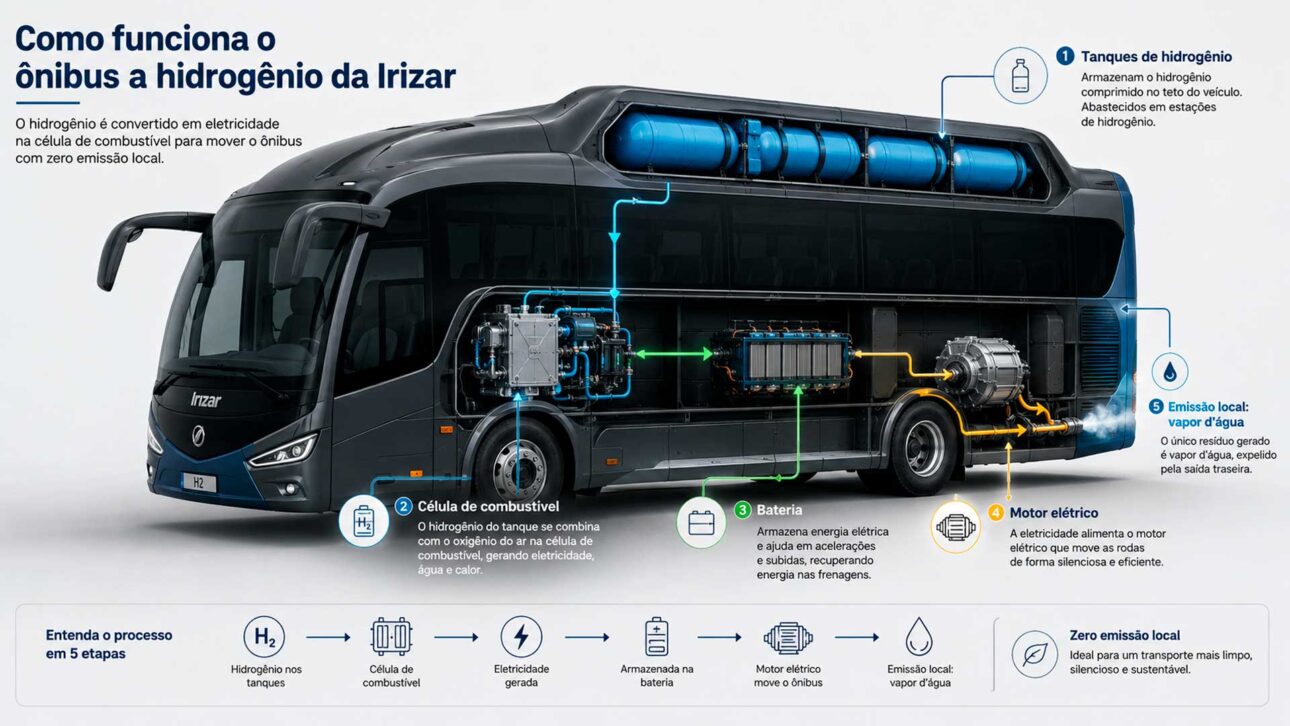
The direct result is that the bus moves like an electric vehicle but carries energy in the form of compressed hydrogen. This allows for a reduction in battery weight compared to models that rely solely on large battery packs to achieve long distances.
In operation, the fuel cell works together with the vehicle’s electrical system. The bus can use energy generated on board and also take advantage of resources such as energy recovery during braking, depending on the architecture adopted by the manufacturer.
The great commercial appeal lies in the attempt to maintain attributes similar to those of a diesel bus. In other words, the operator would have a vehicle with lower local emissions but with autonomy and refueling time closer to the standard already known in road transport.
Zero Emission at the Exhaust Does Not Mean Zero Impact Across the Entire Chain
An essential point for the reader to understand is that the hydrogen bus does not emit exhaust gases like a diesel model. During use, the main byproduct of the fuel cell system is water vapor, which reduces local emissions and improves air quality around routes and terminals.
However, the total environmental impact depends on how the hydrogen is produced, transported, and stored. According to the International Energy Agency, low-emission hydrogen can play a significant role in hard-to-decarbonize sectors, including long-distance transport, but still faces challenges of cost, scale, and infrastructure.
This means that the technology is cleaner when fueled with hydrogen produced from renewable or low-emission sources. If the fuel comes from processes with high carbon emissions, part of the environmental gain may be reduced outside the exhaust.
Therefore, the discussion should not be simplified as an automatic swap from diesel to a perfect solution. The hydrogen bus can be an important tool, but its success depends on clean production, reliable supply network, and competitive cost for operators.
Europe pressures manufacturers to reduce emissions of buses and heavy vehicles
Irizar’s advancement comes at a time of increased regulatory pressure in Europe. According to information from the European Commission, the revised rules for heavy vehicles set tougher CO₂ reduction targets, with progressive cuts for new vehicles and stronger requirements for zero-emission urban buses in the coming years.
Although specific targets vary according to the type of vehicle, the message to the industry is clear. Manufacturers of buses, trucks, and heavy vehicles need to accelerate electric, hydrogen, and low-emission solutions to meet the new climate requirements.
In this scenario, the hydrogen coach bus gains relevance by operating precisely in a more complex area of the energy transition. Unlike urban transport, where fixed routes and garage charging facilitate electrification, the coach segment depends on high autonomy and infrastructure spread across large corridors.
Irizar also tries to position itself in a segment where competition is still forming. The market is already familiar with more mature electric urban buses, but the long-distance coach bus without diesel is still seeking the best balance between cost, range, stop time, and real operation.
First generation had already made a 2,500 km trip in Europe
The new generation also benefits from the experience accumulated by the previous version of the hydrogen bus. The first generation of the Irizar i6S Efficient Hydrogen was presented at Busworld Europe in 2023 and then made a journey of approximately 2,500 kilometers between Ormaiztegi, in the Basque Country, and Briançon, in the French Alps.
This trip was used by the manufacturer as a demonstration of feasibility in long-distance conditions. The route helped validate the use of the technology on demanding routes and served as a basis for the evolution of the new generation of the model.
Now, the promise is to go beyond the technical demonstration and test real commercial operation. The stage with Alsa in Madrid will be important to measure performance, consumption, availability, comfort, maintenance, and infrastructure adaptation.
For transport companies, this type of test weighs more than the announcement of autonomy itself. What defines large-scale adoption is knowing if the vehicle can operate regularly, with low downtime and predictable cost over thousands of kilometers.
What can still hinder the expansion of the hydrogen bus
Despite technological advancement, hydrogen still faces significant barriers. The first is infrastructure, as road buses need reliable refueling points in garages, terminals, or strategic long-distance corridors.
The second barrier is cost. Fuel cells, storage tanks, and safety systems still make the vehicle more expensive than conventional solutions. Even with a gradual drop in prices, the technology depends on industrial scale and public policies to compete with diesel in many markets.
The third difficulty lies in the supply of clean hydrogen. For the environmental promise to be strong, the fuel needs to be produced with low emissions, which requires renewable energy, electrolyzers, logistics, and stable supply contracts.
There is also a competition with battery electric buses. On short urban and intercity routes, the battery can be simpler and more efficient. On long routes, hydrogen tries to gain ground by offering faster refueling and greater autonomy.
Why this technology interests Brazil
In Brazil, Irizar’s announcement does not mean the immediate launch of the model in the national market, but it serves as a warning about the direction of the global bus industry. The country has one of the largest passenger road operations in the world and still heavily relies on diesel vehicles.
According to the Government of Brazil, the Move Brasil program provides financing for the renewal of truck, bus, minibus, and road implement fleets, focusing on modernization, safety, and reduction of logistical costs. Although the program is aimed at vehicles manufactured in Brazil, it shows that the renewal of the heavy fleet has returned to the center of the public agenda.
The difference is that, here, the adoption of hydrogen buses would still depend on the industrial chain, fuel price, refueling stations, incentives, and pilot projects. Without this, the technology tends to remain restricted to tests, specific corridors, or demonstrative operations.
Even so, the case of Irizar helps anticipate a question that should reach the Brazilian market in the coming years. If diesel becomes more expensive, more regulated, or more pressured by environmental goals, companies and governments will have to decide between battery, biofuels, gas, hydrogen, or a combination of these alternatives.