





 Portuguese
  English
  Spanish
 2 min of reading
  0 comments


Enel Launches Public Call with R$ 96 Million for Solar Energy, Energy Efficiency, and Battery Storage Projects in SP, RJ, and CE; See Deadlines, Criteria, and How to Participate.
The Enel Brazil announced the opening of the Public Call for Energy Efficiency Projects 2026, with a total investment of R$ 96 million. According to the company, this is the largest amount of resources ever made available in its public calls.
The investments cover projects in the company’s concession areas in São Paulo, Rio de Janeiro, and Ceará. The allocation of resources was defined according to the demand of each region: R$ 80 million for São Paulo, R$ 8 million for Rio de Janeiro, and R$ 8 million for Ceará.
The initiative is part of the Energy Efficiency Program of the National Electric Energy Agency (ANEEL). The focus is clear: to encourage more efficient use of electricity and increase the presence of solar energy in local grids.
-
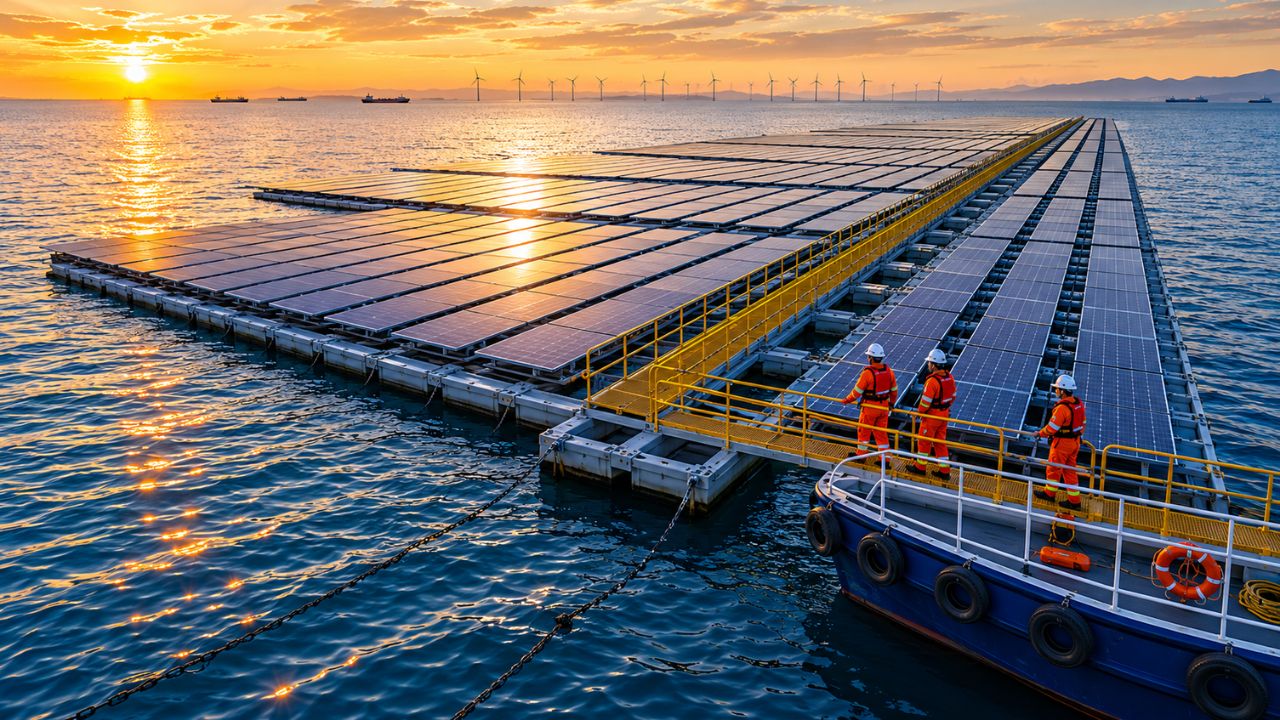
Solar panels at sea can generate up to 12% more energy than land-based plants, study finds: Researchers from Taiwan discovered that offshore solar panels take advantage of the natural cooling of water to increase electrical efficiency, reduce heat losses, and expand renewable energy production in regions with limited available land space.

-
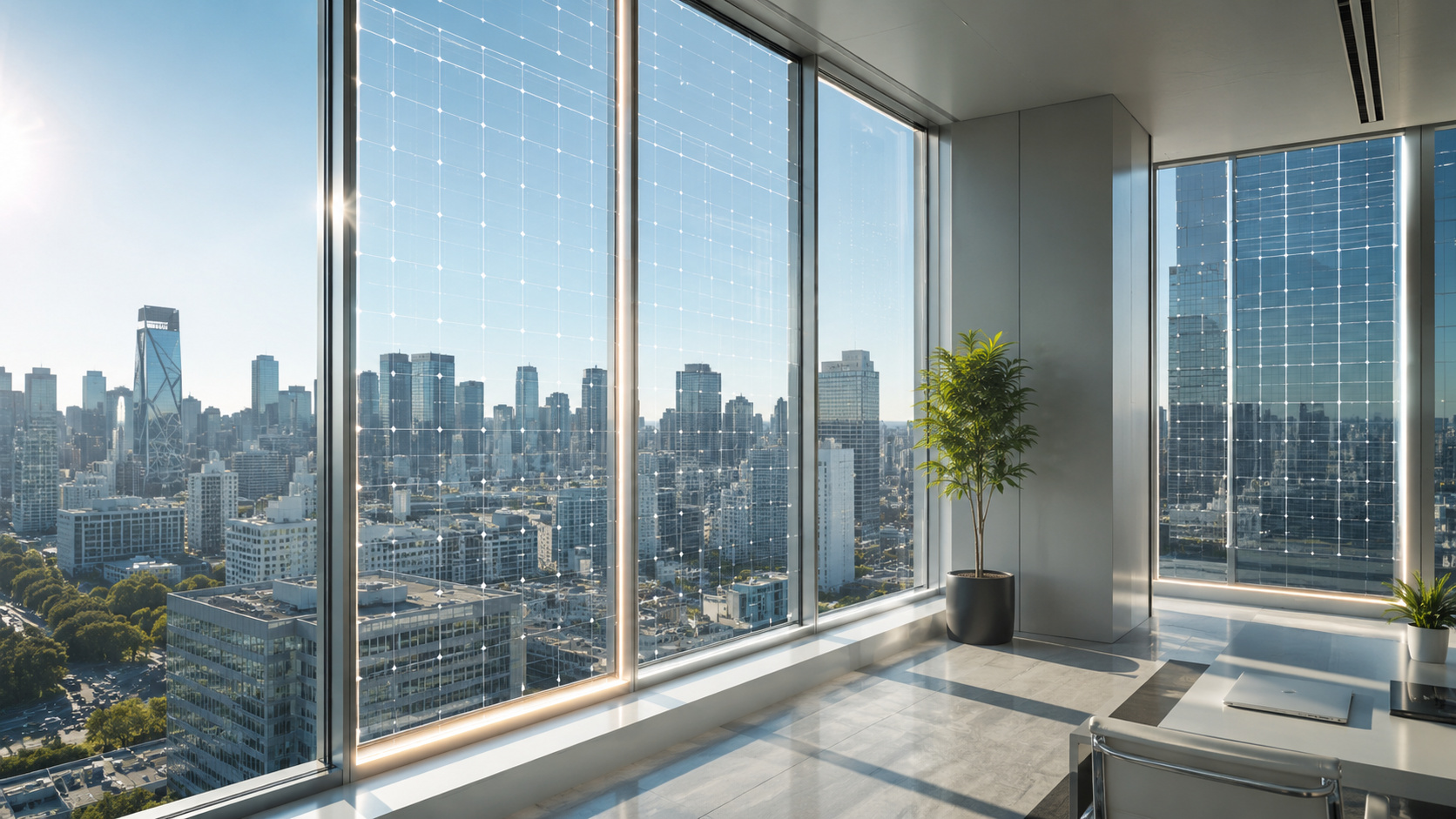
The era of solar panels attached to roofs is beginning to change with transparent glass that generates energy while keeping the view unobstructed, and perovskite photovoltaic windows already tested in offices in Japan promise to transform entire facades into invisible power plants without blocking light or altering the appearance of buildings.

-
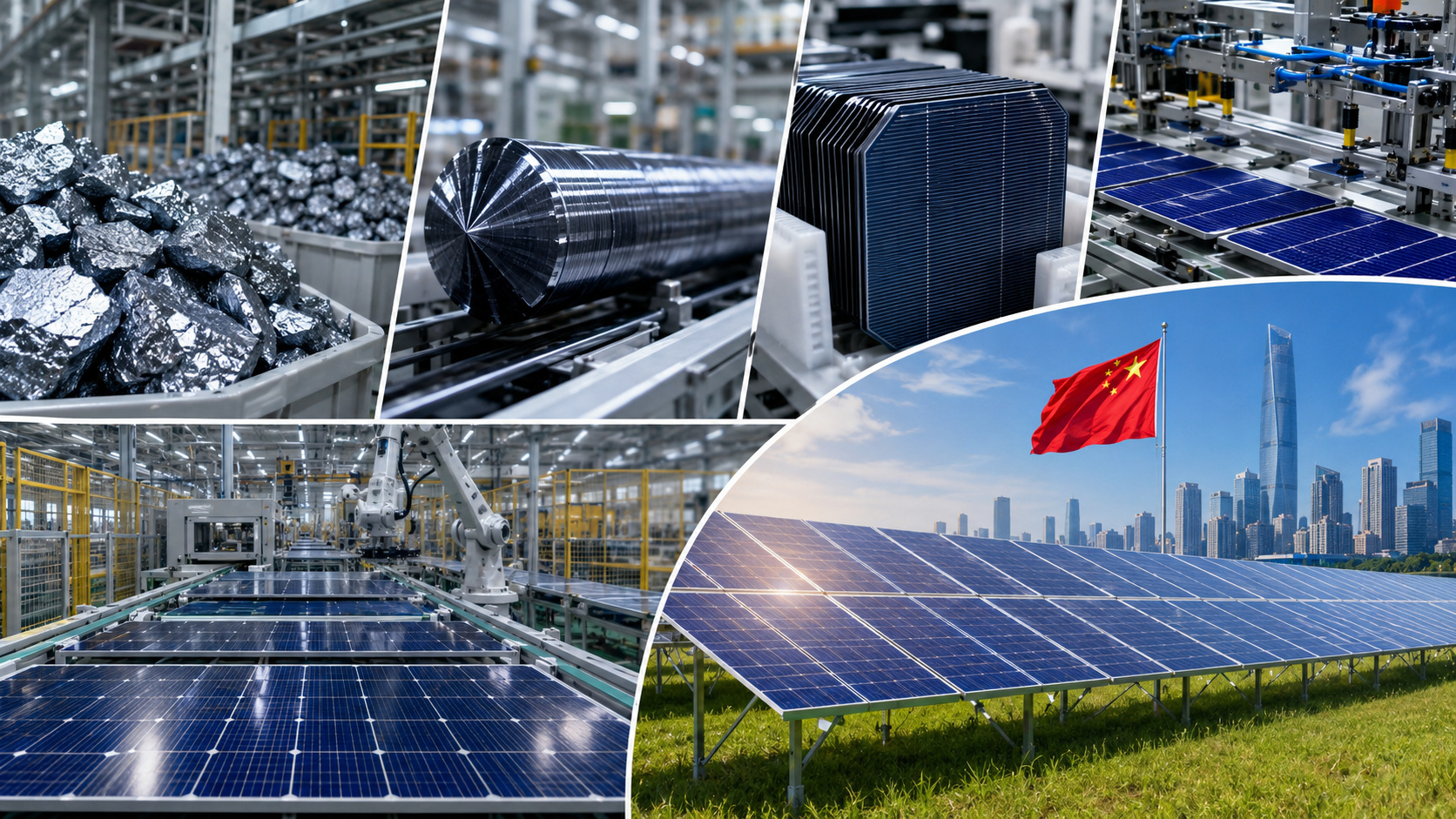
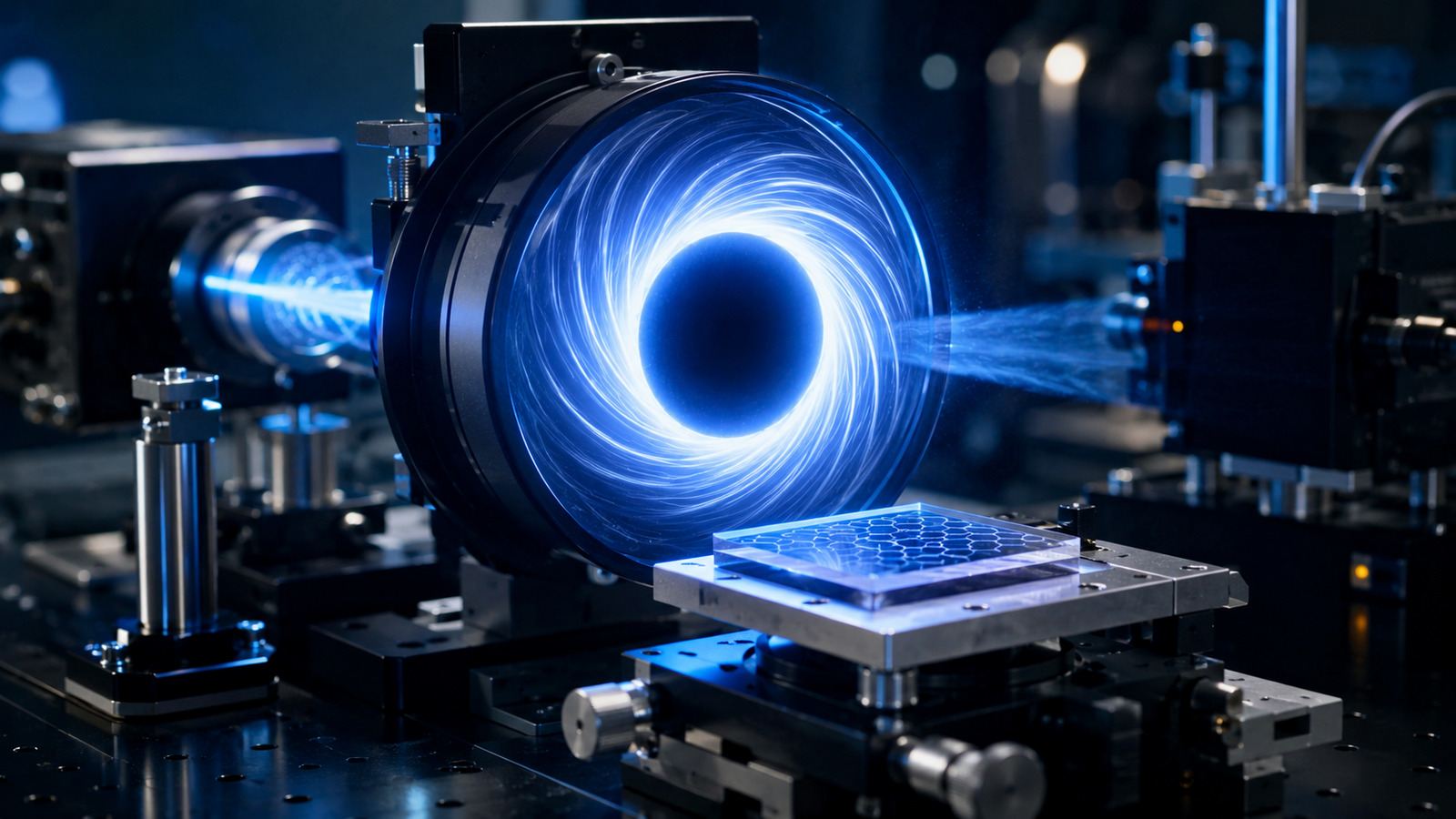
The era of silicon alone in solar energy comes to an end with the arrival of perovskite, a material that captures a broader light spectrum, is applied as a thin film, and, together with silicon, reaches a theoretical limit of 45% efficiency in tandem modules.

-
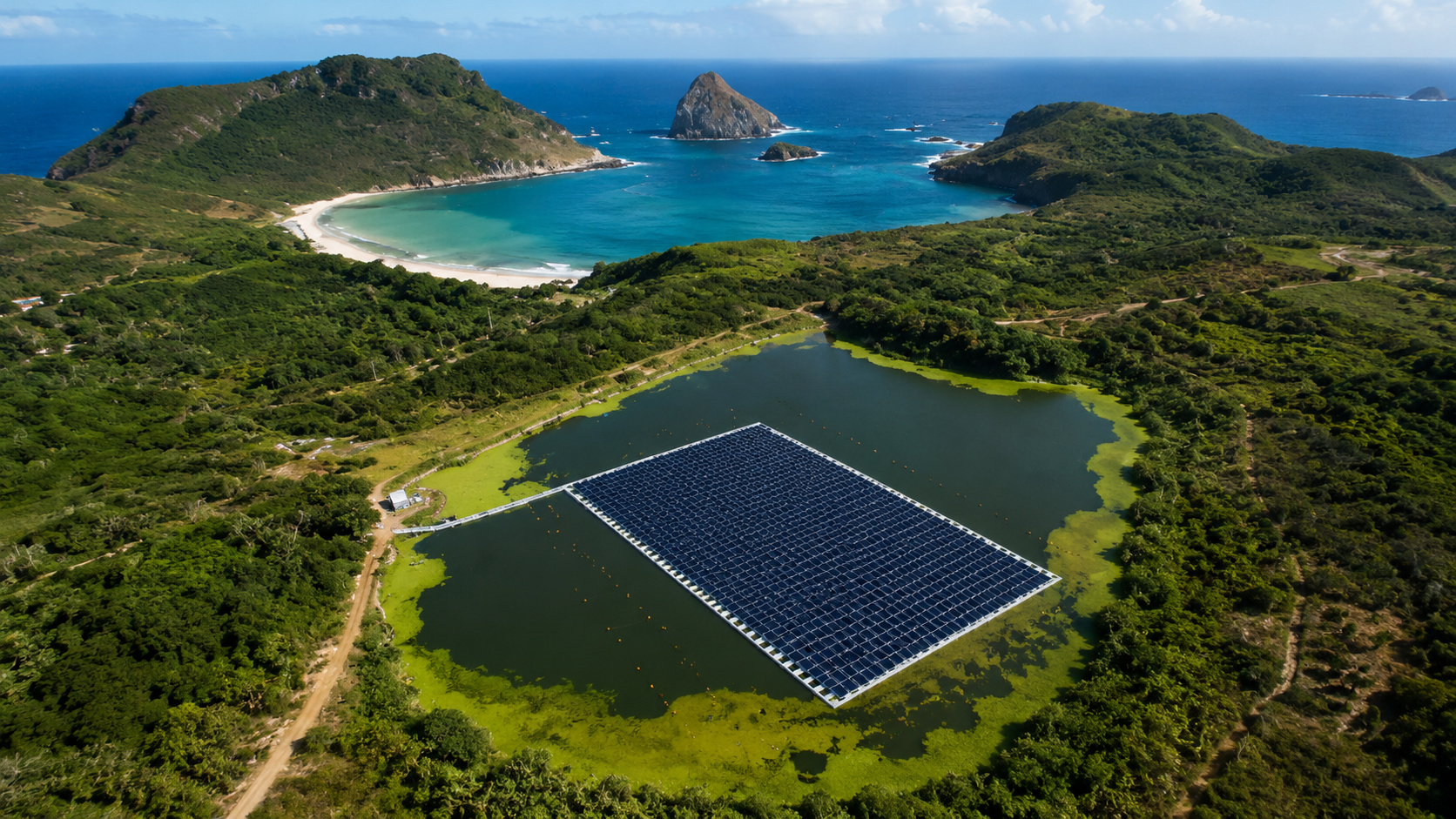
Fernando de Noronha begins unprecedented energy transformation with a R$ 350 million solar plant that promises to replace diesel generation and change the island’s sustainable future by 2027.
Who Can Participate and Which Projects Will Be Accepted
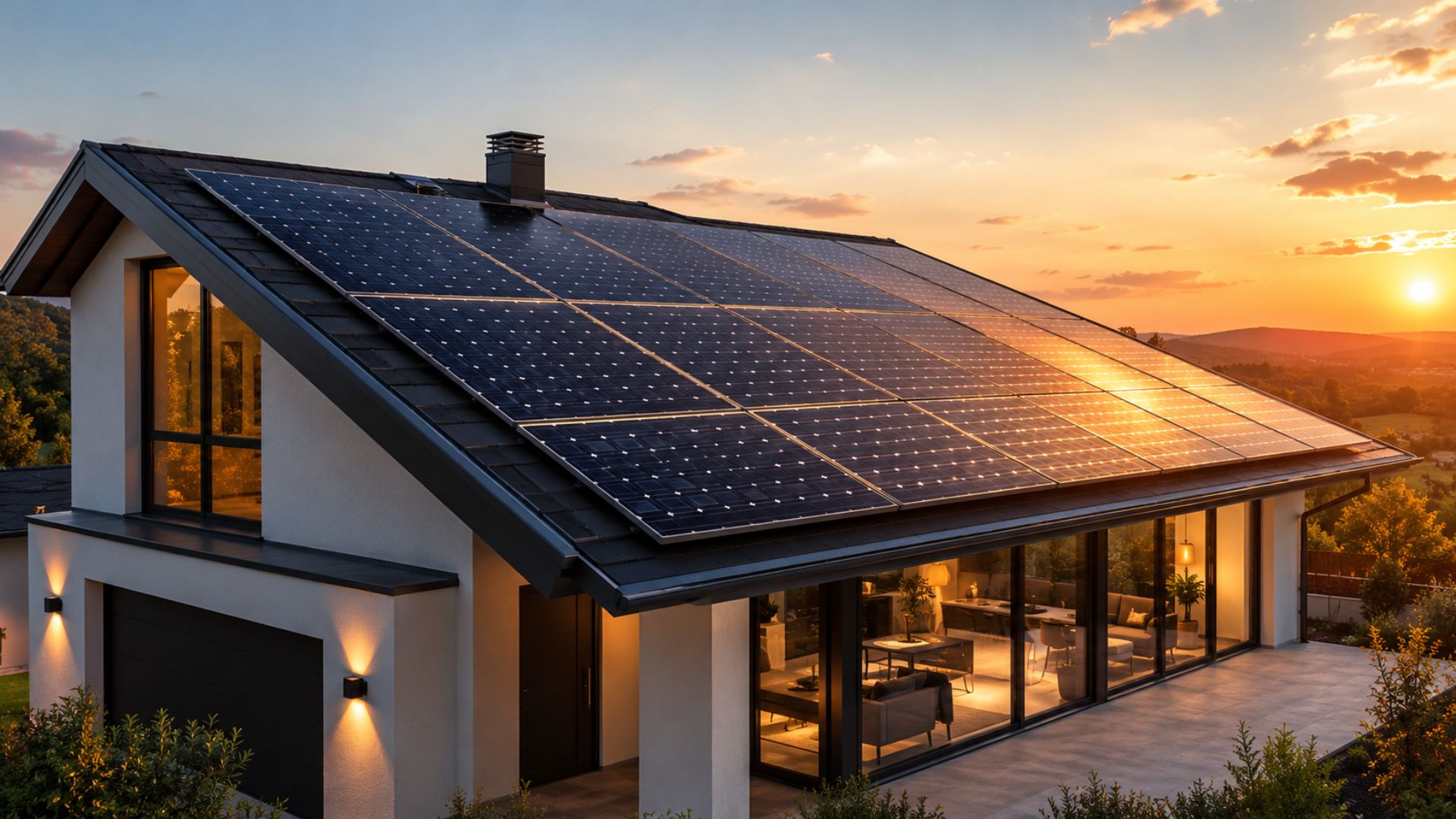
Proposals that reduce energy consumption can participate. These include modernization of lighting systems, replacement of old equipment, improvements in air conditioning, and implementation of solar energy plants.
Additionally, the call includes projects with energy storage in batteries. This is one of the main novelties of this year. The battery systems, known as BESS, must be associated with distributed generation, such as photovoltaic installations.
In practice, this means that solar energy projects will be able to store excess generated during the day for later use. This measure tends to increase efficiency and reduce waste.
Deadlines, Criteria, and Supervision
Proposals can be submitted until June 1, 2026, at 5 PM. Each state notice defines minimum and maximum amounts per project. Therefore, interested parties need to consult the specific rules of their region.
The selection will follow technical and economic criteria established by ANEEL. Among the points analyzed are the cost-benefit ratio, the potential for energy savings, and the counterpart offered by the customer.
After approval, projects will be monitored by Enel. Inspections, audits, measurements, and assessments are planned. The goal is to ensure that energy efficiency targets are truly met.




Be the first to react!