





 Portuguese
  English
  Spanish
  4 min of reading
  0 comments


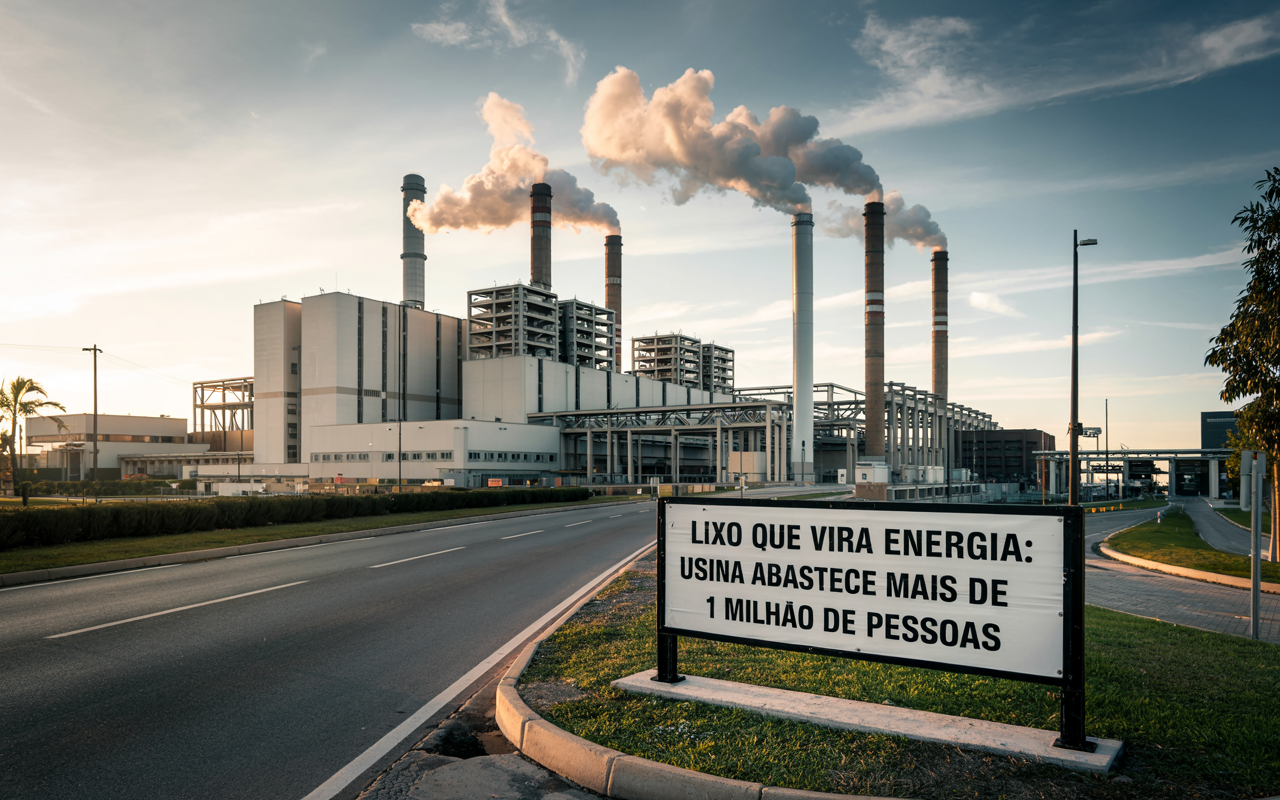
Transforming Waste Into Clean Energy, Istanbul Plant Processes Tons of Garbage Daily and Supplies More Than 1 Million People — A Silent Revolution in the Urban Biomass Industry.
The city of Istanbul is home to one of the largest waste-to-energy plants in Europe. Opened in 2021, the facility is capable of processing up to 3,000 tons of municipal solid waste per day, equivalent to about 15% of all domestic waste produced in the Turkish metropolis. In exchange, it generates enough electricity to supply more than 1.4 million people daily.
The project is located in the Eyüp district and was developed to handle population growth and the depletion of landfills. Instead of burying waste, the city adopted waste-to-energy technology, which converts urban waste into renewable energy with lower greenhouse gas emissions.
An Urban Solution for Waste and Energy
The plant is operated by İSTAÇ, Istanbul’s urban cleaning company, with technical support from Hitachi Zosen Inova and construction firm Makyol. The technology implemented includes three lines of incineration that operate at temperatures above 850°C. The entire process is controlled by automated systems that ensure the efficient burning of waste and the maximum recovery of thermal energy generated.
-
Brazil may fall behind, and irreversibly so, in the global technological race involving the implementation of Data Centers and investments in Artificial Intelligence (AI). Much smaller but more agile economies, such as those of Argentina and Paraguay, have taken the lead.

-
Brazil is generating so much clean energy that the ONS had to implement an unprecedented emergency plan to contain the solar and wind surplus in the grid.

-
USA covers canal with 2,556 solar panels and transforms irrigation into a clean power plant in the middle of a drought-stricken region

-
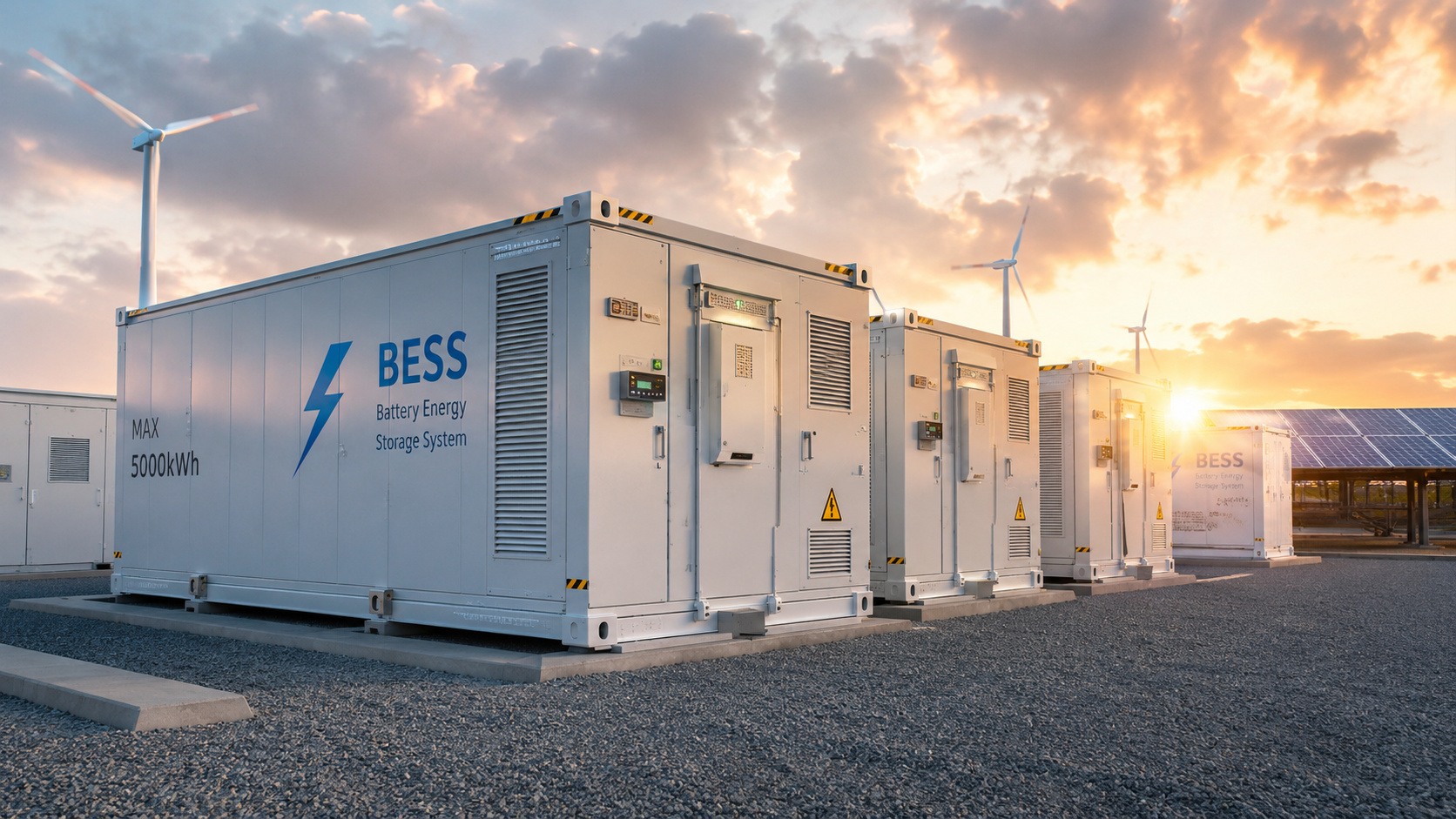
In a historic decision, Aneel regulates the use of batteries in the Brazilian electrical system and lays the groundwork for large-scale energy storage, reducing waste, enhancing energy security, and attracting new billion-dollar projects.


The thermal energy is converted into electricity through steam turbines. The system has a production capacity of 78 megawatts (MW) of electrical energy and 175 MWh of residual heat. This is equivalent to the average electrical energy consumption of more than one million people, as well as providing heat to urban areas during the winter.
Emission Reduction and Environmental Safety
The renewable energy facility employs high-efficiency filters for controlling atmospheric pollutants and complies with European Union environmental standards. Real-time monitoring ensures that emissions are within permitted limits. The project prevents the accumulation of waste in landfills, which in itself reduces methane emissions, a greenhouse gas more potent than CO₂.
It is estimated that the plant avoids the release of 1.38 million tons of carbon dioxide per year, directly contributing to the city’s climate neutrality goals and urban sustainability policies.
Waste Energy: A New Frontier for Urban Biomass
The concept of waste energy involves transforming urban biomass — organic waste, paper, plastics, and other non-recyclable rejects — into an alternative energy source. By using this fraction of waste as fuel, pressure on landfills is reduced and energy supply is increased with lower dependence on fossil sources.
The solid waste plant in Istanbul is considered a model of energy transition applied to the urban environment. It integrates the concept of a circular economy and shows that waste can cease to be an environmental liability and become a usable resource.
Investment and International Participation
The renewable energy project received public investments and funding from international organizations, such as the Asian Infrastructure Investment Bank (AIIB). The estimated cost exceeded €100 million, with a return expected in the form of savings in final waste disposal and energy generation.
Companies such as the French Veolia and Swiss HZI also participate in the maintenance, operation, and replication of the technology in other countries with similar demands.
Disposal of Ashes and Final Waste
The combustion of waste generates a considerable volume of ashes, which account for about 20% of the original volume of waste. These ashes are treated and stored in a controlled manner to prevent soil and water contamination. Part of them can also be used in the production of cement and construction materials, provided they are properly stabilized and tested.
This recycling carried out at the solid waste plant is part of the city’s integrated management plan, which aims to minimize waste disposal in landfills.
The Role of Technology in Global Expansion
The Istanbul plant is often cited as an example of sustainable urban infrastructure and has served as a reference for similar projects in Asia, Latin America, and Eastern Europe. Cities such as Buenos Aires and Manila are studying the implementation of similar models adapted to their respective demands and legal contexts.
Waste-to-energy technology demonstrates that it is possible to integrate waste management with renewable energy production in large urban centers, as long as the model is well planned and monitored.
When Waste Becomes a Solution
Waste energy has ceased to be an experimental proposal to become a reality in one of the largest cities in the world. The solid waste plant in Istanbul shows that it is possible to reconcile urbanization, energy generation, and waste management within a single structure.
With efficiency, environmental control, and utilization of urban biomass, it offers a viable model for other regions facing the dilemma of urban growth and sustainability. The trend is that projects like this will gain traction in the climate and energy agendas of emerging countries in the coming decades.




-

-

2 people reacted to this.