






 Portuguese
  Spanish


In Ponta Grossa, Recicla PG transforms recyclable waste into points on the phone, encourages the correct disposal of cooking oil, coffee capsules, and electronics, mobilizes recycling associations, and shows how a simple policy can generate savings in water, energy, preserved trees, and reduction of carbon dioxide
What if a can, a coffee capsule, or an old refrigerator were worth points on the phone? In Ponta Grossa, Paraná, Recicla PG put this idea into practice and started treating the recycling process as something of value within an app.
The program allows residents to deliver recyclable materials and receive points. The list includes aluminum, plastic, cooking oil, coffee capsules, glass, styrofoam, electronics, and large appliances, such as refrigerators, stoves, and range hoods.
The information was released by the Municipal Government of Ponta Grossa, the official body of municipal administration in Paraná. On April 15, 2026, the program completed one year of operation, and since then has registered 2,024 people enrolled, 43.6 tons of recyclable materials correctly disposed of, and 244 rewards redeemed.
-
Kenyan Company Recycles Over 10 Million Flip-Flops from Indian Ocean Beaches into Elephant and Giraffe Sculptures Sold for Up to $1,200
-
Kenyan Company Recycles Over 10 Million Flip-Flops from Indian Ocean Beaches into Elephant and Giraffe Sculptures Sold for Up to $1,200
-
Singapore to Test Carbon Capture Technology to Tackle Emissions from Waste-to-Energy Plants in Dense Urban Areas

-
Half of Brazil’s Federal Public Works Projects Stalled: Audit Reveals 11,469 Abandoned Constructions and Billions Spent Without Delivering Schools, Hospitals, or Roads

How Recicla PG works and why recyclable waste turned into points on the phone
Recicla PG works through free registration in the program’s app. The person separates the accepted materials, takes the waste to a drop-off point, and receives points according to the type of item, weight, or unit.
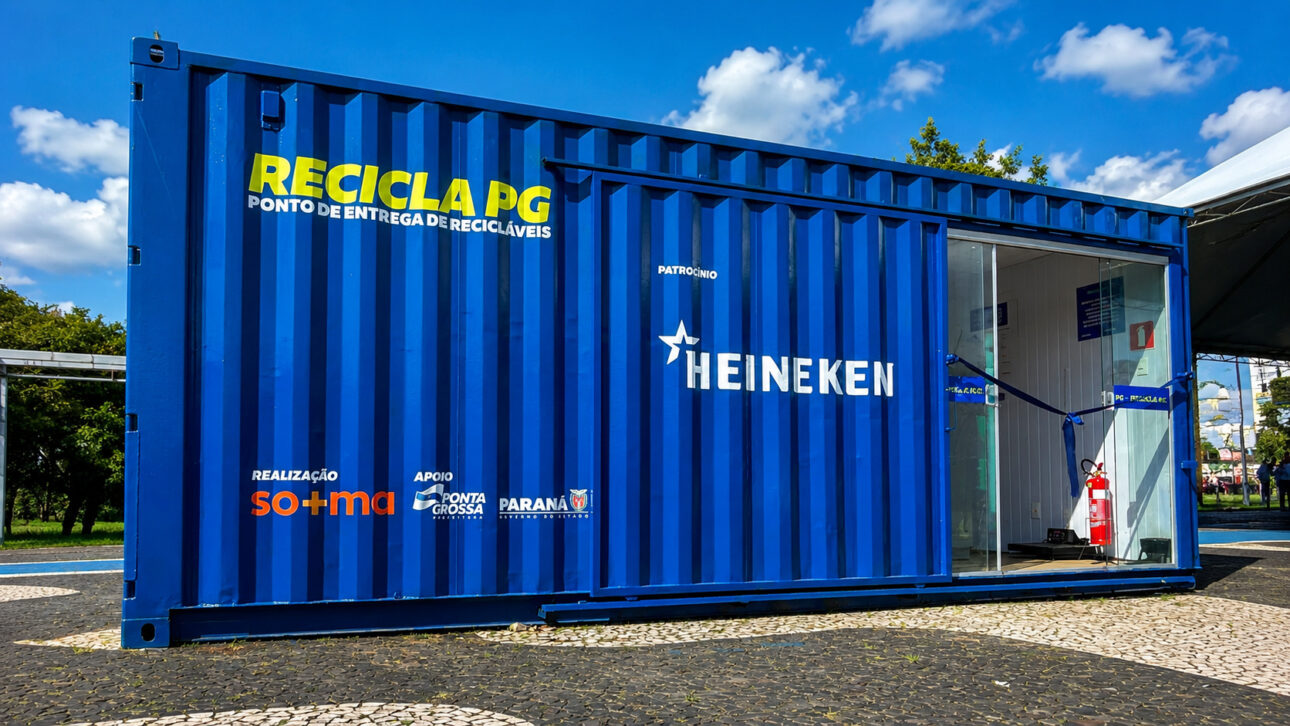
The logic is simple. What would go to regular trash now has a correct destination and still generates points for the resident. In the first year, the most redeemed items were school supplies, entertainment and culture, and retail and online shopping.
Mayor Elizabeth Schmidt stated: “Recicla PG shows that it is possible to combine innovation with environmental responsibility. In just one year, we have managed not only to expand the correct disposal of waste but also to involve the community in a collective cause that directly impacts the quality of life in our city. May Recicla PG be prosperous.”
In addition to the rewards, the program strengthens recycling associations, helps generate income for associated families, and encourages the correct separation of waste within homes.
How much each type of waste is worth in the recycling app
The Recicla PG table shows that materials do not have the same score. Aluminum, such as soda, beer, and juice cans, yields 312 points per kg, one of the highest scores in the program.
Hard plastic, such as buckets, basins, and plastic chairs, is worth 99 points per kg. PET bottles for soda, water, oil, detergent, and liquid soap are worth 90 points per kg.
Cooking oil without food residues yields 80 points per kg. Meanwhile, coffee capsules, made of plastic or aluminum, are worth 83 points per kg, a detail that draws attention by turning a small and common waste into a valuable item in the app.
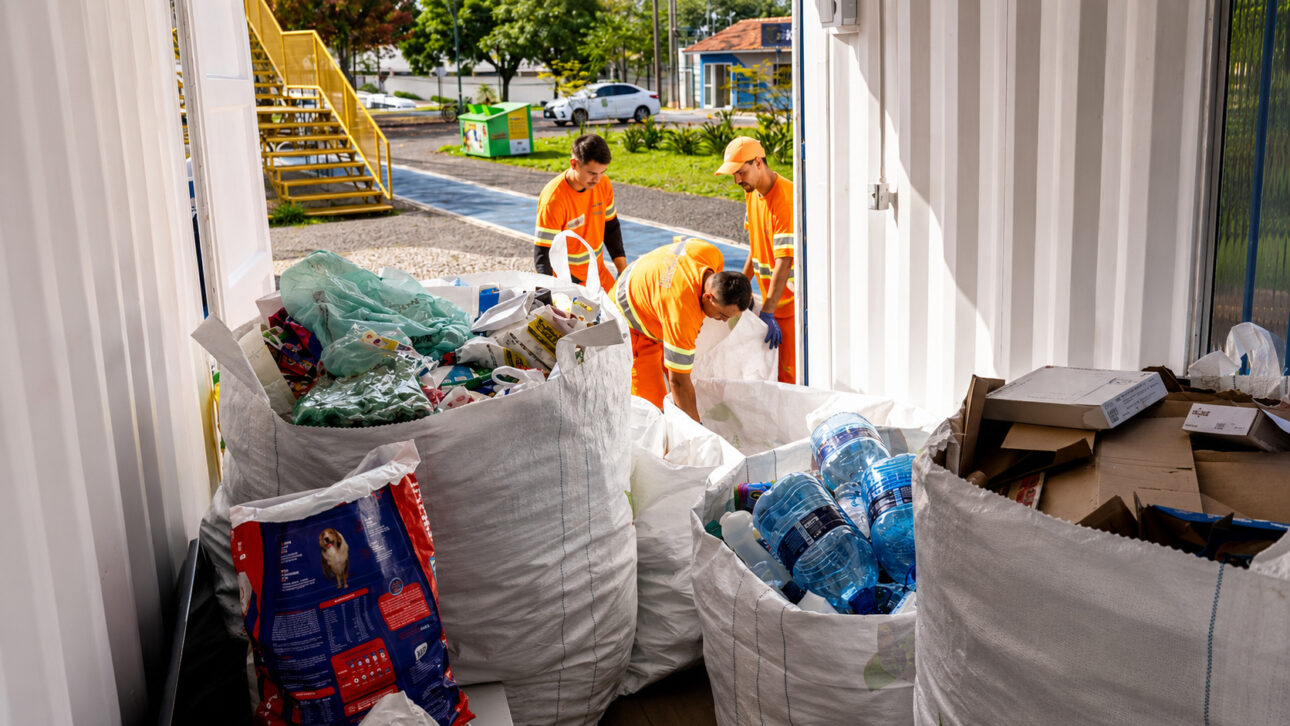
Soft plastic, such as supermarket bags and bubble wrap, is worth 88 points per kg. Paper and cardboard yield 37 points per kg. Carton boxes, metal scrap, and small electronics are worth 24 points per kg each.
Even Styrofoam, glass, and large appliances are included in the environmental account
The program also accepts waste that many people find difficult to dispose of. Styrofoam, used in packaging, boxes, trays, and appliance protection, is worth 60 points per kg.
Glass, such as glasses, bottles, and preserve jars, yields 10 points per kg. Mixed materials, when not separated, are worth 4 points per kg.
The most curious part is in the large appliances. Refrigerators, stoves, and range hoods can be delivered per unit and are worth 75 points each.
All points are available at the time of delivery and are valid for 12 months. Thus, the resident can track the balance and use the rewards within the app itself.
Why cooking oil is one of the most important waste items for Recicla PG
Cooking oil appears as one of the most important items because improper disposal can cause a significant environmental impact. In the first year, the correct disposal of oil prevented the contamination of 8,676,750 liters of water.
This data shows why pouring oil down the sink is not a small detail. Even an apparently simple amount can cause damage when it ends up in the wrong place.
The Municipal Government of Ponta Grossa, the official body of the municipal administration in Paraná, also recorded 2,369,745 liters of water saved in the environmental balance of the program’s first year.
The municipal secretary of the Environment, Carla Kritski, stated: “More than the exchange of materials for points, Recicla PG promotes a change in behavior. The population begins to better understand the importance of waste separation, correct disposal, and care for public spaces, contributing to a cleaner, more organized, and sustainable city.”
What Ponta Grossa has already saved with recyclable waste turning into points
The first year of Recicla PG recorded significant environmental results. 463 trees were preserved, 108,963 kWh of energy saved, and 109,098 kg of carbon dioxide mitigated.
In practice, these numbers show that separating waste at home can turn into collective gain. When the resident delivers the correct material, the waste stops occupying inappropriate space and gains a chance for reuse.
Among the most recycled materials, paper and cardboard led with 14,704 kg, representing 33.7% of the total. Then comes glass, with 8,621 kg, general electronics, with 6,185 kg, and mixed items, with 3,727 kg.
The CEO of SO+MA, Claudia Pires, stated: “More than implementing a program, what we built in Ponta Grossa with the Recicla PG Program was an ecosystem of transformation. The Municipality showed that when technology, the private sector, and the public power work together, the result goes beyond recycling: it generates income for cooperatives, engages the community, and strengthens the culture of the circular economy.”
What cannot be delivered in the program
Not all waste is accepted in Recicla PG. Organic waste, dirty materials, masks, medications, ceramics, batteries, lamps, wood, flammable items, hospital waste, and construction debris are not accepted.
This rule exists because recycling depends on proper separation. When material arrives dirty or unsuitable, it can hinder the work of the teams and reduce the efficiency of waste utilization.
Therefore, the core of the program is simple. Separate better, discard in the correct location, and track the points via the app. The benefits appear on the phone, but also reach the environment and the associations working with recycling.
The case of Ponta Grossa shows how recyclable waste turning into points can transform a common habit into an action with real impact. A can, a coffee capsule, a bottle, an old pan, or an old refrigerator can have a useful destination when they enter the right network.
If a city can turn household waste into points, environmental savings, and income for those who recycle, what is still missing for this model to reach more neighborhoods in Brazil? Leave your opinion in the comments and share this post.






Much more interesting than how many points I can get for bubble wrap would be the information: What can I do with the points??