Portuguese
  Spanish



Africa Still Needs Time to Address Energy Poverty and Industrialize in the Context of Global Emissions and Development with Green Technologies and Partnerships.
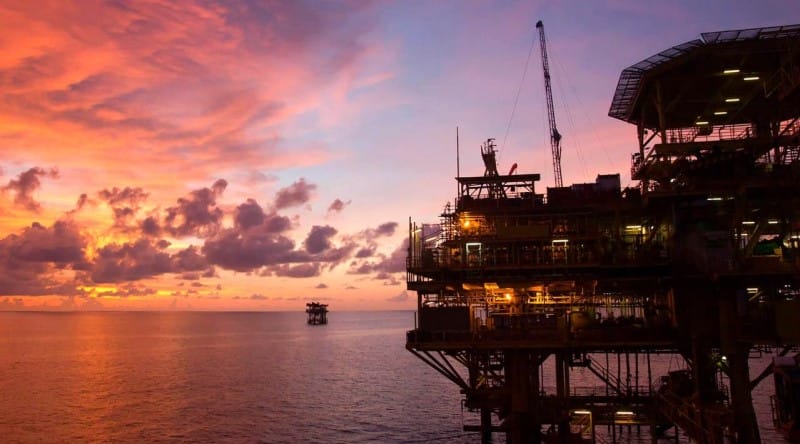
On the eve of COP28, it is essential to reinforce the debate about energy. Africa, a continent with great energy potential, has been under pressure for the energy transition. However, it is important to emphasize that oil and gas production can be strategic for economic growth and the continent’s energy security.
Transforming pressure into partnership is essential. Instead of abruptly pushing for the end of oil and gas activities, it is necessary to promote partnerships and respectful relationships, ensuring that Africa’s transition is defined by the continent itself. The determination to fight for a just energy transition, on a timeline that benefits and uplifts Africans, remains strong and unwavering.
Energy and Energy Transition: A Global Challenge
The issue of energy and its energy transition is an increasingly relevant topic in the global context. Renewable energies are gaining prominence, while the role of oil and gas in the world economy is undergoing significant changes. The need to reduce greenhouse gas emissions is driving the search for alternatives to fossil fuels, and the energy transition is becoming a priority in many countries.
-
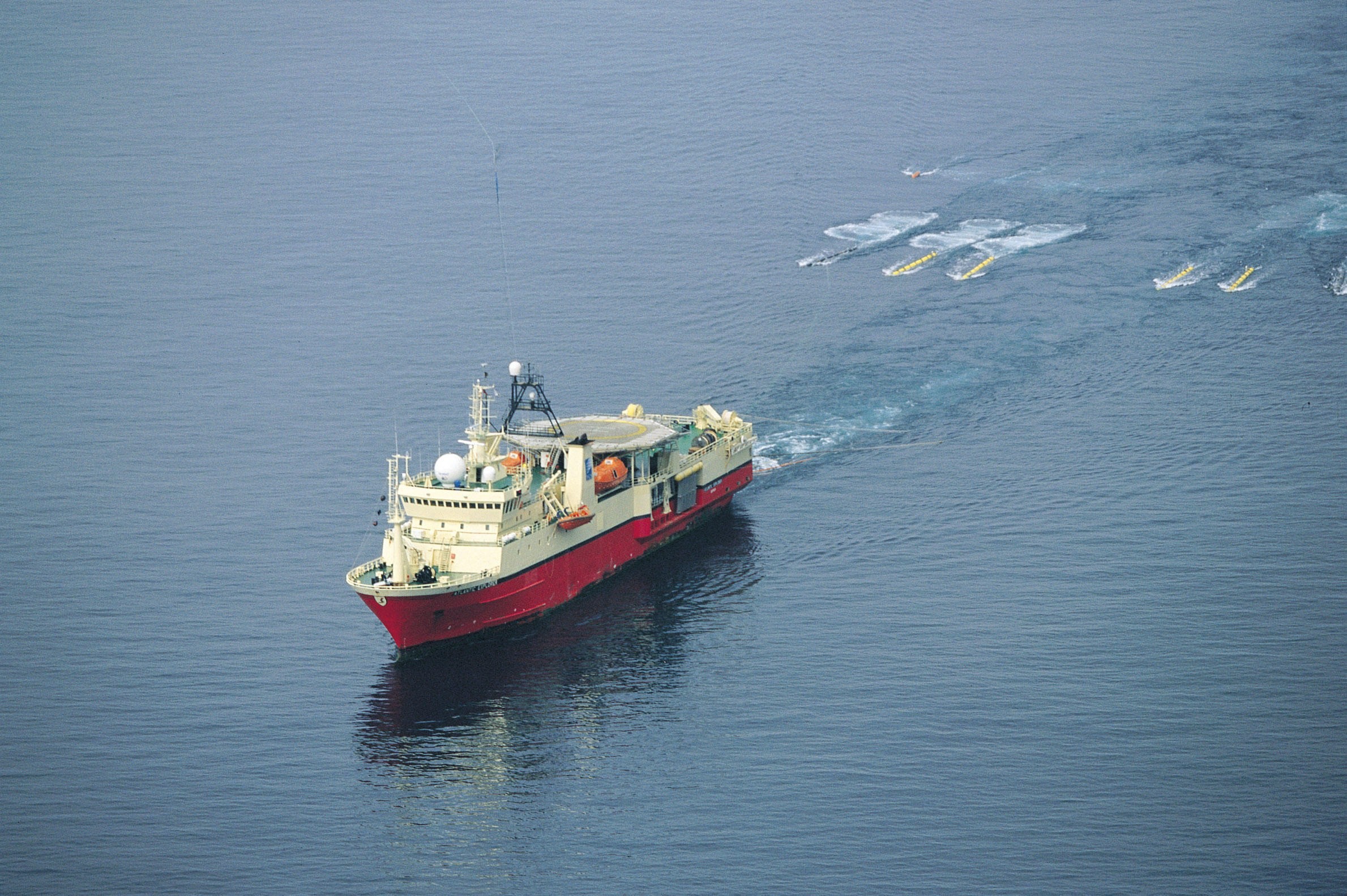
With a record production of nearly 3 million barrels per day, Petrobras resumes importing diesel in July, highlighting the bottleneck in Brazilian refining.

-
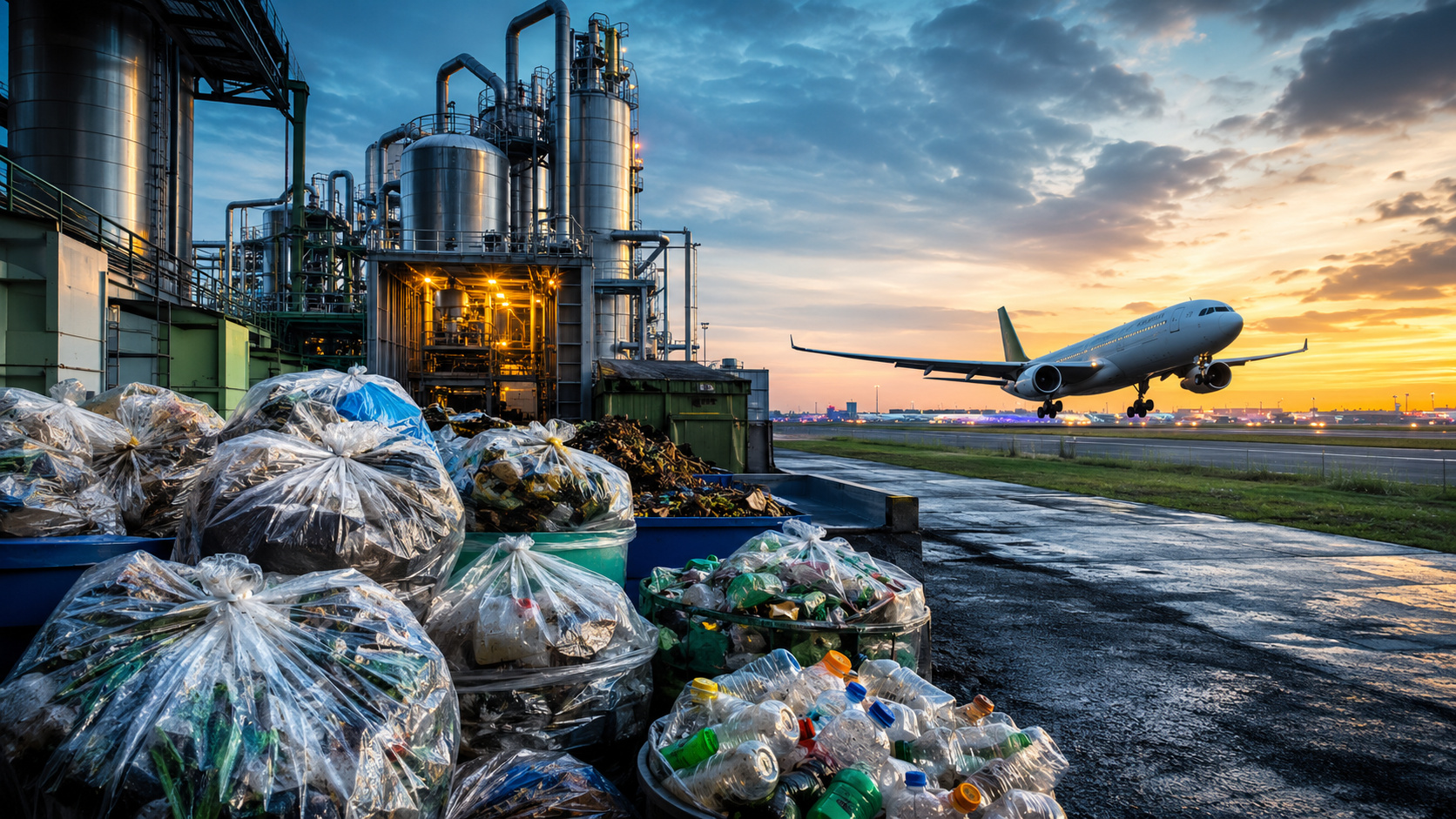
Qantas and Airbus Invest in Company Aiming to Convert Unsorted Household Trash into Jet Fuel

-
Brazil’s ANP Opens 86 New Oil Blocks in the Equatorial Margin, Expanding the Amazon River Mouth Frontier

-
OPEC+ Boosts Oil Supply by 188,000 Barrels per Day in July 2026, Leading to Price Drop from $112 to $89 per Barrel in Under Two Months
The Role of Renewable Energies in the Energy Transition
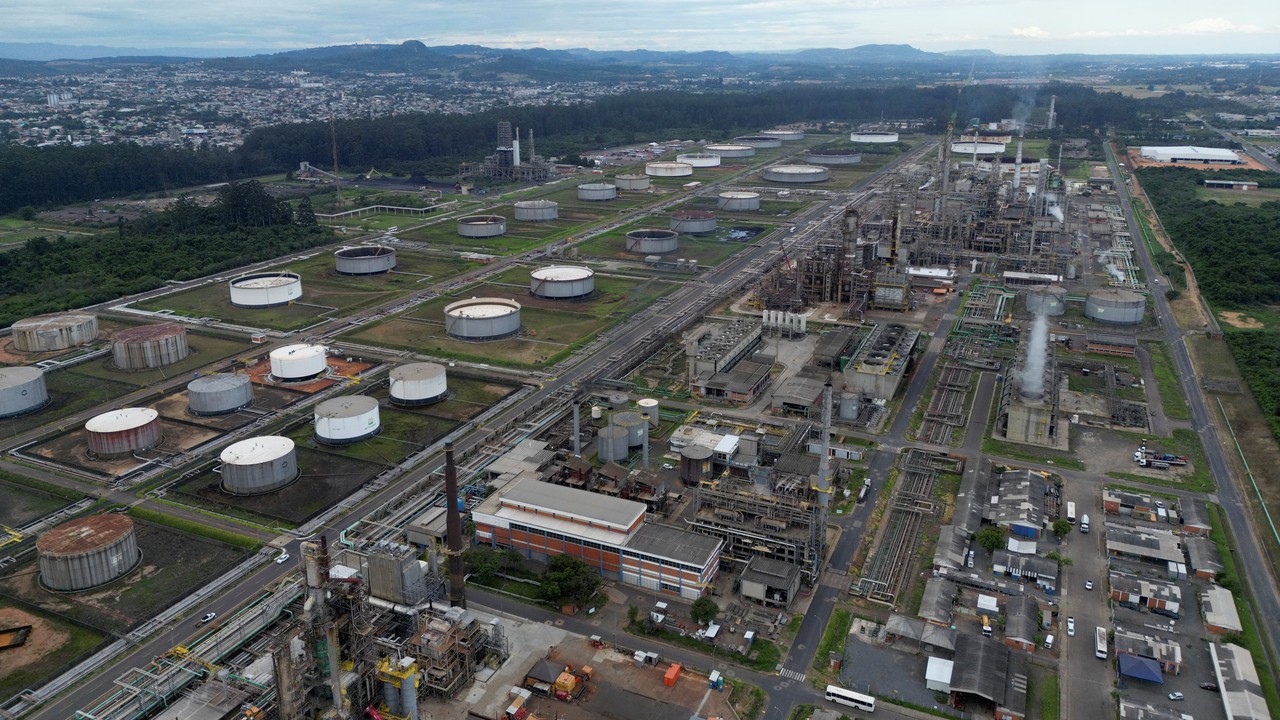
Renewable energies, such as solar and wind, are becoming increasingly important in the context of the energy transition. Environmental organizations and governments worldwide are promoting the use of these energy sources as part of their efforts to reduce global emissions and combat climate disasters. The development of green technologies and the expansion of energy infrastructures are driving the growth of the global renewable energy market.
The Impact of the Energy Transition on the Economy and Industrialization
The energy transition has the potential to profoundly impact the global economy and the industrialization process. Partnerships between countries and investments in renewable energies are shaping the future of the energy sector, and the internet plays a crucial role in interconnecting new forms of energy production. While oil and gas continue to play a significant role in the global economy, the energy transition is creating opportunities for the development of new business models and the emergence of new markets.
In summary, the energy transition is changing the global energy landscape and generating impacts in various areas, from the economy to the environment. It is essential that governments, businesses, and society as a whole remain attentive to these changes and seek ways to adapt to this new context. The energy transition is a challenge but also an opportunity to rethink how we produce and consume energy.
Source: World Oil