Portuguese
  Spanish


Brazil Registered In October A 37% Cut In Wind And Solar Energy Generation, The Third Consecutive Month Of Reduction. The Excess Production And The Lack Of Electric Infrastructure Caused Losses Of More Than R$ 1 Billion To The Sector.
October brought concerning numbers for the wind energy sector in Brazil. According to a report by the consultancy Volt Robotics, based on data from the National Electric System Operator (ONS), there was a 37% reduction in the generation capacity of wind and solar plants. The cut represented an estimated loss of R$ 1.1 billion, marking the third consecutive month of significant losses in the sector.
The situation is a direct result of the phenomenon known as curtailment, which occurs when there is excess energy generated and the electric system needs to limit production to avoid overloads. The ONS, responsible for balancing supply and demand, had to intervene due to the high volume of electricity generated, especially in regions with high wind and sun incidence.
Billion-Dollar Losses And Impact On The Wind Matrix
In total, wind plants failed to generate nearly 4,600 GWh in October — an expressive volume that resulted in losses of R$ 741 million. Solar plants also experienced 37% cuts, failing to produce 1,300 GWh and accumulating losses of R$ 192 million.
-
Billion-Dollar Winds Propel Wind Energy Growth in Brazil, Boosting Unprecedented Technical Workforce Development

-
Brazil filled the Northeast with wind turbines but now faces the side effect of 705 giant blades reaching the end of their lifespan by 2032 just in Rio Grande do Norte, while the world projects 43 million tons of waste by 2050.
-
Brazil has filled the Northeast with wind turbines, but now it faces the side effect of 705 giant blades reaching the end of their useful life by 2032 just in Rio Grande do Norte, while the world projects 43 million tons of waste by 2050.
-
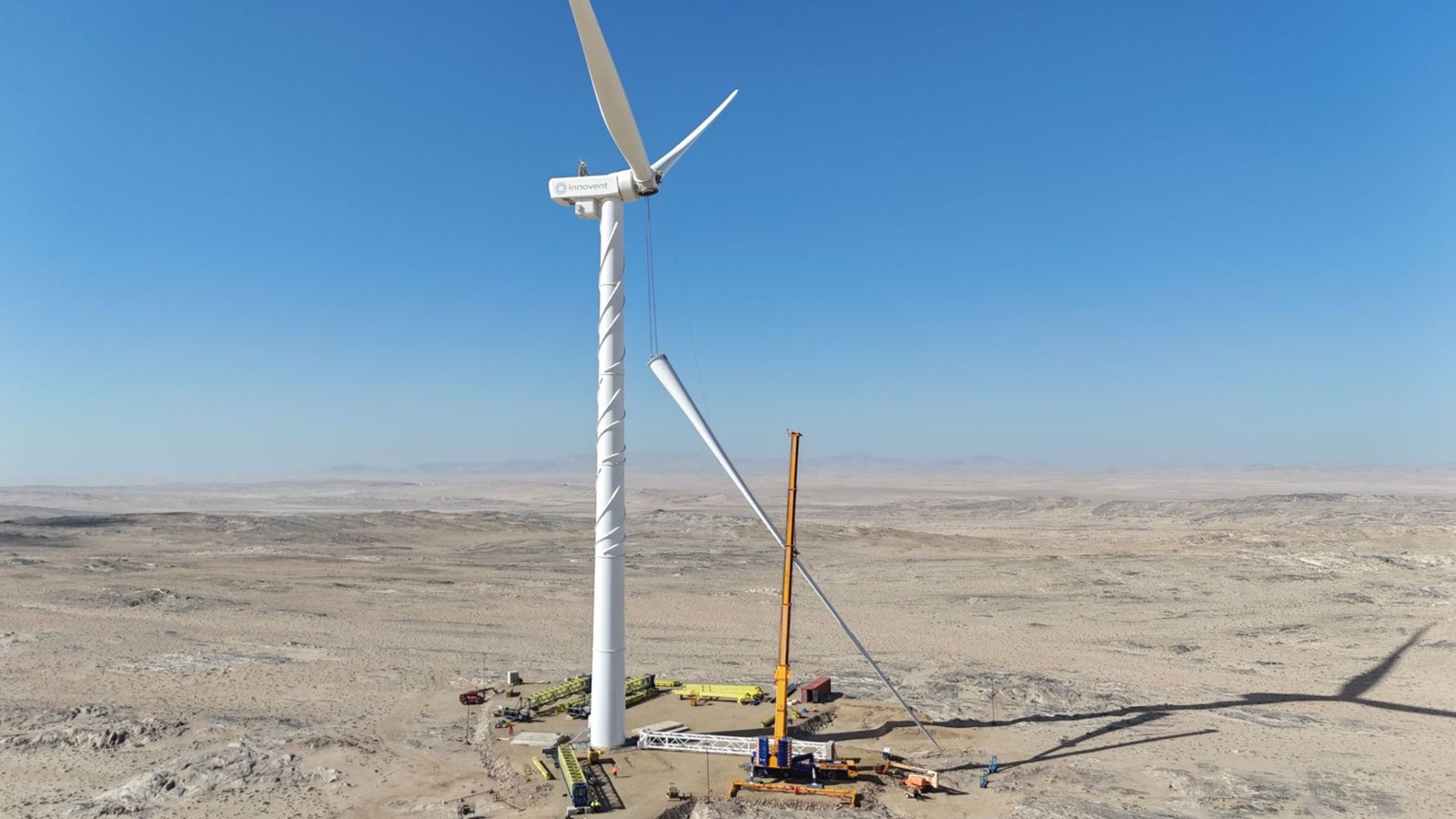
Wind farm in Namibia will have wind turbines assembled without giant cranes and is expected to avoid 200,000 tons of carbon dioxide per year when it becomes operational.


Adding the two sources together, Brazil missed out on approximately 5,900 GWh of clean energy during the period. The result underscores a structural problem that has been worsening throughout 2025, with cuts already reaching 20.4% of the potential production accumulated between January and October.
This scenario concerns the sector, as the country is globally recognized for its rapid expansion of wind and solar energy, both essential pillars for energy transition and meeting carbon reduction targets.
Most Affected States And Infrastructure Gaps
The states most impacted by the cut in generation were Rio Grande do Norte, leading the ranking with a 43.8% reduction, followed by Ceará (34.9%) and Minas Gerais (30.8%). These regions concentrate a large part of the country’s wind and solar parks, located in strategic areas for harnessing wind and solar radiation.
However, the lack of adequate transmission lines has hindered the flow of generated energy. The Brazilian electric system, according to experts, is still not fully prepared to handle the intermittency and intensity of renewable generation. Thus, when there is high production, it is necessary to temporarily reduce supply to maintain network balance.
Growth Of Microgeneration And Imbalance In The Electric System
Another factor worsening the scenario is the rapid advance of micro and mini distributed generation — systems of solar panels installed on rooftops of homes and small properties. While they are essential for democratizing access to clean energy, these systems are not directly controlled by the ONS, which can lead to excess supply during peak solar hours.
During periods of high generation, especially between the end of winter and the beginning of spring, the country faces overload situations similar to those in August, when the electric sector nearly suffered a momentary collapse due to the high volume of wind and solar energy.
The expansion of renewable sources in Brazil continues at an accelerated pace, but the recent cut in generation highlights the need for urgent investments in transmission infrastructure and integrated planning. The challenge now is to ensure that the clean energy produced reaches the final consumer without losses and without wasting renewable potential.