





 Portuguese
  English
  Spanish
  3 min of reading


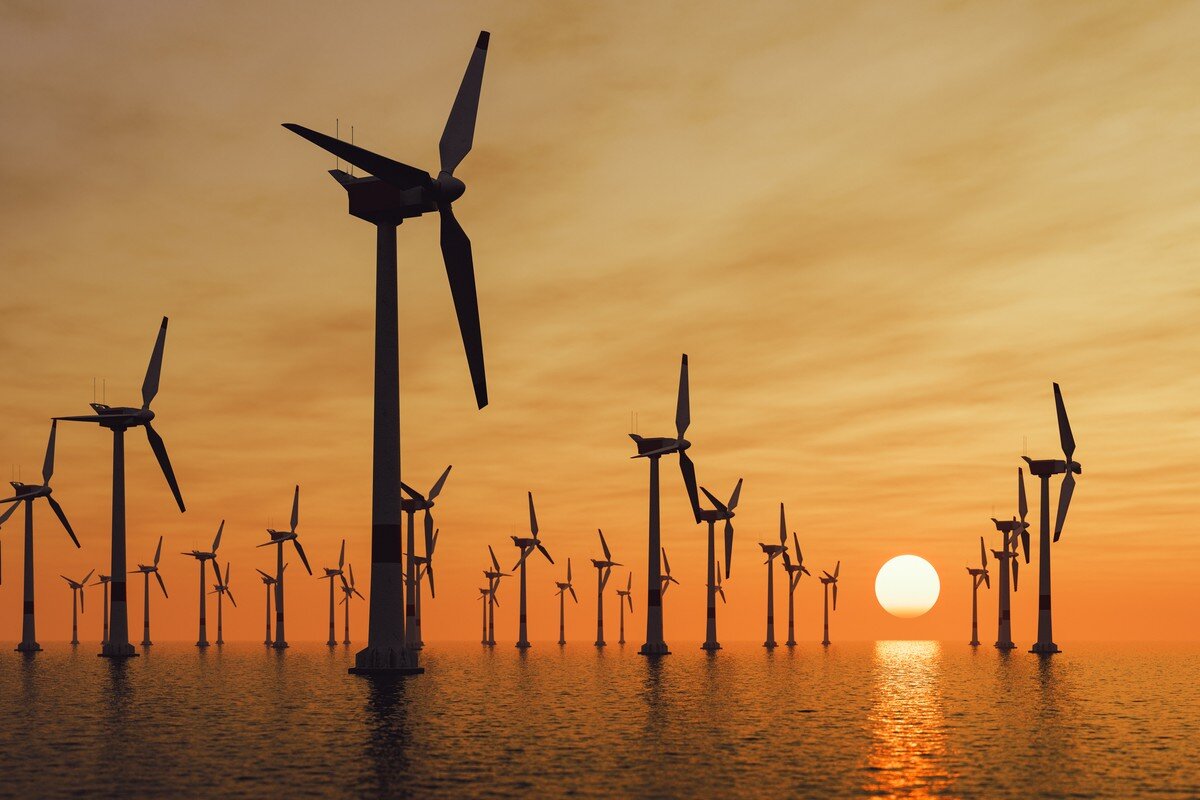
The Absence of a Legal Framework from the Federal Government for the Production of Offshore Wind Energy Still Currently Prevents the Progress of the Sector. Large Players Are Preparing for Investments in the Field, but Need a Well-Defined Regulation.
Even with significant advances in offshore wind energy projects in the national territory, there is still a problem that hinders the sector’s progress this Thursday, (05/11): the lack of a legal framework. The insecurity caused by the absence of laws regulating the enterprises is still a bottleneck that needs to be addressed by the Federal Government. The year 2023 should mark the resumption of the legislative proposals in the segment.
Energy Sector Players Still Await Legal Framework for Investments in Offshore Wind Energy Projects in the National Market
Attracting investments to the Brazilian energy sector remains one of the main agendas of the market throughout the second quarter of 2023.
Offshore wind energies are the big bets for the future of the sector, but they still require an incentive from the Federal Government regarding the legal framework for projects in the country.
-
Europe wants to hold onto the black powder from used batteries because this dark residue contains valuable metals, can supply up to 1 million electric cars per year, and has become an industrial dispute.

-
Brazil filled the Northeast with wind turbines but now faces the side effect of 705 giant blades reaching the end of their lifespan by 2032 just in Rio Grande do Norte, while the world projects 43 million tons of waste by 2050.

-
Brazil has filled the Northeast with wind turbines, but now it faces the side effect of 705 giant blades reaching the end of their useful life by 2032 just in Rio Grande do Norte, while the world projects 43 million tons of waste by 2050.
-
Study by Global Project Tracker reveals: While major economies compete for climate leadership, Brazil gathers a potential of US$ 306 billion in sustainable industrial projects and advances in the production of SAF and green aluminum, attracting international capital and strengthening its global strategic position.



Executives from companies interested in the business warn that competition for capital is global, and Brazil may miss investment opportunities in this sector if there is no clear definition of the legal framework.
The absence of a law granting the right to explore maritime areas has generated insecurity among investors and made decision-making difficult.
Moreover, there is a discussion about whether the projects will be subject to additional charges for the energy generated in public areas, which would be a kind of royalties allocated to the Union, states, and municipalities, among other points. These uncertainties generate even more insecurity and deter investors.
According to Diogo Nóbrega, executive of Copenhagen Infrastructure Partners (CIP) and Copenhagen Offshore Partners (COP), which manages the projects in Brazil, there is a need for faster decision-making in Brazil.
CIP/COP is projecting around US$ 6 billion for investments in four wind energy parks in Brazil.
However, there are still uncertainties related to the legal framework. “It is a [type of] renewable energy project that is very capital-intensive (…) Speed is important because we need to have the law ready so that we can structure ourselves financially and then start hiring, and in parallel, develop these projects,” said the specialist.
Competition and Excess of Ongoing Projects in the Market Go Hand in Hand with the Lack of a Legal Framework in the Country
In addition to the lack of a legal framework from the Federal Government, the intense competition for offshore wind energy generation areas is also a visible problem in the current scenario.
Gustavo Silva, operations director at Qair Brasil, emphasized the issue of overlapping projects in the field, while awaiting a stance on the regulation of the assets.
According to him, nearly a third of the projects along the Brazilian coast are in some way overlapping.
“We have created a practically limiting problem, even before creating the market opportunity. This absence of the State in establishing rules has created an ownerless field at sea,” he stated.
In parallel to the lack of a legal framework from the Federal Government, companies are investing in studies and in the development of the projects themselves.
The lack of clear rules regarding segment assets in the country generates not only insecurity for investors but also an overlap of projects throughout Brazil.
Now, energy market companies are awaiting the Federal Government to proceed with the approval of the legal framework for offshore wind energy for future investments.






Be the first to react!