






 Portuguese
  Spanish
  2 min of reading


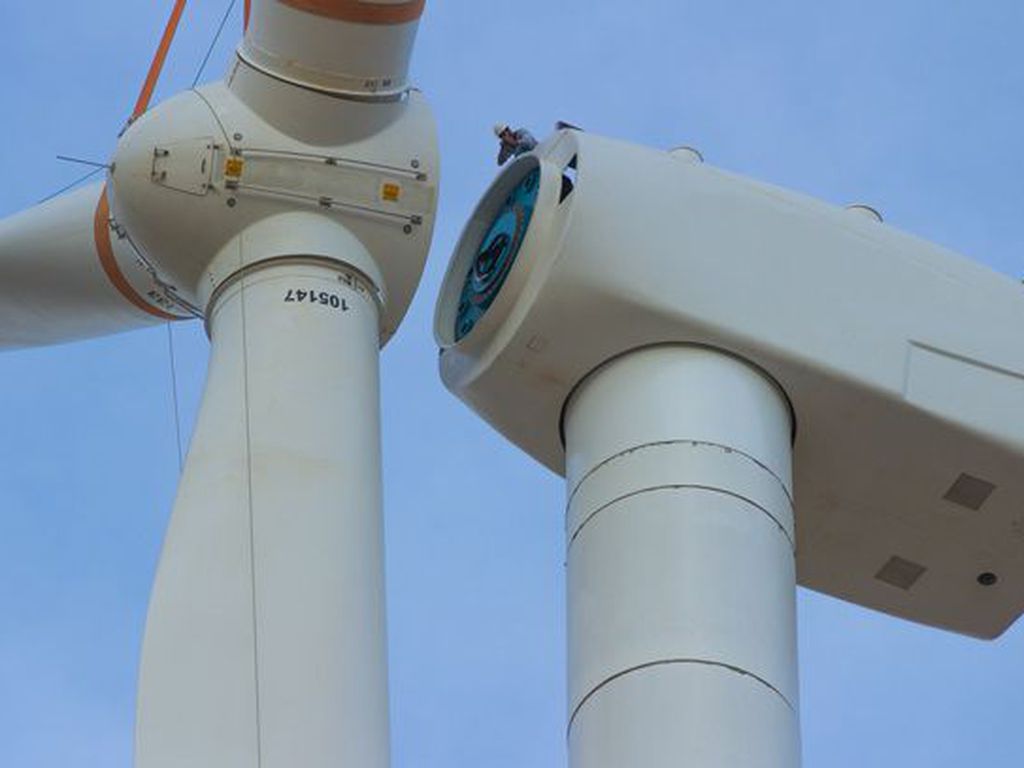
Clean Energy Will Continue Evolving In The Coming Years. The Expectation Is That By The Middle Of The Next Decade The Sector Will Be Much More Efficient
With the growing concern about climate change, many countries around the world are investing in wind energy to produce renewable energy. Even with already excellent numbers, wind technology is still constantly evolving to become increasingly cheaper and more efficient. Experts in the field of renewable energy highlight that the wind turbines of the future will be taller, larger, and more efficient in the not-so-distant future.
In an effort to reduce dependence on fossil fuels, which are much more polluting, countries are investing billions in clean energy. A report shows that renewable energy had an increase of 290 Gigawatts last year, with wind energy accounting for the largest share of the expansion.
As highlighted by the National Renewable Energy Laboratory (NREL) of the USA, we can expect to see larger, cheaper, and more efficient wind turbines by the middle of the next decade. The energy from winds is one of the cheapest ways to produce energy nowadays. However, much of the investment will have its return in the long term.
-
Advancement in renewable energy: A R$ 150 million project launched by Petrobras and Finep aims to create state-of-the-art electrolyzers for green hydrogen, strengthening national research and preparing Brazil to compete in a billion-dollar energy market.

-
Illiterate or semi-literate grandmothers were trained to repair solar systems, open rural workshops, and light up homes that still depended on kerosene.
-
The world has bet on green hydrogen as the fuel of the future, but now faces the side effect: producing 1 kilogram requires about 9 liters of ultrapure water, and the largest projects on the planet are precisely in the driest regions of the Earth, where water is already scarce for people.

-
Africa has about 500,000 cell towers and most still burn diesel to operate, while companies rush to cover antennas with solar energy and avoid signal blackouts.




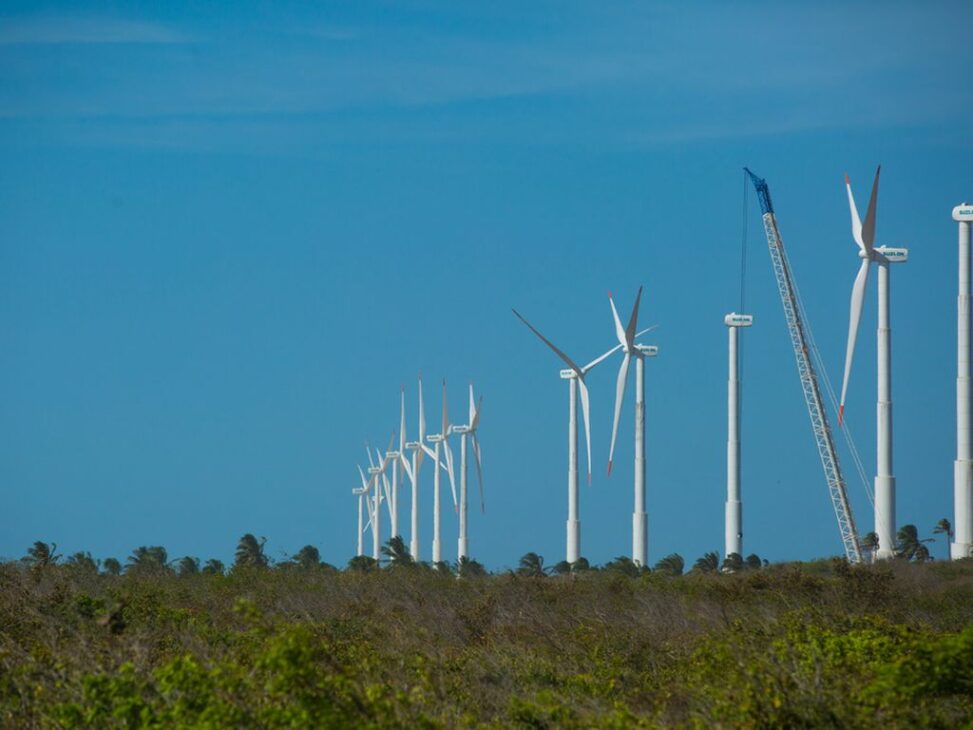
Advantages of Wind Energy
Wind energy has several advantages over other forms of energy production. Unlike solar energy, wind energy production towers can be installed without detriment to the use of the surrounding land. Another possibility is to install wind farms offshore.
Wind Energy Ready to Rise
To have a more accurate view of the future of wind energy, the NREL gathered 1,440 industry experts to discuss the future of wind energy. They all highlighted that the turbines would grow taller and their rotor diameters would increase.
Previously published research estimated that the hub height of wind turbines would reach 115 meters by 2030. Experts have now revised these estimates to 130 meters by 2035 and up to 151 meters for offshore installations.
In addition to the size of the turbines, researchers expect an increase in the size of wind farms. The expectation is that plants will reach up to 1,100 MW for fixed plants and up to 600 MW for floating (offshore) ones. For comparison, the largest offshore plant in Scotland has a nominal capacity of 50 MW. By 2035, the expectation is that technology evolution in the sector will generate a reduction of over 27% in the costs of land-based plants.







Be the first to react!