Portuguese
  Spanish


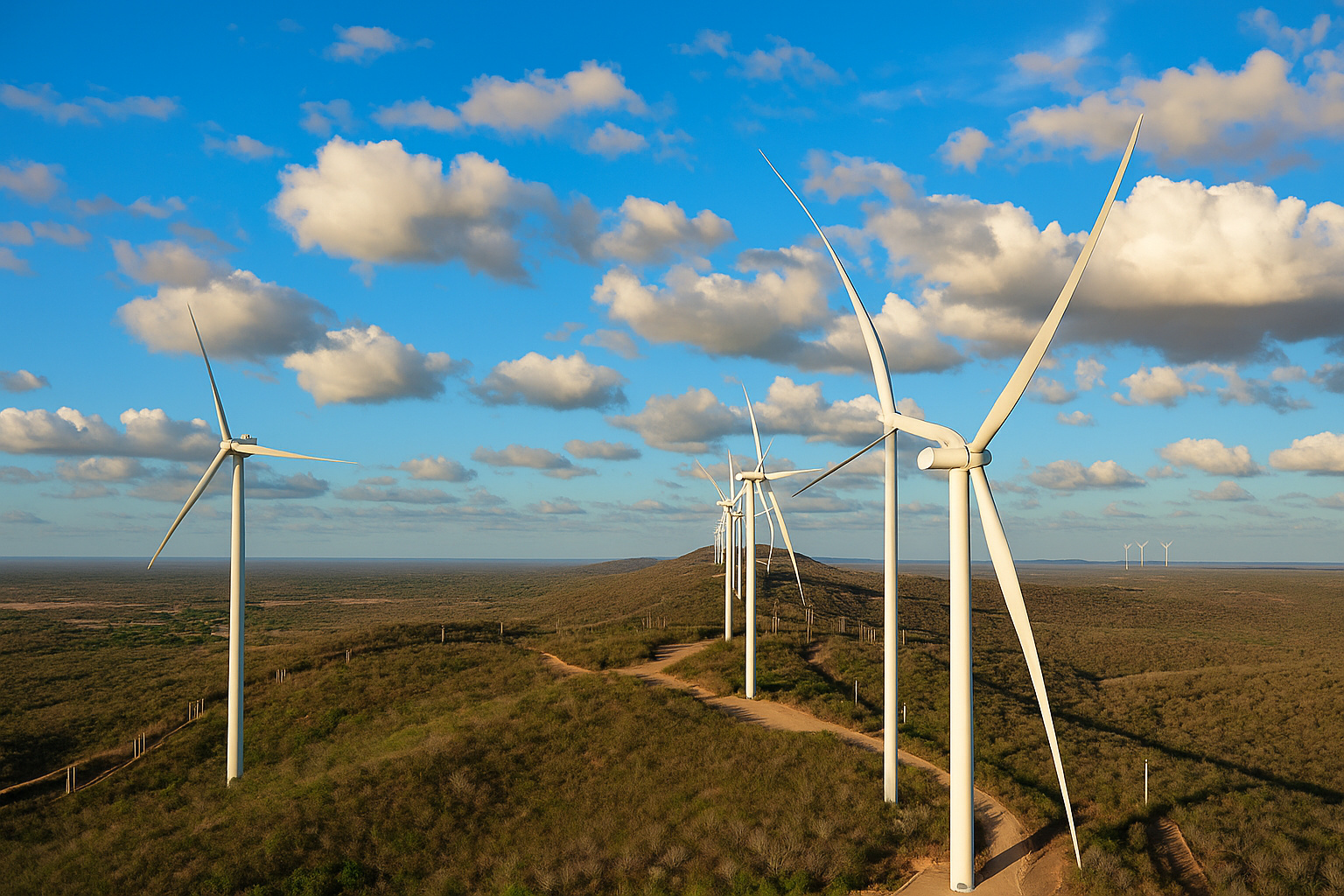

Discover How Global Electricity Generation Exceeds 40% with Clean Energy, Driven by Solar and Wind, Consolidating a More Sustainable and Accessible Matrix.
In recent years, global electricity generation has undergone significant transformations. In fact, the advancement of clean energy sources, especially solar and wind, has changed the global energy landscape.
Moreover, according to recent data from the British Ember Center and the International Renewable Energy Agency, these sources now account for over 40% of global electricity generation. This marks a historic milestone in the trajectory of world electricity.
Historically, electricity generation predominantly relied on fossil fuels, such as coal, oil, and natural gas. Since the Industrial Revolution, these resources have sustained the global economy, thereby enabling urban, industrial, and technological growth.
-
Over 60 Tractors Take to the Streets in Lopera as Solar Parks Compete with Olive Groves, Affecting 13,000 to 100,000 Trees According to Conflicting Reports

-
Green Hydrogen Projects in Northeastern Brazil Stalled for 18 Months Awaiting Government Decree, Delaying Billions in Investments
-
Brazil Concludes Largest Energy Auction in History, Secures 18.97 GW and Mobilizes $12.8 Billion to Ensure Supply Until 2031
-
How Norway Produces More Energy Than It Consumes with Nearly 1,800 Hydropower Plants and Over 1,100 Reservoirs


However, this model has become increasingly unsustainable due to climate change, environmental pollution, and the growing scarcity of fossil resources.
At the beginning of the 21st century, the need to diversify the energy matrix began to gain momentum. For instance, several countries established incentive programs for solar and wind energy. These were driven by public policies and technological advancements that significantly reduced installation and operation costs.
Therefore, this movement paved the way for a global energy transition, which seeks to gradually replace the dependence on fossil fuels with clean and renewable sources.
Additionally, public perception of the environmental impacts of fossil fuel combustion began to change. Consequently, international organizations and governments highlighted the urgency of reducing carbon emissions. They also promoted global agreements and sustainability goals that accelerate the adoption of renewable energies.
In this way, this social awareness has been a decisive factor in maintaining the expansion of clean electricity generation, even in the face of economic and geopolitical challenges.
Recent Growth of Renewable Sources
The growth of global electricity generation from renewable sources in recent years has impressed experts. In fact, solar energy increased its installed capacity by 29% in 2024, according to the Ember Center report.
Furthermore, the increase in wind generation reached 7.9% in the same period. On the other hand, generation from fossil fuels grew by only 1.4%, thus highlighting the growing competitiveness of clean energies in the global market.
An important factor driving this growth is the distributed microgeneration of solar energy. In this way, more and more homes and small businesses install their own photovoltaic systems, reducing electricity costs and increasing energy autonomy.
Moreover, this phenomenon not only decreases demand on traditional grids but also stimulates the mass production of solar panels and inverters. This makes equipment more affordable and clean energy more popular.
On the other hand, wind farms require larger investments and concentrate infrastructure in strategic locations. This results in slower growth compared to solar energy.
However, the installed capacity of wind farms has been increasing globally, demonstrating that the energy transition is not limited to small installations. It also includes large projects capable of generating electricity on a large scale.
Another relevant factor is technological innovation in energy storage. Indeed, batteries systems and smart grid technologies allow solar and wind energy to be stored and distributed efficiently. This minimizes interruptions and increases the reliability of global electricity generation.
Thus, these advances make renewable sources increasingly viable for gradually replacing fossil fuels.
Infrastructure and Expansion Challenges
The expansion of global electricity generation from renewable sources depends not only on building power plants but also on investments in transmission and energy management infrastructure.
Thus, smart systems that integrate different sources of generation and allow for the balancing of supply and demand ensure electrical stability and maximize the use of clean energies.
Otherwise, the growth of renewable energies may face technical limitations that would hinder their large-scale adoption.
The international context directly influences the speed of this transition. For example, instability in global trade and overproduction of oil in the United States can temporarily reduce economic incentives for new clean energy installations.
However, even in the face of these fluctuations, the competitive cost of solar and wind energy maintains the pace of expansion, thus demonstrating that the energy transition is a resilient and increasingly consolidated process.
Historically, every advance in global electricity generation has triggered significant changes in society. Indeed, from the electrification of cities in the 19th century to the expansion of rural electrical grids in the 20th century, electricity has always been linked to economic and social development.
Today, the adoption of renewable energies marks a new phase, in which environmental sustainability and energy security become global priorities.
Social and Economic Impacts
In addition to technical and economic aspects, the energy transition also generates positive social impacts. In fact, electricity generation from renewable sources reduces pollution, improves public health, and creates jobs in emerging sectors, such as the manufacturing of solar panels, wind turbines, and energy storage systems.
Thus, this multiplier effect makes the expansion of clean energies not only an environmental necessity but also an opportunity for inclusive economic growth.
The approach of global events, such as COP30, reinforces the importance of public policies that encourage clean electricity generation. Consequently, international reports and data highlight that, without coordinated actions, countries may delay energy transition projects.
However, the technological and economic reality shows that clean energy has become more competitive than fossil fuels in many contexts. This makes retrenchments difficult.
Another important aspect is the democratization of energy access. By investing in distributed generation and microgeneration, previously isolated communities can obtain reliable electricity. This promotes social inclusion and improvements in education, health, and quality of life.
Thus, global electricity generation not only evolves in quantity but also in equity and social impact.
The historical scenario of global electricity generation demonstrates that deep changes in the energy matrix have always required time but have had lasting effects. Therefore, the current expansion of renewable energies continues this trajectory.
The combination of accessible technology, economic incentives, and environmental awareness creates favorable conditions for the world to maintain the trend of clean energy growth. This thus consolidates a more diversified, secure, and sustainable electric matrix.
Future Perspectives of Global Electricity Generation
When considering the future of global electricity generation, it is clear that the prominence of renewable energies tends to consolidate. In fact, the reduction of production costs, the spread of microgeneration, and investments in infrastructure ensure that the share of clean energy continues to grow.
Thus, this process not only responds to environmental challenges but also prepares society for a more resilient and adaptable energy model to global crises.
Therefore, the milestone of surpassing 40% of global electricity generation from clean sources is not just symbolic. It indicates a concrete and lasting path for the global energy transition.
This evolution reflects decades of technological advancements, strategic public policies, and changes in consumer behavior, consolidating renewable energy as an essential component of the planet’s energy future.
In summary, global electricity generation is undergoing a historic transformation. Indeed, the growth of solar and wind energy, driven by economic, technological, and social factors, marks a phase of consolidation of renewable sources.
While challenges such as infrastructure and economic stability persist, the trend of expanding clean energy is clear and irreversible. Thus, the world is moving towards a more sustainable, efficient, and accessible energy matrix, where cleanly generated electricity will become increasingly predominant in global consumption.