Portuguese
  Spanish


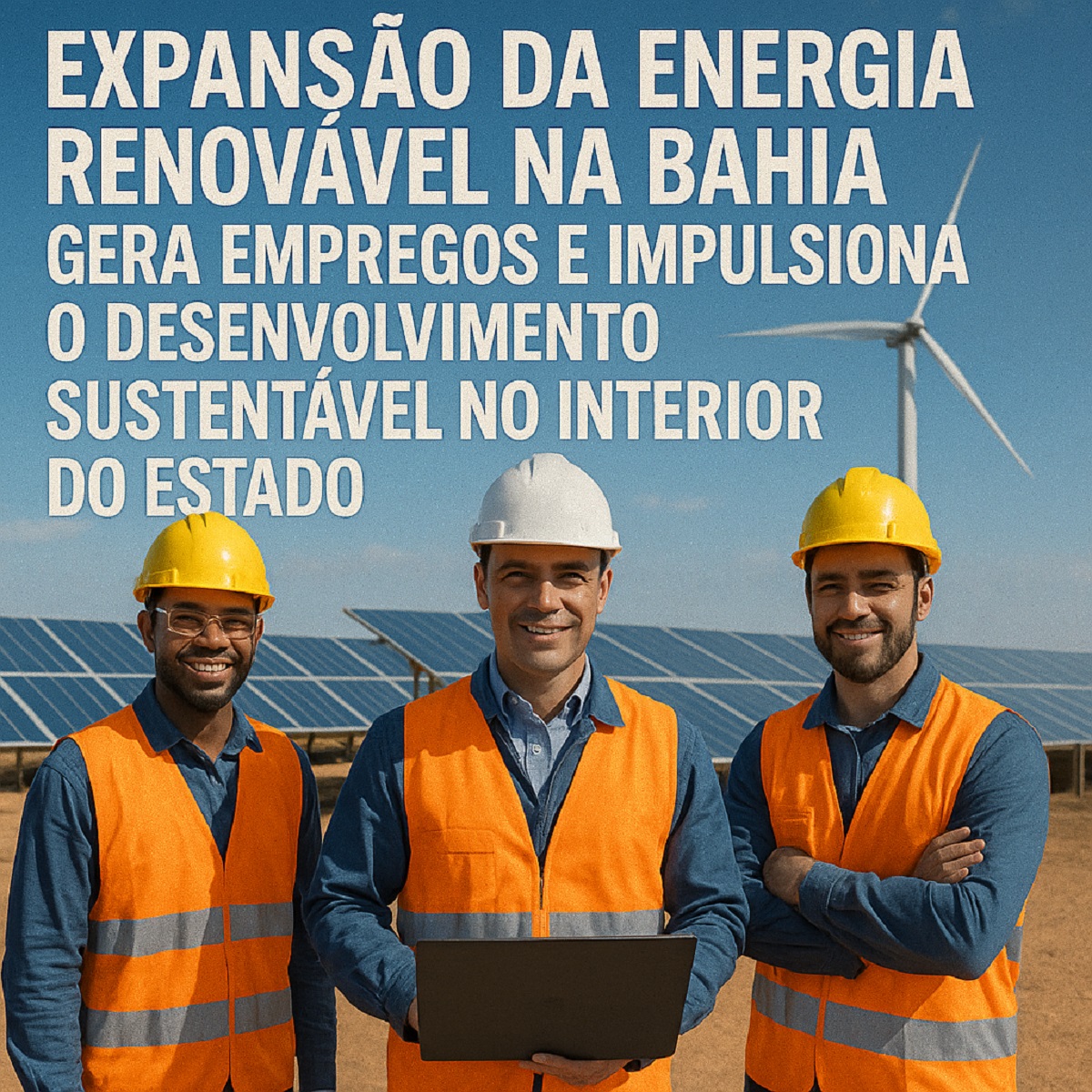

Understand How Bahia Stands Out in Solar and Wind Energy Generation, Promoting Economic Growth and Environmental Preservation Based on Official Data and Continuous Actions
Since 2015, with the national energy auctions promoted by ANEEL, Bahia has played a central role in the expansion of renewable sources in Brazil. For this reason, since 2016, municipalities in the interior began to receive solar and wind energy projects with support from the State Government and the private sector. In addition, favorable geographical conditions and tax incentives have boosted the advancement of this energy model. Therefore, the population began to notice the first results starting in 2018, with positive impacts in various regions of the Baiano semi-arid.
Bahia Establishes Itself as One of the National Leaders in Solar and Wind Energy
Bahia has shown significant results in the clean energy sector. According to the Electric Energy Commercialization Chamber (CCEE), in 2023 the state accounted for 41.59% of the national wind energy generation, reaching an average of 3,450 MW. Furthermore, according to data from the Energy Research Company (EPE), Bahia closed the year 2023 with 64 solar plants in operation, totaling 2,047 MW of installed capacity. For this reason, the state occupies a prominent position alongside Minas Gerais and Piauí. Thus, Bahia asserts itself as one of the main regions for sustainable energy production in the country, with investments in infrastructure and local generation.
Renewable Energy Sector Contributes to Job Creation and Regional Dynamism
Since 2020, the expansion of the sector has contributed to job creation and income growth in municipalities in the interior. The Secretary of Economic Development of Bahia has generated more than 167,000 direct and indirect jobs in the sector up to February 2025, according to data from the agency. Municipalities such as Umburanas, Campo Formoso, and Oliveira dos Brejinhos stand out as beneficiaries of this growth. Between 2021 and 2023, according to IBGE, the Gross Domestic Product (GDP) of some of these municipalities grew by over 15%. Therefore, renewable energy has been integrated into local economic development, creating opportunities and reducing dependence on traditional activities.
-
Brazilian scientists are simultaneously advancing two research projects on clean hydrogen and driving solutions that could transform the energy matrix, enhance industrial competitiveness, and accelerate large-scale emission reduction targets.

-
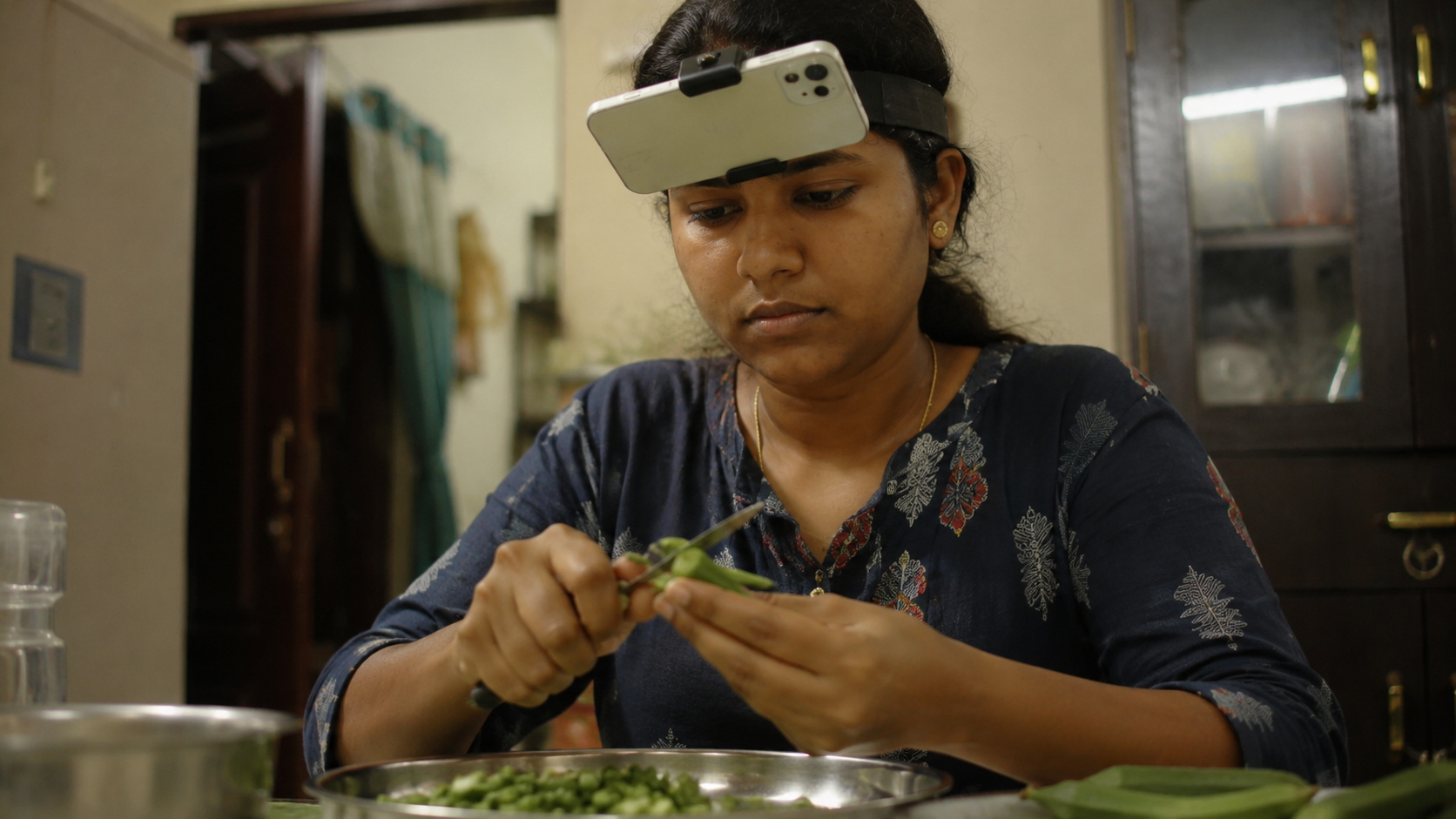
Advancement in renewable energy: A R$ 150 million project launched by Petrobras and Finep aims to create state-of-the-art electrolyzers for green hydrogen, strengthening national research and preparing Brazil to compete in a billion-dollar energy market.
-
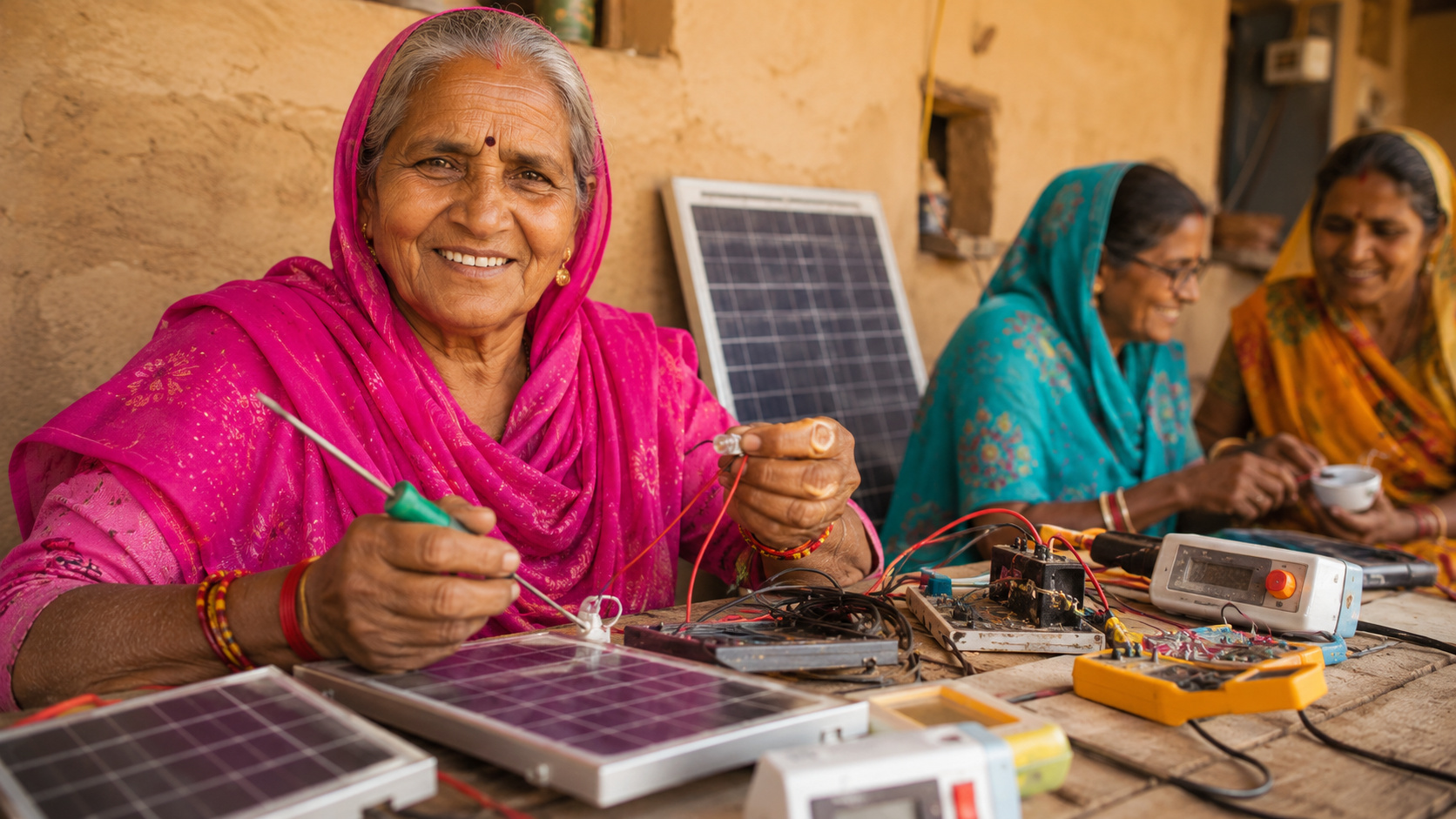
Illiterate or semi-literate grandmothers were trained to repair solar systems, open rural workshops, and light up homes that still depended on kerosene.
-
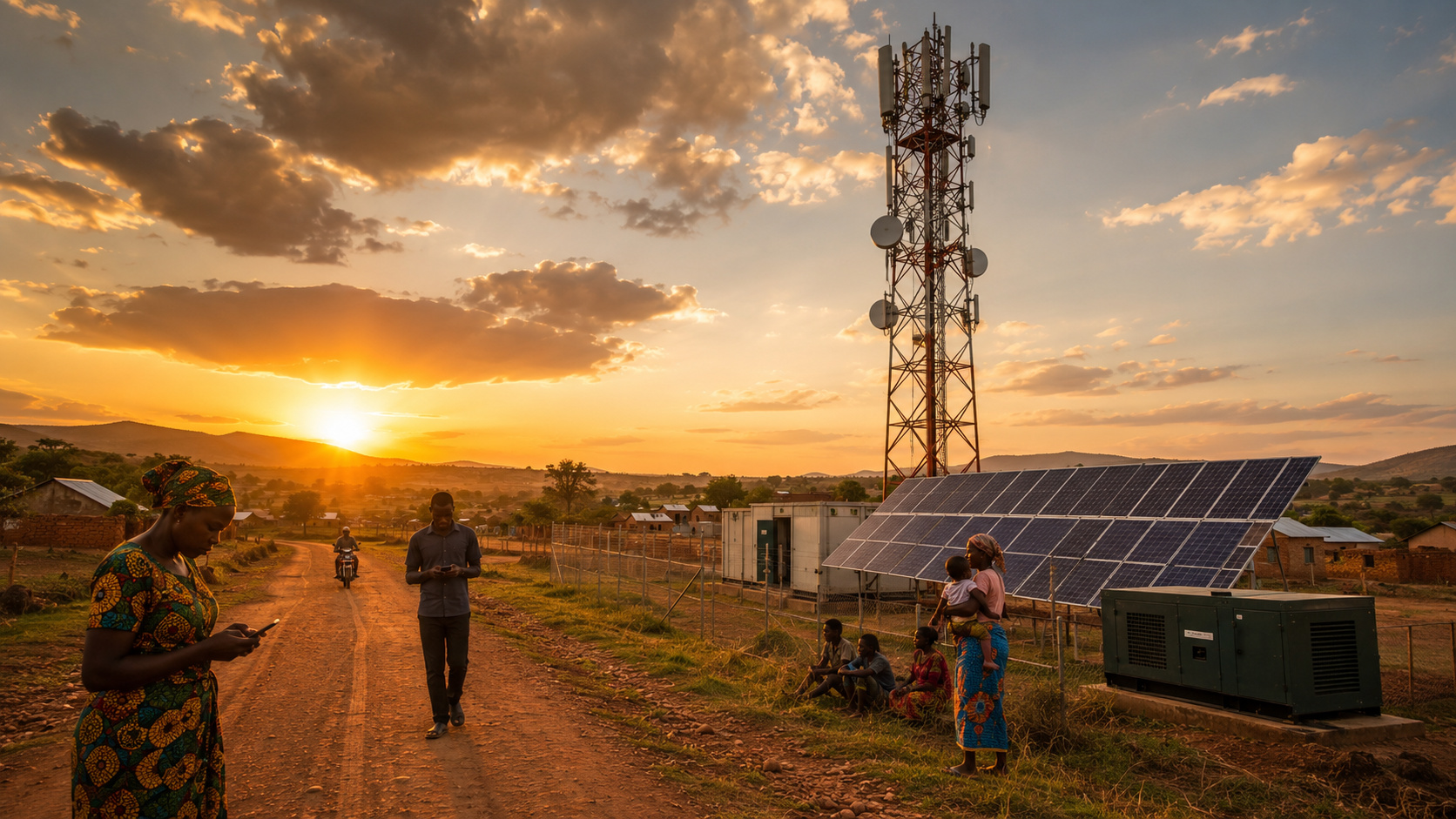
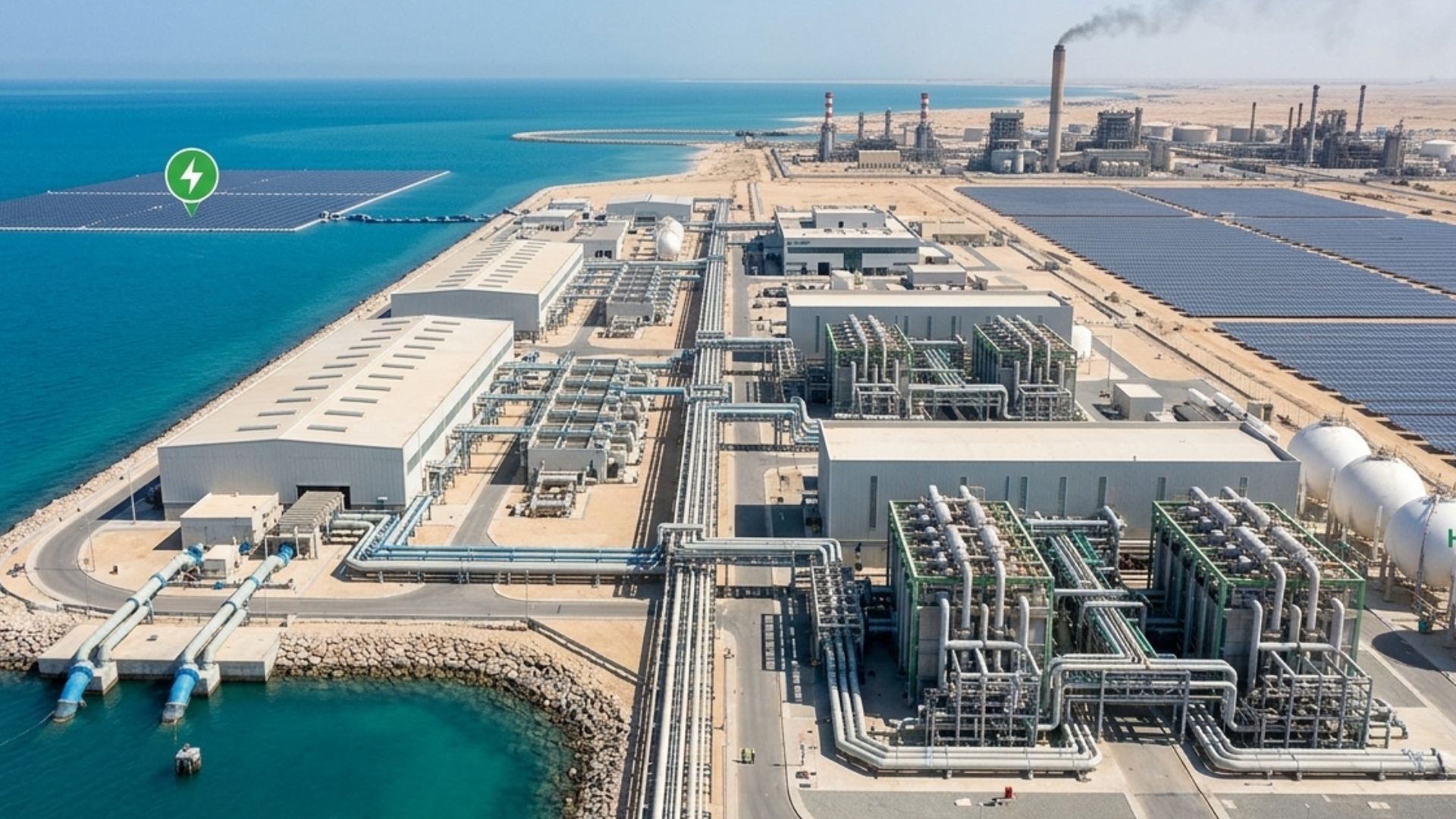
The world has bet on green hydrogen as the fuel of the future, but now faces the side effect: producing 1 kilogram requires about 9 liters of ultrapure water, and the largest projects on the planet are precisely in the driest regions of the Earth, where water is already scarce for people.



Social Projects Integrate the Implementation of Wind and Solar Parks
Since 2020, various energy operators have implemented social projects alongside the communities where they are installed. One of the main examples is the Morro do Chapéu Sul Wind Complex, operated by Enel Green Power Brazil. The company invested over R$ 6 million, between 2020 and 2023, in actions focused on health, education, and technical training in the region. In addition, it promoted renovations in schools, health posts, supported family farming, and encouraged cultural initiatives. These actions complement structural investments and strengthen the bond between the enterprises and local populations.
Environmental Preservation Is a Priority in Renewable Energy Projects in the State
The intensification of renewable activities has led to stricter monitoring of environmental impacts. According to the Secretary of the Environment of Bahia, between 2022 and 2024, reforestation programs and recovery of degraded areas near energy parks have been implemented. In addition, the Bahia Institute of Environment and Water Resources (INEMA) has coordinated conservation actions in the Caatinga and control of wildfires. Starting in 2022, Bahia began to integrate the Brazilian Climate Monitoring Panel. In 2023, the International Energy Agency cited the region as one of the leading areas in balancing clean generation and environmental protection.
Attraction of New Investments Reinforces the Strategic Role of Bahia in the National Energy Sector
From 2018 to 2024, over R$ 38 billion was invested in Bahia in wind and solar generation projects, according to information from the State Government. Companies such as Omega Energia, Voltalia, and Atlas Renewable Energy announced new plants in the state between 2022 and 2025. Furthermore, the São Francisco Hydroelectric Company (CHESF) has been investing since 2023 in modernizing the electric transmission infrastructure, allowing for greater integration with the National Interconnected System. Projections from the Energy Research Company indicate that, by 2030, the installed capacity for renewable energy in Bahia could double. This growth has occurred in a planned manner, based on regulatory guidelines, technical evaluations, and environmental assessments.
Challenges Persist, but Are Addressed with Public Policies and Training
Despite the advances, the sector still faces logistical and institutional challenges. According to the CCEE, in a technical report from January 2025, the environmental licensing process remains one of the main bottlenecks for expansion. In addition, there is a shortage of qualified professionals in the more remote regions. In response, between 2023 and 2024, technical training programs were created in partnership with SENAI Bahia, municipal governments, and sector operators. These actions aim to qualify local workers, promoting productive inclusion and strengthening the regional energy chain. Since 2015, Bahia has been nationally recognized for the technical, gradual implementation of renewable energies based on consistent public policies. With job creation, attraction of investments, and continuous environmental actions, the state has become a reference for other regions of the country. The adopted model, focused on sustainability, transparency, and planning, demonstrates that it is possible to grow responsibly.