Portuguese
  Spanish


Petrobras Defined Two Phases for Its Renewable Strategy: Until 2035, Priority for Biofuels; After 2035, Emphasis on Solar, Wind, and Hydrogen Energy.
The president of Petrobras, Magda Chambriard, presented this week a clear vision of the company’s next steps in the renewable energy sector. In an interview, she highlighted that the company is working with two distinct phases until 2050. The first, until 2035, prioritizes biofuels. The second, after this period, will be marked by investments in solar, wind, and hydrogen energy.
According to Magda, this strategic division allows the company to maintain a balance between fossil fuel production and the advancement of the energy transition.
Billion-Dollar Investment in Renewables and New Refinery in the South
Petrobras plans to invest around US$ 16.5 billion in renewable energy over the coming years. This amount aims to accelerate the transition and prepare the company’s infrastructure for a scenario of greater demand for clean solutions.
-
Island in Brazil Innovates by Installing 184 Solar Panels on Urban Lagoon to Generate Clean Energy

-
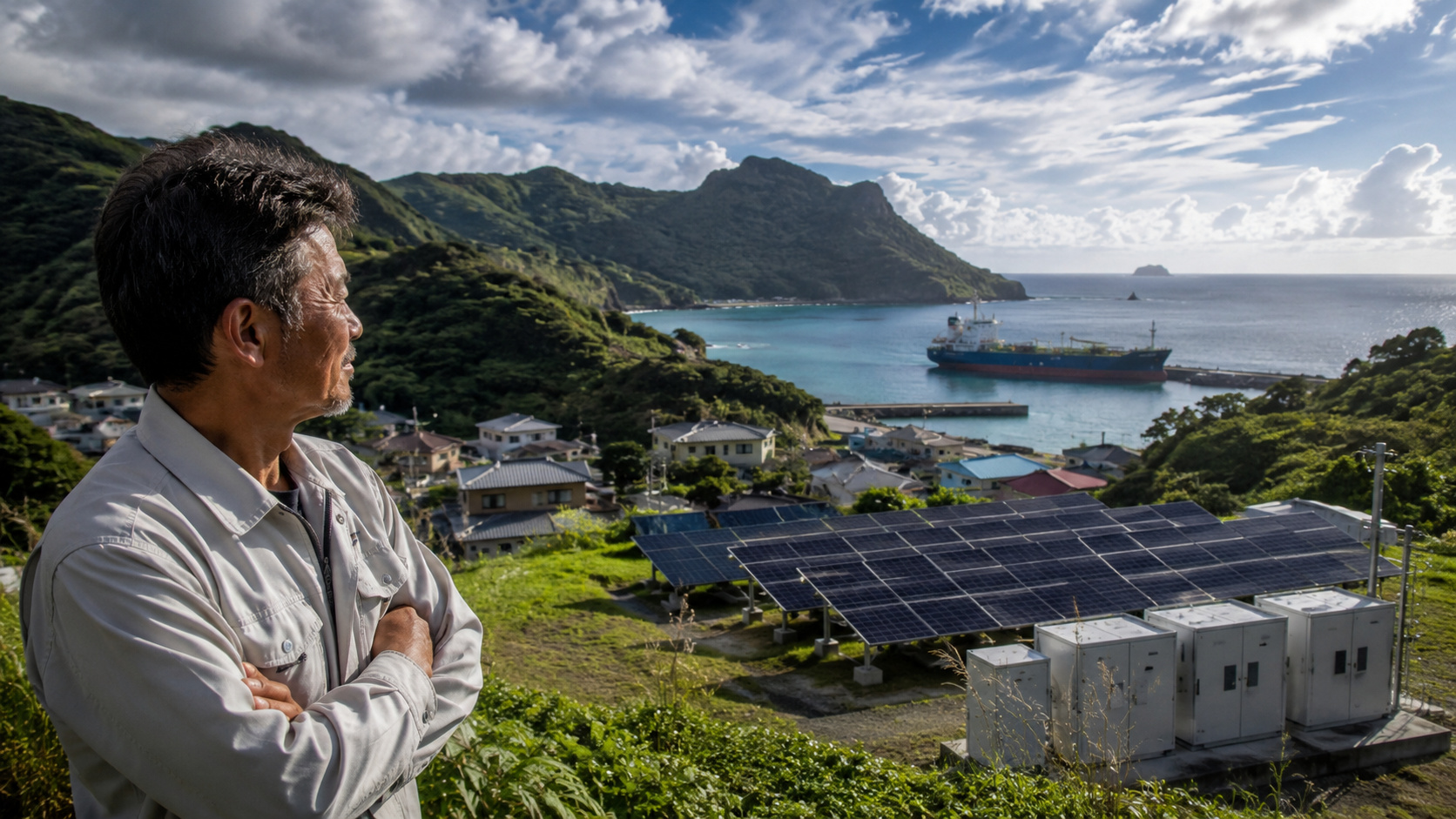
Japanese Island of 417 Residents to Test Living Half the Year Solely on Solar Power, Reducing Dependence on Diesel Brought by Ship
-
Brazilian Fishermen Use Solar Power to Produce Nearly One Ton of Ice Daily, Preventing Fish Spoilage Before Reaching Market
-
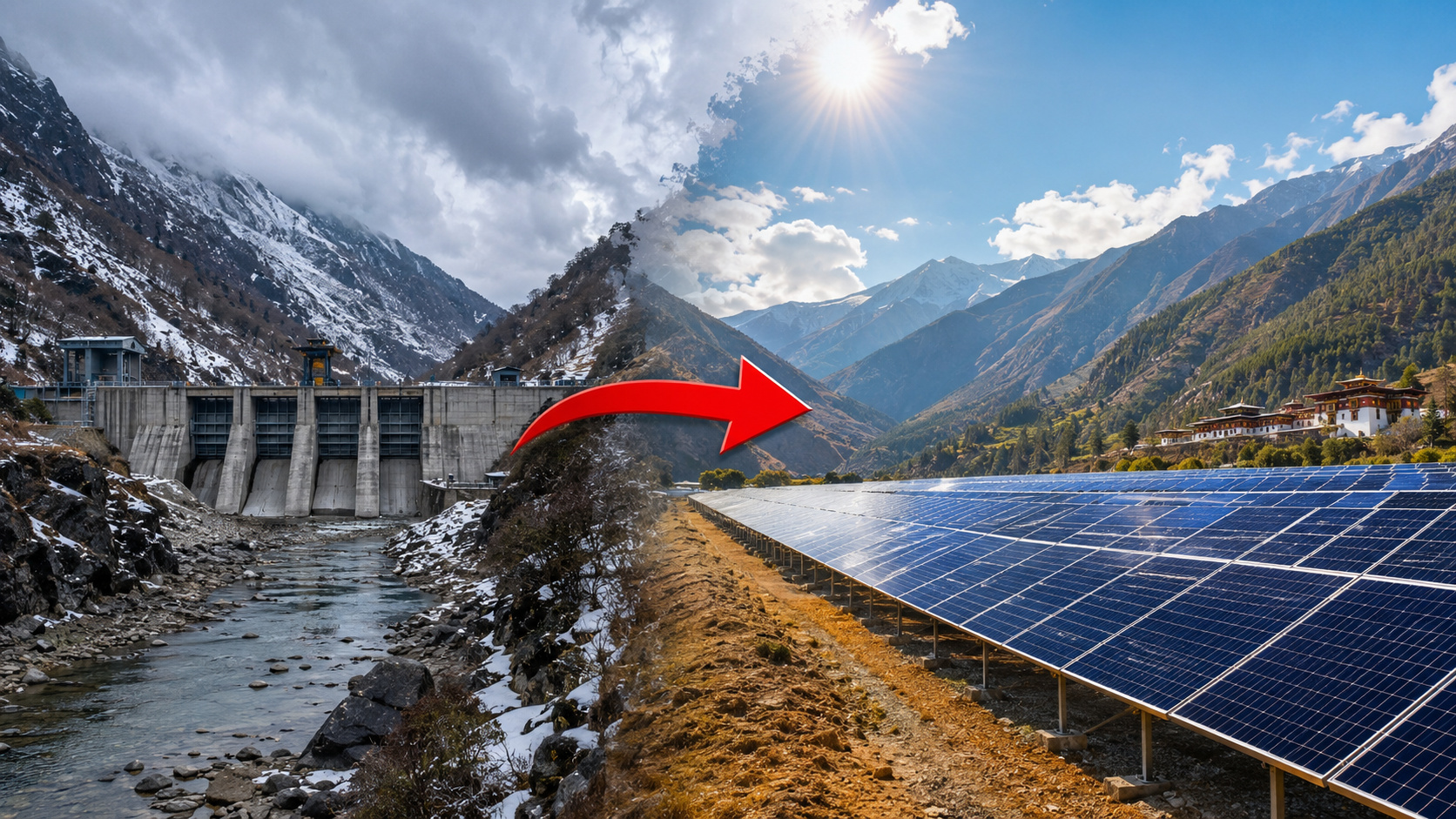
Brazil, known for its river-powered energy, installs solar plant in mountains to boost winter electricity production


A concrete example is already underway: the construction of a refinery in Rio Grande do Sul, with a capacity to process 15,000 barrels per day. The difference is that all production will be 100% renewable, without fossil molecules.
According to the president, Brazil currently has 52% of its energy matrix based on clean sources. The company’s goal is to increase this number to 64%, strengthening the country’s role in the international sustainable energy landscape.
Biofuels as the Initial Step of the Transition
Before giving prominence to solar energy, Petrobras intends to consolidate its operations in biofuels. The plan includes ethanol, biodiesel, biogas, and the so-called co-processed diesel. The latter is a technology patented by the state-owned company and can contain 5% to 10% of vegetable oil.
Magda highlighted that, amid the commercial crisis brought about by U.S. tariffs, co-processed diesel could be a viable solution for grain surpluses in Brazil. The idea is to increase the blend of vegetable oil to up to 20%, depending on the level of national investment.
Solar, Wind, and Hydrogen Energy Gain Prominence After 2035
The second phase of Petrobras’ strategic plan places solar energy as a key player. The president believes that, with the maturation of the market and technology, these sources will carry more weight in the company’s portfolio.
During this period, the state-owned company intends to intensify the development of solar projects, as well as expand investments in hydrogen and wind energy. For Magda, this phase will be crucial to establish Petrobras as a reference in clean energy, without completely abandoning fossil fuels.
Prospects for the Automotive Sector and Electrification
When questioned about electric vehicles, Magda Chambriard stated that she sees more space for hybrid models in Brazil. The justification is that total electrification better serves light vehicles than heavy ones.
“Although I love fossil fuels, we are not denialists. I believe we will have a demand for hybrids in Brazil, and I think this will postpone total electrification,” she said.
In Petrobras’ view, the use of fossil fuels is still expected to last for several decades, but the trend is for gradual growth of alternative sources.