Portuguese
  Spanish


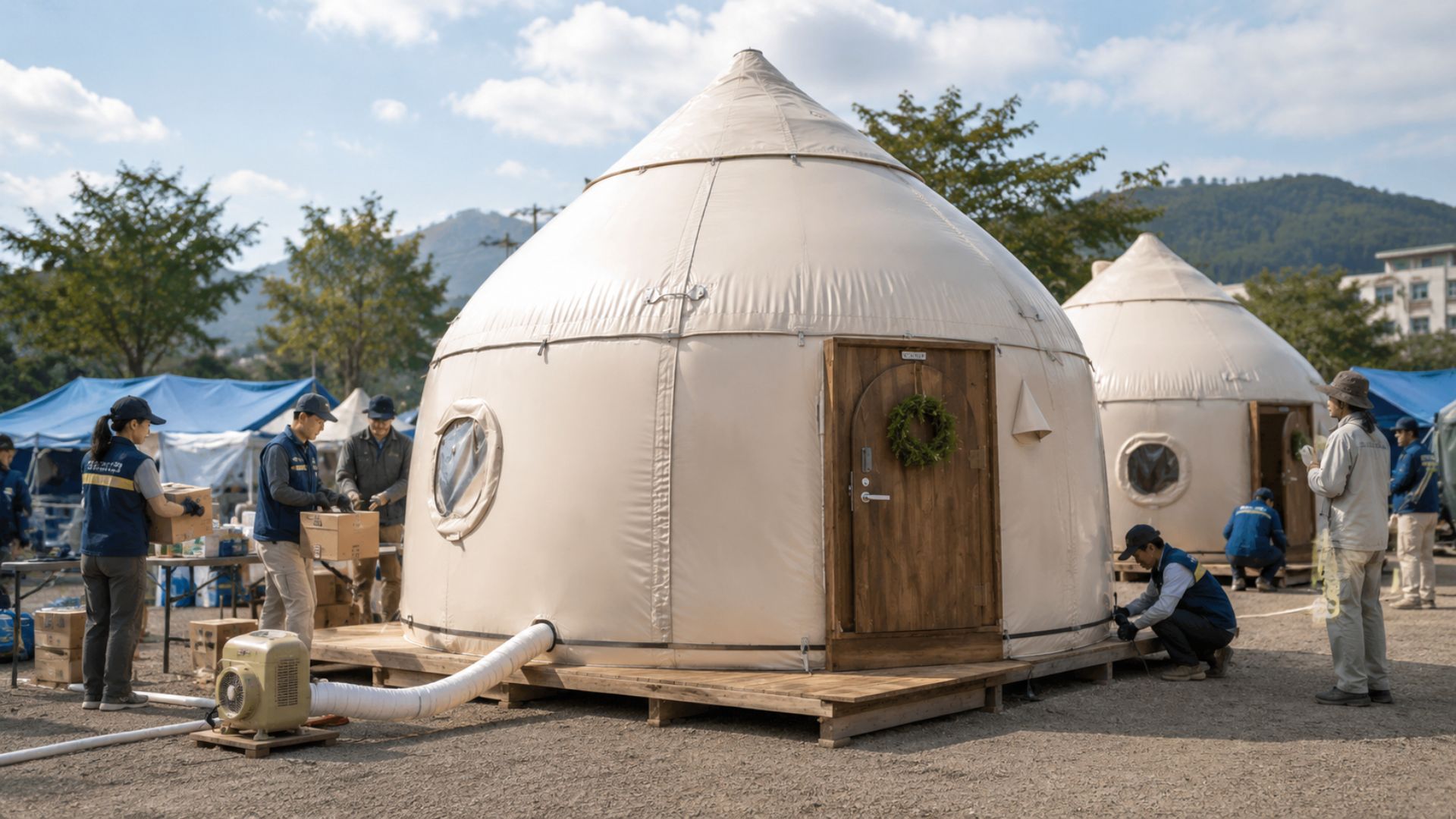

Created in Japan by Professor Kitagawa Keisuke, the Instant House rises by inflating a giant dome with a blower and receiving insulating foam inside, without pillars. Ready in one to two hours and light enough for six adults, it has already sheltered disaster victims in several countries.
Imagine a house that emerges from a giant dome inflated with a blower, like a balloon, and is ready in about two hours. This is the Instant House, an emergency dwelling created in Japan that stands without any pillar and promises to speed up aid to disaster victims around the world.
The invention is by Professor Kitagawa Keisuke, from the Nagoya Institute of Technology, who also presides over the company LIFULL ArchiTech. According to the Japanese government portal, which disclosed the project, the structure is erected by inflating a membrane with the blower to create tension and then spraying insulating material inside. The first Instant House was born in 2016.
How the giant dome becomes a house in two hours
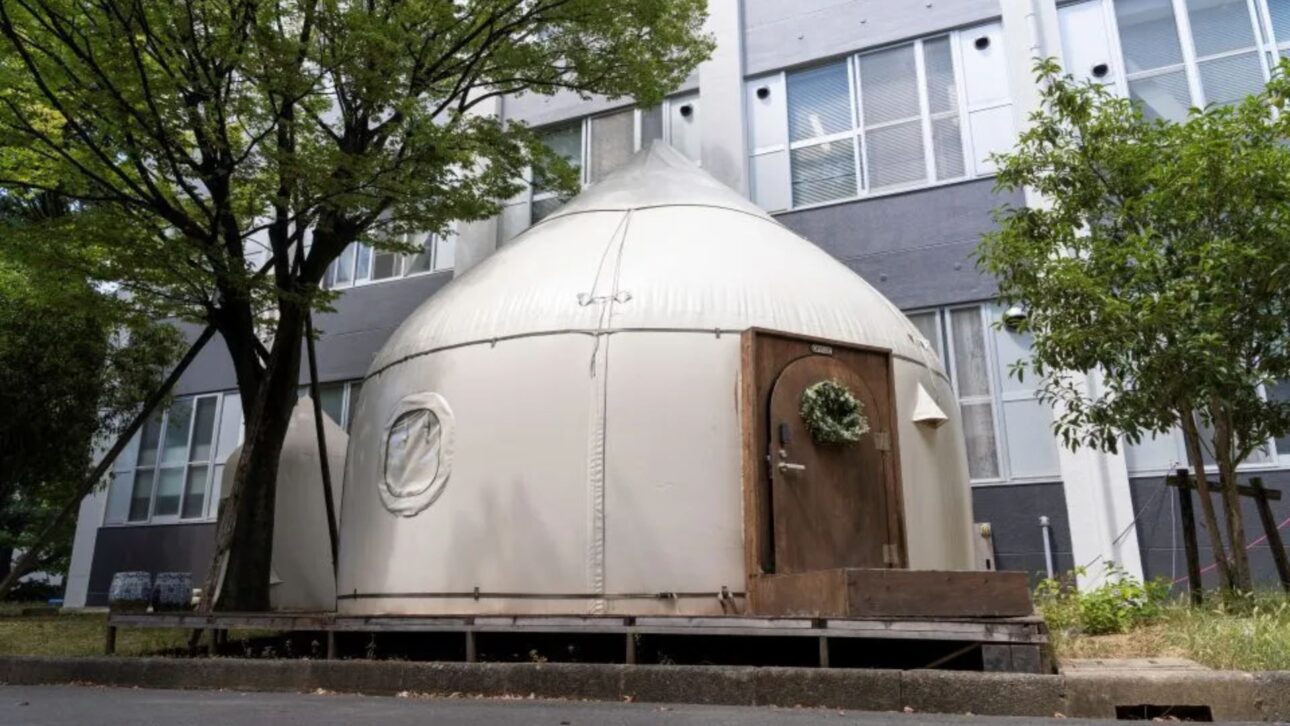
The version for outdoor areas is made of the same membrane material used in tents and can accommodate up to 10 people.
-
Bridge Rebuilt in Just One Year Reconnects Two Brazilian States

-
Custom Furniture Costs in Brazil Expected to Range from $350 to Over $1,450 per Square Meter by 2026, with Kitchens, Closets, and Laundries Highlighting the Impact of Premium Features
-
Australia Builds Entire Airport from Scratch to Spark Development of New City
-
17-Story Building with 112 Apartments Opens in Australia to House Homeless Population, Offering Fully Equipped Units with Daily On-Site Support


To assemble it, a blower inflates the giant dome with air and then polyurethane foam is applied to the inner wall, in a process that takes one to two hours.
This is what the creators call a pre-stressed structure: the tension of the inflated membrane supports the construction, which is why it stands without any pillar.
The house is about 4.3 meters high, has a lifespan of approximately 10 years, and is lightweight, being able to be carried by five or six adults.
Despite its lightness, it is a real dwelling. According to the government of Japan, it is possible to install windows and doors in the Instant House, provided certain conditions are met, and the project already has Japanese and international patents.
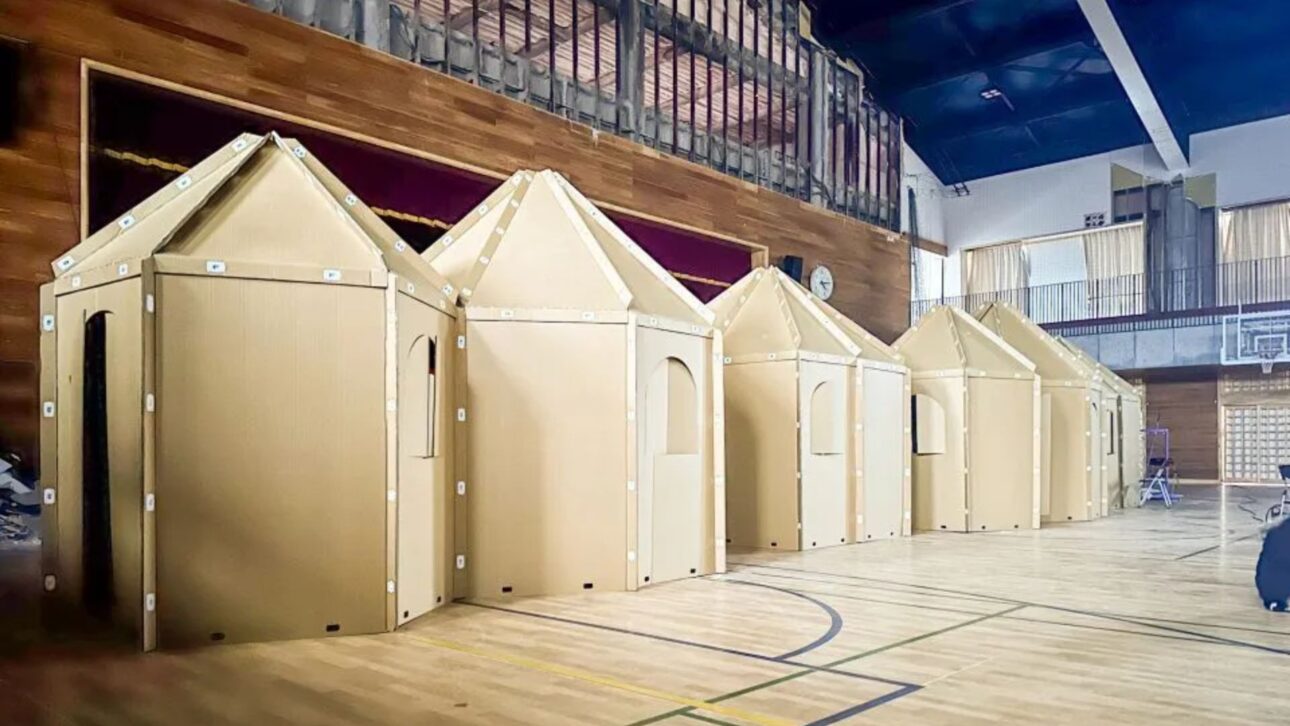
There is also a version for indoor environments, made of cardboard, which can be assembled in about 15 minutes, even by a child alone, and serves to ensure privacy in places like gyms and to isolate people with infectious diseases.
The question from children that led to the Instant House

The story behind the invention is as curious as the technology. What motivated Kitagawa Keisuke was the Great East Japan Earthquake in 2011.
While inspecting a gymnasium housing the homeless in the city of Ishinomaki, he was asked by children why a temporary house takes three to six months to be ready, and why a university professor couldn’t build it the following week. The sincere provocation turned into a life goal.
To respond, the professor listed 40 characteristics of so-called common sense architecture, such as high weight, high cost, many parts, and large teams, and sought the opposite of each one.
The turning point came when wearing a down jacket: he realized that the common element to everything was air, which is everywhere, free, and insulates very well. After about 150 prototypes in five and a half years, the Instant House was born in 2016. The real estate company LIFULL supported the concept, leading to the creation of LIFULL ArchiTech in 2019.
From Turkey to Japan: where the Instant House has already helped disaster victims
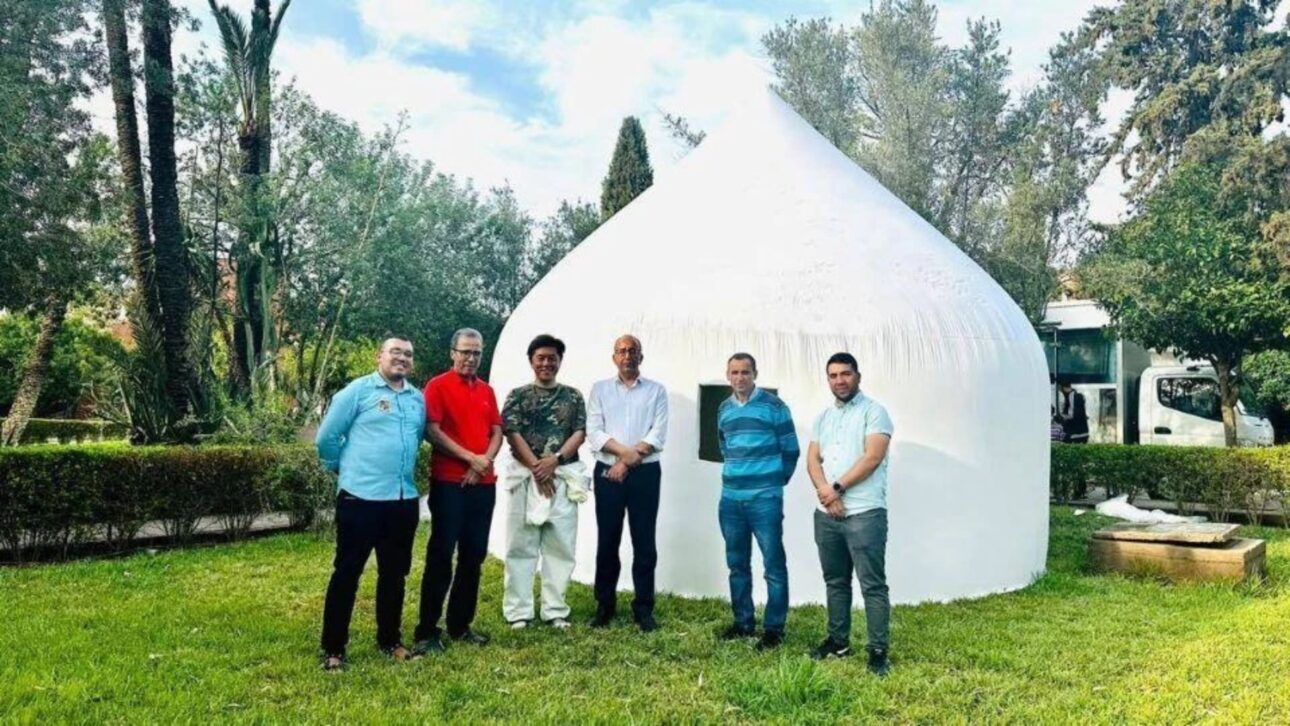
The solution has already been implemented in various tragedies. According to Yamanaka Tsukasa, on the Japanese government portal, COO of LIFULL ArchiTech, prefabricated houses of this type were delivered to areas affected by the earthquakes in Turkey, Syria, and Morocco in 2023, and by the Myanmar earthquake in 2025.
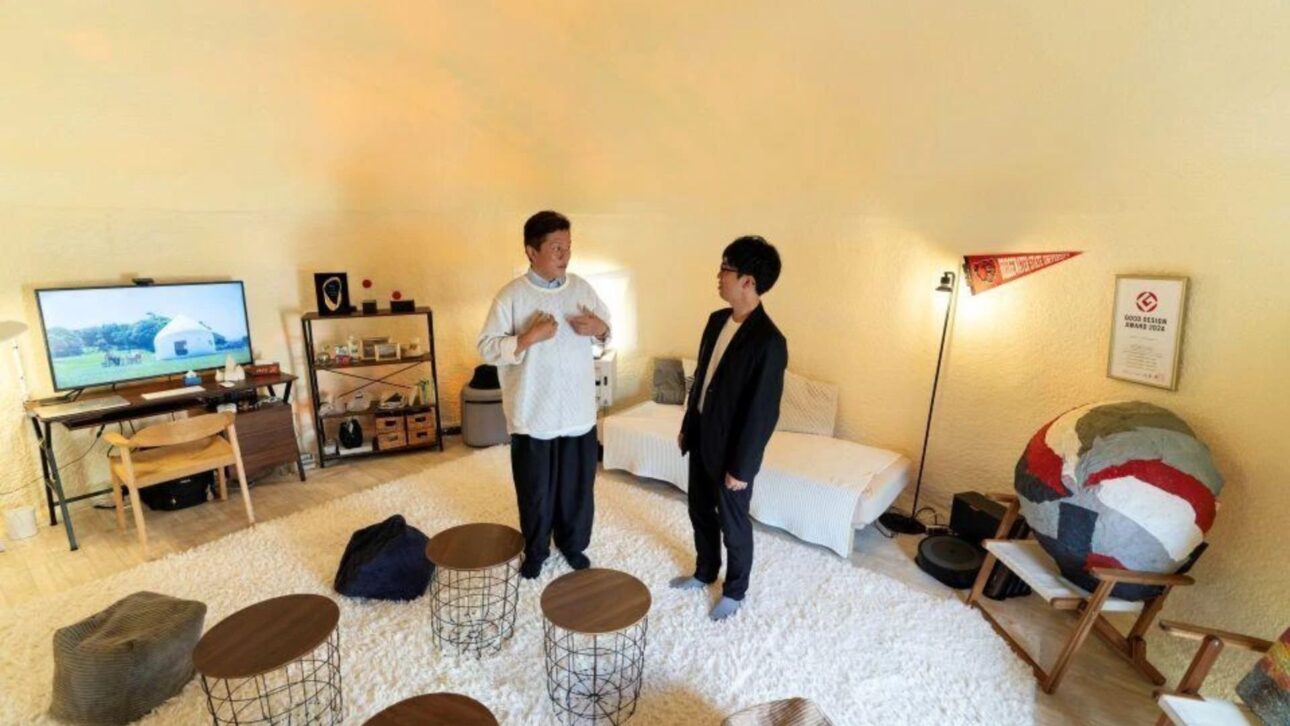
According to the company, the comfort and ease of assembly, which do not require special skills, have earned praise wherever the shelters have been, helping disaster victims in different countries.


In Japan itself, the Noto earthquake on New Year’s Day 2024 demonstrated the invention’s value. Shortly after the tremor, Kitagawa Keisuke drove to the affected area with 10 cardboard units and installed them in a shelter at Wajima High School.
The impact generated a wave of donations exceeding 100 million yen to the Nagoya Institute of Technology, money that financed mass production and resulted in the installation of about 250 external units and 1,250 internal units for disaster victims throughout the Noto region.
The future: edible houses and the limits of the solution

The professor is already working on the next generation of the Instant House, focusing on reducing environmental impact.
Among the ideas are edible versions, using insulating material made from snack leftovers and starch glue, as well as models with recycled fabric, newspapers, and Japanese washi paper as a membrane. Kitagawa Keisuke notes that, besides natural disaster victims, more than 123 million people worldwide are displaced by conflicts and persecutions, and he wants to bring the shelter to as many people as possible.
Even so, it’s worth keeping your feet on the ground. The giant dome is a temporary dwelling, with a lifespan of about 10 years, and does not replace the definitive reconstruction of lost homes.
Improving conditions in evacuation shelters remains a global challenge, weighed down by stress, lack of privacy, and risk of disease.
Even so, by tackling delay, thermal comfort, sanitation, and privacy all at once, the Instant House emerges as one of the most creative responses ever presented to the problem.
A house that inflates like a giant dome in two hours, without pillars, and can aid disaster victims anywhere in the world is the kind of idea that mixes engineering and empathy.
Tell us in the comments if you think solutions like the Instant House should be adopted in Brazil during floods and other tragedies.