Portuguese
  Spanish


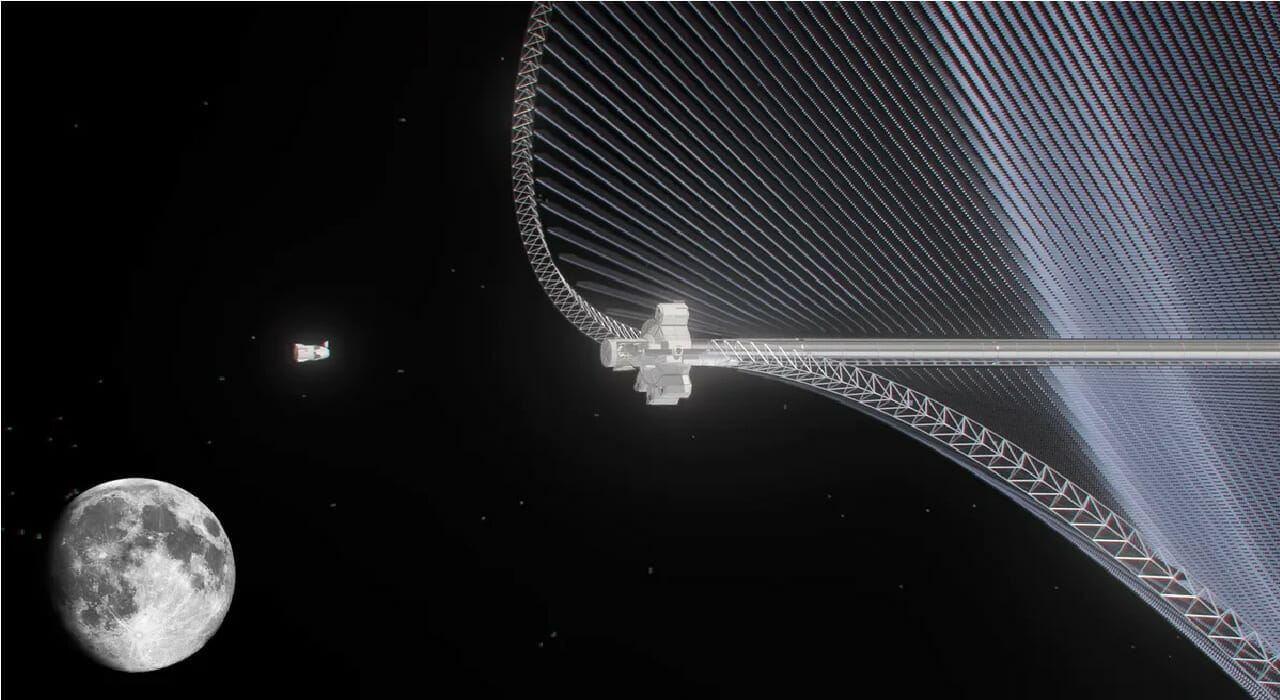

European Space Agency and Astrostrom Collaborate on Developing Satellite That Collects Solar Energy in Space and Sends It to the Moon
The European Space Agency (ESA) has announced exciting details about the GE⊕-LPS project, an ambitious initiative in partnership with the Swiss company Astrostrom, aimed at creating an innovative satellite capable of capturing solar energy directly from space and transmitting it to the Moon. Engineers at Astrostrom assure that the success of the GE⊕-LPS will pave new ways for utilizing this technology here on Earth, according to the Canaltech website.
The proposal consists of designing V-shaped solar panels, mounted on an axis and arranged in a helical format on the satellite, which would have a total area of approximately one square kilometer. Additionally, the project also includes constructing a space base to accommodate astronauts.
The outlook is that the GE⊕-LPS will generate an incredible amount of 23 megawatts of continuous solar energy. This energy will be directed to the Moon, powering future bases and human activities on Earth’s natural satellite. The energy will be transmitted through microwave radiation sent to receivers on the lunar surface.
-
Brazil saved US$ 32.4 billion in 2025 by switching from fossil to renewable energy and only ranked behind China and the United States on the IRENA global podium.

-
Fired during apartheid and with a little borrowed money, an electrician started with a borrowed truck and transformed electrical services into a group connected to energy, real estate, and infrastructure in South Africa.

-
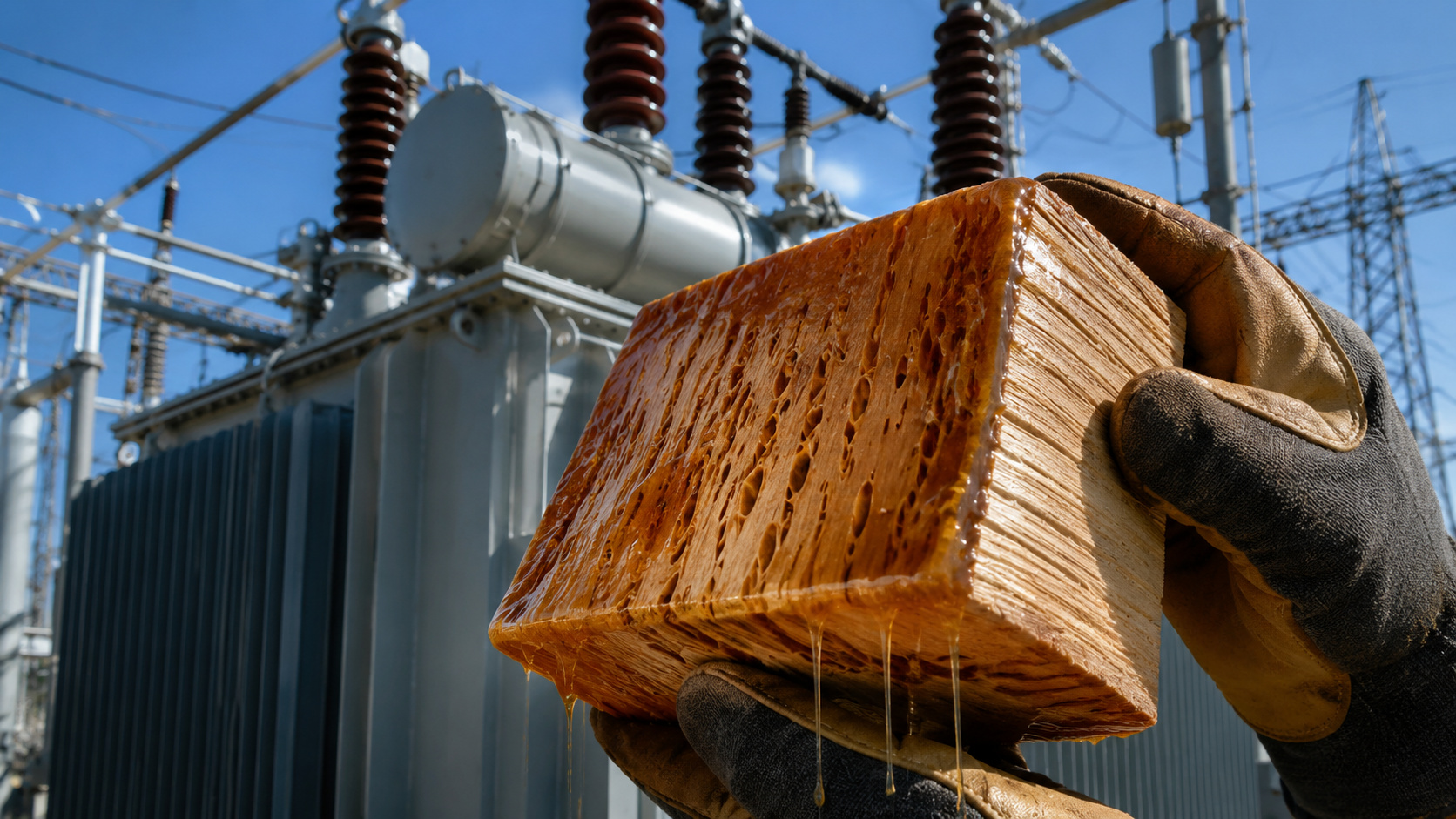
Wood has ceased to be just a construction material in Yale research and has become insulation for electrical transformers that face intense heat, aging, and increasing pressure from the renewable energy-powered grid.
-
More than 1,000 residents of a remote island in Kiribati now have clean water and electricity with solar systems operated by the community itself.



Technology to Transmit Solar Energy to the Moon Could Be Used on Earth
One of the most promising aspects of this satellite project is the possibility of using the same technology on Earth. The engineers at Astrostrom are excited about the prospect of applying this innovation to improve the energy matrix of our planet.
Astrostrom believes that producing the GE⊕-LPS on the Moon itself is a more viable option than doing so on Earth. This is due to the fact that manufacturing here would require launching multiple space flights to transport the solar panels, which would increase the project’s cost. On the other hand, the Moon offers the opportunity for more accessible and cost-effective rocket launches.
Another benefit is that the elements necessary for manufacturing the solar panels are present in lunar regolith. For example, iron pyrites found on the Moon can be used to form reflective crystals that will coat the solar panels.
The GE⊕-LPS satellite will occupy a strategic position at the Earth-Moon Lagrange point, located approximately 61,350 km from the lunar surface. This location is particularly advantageous as it is a point where the gravity of the two celestial bodies balances, making the operation of the satellite more practical.
Solar Energy Generation Satellite Will Function as Support
In addition to its primary mission of generating energy, the satellite will function as a support for astronauts on missions to the Moon, providing artificial gravity and health support for crews while exploring our cosmic neighbor.
The GE⊕-LPS project is a remarkable undertaking that signals the continued advancement of space exploration and the search for innovative and sustainable energy solutions. The partnership between ESA and Astrostrom promises to open new horizons for the future of renewable energy in space and on Earth.