Portuguese
  Spanish



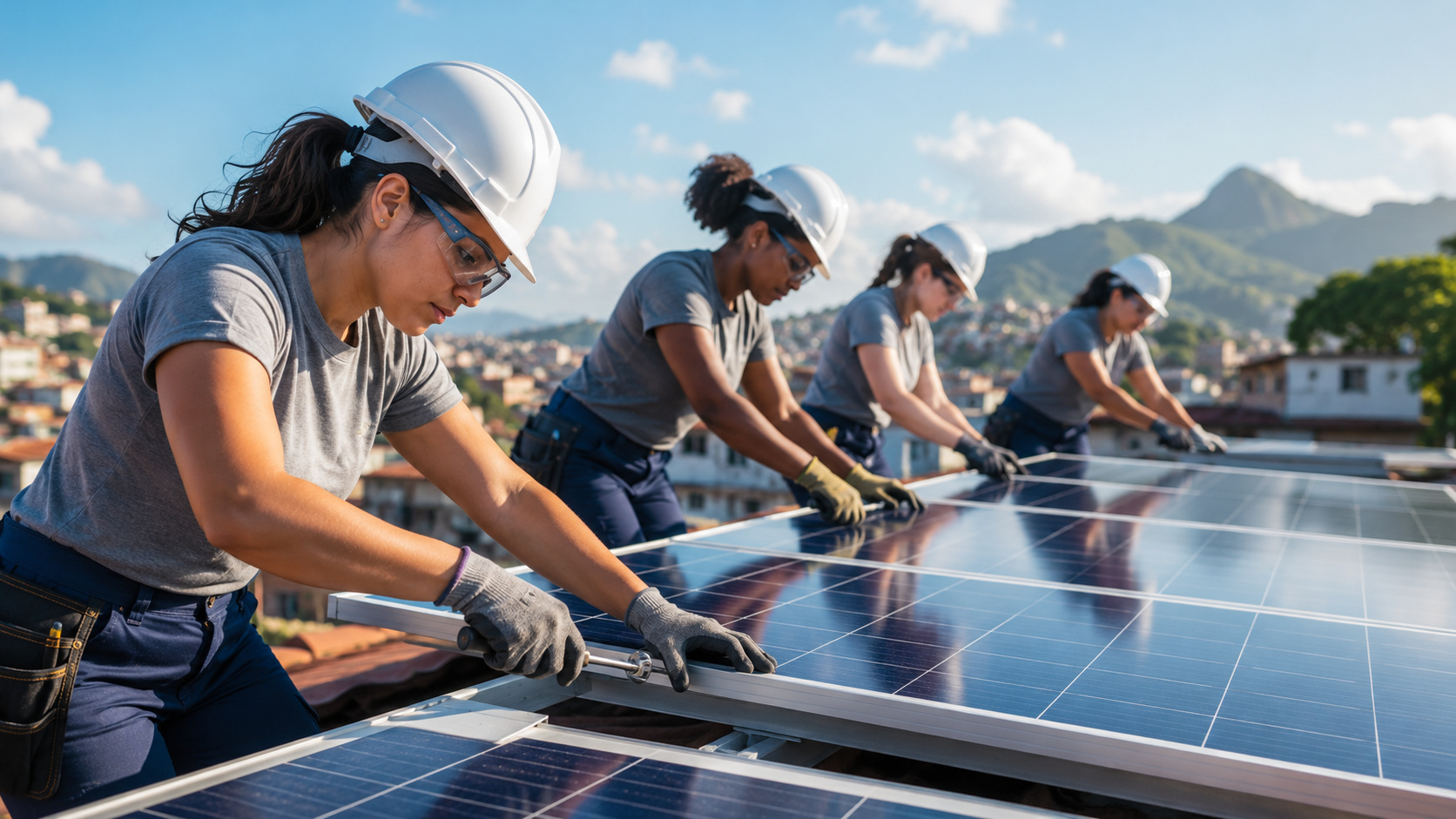
Solar Energy Grows in Brazil and Expands Opportunities for Roraima with Clean Generation, Cost Reduction, and Advancement of the Energy Transition in the Coming Years.
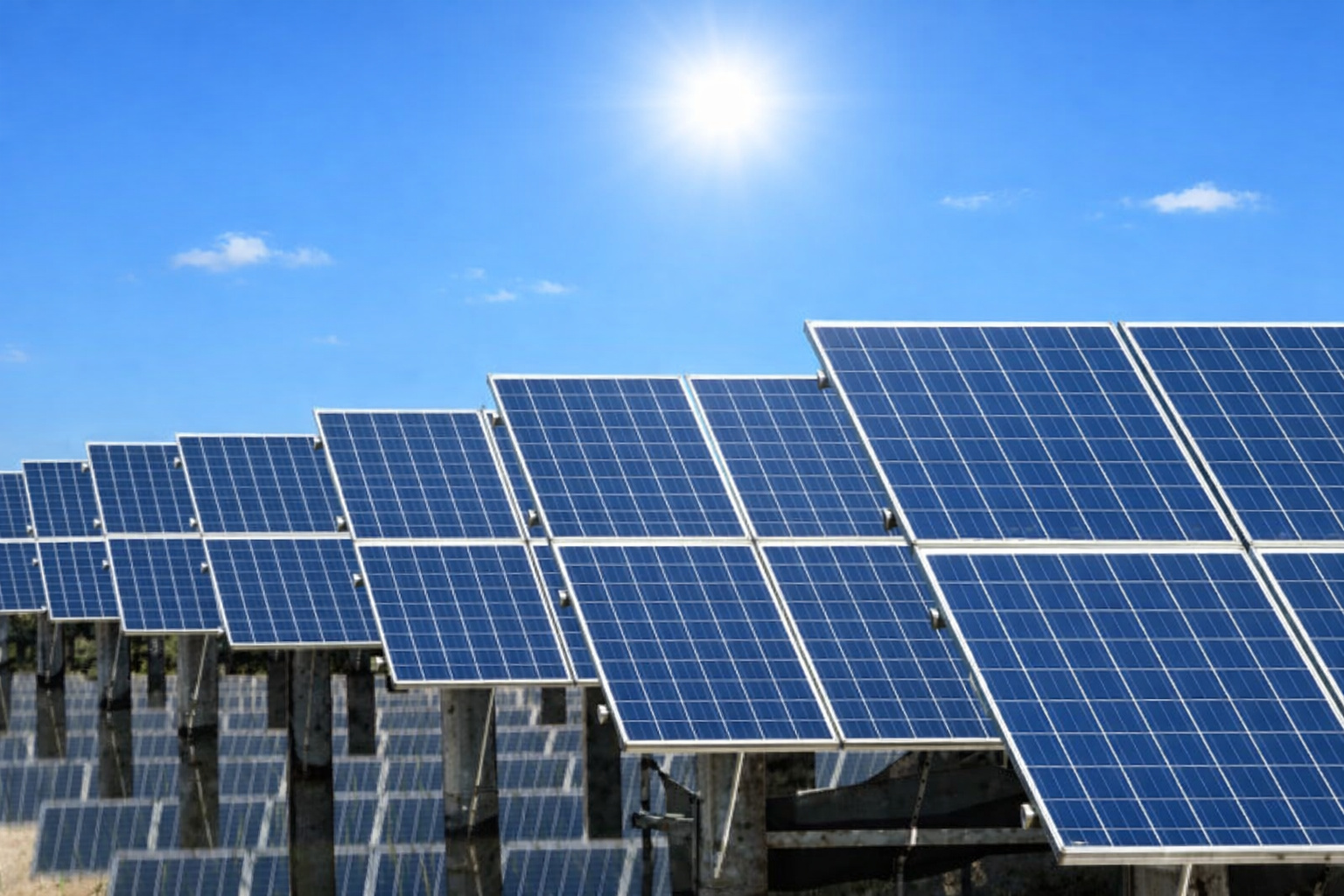
Solar energy is growing consistently in Brazil and, at the same time, solidifying as one of the main alternatives to diversify the electric matrix, reduce costs, and enhance energy security.
In this sense, the advancement of 24.5% in solar generation reinforces a trend that has become increasingly clear over the last decade. Therefore, it should continue in the coming years, even amidst cyclical fluctuations.
Moreover, this growth is not limited to major consumer centers and, consequently, opens up space for strategic regions, such as Roraima, which has favorable natural conditions and, at the same time, presents a growing demand for more efficient energy solutions.
-
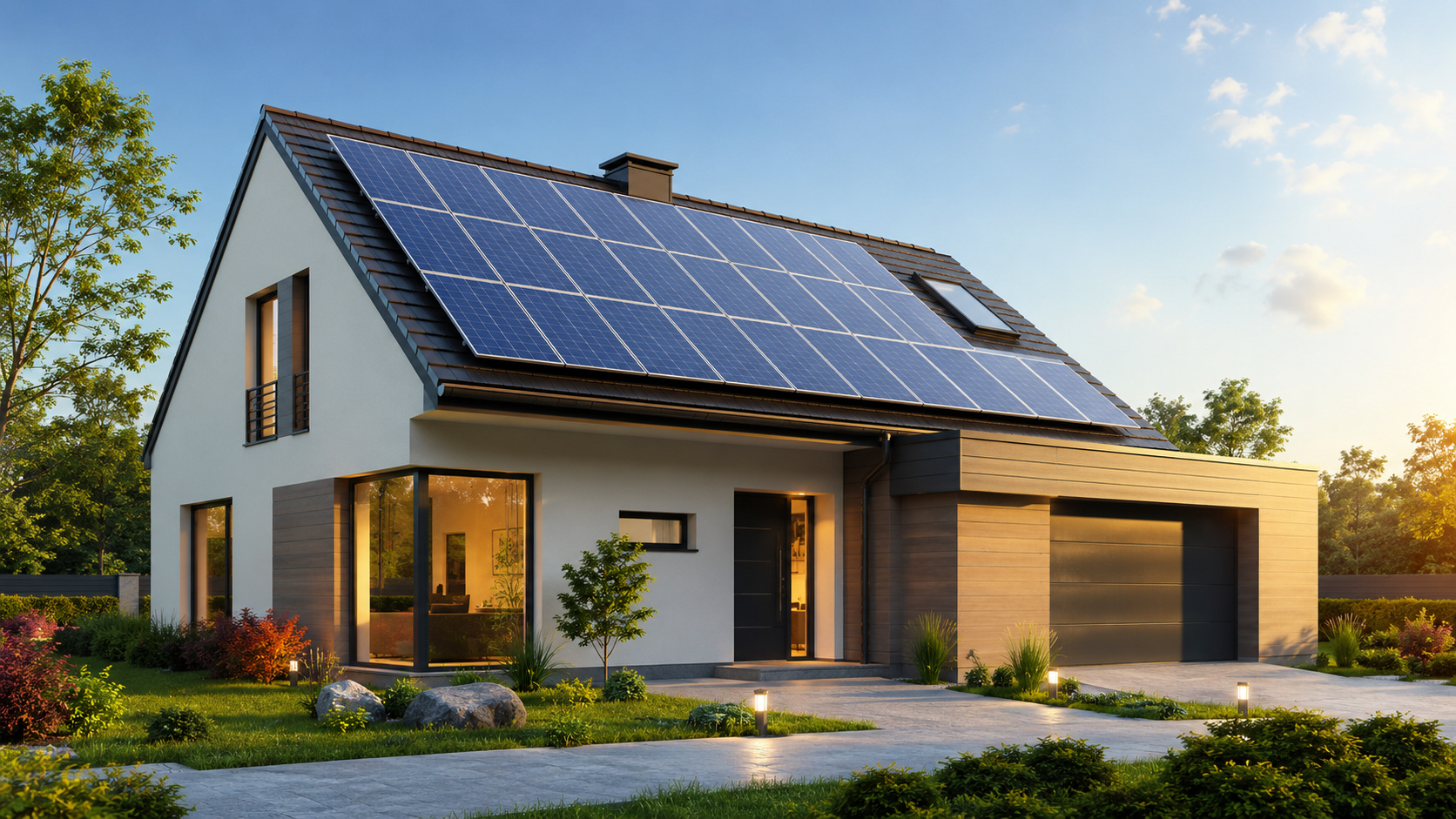
Solar energy can increase property value by up to 10% and become a selling point.

-
Solar and wind energy surpass natural gas for the first time in the world and accelerate energy revolution

-
Africa has about 500,000 cell towers and most still burn diesel to operate, while companies rush to cover antennas with solar energy and avoid signal blackouts.
-
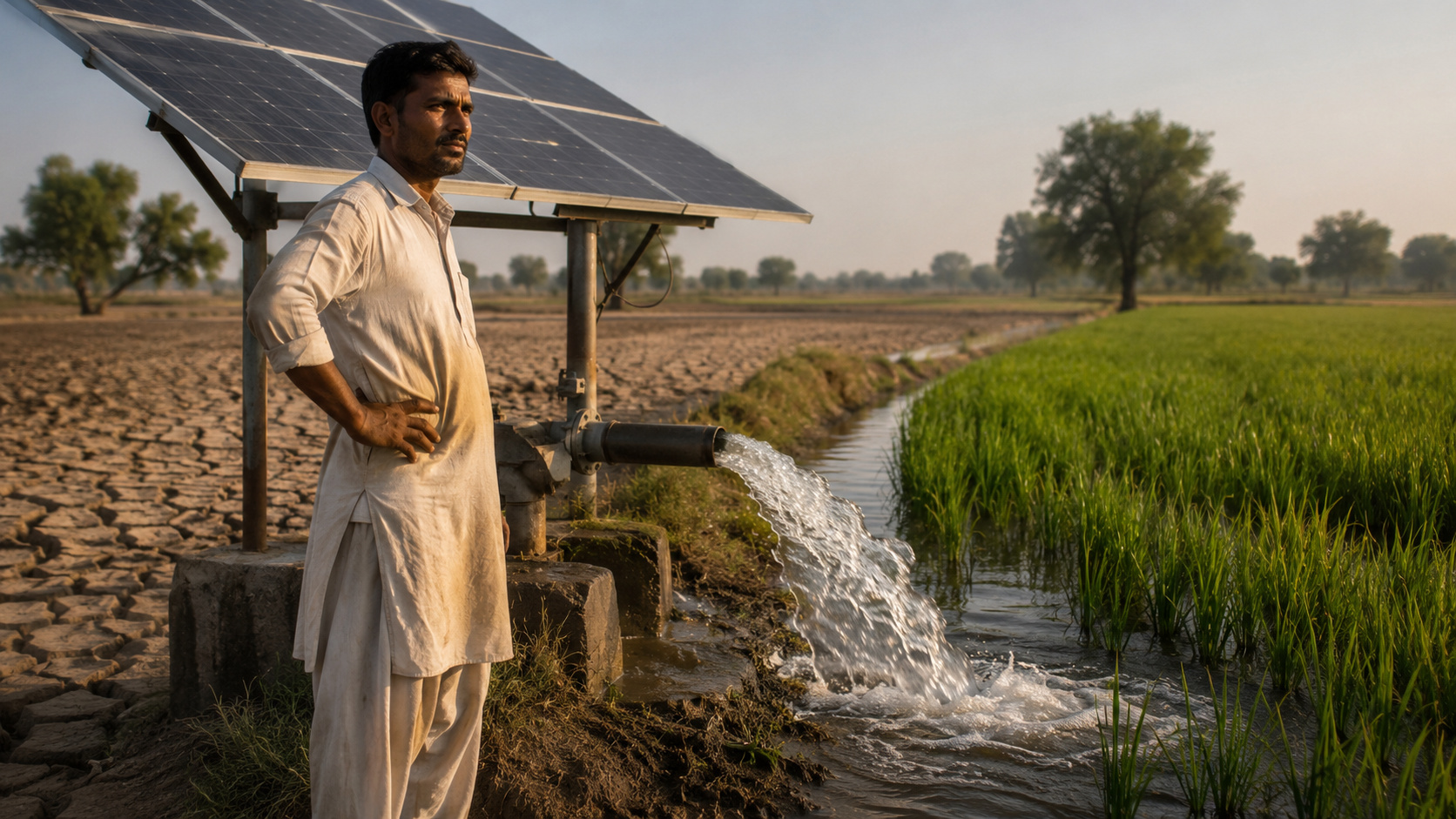
Farmers swapped diesel for solar panels in Pakistan, powered irrigation pumps almost cost-free, expanded rice fields, and now groundwater has become a red alert in the countryside.


Historically, the Brazilian electric sector was structured with a strong dependence on hydropower, taking advantage of the abundance of water resources available in the country.
For many years, this model ensured relatively cheap and clean energy; however, it also exposed Brazil to significant risks during periods of prolonged drought.
Over time, extreme weather events have made these vulnerabilities even more evident and consequently stimulated discussions on the need for complementary sources to ensure greater stability for the system.
From the 2000s onwards, recurring energy crises and increasing environmental concerns progressively drove discussions about matrix diversification.
In this context, solar energy gained prominence, initially in a timid manner, but soon saw significant acceleration in the last decade.
Evolution of Solar Energy in the Brazilian Electric Matrix
In general, the reduction of equipment costs, the technological evolution of photovoltaic panels, and the creation of regulatory frameworks have directly fueled the growth of solar energy in Brazil.
Furthermore, distributed generation has allowed residences, businesses, industries, and rural properties to produce their own energy, reducing dependence on the traditional electrical grid.
As a result, the predictability of electricity expenses has increased, which is an important factor for financial planning for consumers and companies.
At the same time, large solar plants have started to integrate into the National Interconnected System, increasing the participation of this source in the electric matrix.
This movement, in turn, has helped balance the energy supply during periods of higher demand, especially during peak hours when consumption tends to increase more intensely.
When looking at the sector’s performance over the past few years, it becomes evident that solar energy is growing in Brazil at a rate higher than that of other renewable sources.
This occurs because, even in scenarios of stability from hydropower, energy consumption continues to rise, driven by economic growth, urbanization, and the more intense use of electrical equipment.
Thus, solar energy takes on a strategic role in ensuring balance between supply and demand.
By diversifying the matrix, the country reduces risks associated with climatic factors and, consequently, strengthens the long-term security of the electric system.
Roraima and the Strategic Potential of Solar Generation
In this national context, Roraima emerges as a state with great potential to take advantage of this movement.
Located in a region of high solar incidence throughout the year, the state has climatic conditions that favor continuous and predictable photovoltaic generation.
Thus, solar systems demonstrate greater efficiency and better returns on investments made.
In addition, geographical and historical factors place energy security as a central theme for the population and the local productive sector.
Therefore, the expansion of solar energy represents a long-term strategic opportunity, capable of reducing vulnerabilities and strengthening regional autonomy.
The adoption of this source helps to decrease dependence on external supply systems and, consequently, expand local generation capacity.
At the same time, solar energy is growing in Brazil and creating a favorable environment for Roraima to position itself more competitively in the national energy scenario.
Additionally, local energy production reduces transportation losses and decreases operational costs, factors that are especially relevant in regions more distant from large generation centers.
Thus, for residential, rural, and business consumers, this translates into greater predictability and savings on electricity bills.
Economic and Social Impacts of Solar Expansion
From an economic standpoint, the adoption of solar energy in Roraima directly contributes to reducing electricity costs.
In more remote regions, where energy costs tend to be higher, local solar energy production helps mitigate this problem and creates a more favorable environment for economic growth.
Furthermore, the job market also feels the positive effects.
As solar energy grows in Brazil, the demand for qualified professionals, installation services, maintenance, engineering, and energy management increases.
As a result, the state can generate local jobs and strengthen a production chain linked to clean energy.
At the same time, the sector’s expansion contributes to social development by bringing more stable and accessible energy to urban and rural areas.
Thus, the quality of life of the population improves, and the state becomes more attractive for new investments.
Sustainability and Energy Transition in the Long-Term
From an environmental perspective, the expansion of solar energy aligns with commitments to reduce greenhouse gas emissions and promote a cleaner energy matrix.
Although Brazil already has a predominantly renewable matrix, increasing the participation of solar energy reinforces this characteristic and reduces the need to resort to fossil sources.
Furthermore, the trajectory of solar energy in Brazil follows the evolution of public policies and regulatory incentives.
Over the years, adjustments to energy compensation rules and specific financing lines have expanded access to solar technology.
Even as regulatory changes occur, the growth trend remains sustained by the economic competitiveness of the source.
When projecting the future, solar energy is expected to play a central role in the expansion of the Brazilian electric matrix.
Therefore, for Roraima, this represents the chance to follow this movement from now on, leveraging its natural potential and preparing for a growing demand for clean and efficient energy.
Thus, the advancement of 24.5% in solar generation integrates a broader transformation in the Brazilian electric sector.
This transformation creates opportunities for strategic regions and consolidates a scenario in which solar energy is growing in Brazil and establishing itself as one of the pillars of sustainable and long-term energy development.