





 Portuguese
  English
  Spanish
 5 min of reading
  1 comment


Discover How Solar Energy in Public Buildings Generates Savings and Sustainability for Municipalities in Paraná, Transforming Costs into Lasting Benefits.
Currently, the search for clean and sustainable energy sources is significantly increasing in Brazil. Among the available alternatives, solar energy in public buildings stands out, as it offers an efficient solution to reduce costs while simultaneously promoting sustainability.
In Paraná, several municipalities are already investing in photovoltaic plants and, consequently, making use of spaces in administrative buildings and public areas to generate electricity from the sun.
Historically, the Brazilian public sector heavily depended on electricity supplied by utility companies and, therefore, had limited options for energy diversification.
-
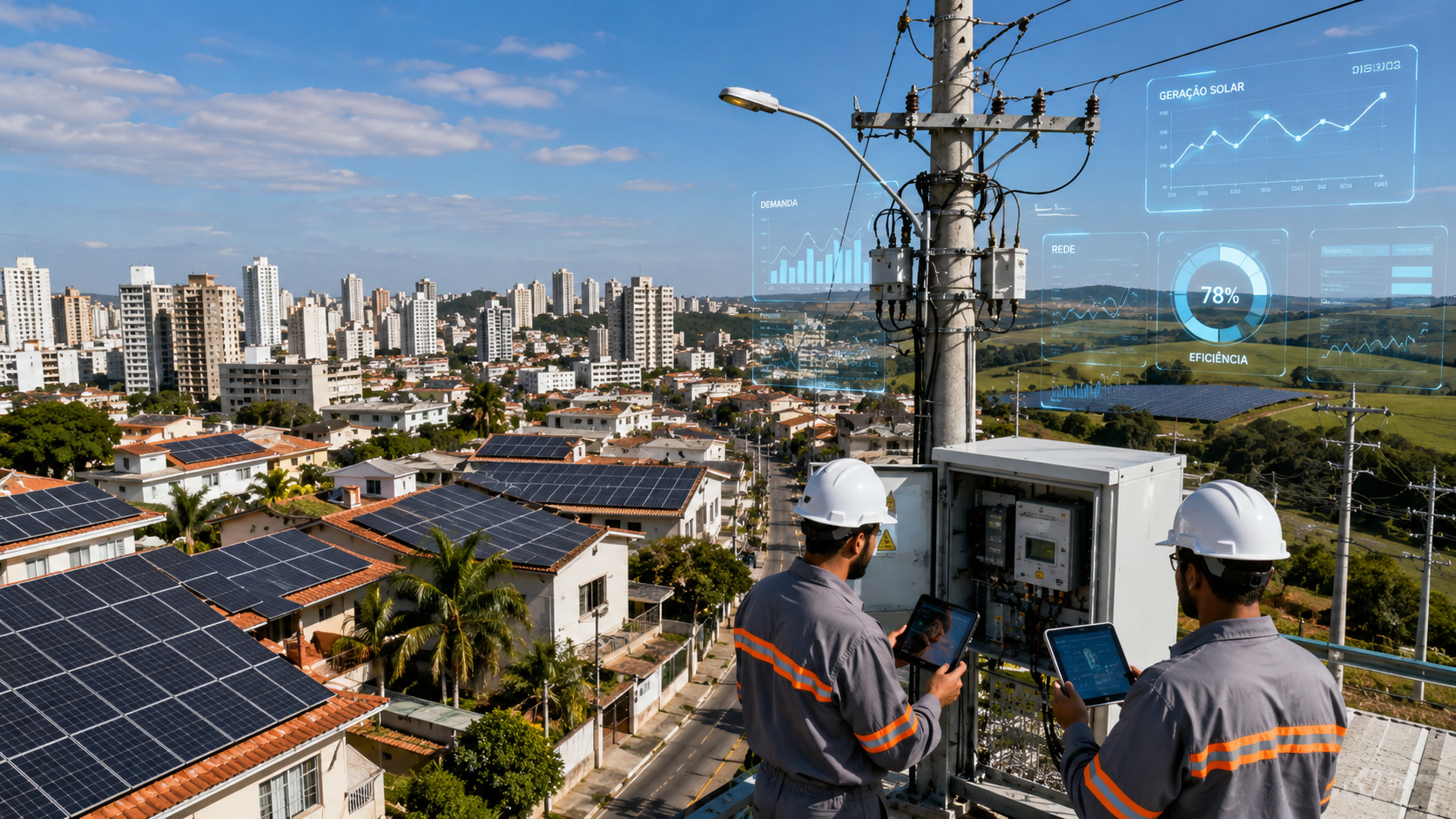
Now it’s law: energy distributors can be penalized for hiding data about solar energy in MS; The measure increases market transparency, reduces barriers for consumers, and accelerates the expansion of distributed generation in the state.

-
How the “solar cat” became a billion-dollar threat to the Brazilian electrical system and put ANEEL on high alert after the explosion of photovoltaic energy, clandestine frauds, and the growing risk of network collapse
-
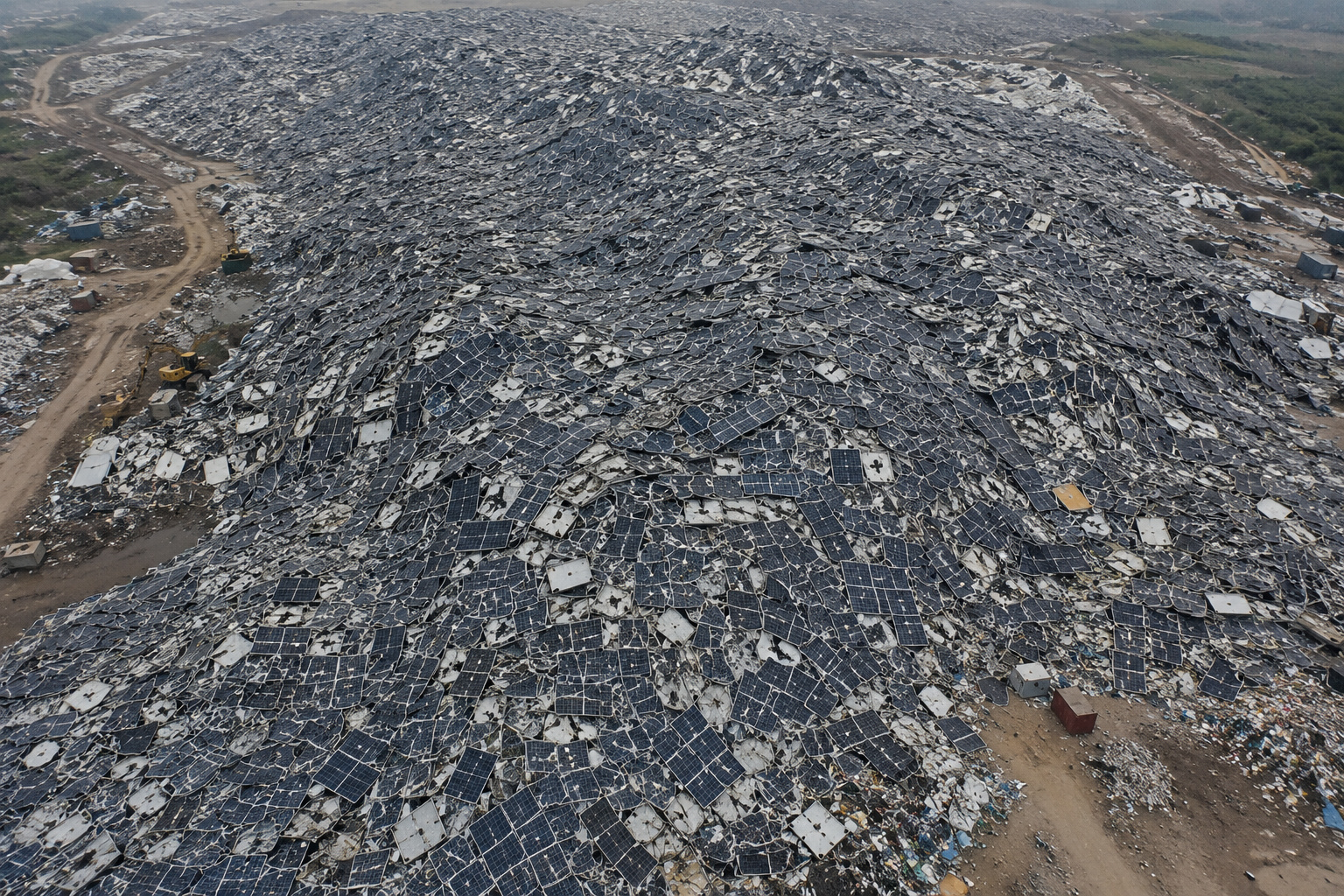
Solar energy covered rooftops and deserts, but now it’s preparing a mountain of old glass: up to 78 million tons of photovoltaic panels could become waste by 2050 as the world races to recycle the shiny skin of the energy transition.

-
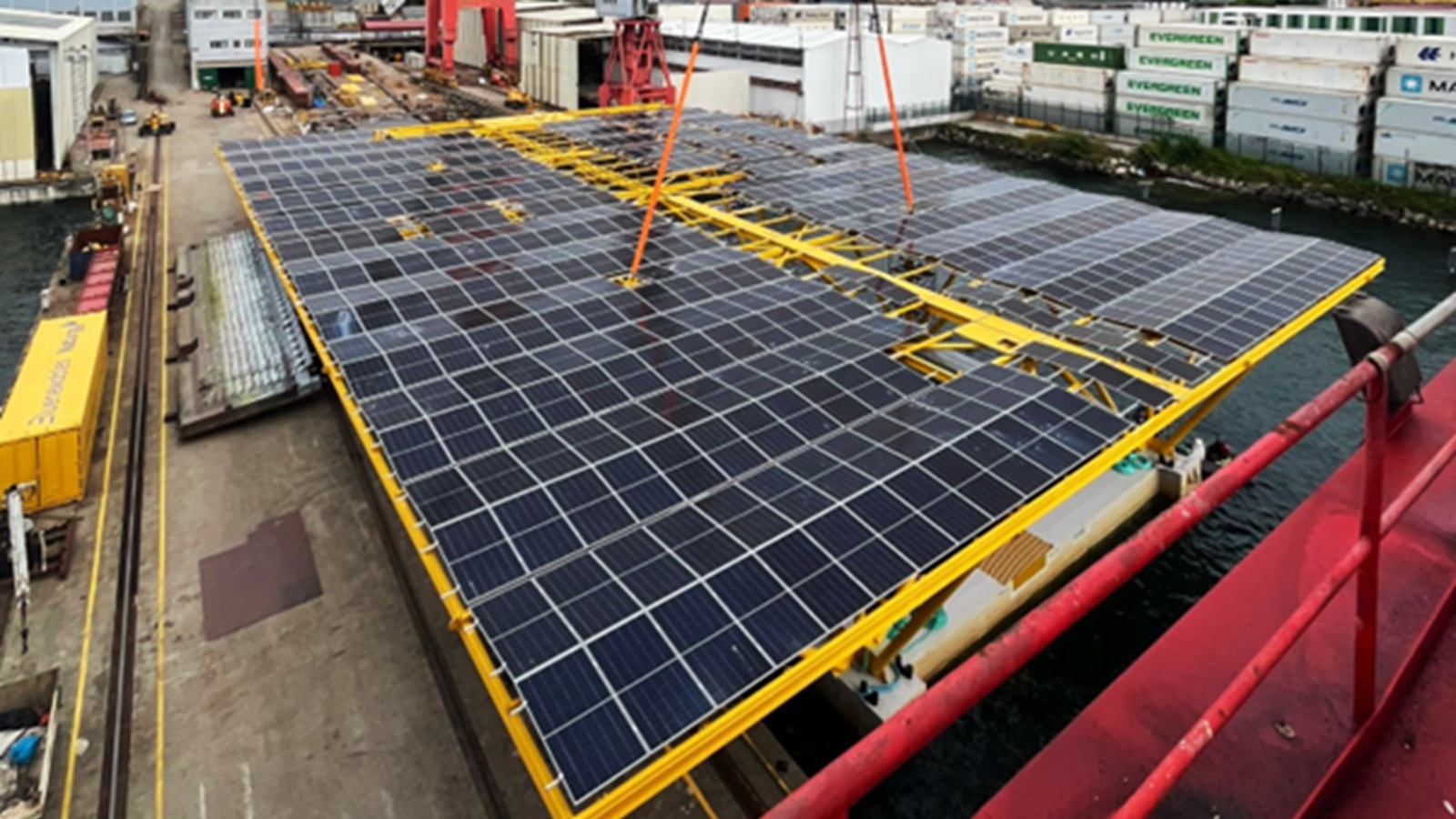
Company launches floating solar platform at sea to test bifacial panels and generate renewable energy in coastal waters


With rising costs and the need to reduce environmental impacts, public administrations have gradually begun to seek more economical and sustainable alternatives. In this context, solar energy has become feasible not only for private companies but also for public bodies, representing a significant change in municipal energy planning.
In addition to the economic aspect, the interest in solar energy is linked to a global movement for environmental responsibility, which has gained considerable strength over the past decades.
Thus, municipalities that adopt this technology not only reduce expenses but also demonstrate commitment to the environment, a factor that increasingly positively influences the population and environmental regulatory bodies.
Recent data from the Brazilian Association of Photovoltaic Solar Energy (ABSolar) indicate that more than 15,000 public properties in the country already use photovoltaic systems. However, government buildings still represent a small share of the total.
Even so, the adoption of solar energy in public buildings is growing rapidly, as incentive policies, government programs, and awareness regarding the economic and environmental benefits drive this movement.
Experience of Companies and Government Programs
For instance, L8 Energy, a company from Curitiba specialized in the distribution, industrialization, and maintenance of photovoltaic systems, operates contracts for the operation and maintenance of solar plants in public agencies.
According to Leandro Kuhn, CEO of L8, the savings provided by these systems can reach 95%, depending on the location and type of installation. Therefore, this example demonstrates how the private sector closely follows the expansion of solar energy in public buildings.
Moreover, the Itaipu More than Energy program plays an essential role in this growth. Created by Itaipu Binacional, the program allocates resources to municipalities in Paraná and Mato Grosso do Sul to enable projects in four main areas: water and soil management, environmental sanitation, renewable energy, and social, community, or infrastructure works.
In this way, the initiative facilitates the installation of solar plants in public buildings and, consequently, allows municipalities to save resources and promote sustainability simultaneously.
The cost of installing photovoltaic panels varies according to the type of project. For example, in many public buildings, the panels occupy rooftops, utilizing areas that are typically unused.
In other cases, the municipality builds plants on the ground, which may increase the initial investment. Even so, the financial return occurs quickly and sustainably, making solar energy in public buildings an efficient measure for medium- and long-term savings.
Additionally, the installation of photovoltaic systems generates local jobs during the construction and maintenance of the plants.
Consequently, specialized technicians, engineers, and equipment suppliers directly benefit, strengthening the regional economy and creating a positive cycle of sustainable development.
Success Cases in Paraná
The municipality of São Miguel do Iguaçu, in the interior of Paraná, shows how partnerships with programs like that of Itaipu can transform the energy reality of a city.
With about 30,000 inhabitants, the city installed two strategic solar plants, with an estimated capacity of 13,000 kW per plant. Moreover, the partnership funded most of the investment, allowing the municipality to contribute only a small share.
As a result, the city saves about R$ 24,000 per month, funds that can be redirected to essential services for the population.
Besides the savings, solar energy in public buildings offers important environmental benefits. By partially replacing electricity from fossil fuel sources with solar energy, municipalities reduce greenhouse gas emissions and contribute to mitigating climate change.
Thus, this investment also enhances the public administration’s image with the population.
Furthermore, the model adopted in São Miguel do Iguaçu sparks interest in other municipalities in Paraná, which see solar energy as a possibility to reduce expenses and invest in priority areas, such as health, education, and urban infrastructure.
Expansion of the Private Sector and Challenges
The growth of solar energy is not limited to the public sector. In fact, the regulation of the free energy market opens opportunities for private companies to invest in photovoltaic systems, both to reduce operational costs and to generate revenue from the sale of excess energy.
Therefore, this scenario favors the emergence of new companies specialized in the operation and maintenance of plants, strengthening the sector as a whole.
Despite the progress, there are still challenges to overcome. Data from ABSolar indicate that while about 15,000 public properties use solar energy, these buildings represent only 0.3% of the total installed photovoltaic systems in Brazil.
This highlights a great potential for growth, and solar energy in public buildings needs to expand in many municipalities. Thus, awareness of the economic and environmental benefits is crucial to accelerate this process.
Another challenge involves the training of local professionals to operate and maintain the plants, ensuring efficiency and safety in the systems. In this regard, training and certification programs help ensure that the sector continues to grow sustainably.
Solar Energy as a Global and Local Trend
The experience of municipalities in Paraná demonstrates that, with adequate planning and support from government programs, it is possible to consolidate solar energy in the public sector.
Furthermore, the installation of photovoltaic plants in public buildings creates an educational effect, encouraging the population and private companies to adopt renewable energies.
As a result, this multiplying effect accelerates the energy transition in Brazil, aligning economic development with environmental sustainability.
Moreover, the expansion of solar energy in public buildings follows global trends in sustainability. Countries around the world invest in renewable energies as part of their climate and public cost reduction policies.
Therefore, Brazil, with its high solar potential, has a unique opportunity to lead in this sector, especially if the public administration continues to invest in energy efficiency projects.
In summary, solar energy in public buildings combines savings, sustainability, and modernization of public administration. Municipalities in Paraná that have adopted this technology reap financial and environmental benefits, showing that the practice can be replicated in other Brazilian cities.
Thus, the investment in photovoltaic plants, although requiring planning and initial resources, offers lasting returns and helps build more efficient, conscious, and future-ready cities.
The path to expanding solar energy in the public sector is still long, but the trend is clear.
More and more municipalities will understand that investing in renewable energy means investing in savings, sustainability, and quality of life for their citizens.
In this way, solar energy in public buildings represents an opportunity to reduce costs and a commitment to the environment and future generations.










I must say this article is extremely well written, insightful, and packed with valuable knowledge that shows the author’s deep expertise on the subject, and I truly appreciate the time and effort that has gone into creating such high-quality content because it is not only helpful but also inspiring for readers like me who are always looking for trustworthy resources online. Keep up the good work and write more. i am a follower.