Portuguese
  Spanish


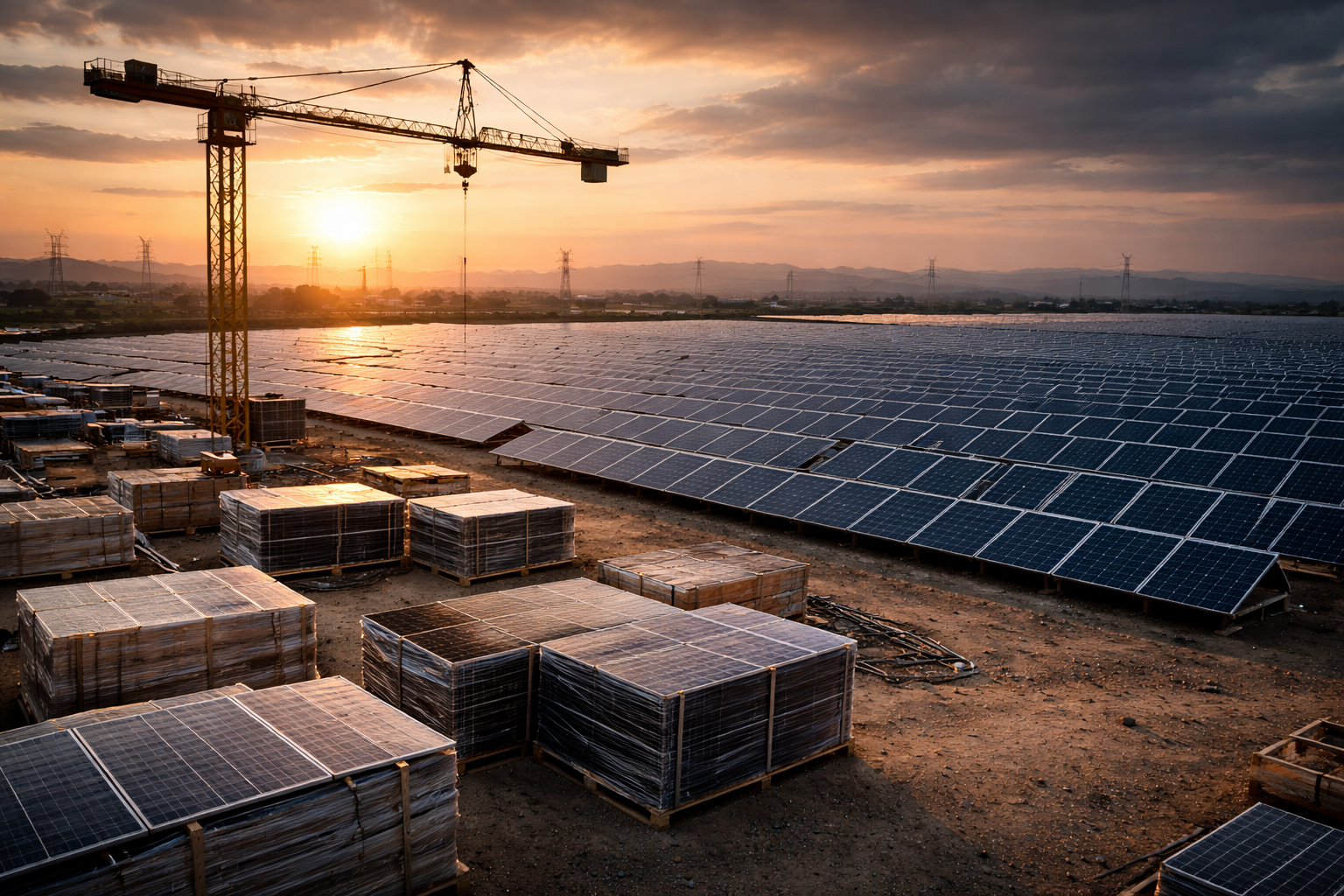

Solar Energy Has Experienced, Over the Last Two Decades, a Trajectory Marked by Continuous and Accelerated Growth.
Since the early 2000s, photovoltaic technology has advanced consistently, driven by declining costs, incentive policies, and the global need to reduce carbon emissions. Now, however, the sector is approaching a historic inflection point.
According to the Global PV Market Outlook report from BloombergNEF, the world is expected to add about 649 gigawatts of solar energy capacity in 2026, a figure slightly lower than that recorded in 2025. While the absolute volume remains high, this decrease represents a symbolic milestone. This will be the first contraction since global records began in 2000.
Furthermore, according to BNEF, the growth observed in 2025 is already set to be the weakest in the last seven years. This movement indicates that solar energy is entering a new phase, less characterized by accelerated expansion and more conditioned by structural and political factors.
-
More than 1,000 residents of a remote island in Kiribati now have clean water and electricity with solar systems operated by the community itself.

-
Island in Brazil Innovates by Installing 184 Solar Panels on Urban Lagoon to Generate Clean Energy
-
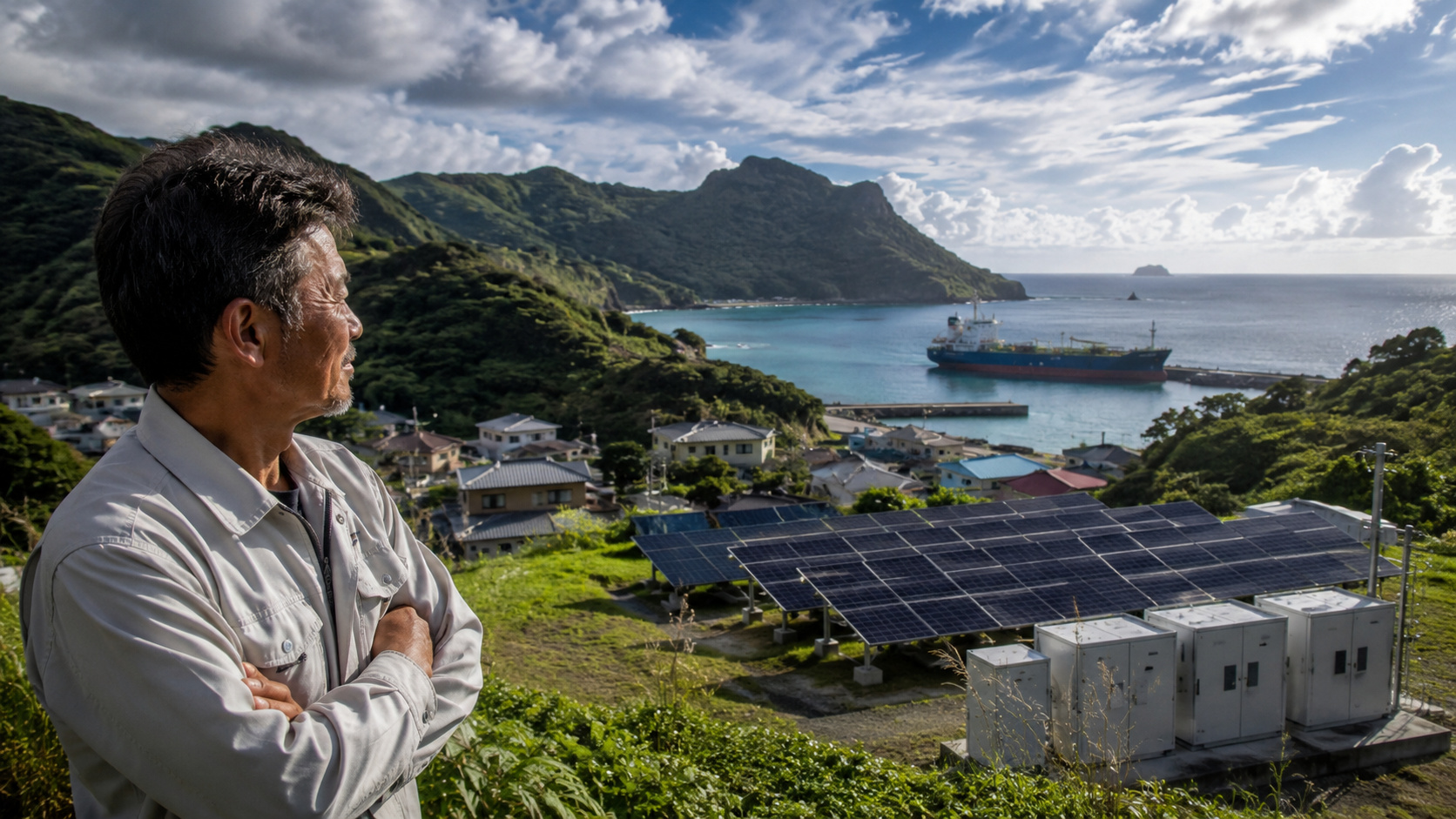
Japanese Island of 417 Residents to Test Living Half the Year Solely on Solar Power, Reducing Dependence on Diesel Brought by Ship
-
Brazilian Fishermen Use Solar Power to Produce Nearly One Ton of Ice Daily, Preventing Fish Spoilage Before Reaching Market



Solar Energy and the Historic Cycle of Global Expansion
To understand the significance of this moment, it is necessary to observe the sector’s history. In the early 2000s, solar energy still occupied a marginal space in the global energy matrix. According to the International Energy Agency, at that time, high costs and low efficiency limited the adoption of the technology.
However, over the years, technological advancements, economies of scale, and public policies transformed the landscape. Between 2010 and 2020, the significant drop in the price of photovoltaic modules accelerated expansion in nearly all regions of the world. Countries like China, the United States, and members of the European Union led this transformation.
Over time, solar energy has ceased to rely exclusively on subsidies. In many markets, it has become competitive even without direct incentives. This maturation, while positive, has also brought new challenges. Exponential growth has given way to a pace closer to stability, especially in markets already well-served.
Changes in Public Policy and Impact on Demand
One of the main factors behind the projected slowdown involves changes in public policies. According to BloombergNEF, various countries have revised incentive programs for solar energy in recent years. In some cases, governments have reduced subsidies. In others, they have adjusted rules for distributed generation compensation.
These changes directly affect investment decisions. When incentives decrease, marginal projects become unviable, especially in markets where most of the potential has already been explored. As a result, the rate of new installations loses momentum.
Additionally, the global macroeconomic scenario also plays a role. Higher interest rates increase the cost of financing, a relevant factor for solar energy projects that rely on high initial investments and long-term returns. According to analyses by BNEF itself, this more restrictive financial environment contributes to moderating growth.
Saturation in Mature Solar Energy Markets
Another central element of the slowdown lies in the saturation of key markets. Countries that led the expansion of solar energy in recent decades are now facing natural limits to growth. Rooftops are already occupied, power grids are overloaded, and integration challenges are slowing the pace of new connections.
According to the International Energy Agency, regions with high solar penetration need to invest in storage, grid modernization, and managing intermittency. Without these investments, expansion slows, even when technology remains competitive.
In this context, the slowdown does not indicate a loss of relevance for solar energy. On the contrary. It reflects the transition from a model of accelerated growth to a model of consolidation and optimization.
Solar Energy and the New Stage of the Sector
Although the projected decline for 2026 is unprecedented, it occurs from an extremely high base. Adding 649 gigawatts in a single year still represents a substantial volume. According to BNEF, this figure alone surpasses the entire global installed capacity of solar energy at the beginning of the last decade.
Therefore, the sector is not entering a decline, but rather a phase of maturity. Solar energy is beginning to grow more selectively, focusing investments on emerging markets, hybrid projects, and solutions integrated with storage.
Moreover, the slowdown may encourage greater efficiency. Companies and governments are likely to prioritize quality, integration into the electrical system, and long-term stability, rather than rapid expansion at any cost.
The Role of Solar Energy in the Global Energy Transition
Even with more moderate growth, solar energy remains one of the pillars of the energy transition. According to the United Nations, the expansion of renewable sources continues to be essential for achieving global climate goals.
The difference now is that the challenge is not just to install more capacity, but to integrate solar energy intelligently into electrical systems, ensuring security, reliability, and balance between supply and demand.
In this sense, the BloombergNEF report serves as a strategic alert. It indicates that the sector needs to evolve in governance, planning, and infrastructure to sustain its role in the long term.
Thus, the projected slowdown for 2026 does not represent the end of the solar energy cycle. It actually marks the beginning of a new stage. A phase in which maturity, integration, and efficiency become as important as growth itself, redefining the trajectory of the main renewable source of the last two decades.