Portuguese
  Spanish


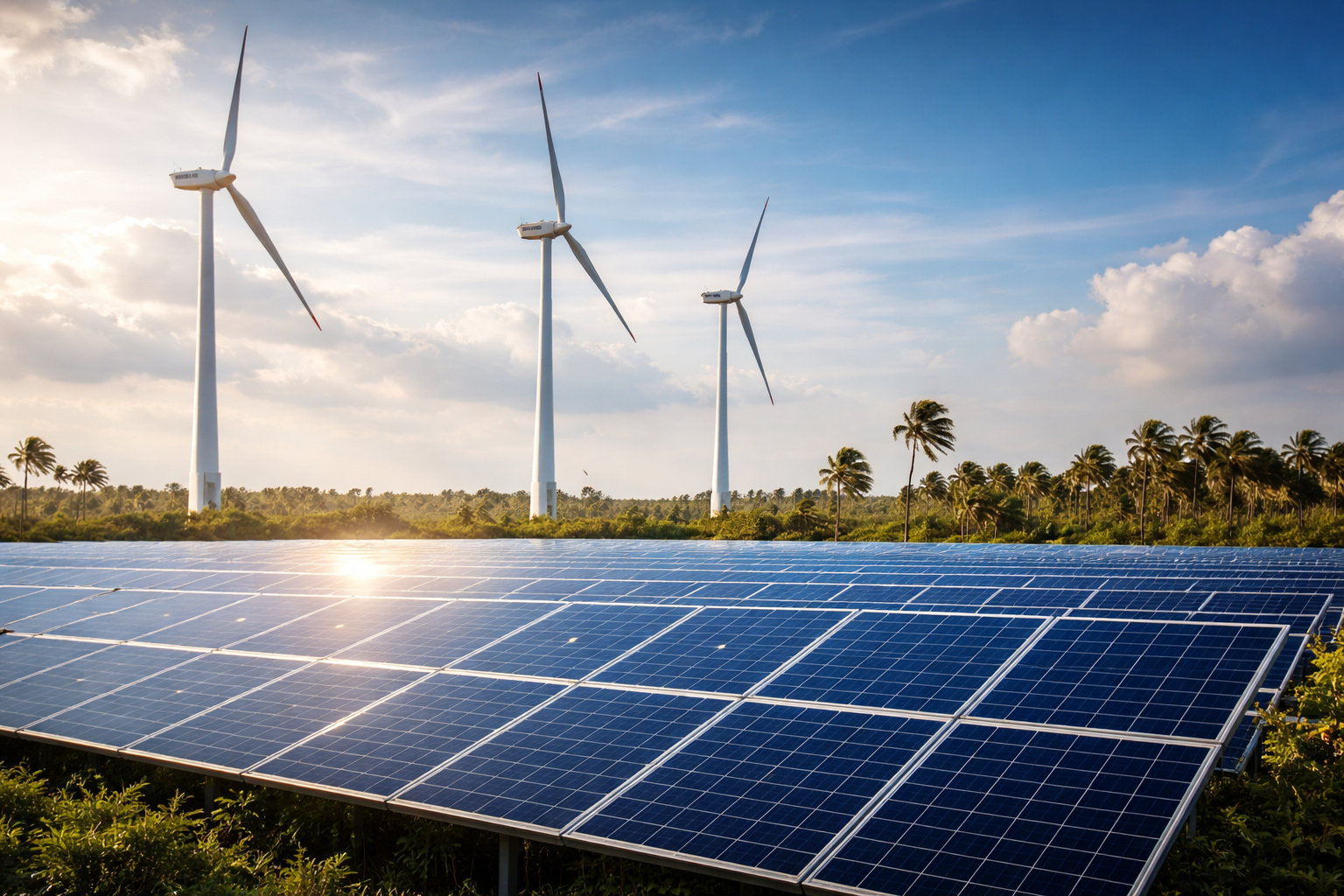


Solar Energy Faces Slowdown In Global Advancement After Years Of Accelerated Expansion, While New Wind And Solar Projects Grow Less And Raise Debates About Investments, Public Policies And Energy Transition.
The growth of solar energy, which for over a decade symbolized the acceleration of the global energy transition, entered a slower pace in 2025. Recent data shows that the combined expansion of solar and wind capacity grew only 11% for the year, a result significantly lower than the 22% recorded the previous year. This number stands out as it interrupts a path of strong advancement and reignites discussions about the economic, political, and structural limits of the sector.
This movement does not indicate an absolute setback. However, it signals a phase shift. After years of growth driven by government incentives, declining technological costs, and international climate pressure, solar energy now faces more complex obstacles, related to financing, infrastructure, and geopolitical instability.
According to sector analyses released in international energy sector reports throughout 2025, the global scenario underwent adjustments that directly impacted the pace of new projects. The slowdown occurred in both developed economies and emerging markets, albeit for different reasons.
-
Giant Batteries Take Center Stage in Chile Auction as Company Offers 960 GWh of Solar Energy for Nighttime Use, Aiming to Stabilize Solar Power Supply

-
World’s Largest Engie Solar Plant in Brazil Highlights Billion-Dollar Energy Waste Issue: Company Considers Batteries and Bitcoin Mining to Avoid Wasting Production

-
Over 60 Tractors Take to the Streets in Lopera as Solar Parks Compete with Olive Groves, Affecting 13,000 to 100,000 Trees According to Conflicting Reports
-
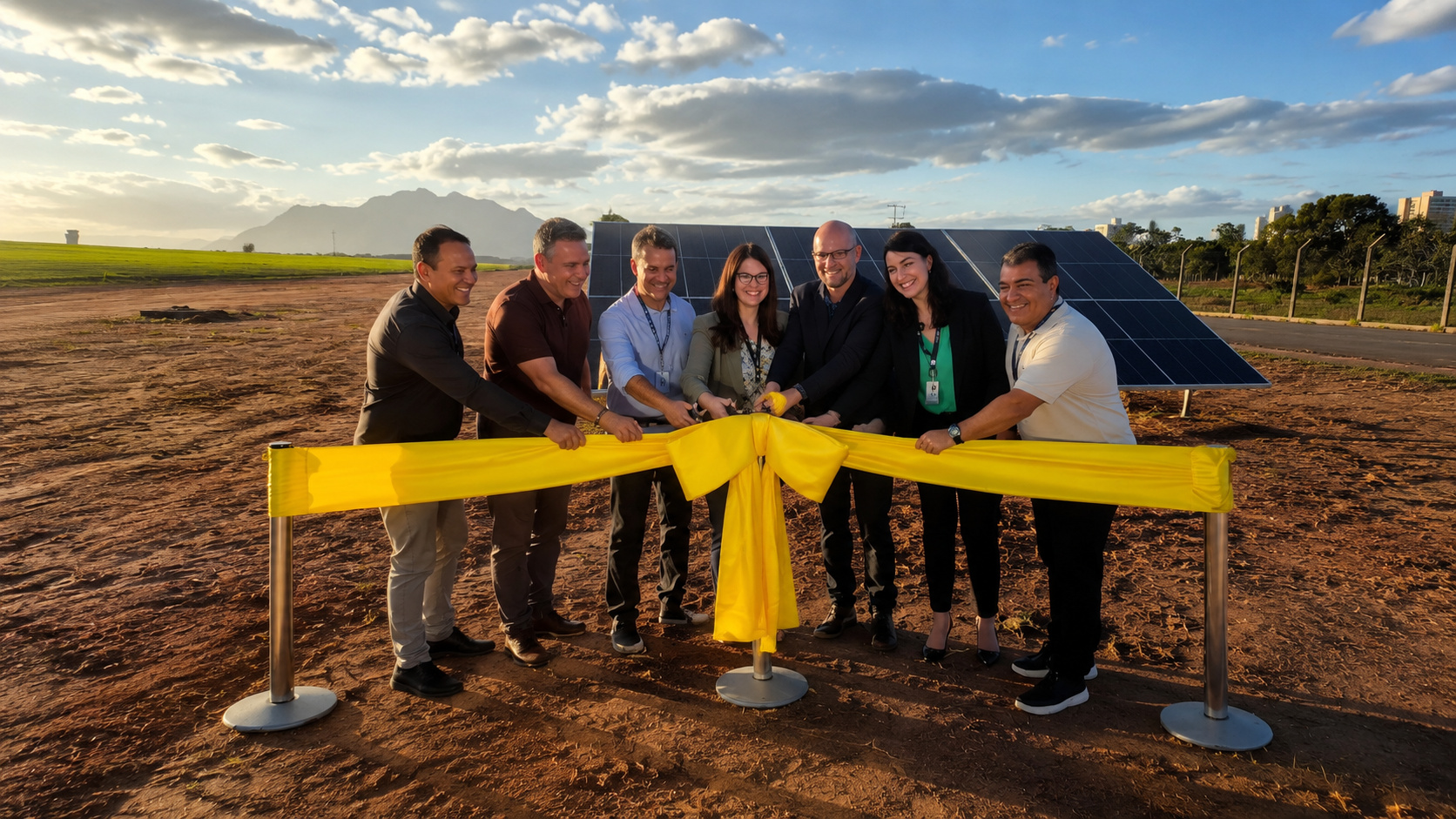
Brazil’s Vitória Airport to Launch Solar Plant Covering Area of 10 Soccer Fields, Boosting Clean Energy and Cutting Costs



Solar Energy And The Recent History Of Accelerated Growth
To understand the significance of the slowdown, it is necessary to look at the historical context of solar energy. Since the early 2010s, global installed capacity has grown exponentially. Technological advancement has reduced costs, while public policies have stimulated large-scale investments.
Between 2019 and 2024, the sector experienced an exceptional period. Countries expanded climate targets, green funds gained strength, and solar energy established itself as one of the main alternatives to fossil fuels. At various times, annual growth surpassed double digits, creating expectations of continuous expansion.
Therefore, the 2025 result represents a break in pace. Although the installed base continues to increase, the pace of new projects has halved compared to the previous year, altering short- and medium-term projections made by analysts and investors.
What Explains The Slowdown Of Solar And Wind Energy
Several factors help explain the slower growth of solar energy and wind energy in 2025. First, the increase in global interest rates has made financing for large infrastructure projects more expensive. As solar plants rely on high initial investment, the cost of credit has directly impacted the viability of new ventures.
Moreover, global supply chains continued to face adjustments after years of instability. Although the prices of solar panels have stabilized in some regions, logistical costs and industrial bottlenecks have still affected timelines.
Another relevant point involves public policies. In some countries, tax incentives have been reduced or revised. In others, regulatory changes have generated uncertainty for investors. Solar energy, highly sensitive to government decisions, has felt these effects immediately.
Regional Differences In The Advancement Of Solar Energy
Despite the global scenario, the slowdown has not occurred uniformly. Regions that already have high installed capacity have faced greater difficulty in maintaining high growth rates. In these markets, expansion requires more complex investments in electrical grids and storage systems.
In developing countries, the challenge has been different. Many of these markets still present great potential for solar energy, but rely on international financing and economic stability. In 2025, currency fluctuations and fiscal constraints limited new projects.
According to evaluations published by international energy sector institutions, the slowdown reflects more of a structural adjustment than a loss of relevance of solar energy. Nevertheless, the impact on climate targets worries experts.
Solar Energy And The Challenges Of Electric Infrastructure
Another central factor in understanding the slower pace of solar energy lies in electric infrastructure. In many countries, renewable generation has grown faster than transmission and distribution capacity. As a result, ready projects have faced delays in connecting to the grid.
This problem is particularly visible in regions with a high concentration of solar plants. The need to modernize electrical grids, invest in storage, and improve management systems has become urgent. Without these advancements, the expansion of solar energy encounters technical limits, regardless of economic interest.
Moreover, energy storage still represents a significant additional cost. Although batteries have advanced, their scale has yet to keep pace with the desired growth of solar generation, affecting the predictability of the electrical system.
Economic Impacts And The Job Market
The slowdown also resonates in the job market linked to solar energy. After years of strong job creation, the sector began to register more moderate growth in new hiring. This does not mean a massive loss of positions, but signals a period of greater caution.
Companies have begun to prioritize operational efficiency, consolidation of existing projects, and risk reduction. Consequently, the focus has shifted from accelerated expansion to financial sustainability.
Still, analysts highlight that solar energy remains one of the sources generating the most jobs in the global energy sector. The current adjustment is expected to be seen as a transition to a more mature model.
Solar Energy, Climate And International Commitments
The slowdown in growth is particularly concerning in the climate context. Commitments made in international agreements rely directly on the rapid expansion of renewable energies. Any reduction in pace could hinder the achievement of emission reduction targets.
According to analyses published by international organizations related to energy and climate, maintaining the expansion of solar energy is essential to limit global warming. Therefore, experts advocate for new stimulus policies, especially aimed at modernizing infrastructure.
Additionally, the debate expands beyond generation. Energy efficiency, storage, and regional integration are increasingly viewed as central pieces of the transition.
What To Expect From Solar Energy In The Coming Years
Despite the slower pace in 2025, consensus among analysts is that solar energy has not lost its prominence. On the contrary, the sector enters a consolidation phase, where quality, integration, and stability gain more importance than accelerated growth.
Investments are expected to focus on more robust projects, with better financial and technological planning. At the same time, governments are pressured to update regulatory frameworks and accelerate investments in electrical grids.
In this scenario, the slowdown serves as a warning. Solar energy remains central to the energy transition, but it relies on consistent policies, accessible financing, and adequate infrastructure to return to higher growth rates.
Solar Energy As A Thermometer Of The Energy Transition
The performance of solar energy in 2025 reveals more than numbers. It reflects the challenges of transforming a global energy system built over decades. The transition does not occur linearly and requires constant adjustments.
Even with slower growth, installed solar capacity remains high. The challenge now is to ensure that this growth is sustainable, integrated, and aligned with global climate targets.
For investors, governments, and consumers, the message is clear. Solar energy continues to be an essential part of the energy future, but its advancement will depend on strategic decisions made now. The pace may have slowed, but the role of solar energy remains central in the debate on development, economy, and climate.