





 Portuguese
  English
  Spanish
  6 min of reading
  0 comments


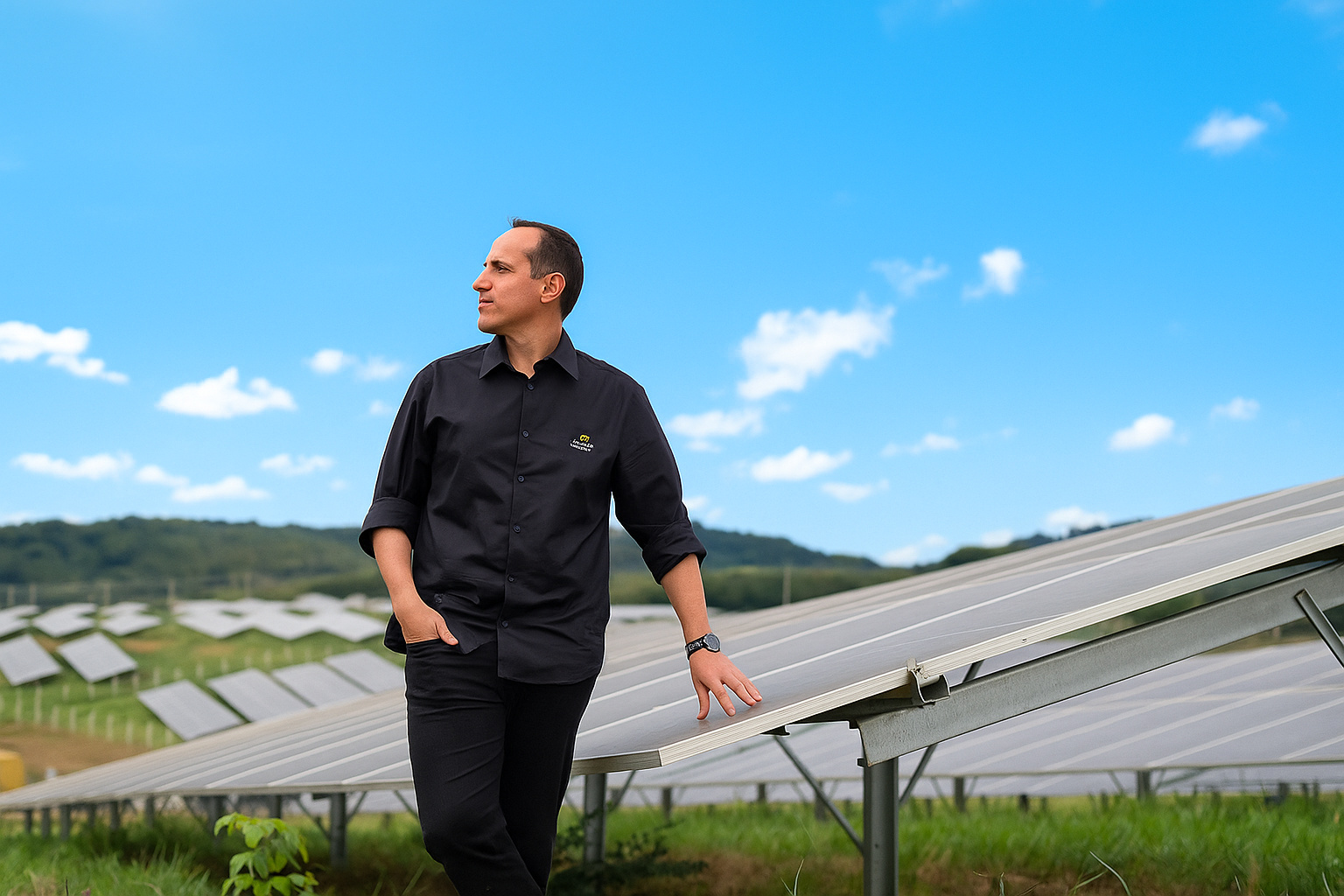
Discover How Solar Energy Became a Lucrative and Sustainable Option by Combining Financial Returns, Positive Environmental Impacts, and Social Benefits for Investors and Communities.
Solar energy has increasingly gained ground in Brazil; therefore, it has established itself as a lucrative and sustainable option for investors and society.
Since the early 21st century, the country has invested progressively in renewable sources, aiming to diversify its energy matrix and, consequently, reduce dependence on fossil sources.
In this context, solar energy has stood out for its ability to generate clean electricity, reduce costs, and at the same time, offer investment opportunities with significant returns.
-
Solar panels at sea can generate up to 12% more energy than land-based plants, study finds: Researchers from Taiwan discovered that offshore solar panels take advantage of the natural cooling of water to increase electrical efficiency, reduce heat losses, and expand renewable energy production in regions with limited available land space.

-
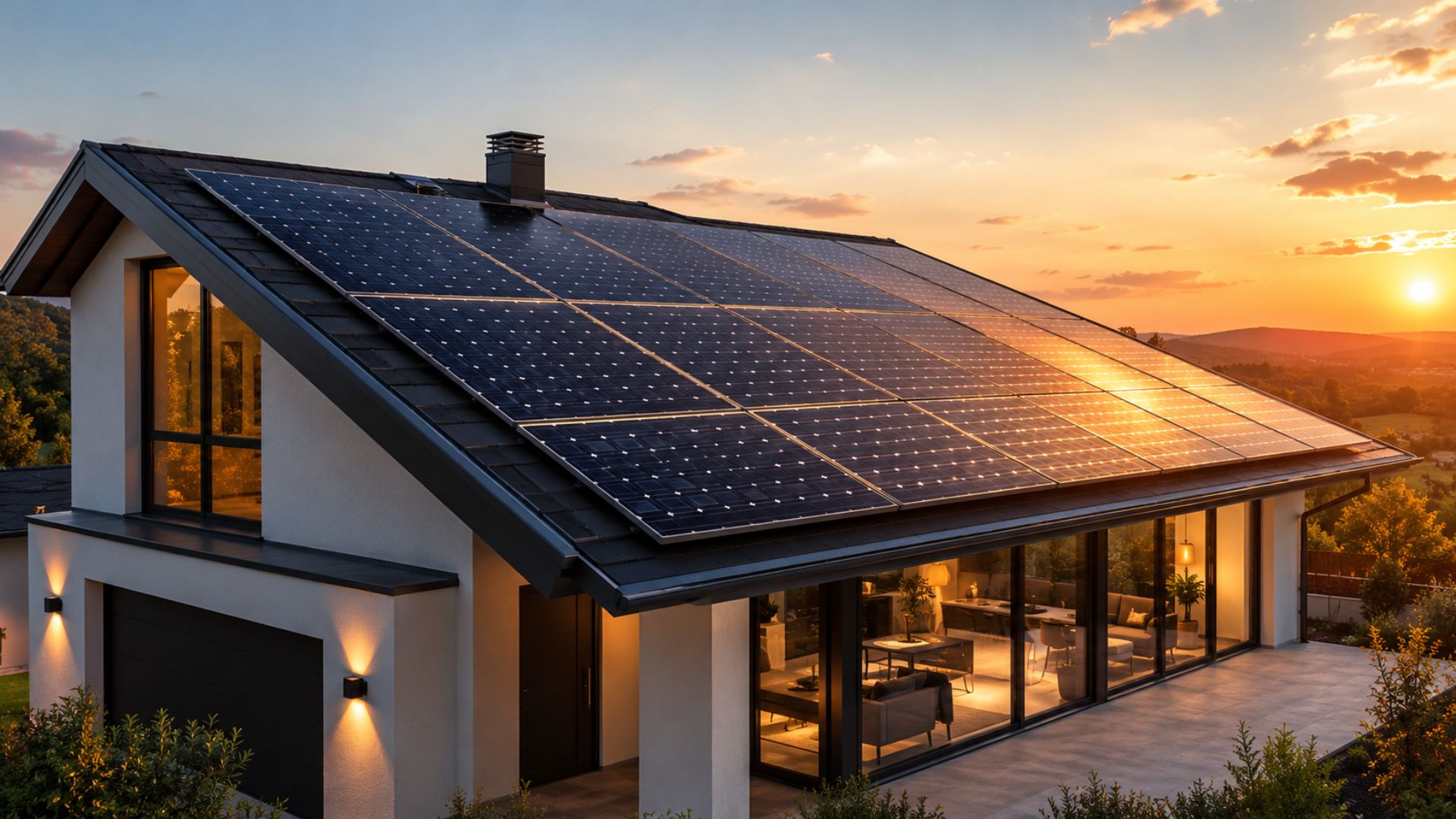
The era of solar panels attached to roofs is beginning to change with transparent glass that generates energy while keeping the view unobstructed, and perovskite photovoltaic windows already tested in offices in Japan promise to transform entire facades into invisible power plants without blocking light or altering the appearance of buildings.

-
The era of silicon alone in solar energy comes to an end with the arrival of perovskite, a material that captures a broader light spectrum, is applied as a thin film, and, together with silicon, reaches a theoretical limit of 45% efficiency in tandem modules.

-
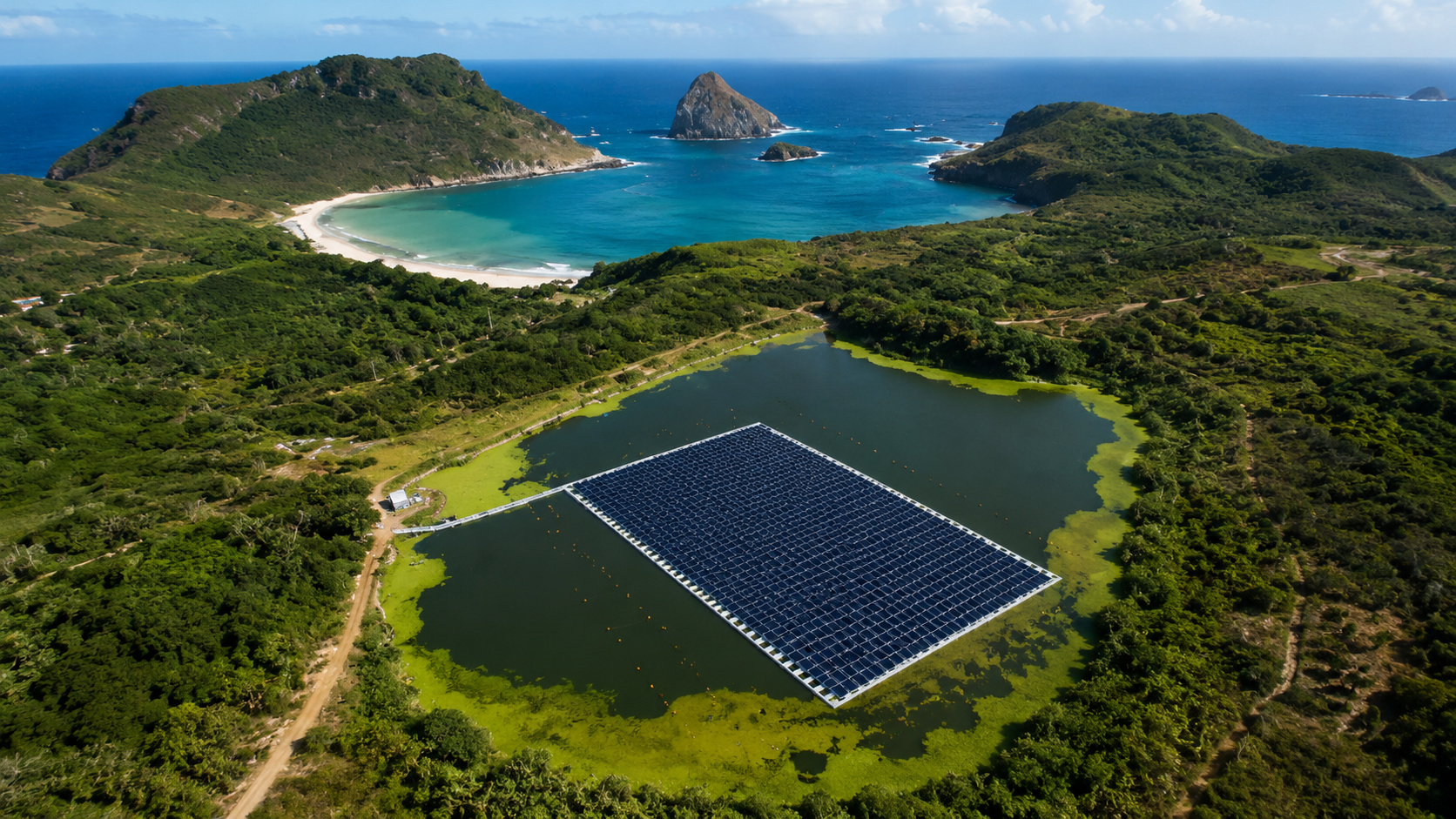
Fernando de Noronha begins unprecedented energy transformation with a R$ 350 million solar plant that promises to replace diesel generation and change the island’s sustainable future by 2027.


Historical Growth of Solar Energy in Brazil
Historically, Brazil has always been notable for its hydroelectric potential, with large plants supplying a significant portion of the national territory.
However, factors such as climate change, prolonged droughts, and the need to expand energy access in remote areas have stimulated the diversification of energy generation sources.
Thus, solar energy became relevant, taking advantage of the abundance of solar radiation present throughout most of the Brazilian territory.
Today, with over 60 gigawatts (GW) installed, solar energy has established itself as the second-largest source of electricity generation in the country.
The rapid growth of solar energy in Brazil has not only occurred due to the increase in installed capacity; on the contrary, it has also resulted from the economic and social impacts that the source promotes.
Distributed generation projects and large-scale solar plants have allowed previously isolated communities to have stable access to electricity.
Therefore, this expansion reduces inequalities and promotes local development, making solar energy a lucrative and sustainable option not only for investors but also for the general population.
Moreover, the rapid evolution of the sector has spurred new business models, such as energy cooperatives and investment consortia, which make solar energy more accessible and inclusive.
Consequently, the source is not limited to electricity production but also drives economic and social transformation in various regions of the country.
Environmental and Social Benefits of Solar Energy
Solar energy plays a central role in the transition to a cleaner energy matrix.
By replacing fossil sources, such as coal and oil, with solar generation, the country can significantly reduce its greenhouse gas emissions.
Furthermore, studies indicate that, only in Brazil, solar energy has prevented the emission of more than 65 million tons of CO₂, contributing to international climate goals and simultaneously to the improvement of air quality.
For this reason, investing in solar energy goes beyond financial gains: it is a commitment to environmental sustainability and the future of the planet.
The economic aspect of solar energy is another factor that makes it a lucrative and sustainable option.
Unlike traditional investments, such as stocks or real estate, solar projects offer predictable and attractive returns.
In fact, recent surveys show that distributed generation presents internal rates of return between 35% and 45% per year, with an average payback period of 3 to 4 years, depending on the project size and geographical location.
Thus, this financial performance combined with the predictability of monthly earnings makes solar energy a solid alternative for investors with different profiles.
In addition to the direct financial benefits, solar energy strengthens the local economy as it generates demand for suppliers, maintenance services, and professional training.
Therefore, small entrepreneurs and specialized technicians find growing opportunities in this market, reinforcing the productive chain and encouraging technological innovation.
Impact on the Job Market and Technological Advances
The growth of the sector also generates significant impacts on the job market.
According to data from the International Renewable Energy Agency (IRENA), in partnership with the International Labour Organization (ILO), photovoltaic solar energy leads globally in renewable energy job creation.
In 2023, more than 7.1 million jobs related to solar energy were created.
Therefore, in Brazil, the expansion of this sector has brought opportunities in various areas, from installation and maintenance of panels to the development of energy storage and monitoring technologies.
Thus, solar energy not only promotes environmental sustainability, but also stimulates economic growth and social inclusion.
Technological advances further strengthen solar energy as a lucrative and sustainable option.
Over the past decades, investments in research and development have resulted in more efficient solar panels and more advanced energy storage systems.
These innovations have reduced installation and maintenance costs, making projects more financially viable and accessible for various types of investors.
Moreover, the increase in efficiency contributes to the generation of cleaner energy, reinforcing the positive environmental impact of solar energy.
Technological development has also allowed the integration of solar energy into smart energy management systems.
This way, households, businesses, and communities can monitor and optimize their consumption.
Thus, this combination of innovation and efficiency reinforces the position of solar energy as a lucrative and sustainable option, aligning financial gains with conscious energy usage practices.
Government Incentives and Social Integration
Historically, Brazil has followed an important path to consolidate solar energy in its energy matrix.
Government incentive programs, such as the creation of financing lines for distributed generation and the regulation of energy compensation systems, have made small, medium, and large projects viable.
Consequently, the country has increased its installed capacity and stimulated awareness of the importance of renewable sources, consolidating solar energy as a lucrative and sustainable option for investors and society.
Another relevant point is the integration of solar energy with social and environmental responsibility policies.
Initiatives aimed at microgeneration in isolated communities have brought electricity to areas that previously had unreliable access to the electrical grid.
Therefore, this positive social impact is combined with emission reductions and the encouragement of local economies, highlighting that solar energy is much more than a financial investment. It is a tool for social and environmental transformation, reaffirming its position as a lucrative and sustainable option.
Additionally, education and professional training programs related to solar energy help to form qualified labor, stimulating innovation and preparing young people and adults for an expanding market.
Thus, these actions reinforce that solar energy is simultaneously a investment opportunity and a sustainable development tool.
Future Perspectives of Solar Energy
The future of solar energy in Brazil looks promising.
The combination of solar abundance, technological advances, economic incentives, and positive impacts in terms of employment and environment creates a favorable scenario for the continuous growth of the sector.
Thus, investors seeking attractive returns combined with environmental responsibility find in solar energy a solid and secure alternative.
Moreover, the expansion of solar energy contributes to the diversification of the energy matrix, reducing risks associated with dependence on fossil sources and strengthening the energy security of the country.
In summary, solar energy has established itself as a lucrative and sustainable option, combining financial gains, positive environmental impacts, and social benefits.
Its recent history shows how strategic investments and effective public policies can transform a renewable energy source into a driver of economic and social development.
Thus, the trend is that solar energy will continue to grow, becoming increasingly accessible and relevant for investors, communities, and companies that wish to align profitability with environmental responsibility.
With its clean generation potential, positive social impact, attractive financial returns, and contribution to climate goals, solar energy represents a milestone in the transition to a more sustainable energy matrix.
Therefore, investing in this sector is betting on innovation, efficiency, and sustainability, consolidating solar energy as a true lucrative and sustainable option for Brazil and the world.









Be the first to react!