






 Portuguese
  Spanish


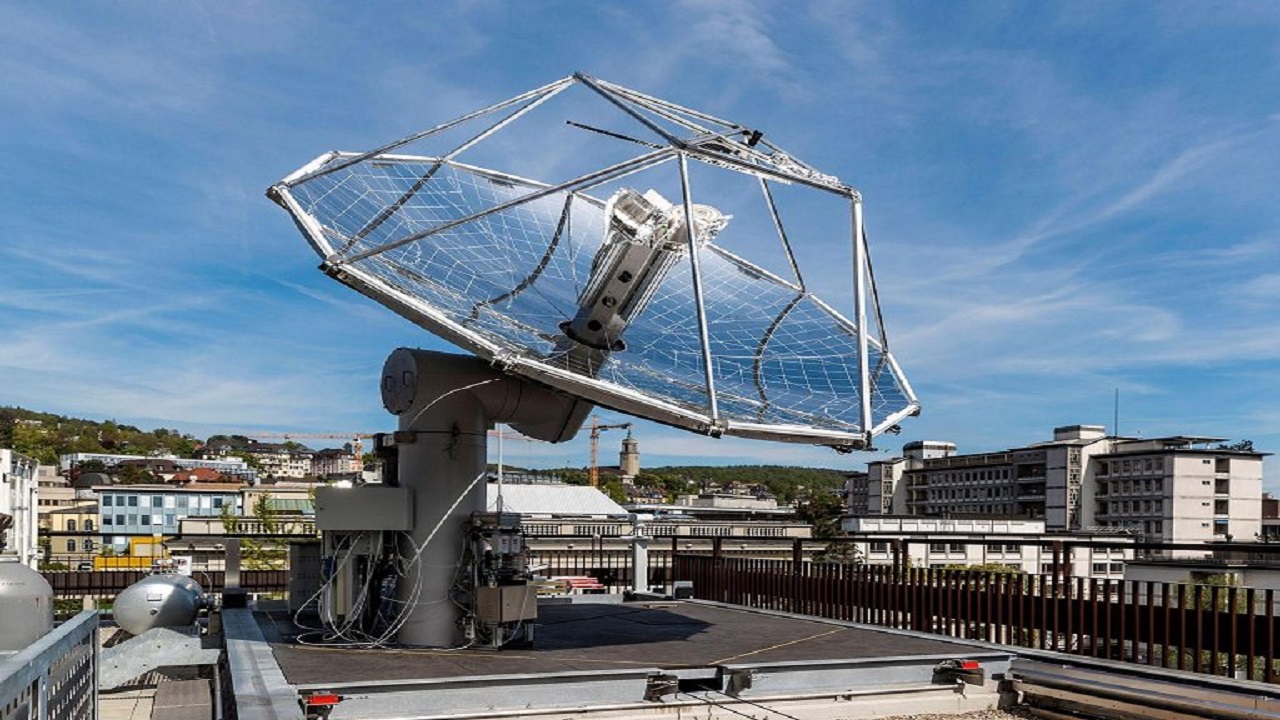

Seeking to Reduce CO2 Emissions in the Atmosphere, Engineers from Switzerland Developed the First Aviation Kerosene Using Solar Energy. The Liter of Solar Fuel Can Cost Up to R$ 12.90
Engineers from the Swiss Federal Institute of Technology in Zurich have completed tests of their new solar power plant to produce aviation kerosene. The engineers’ plant can be used for the production of synthetic liquid fuels that are more sustainable for the environment, as they will release CO2 during combustion, in the same amount of carbon dioxide that was removed from the air for their production.
Also Read
Understand How the Solar Energy Plant That Produces Aviation Kerosene Works
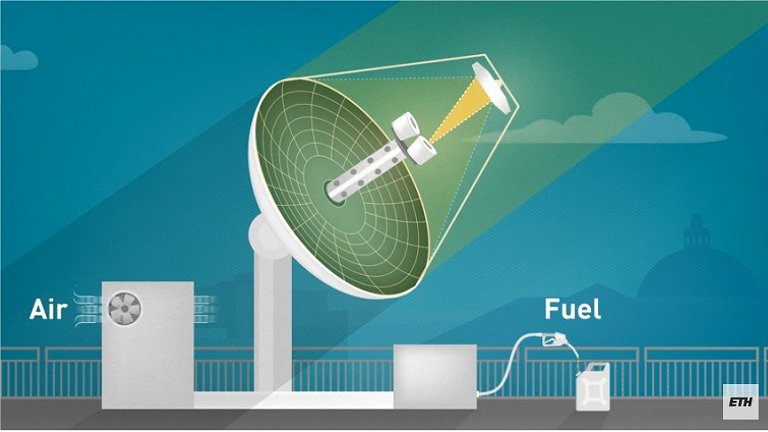
CO2 and water are extracted directly from the air and are broken down using solar energy. The process generates synthesis gas, a mixture of carbon monoxide and hydrogen, which is processed into aviation kerosene, hydrocarbons, and methanol.
The engineers’ solar plant tests began two years ago, and the team has now completed not only the technical measurement but also the evaluation of the production costs of aviation kerosene.
-
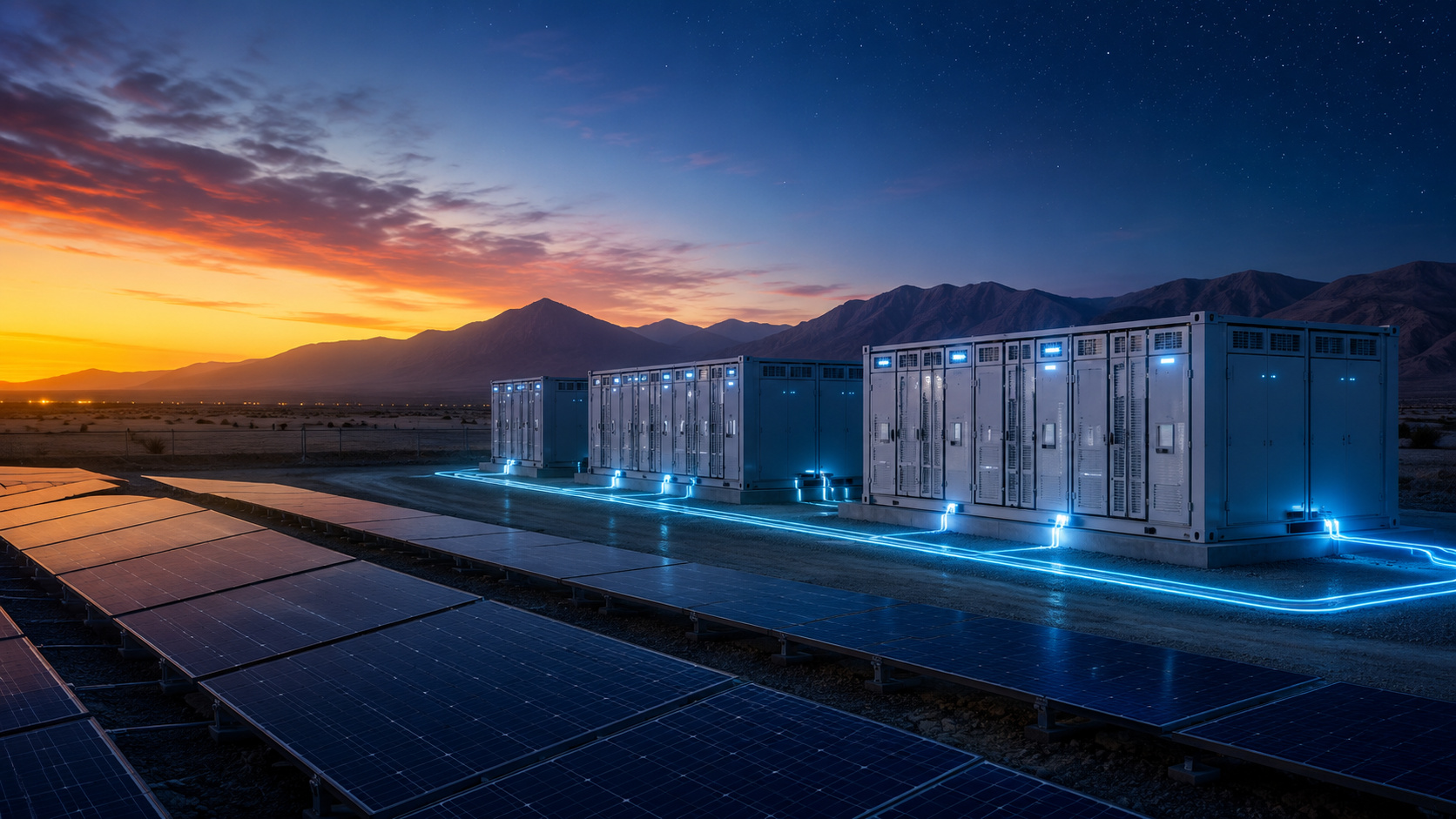
Giant Batteries Take Center Stage in Chile Auction as Company Offers 960 GWh of Solar Energy for Nighttime Use, Aiming to Stabilize Solar Power Supply

-
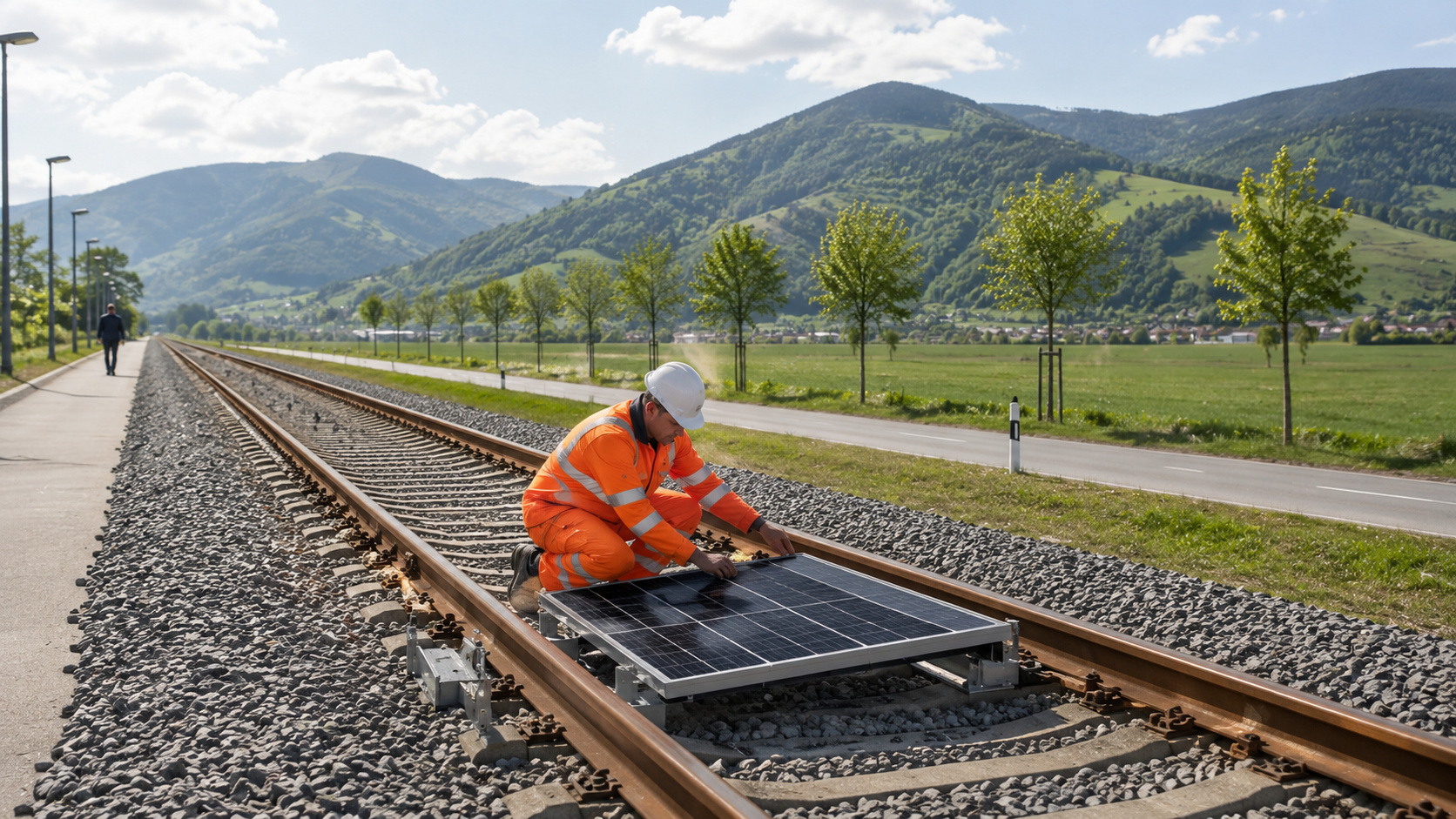
After a Year of Success in Switzerland, Solar Railway Attracts Italy’s Interest for Clean Energy Transformation
-
Brazil to Introduce B16 Diesel with Increased Soybean Oil Content for Trucks by 2026
-
Robots Clean Solar Panels in Desert Power Plants Without Water, Preventing Energy Losses

Aviation Kerosene Made with Help from Solar Energy Can Cost Up to R$ 12.90 Per Liter
The analysis of the entire production process indicates that aviation kerosene made with solar energy would cost around R$ 7.70 to R$ 12.90. For comparison, conventional aviation kerosene costs about R$ 3.00.
An important factor is that the engineers’ calculations were conducted for the sunlight level in Zurich, meaning that in a desert or equatorial region, with high solar incidence, the advantages would be enormous in terms of production location and reduced costs.
According to a team member, Johan Lilliestam, unlike biofuels, which have their potential limited due to the lack of agricultural land, this technology allows the global demand for aviation fuel to be met by using less than one percent of the world’s arid land, and it would not compete with food production or supplies for livestock.
Technology Will Need Government Subsidies
In addition to a fuel with a higher “price tag,” the solar energy plant represents a high investment, so the solar aviation kerosene will depend on government subsidies. According to Lilliestam, the current support instruments in the European Union are not sufficient to foster the presence of solar fuels in the market.
Thus, the engineers proposed the use of a European system of specific technological quotas for aviation fuel. This would require airlines to purchase a specific portion of their fuel from solar energy.
The engineers recommend starting with a 0.1% share of the total aviation kerosene consumption during the initial phase of solar fuel use, when its price will be high and production capacities low. This would have a small impact on ticket costs but would promote a learning curve that could enhance the technology and reduce prices.
The quota could then be gradually increased until solar kerosene occupies a significant place in the sector without needing support measures.







