Portuguese
  Spanish


On World Energy Day, Brazil Reaffirms Its Global Leadership in Clean Energy Production, Highlighting Biogas and the Continued Expansion of Renewable Sources, Boosting the Transition to a Low-Carbon Economy.
Brazil celebrates World Energy Day, observed on May 29, consolidating its prominent position in the global energy landscape. The country is making significant strides in biogas production and the use of renewable sources, exceeding international targets and demonstrating a strong commitment to sustainability.
The Growth of Biogas in the Brazilian Energy Matrix
Biogas is emerging as a driving force in the Brazilian energy transition. According to Exame, the country has significant potential for the production of this biofuel, derived from the decomposition of organic matter. This renewable gas can replace fossil-derived natural gas in various applications, from the industrial sector to vehicle use, contributing to the reduction of greenhouse gas emissions. Growing investments and incentive policies have driven the expansion of biogas plants, strengthening the production chain and generating new business opportunities in the biogas and renewables sector.
Brazil Surpasses Global Targets and Stands Out
The Brazilian energy matrix is already predominantly renewable, a remarkable achievement on a global scale. The country comfortably exceeds the global average for the use of clean sources. Hydropower continues to be the backbone of the system, but diversification has been the trend in recent years. Wind and solar photovoltaic energy are experiencing exponential growth, driven by falling technology costs and energy auctions that ensure the expansion of these sources. This scenario places Brazil at the forefront of biogas and renewables production.
-
Brazil Advances with JetBio’s Megaproject to Build the World’s Largest Ethanol-Based Sustainable Aviation Fuel Plant, Aiming to Become a Global Exporter

-
Brazil on Track for Record 40.7 Billion Liters of Ethanol in 2026/27 Season, Driven by Corn Ethanol
-
Petrobras Approves $1.2 Billion Refinery in Brazil to Produce Aviation Fuel and Diesel from Plants
-
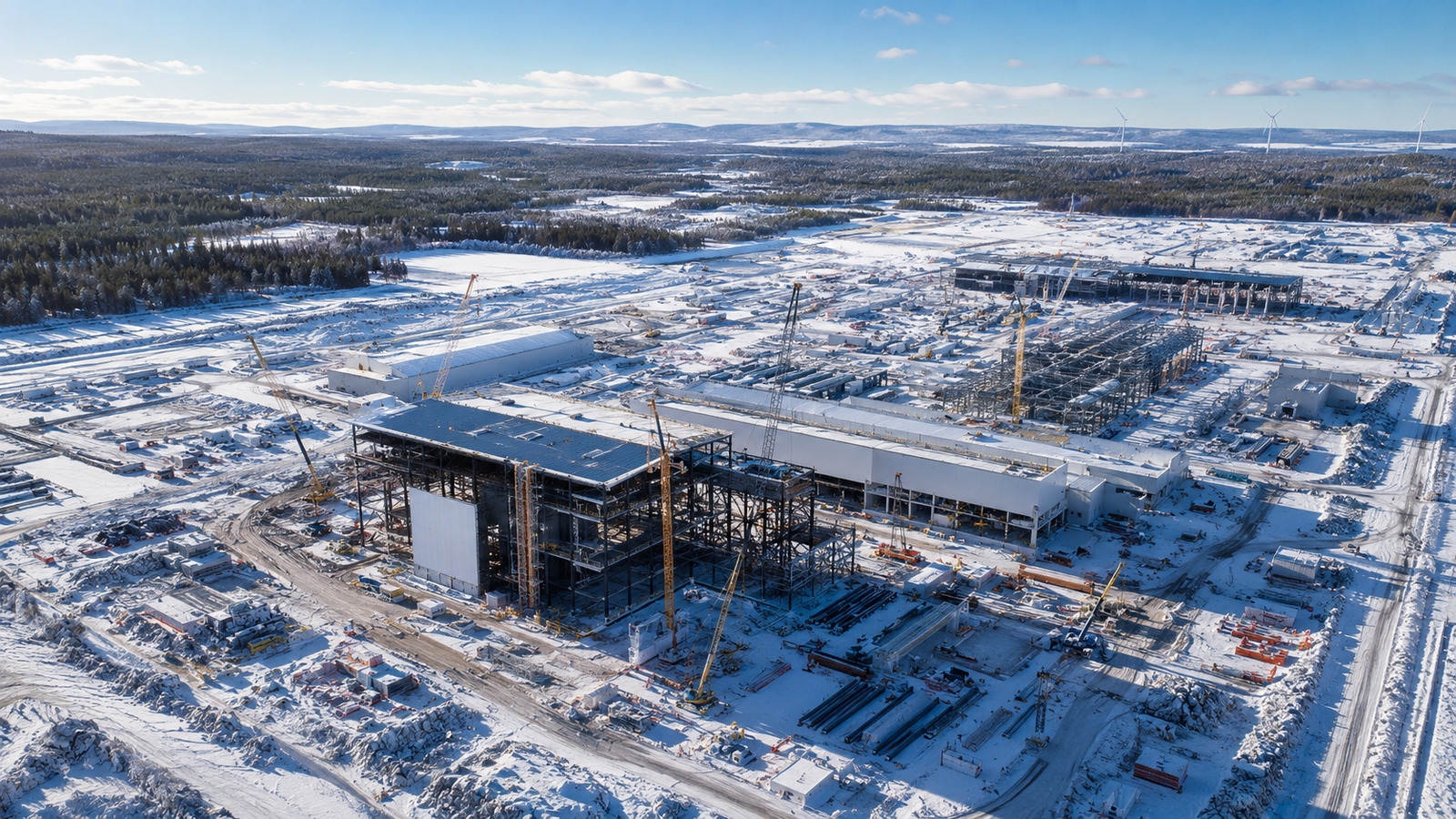
US$ 7 billion, green hydrogen, and steel with up to 95% less CO₂: the first green steel plant on the planet emerges in Sweden and targets Brazil as the next chapter


The Path to a Sustainable Future
Brazil’s commitment to the energy transition goes beyond rhetoric. The country has set ambitious targets and implemented public policies to promote the use of biogas and renewables. The quest for a more sustainable future also involves the development of new technologies, such as green hydrogen, which emerges as yet another vector for decarbonization. The synergy between various renewable sources and biogas is essential to ensure energy security and meet the climate commitments made internationally.
The Impact of Biogas and Renewables on the Brazilian Economy and Environment
The focus on biogas and renewables brings benefits that transcend the energy issue. Economically, it drives job creation, attracts investments, and fosters technological innovation. From an environmental perspective, reducing dependence on fossil fuels is crucial to mitigate climate change and improve air quality in cities. Brazil’s trajectory on World Energy Day, as highlighted by Exame, inspires and demonstrates that it is possible to reconcile economic development with environmental preservation.