Portuguese
  Spanish


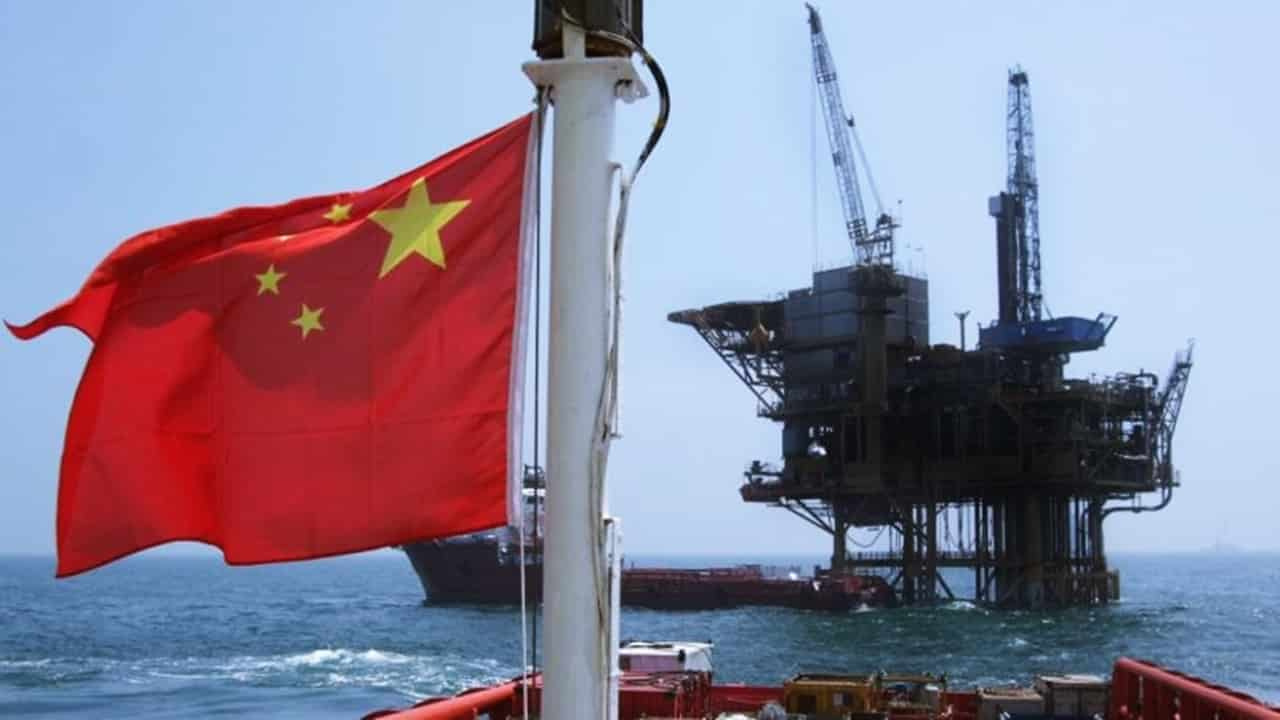

Promises Of Chinese Fiscal Stimuli Drive Oil, But Excess Supply, Global Uncertainties, And OPEC+ Pressure Keep The Market On Alert.
The oil market started the week with a moderately positive reaction, after signals from China indicated an expansion of fiscal stimuli in 2026. The signal helped to interrupt a recent streak of losses, although it was not sufficient to alleviate the structural risks that continue to pressure the commodity.
After a significant drop recorded the previous Friday, prices increased again. Brent crude advanced to the range above US$ 61, while West Texas Intermediate (WTI) began operating near US$ 57. Still, the movement was interpreted by the market as technical and cautious, without representing a solid trend reversal.
Chinese Stimuli Reignite Demand Expectations
The oil reaction occurred after China’s Ministry of Finance announced the intention to increase fiscal spending next year. The measure reinforces the government’s commitment to sustaining economic growth amid a scenario marked by deceleration, fragility in the real estate sector, and persistent structural challenges.
-
Starnav orders 10 hybrid vessels with German MTU engines in Itajaí and prepares fleet to serve Petrobras in the pre-salt for 12 years.

-
The Chamber releases R$ 10 billion to hold the price of diesel until December and proves that Brazilian fuel remains tied to Congress.
-
It’s official: Petrobras takes 75% of block 3 in São Tomé and Príncipe and debuts as an offshore operator outside South America.
-
With a record production of nearly 3 million barrels per day, Petrobras resumes importing diesel in July, highlighting the bottleneck in Brazilian refining.



As the world’s largest importer of crude oil, China exerts direct influence over global demand expectations. Any indication of economic stimulus in the country tends to immediately impact prices, especially in a context of more contained global growth.
Moreover, investors believe that a more expansionary fiscal policy could help stabilize industrial consumption and transportation, sectors highly dependent on fossil energy. Nevertheless, the market remains cautious about the intensity and speed of these effects.
Oil Remains Under Pressure From Excess Supply
Despite the temporary relief, oil is on track to end December with the fifth consecutive monthly decline. This marks the longest streak of losses observed in over two years, reflecting a persistent imbalance between supply and demand.
Among the main pressure factors is the increase in production promoted by OPEC+, a group that includes countries such as Saudi Arabia and Russia. At the same time, the expansion of supply by producers outside the cartel, especially in the United States, increases the global availability of barrels on the market.
At the same time, the recovery in demand is occurring unevenly. Developed economies face high interest rates, while emerging countries deal with fiscal and currency challenges, limiting more robust growth in oil consumption.
Geopolitical Tensions Remain On The Market Radar
Oil also reacts to geopolitical uncertainties, especially to the U.S.-led attempts to advance negotiations regarding the war in Ukraine. Although American officials have adopted a more optimistic tone, there have yet to be concrete advances in the negotiations.
U.S. President Donald Trump stated that there has been “a lot of progress” in recent discussions with Ukrainian President Volodymyr Zelensky held in Florida. However, he acknowledged that territorial issues continue to be the main obstacle to a definitive agreement.
Trump also indicated the intention to convene a new meeting with Zelensky and European leaders in January but admitted that a positive outcome is still uncertain. This environment of uncertainty keeps the geopolitical risk premium on investors’ radar.
Chinese Stocking May Ease Imbalances
Analysts believe that China will maintain a high pace of oil stocking throughout 2026. This movement may help absorb part of the global excess supply, acting as a temporary buffer for prices.
The Chinese strategy of reinforcing reserves occurs for both economic and strategic reasons, taking advantage of moments of lower prices to increase stocks. Still, experts caution that this dynamic does not eliminate the structural risks in the market.
Market Enters 2026 With Caution
Combining Chinese stimuli, excess supply, inconclusive geopolitical negotiations, and moderate global growth, the oil market enters 2026 marked by volatility and uncertainty. Investors remain attentive to upcoming economic data from China, OPEC+ decisions, and the evolution of the international scenario.
In the meantime, oil rehearses sporadic reactions but continues to operate under strong influence from macroeconomic and political factors that limit more consistent movements in the medium term.