Portuguese
  Spanish


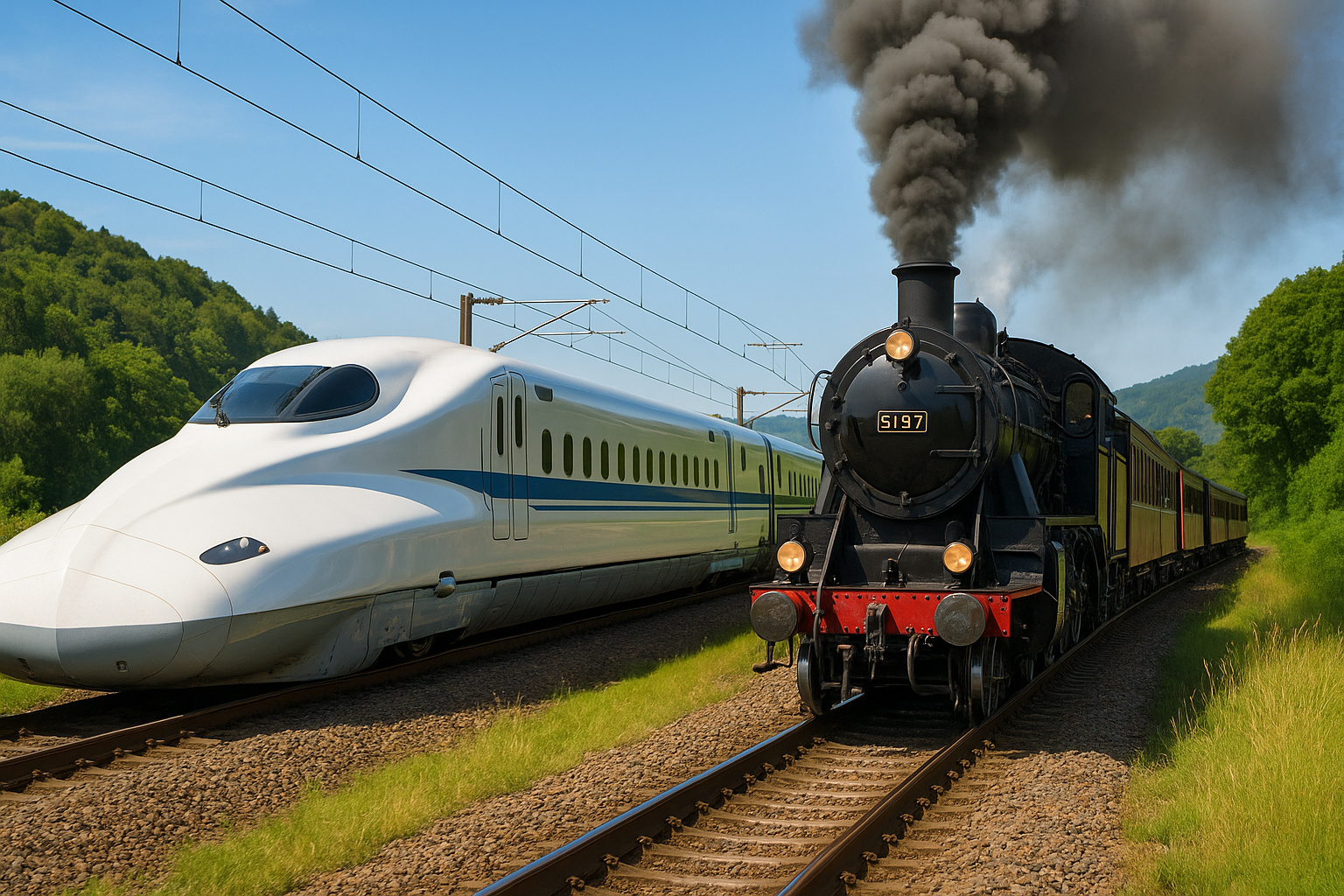


From High-Speed Trains to Century-Old Locomotives, Discover the Routes That Unite History, Technology, and Sustainable Tourism and Learn How Railways Transformed the Way We Travel the Planet
Few inventions have changed the world as much as the train. On September 27, 1825, in England, reporters and curious onlookers gathered in Darlington to witness the first public journey of a passenger train. The route, just 40 kilometers to Stockton, inaugurated a new era: that of modern railways.
Two centuries later, trains continue to cross the globe, from nostalgic locomotives to high-speed machines, representing one of the most eco-friendly and fascinating modes of transport. Each route holds its own story, a cultural portrait in motion.
The Century-Old Railway of Spain Born Amid “Bandits”
Known as the “Henderson Railway,” this historic line cuts through the heart of Andalusia in southern Spain. Built in 1892 by British financier Alexander Henderson, it was created to connect Gibraltar, then under British rule, to the rest of Spain.
-
How to Prevent Brown Recluse Spider Bites: Common Hiding Spots and Free Tips to Reduce Risks

-
Natto: The Unusual Japanese Superfood Gaining Popularity on Social Media and Driving Record Exports
-
Brazilian Mayor Goes Undercover as Homeless for 24 Hours to Assess Public Services

-
15-Year-Old Entrepreneur Malu Lira Publishes 20 Children’s Books on Financial Education, Earns $500,000, and Expands Her Project to the Amazon Rainforest




At the time, previous attempts failed because the local mountains and forests were hideouts for bandits. Today, the route offers a scenic journey through isolated slopes and the Cañón de las Buitreras, with its impressive height of 100 meters.
More than just a ride, it is a dive into railway history and the untouched nature of the Spanish interior.
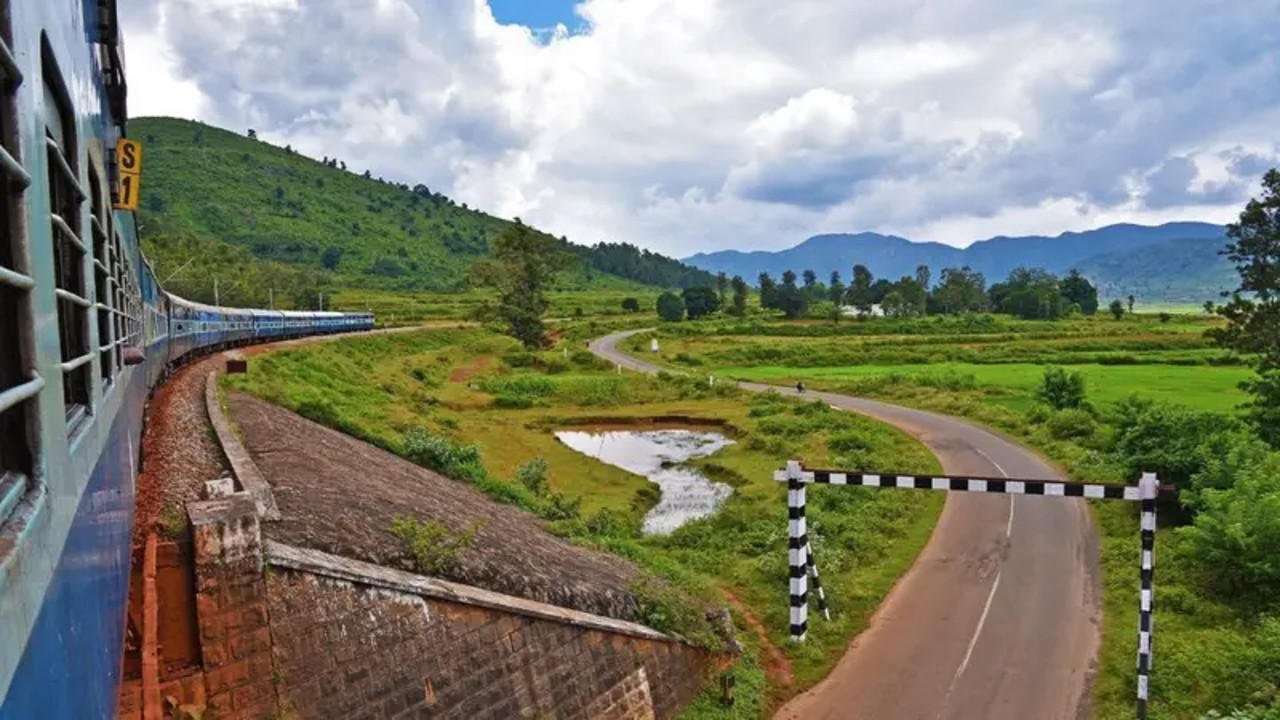
India: The Train That Echoes Through 58 Tunnels in the Mountains
The Visakhapatnam-Kirandul Passenger Special Train travels one of the most picturesque railways in the world. Over a four-hour journey, it crosses 58 tunnels carved through the Eastern Ghats of India, amidst dense forests and fog-covered mountains.
Passengers greet each tunnel with applause and cheers, transforming the journey into a collective celebration. The final destination is Araku, a town known for its coffee industry and preservation of local traditions.
It is an experience that combines the slow pace of train travel with the sounds of human stories echoing along the tracks.
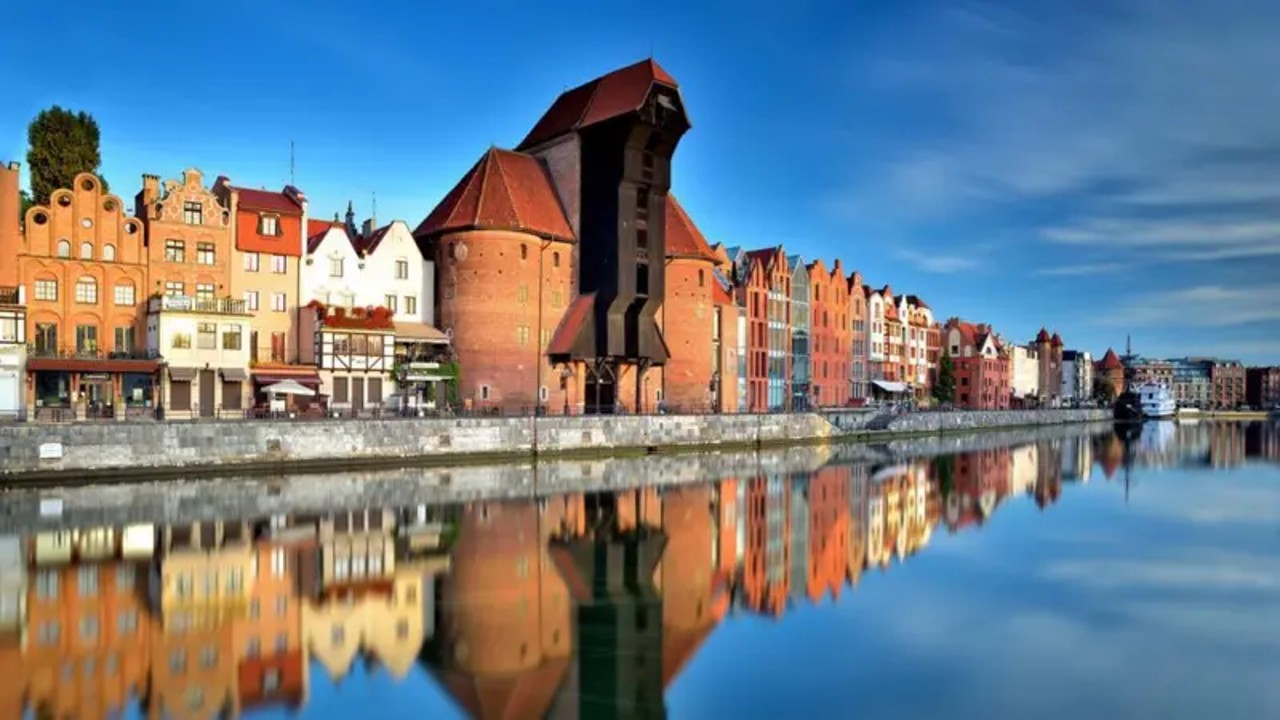
Central Europe: The New Baltic Express
The newly launched Baltic Express connects Prague (Czech Republic) to the coastal city of Gdynia, Poland, crossing forests and villages that seem straight out of a fairy tale.
The eight-hour journey allows passengers to board and disembark multiple times, paying a single fare — a modern proposal that reinvents European rail tourism.
During the journey, cities like Pardubice, with their pastel facades, and Poznan, with vibrant squares and medieval architecture, demonstrate how railways continue to be cultural bridges between peoples.

Japan: 60 Years of the Bullet Train That Redefined Modernity
Japan celebrated in 2024 the 60th anniversary of the Shinkansen, the legendary bullet train that reaches speeds of 321 km/h. Since 1964, it has symbolized Japanese efficiency and technological advancement in transportation.
Today, there are nine major lines connecting the country from north to south. The newest, the Hokuriku Shinkansen, known as the “New Gold Route,” links Tokyo to the port city of Tsuruga.
The Shinkansen is not just about speed — it is synonymous with precision, safety, and innovation, showing that railways remain vital in the 21st century.
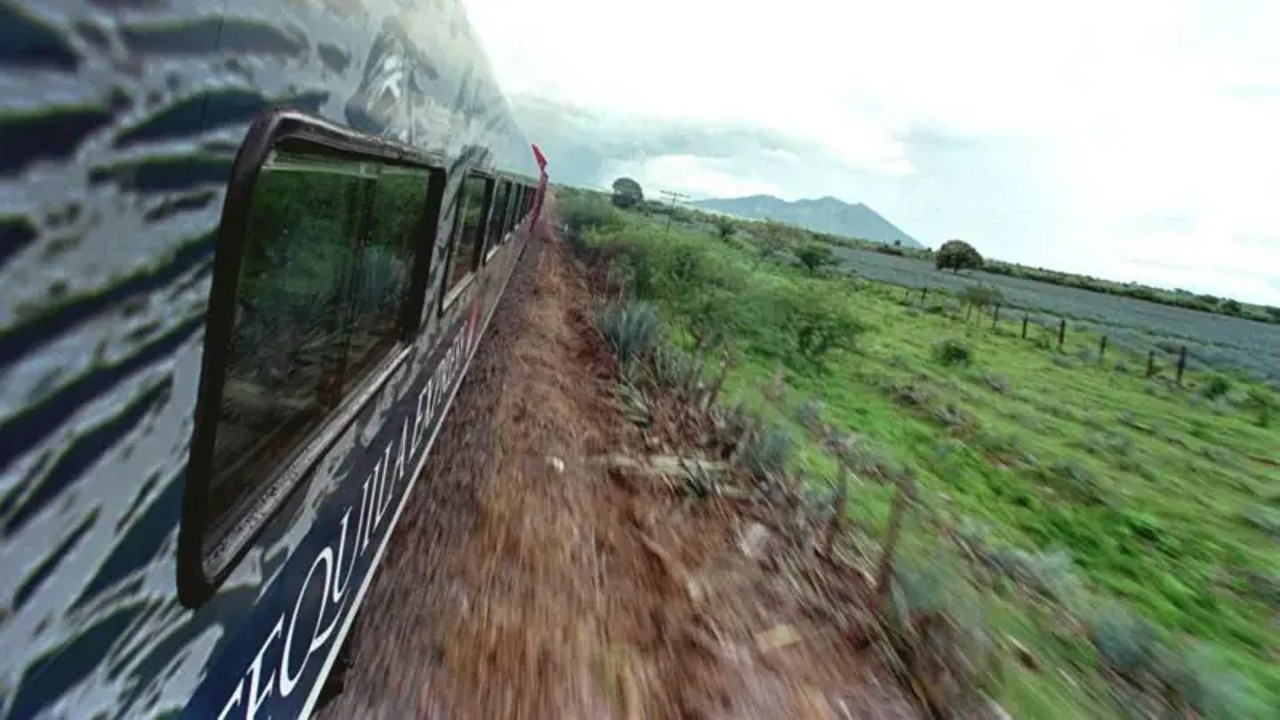
Mexico: The Train of Tequila and Blue Landscapes
In the State of Jalisco, the Tequila Express takes visitors from Guadalajara to the mythical city of Tequila in just two hours.
During the trip, it is possible to observe fields of blue agave, the plant used in the production of the beverage that has become a national symbol.
The ride combines culture, tradition, and rural tourism, allowing visitors to explore historic distilleries and celebrate one of Mexico’s most exported products. It is one of the most authentic train journeys in the Americas.
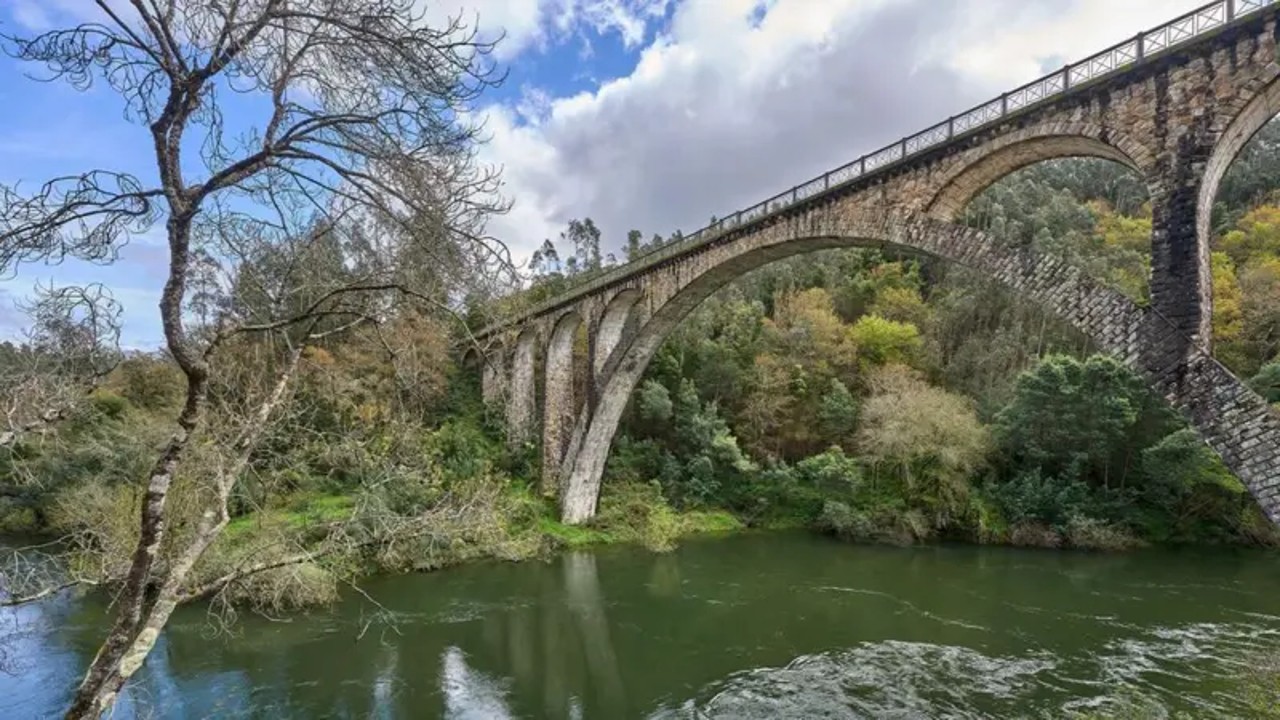
Portugal: The Nostalgic Vouga Train
The Historical Vouga Train is the last narrow-gauge railway operating in Portugal. Onboard a 1964 locomotive, passengers travel for six hours through valleys, villages, and century-old bridges.
In Macinhata do Vouga, a folkloric group welcomes visitors with music and dance, keeping Portuguese tradition alive. The journey ends in Águeda, famous for its colorful umbrellas and urban art.
It is a trip that connects the past and the present, reminding us why railway tourism enchants generations.
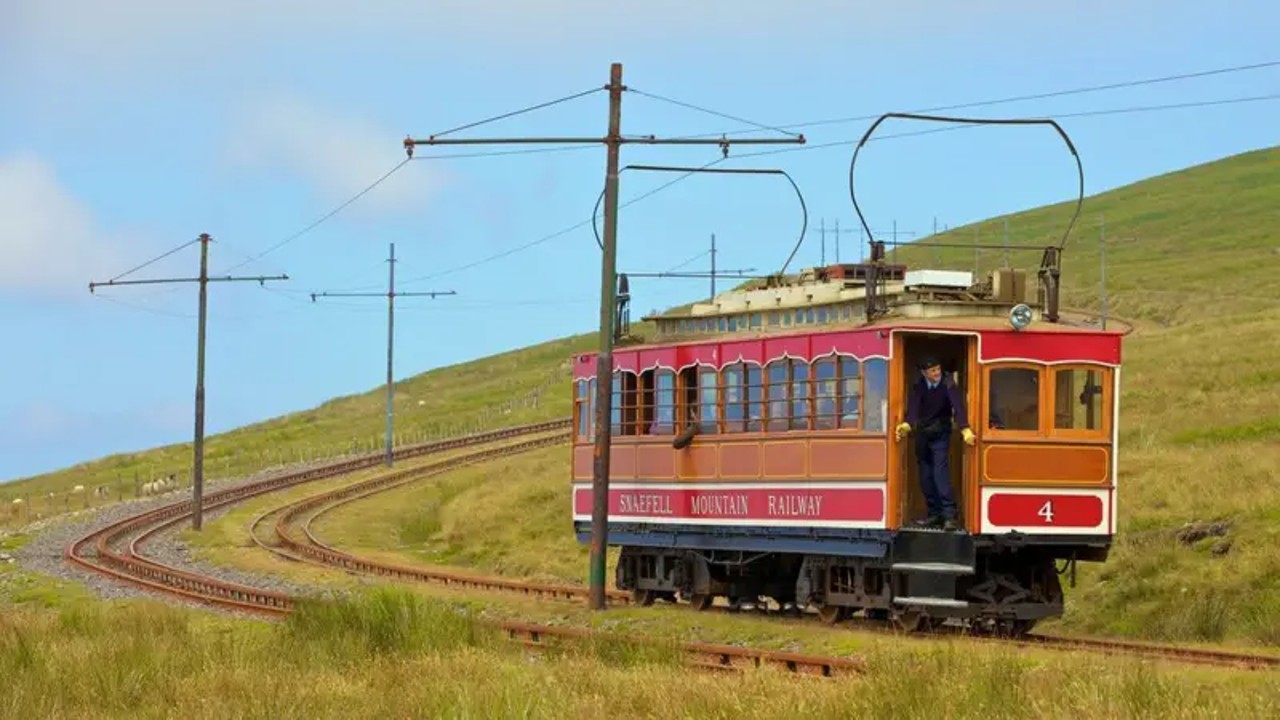
United Kingdom: The Heights Train on the Isle of Man
The Snaefell Mountain Railway, opened in 1893, crosses the mountains of the Isle of Man, between the United Kingdom and Ireland.
It is the only electric mountain railway in the British Isles, and its carriages preserve details from the Victorian era, with wooden interiors and panoramic windows.
More than just transport, the route is a tribute to British railway heritage and the history of tourism on the islands.
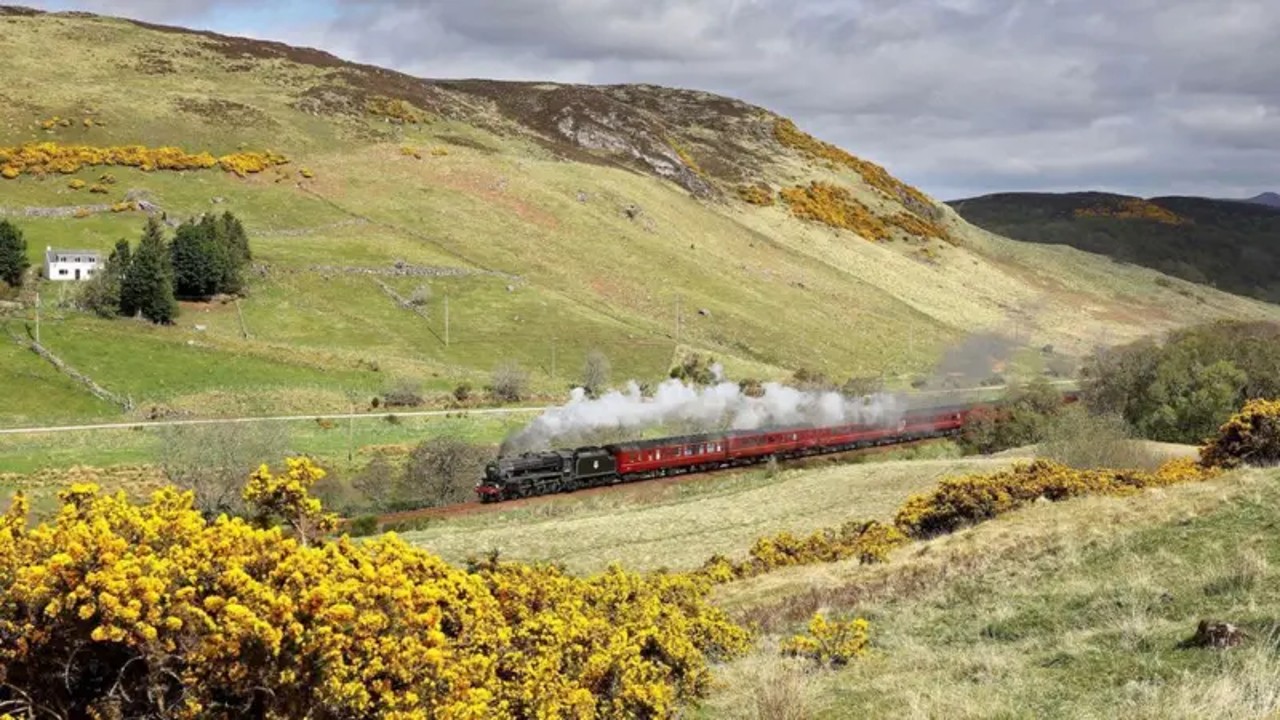
Scotland: The Train That Crosses a UNESCO World Heritage Site
The Far North Line, in the Scottish Highlands, connects Inverness to Thurso on a four-hour journey.
The train traverses 270 kilometers of protected peatlands known as The Flow Country, the largest preserved peat bog system in the world.
It is one of the most remote and introspective experiences in Europe — a journey where time slows down and nature takes center stage.
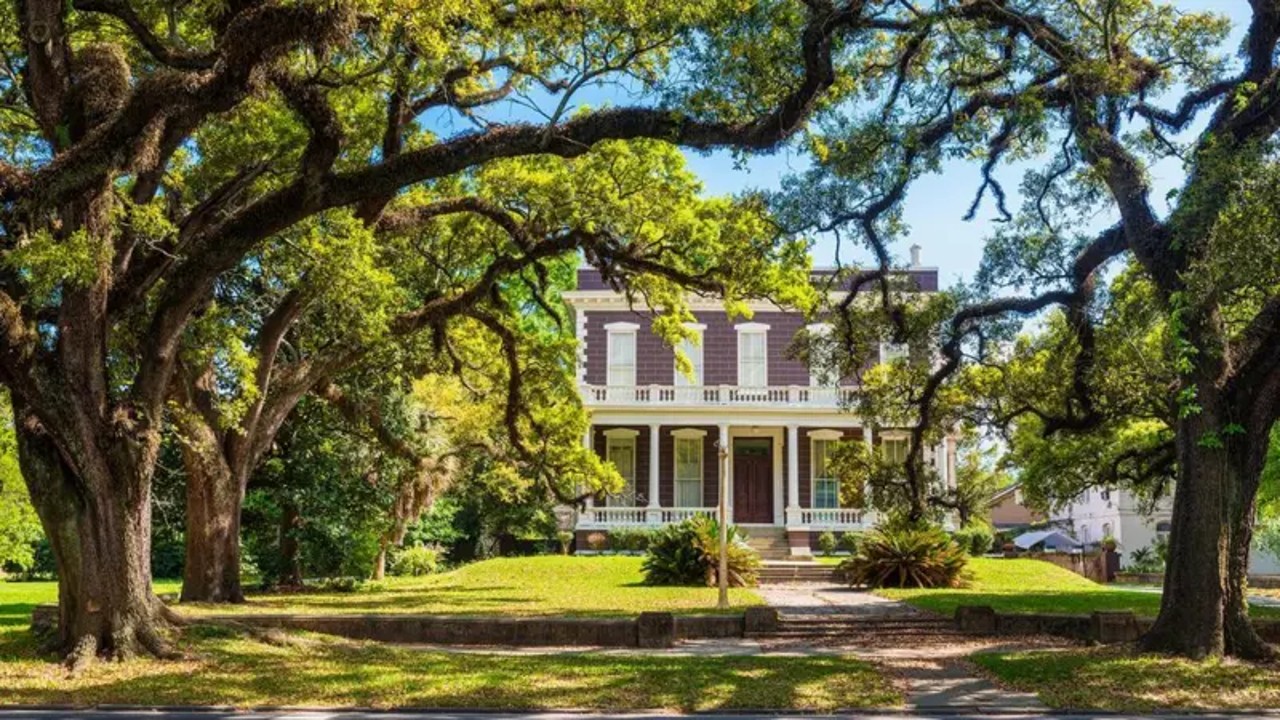
United States: The Return of the Legendary Mardi Gras
After 20 years of shutdown, Amtrak resumed the Mardi Gras Service on August 18, 2025, a coastal line devastated by Hurricane Katrina.
The train runs along the Gulf Coast, passing through Mobile (Alabama) and New Orleans (Louisiana), amidst swamps, beaches, and colorful towns.
The reactivation symbolizes more than the return of a railway — it is the rebirth of an American emotional memory and the strength of reconstruction after tragedy.
Tracks That Tell Stories
From Spanish canyons to ultramodern Japanese cities, each of these train journeys shows that the tracks continue to be synonymous with discovery, connection, and belonging.
Traveling by railway is more than just moving: it is crossing cultures, reliving stories, and understanding time through different lens.
And you? Which of these railway routes sparked the most desire to hop on board?
Leave your opinion in the comments.