






 Portuguese
  Spanish


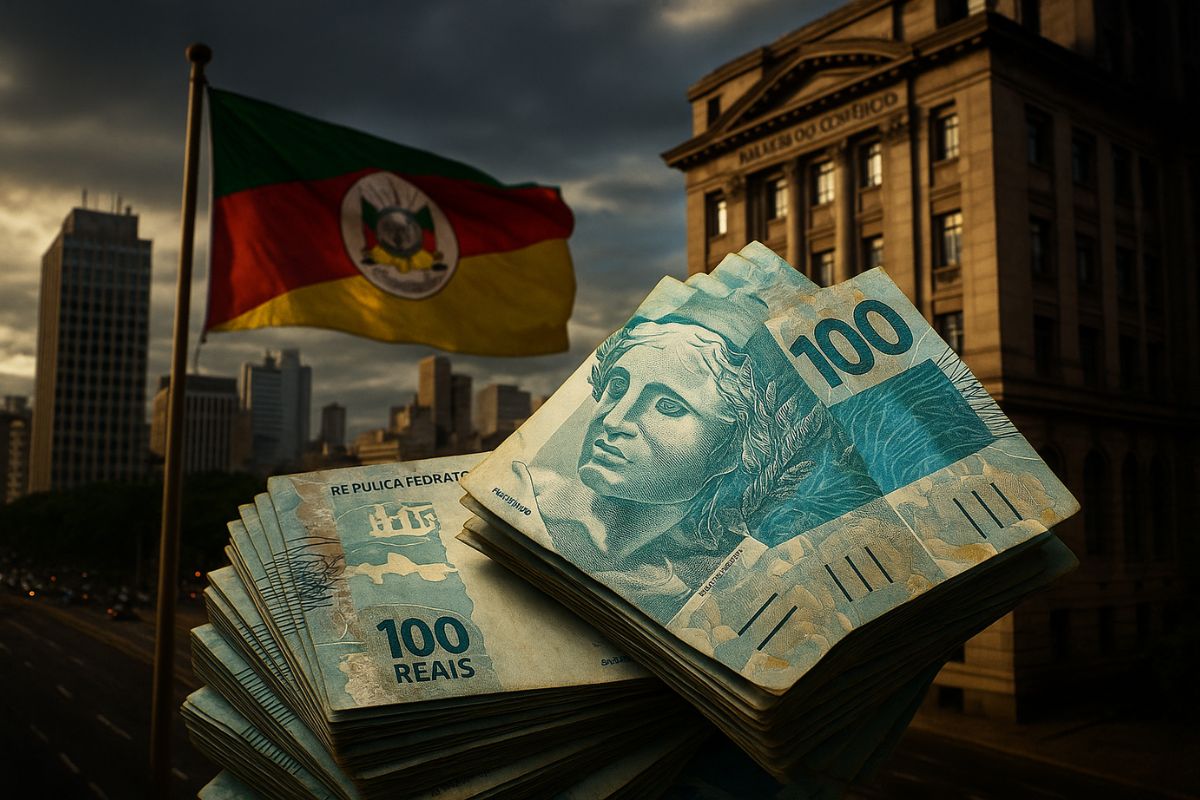


Regional Adjustment Approved by the Legislative Assembly Includes Five Tiers and Directly Impacts the Purchasing Power of Thousands of Workers in Rio Grande do Sul
The minimum wage in Rio Grande do Sul has been adjusted and now reaches R$ 1,945.67 at the highest tier. The measure, approved in June by the Legislative Assembly with 46 favorable votes, came into effect on August 1 and represents an attempt by the state government to balance the purchasing power of workers against inflation and the rising cost of living.
The new regional value, which exceeds the national minimum wage, is tiered into five distinct levels, according to the worker’s sector. The project was presented urgently by Governor Eduardo Leite (PSDB) and has become one of the main economic measures of the second half in the state. The update includes professionals from agriculture to mid-level technicians, with adjustments ranging between R$ 1,789.04 and R$ 2,267.21.
Who Receives the New Minimum Wage in RS?
The regional minimum wage is different from the national one because it addresses the economic and sector-specific needs of each state. In Rio Grande do Sul, it is divided as follows:
-
Couple Sold Their Home to Save Business, Now Run Platform Handling $180 Million Monthly and Managing Over 51 Million Listings

-
Brazil’s 2026 Tax Refund: Record 9.58 Million Filers in Largest Payout Ever, But a Key Detail on Priority Recipients Draws Nationwide Attention

-
Itaú Alters Hybrid Work Model, Increasing Office Days from 2028, Prompting Employees to Adjust to New Routine
-
Facing Labor Shortage, Japan Plans to Invest $34 Million to Attract Foreign Workers in Construction, Healthcare, Industry, and Commerce





- Tier 1: workers in agriculture, livestock, fishing, domestic services, and motorcycle freight — R$ 1,789.04
- Tier 2: clothing industry and auxiliary health services — R$ 1,830.23
- Tier 3: food, furniture, wood, and pharmaceutical industries — R$ 1,871.75
- Tier 4: metallurgy, civil construction, and school administration — R$ 1,945.67
- Tier 5: mid-level technicians and professions with technical requirements — R$ 2,267.21
The goal is to correct wage distortions, address inflationary pressures, and ensure better living conditions for base professionals who sustain the regional economy.
What is the Real Impact of This Adjustment?
The government claims that the increase helps to stimulate the local economy, as higher-earning workers tend to spend more. According to experts quoted by the local press, the measure could generate a positive growth cycle, benefiting trade, services, and even the state’s revenue.
On the other hand, smaller businesses express concern about rising payroll costs. Sectors employing large volumes of operational labor, such as family agriculture and small commerce, may face more delicate adjustments. Still, there is consensus that wage appreciation could generate productivity and social stability in the medium term.
Why Does RS Have a Different Minimum Wage?
The regional minimum wage exists in some states as a way to align values with the local economic reality, which can vary significantly from the national average. In the case of Rio Grande do Sul, the model has been in place since 2001 and, according to the government, serves as an instrument for social appreciation and poverty alleviation.
Compared to the national minimum wage, which is currently at R$ 1,412, the regional value in Rio Grande do Sul represents a difference of up to 60% at the highest tier. The decision to maintain this model, however, is both political and technical — and often generates debates among entrepreneurs, labor unions, and government representatives.
Do you believe this adjustment was sufficient? In your opinion, does the new regional minimum wage solve the purchasing power issue, or does it need to go further? Comment below — we want to hear from those directly impacted.








E os aposentados quando vão ter reajuste
E a Brigada Militar e os Bombeiros quando irão ter seus salários aumentados?
Quero saber do aumento do salário funcionários público estadual ipergs