






 Portuguese
  Spanish
  2 min of reading
  0 comments


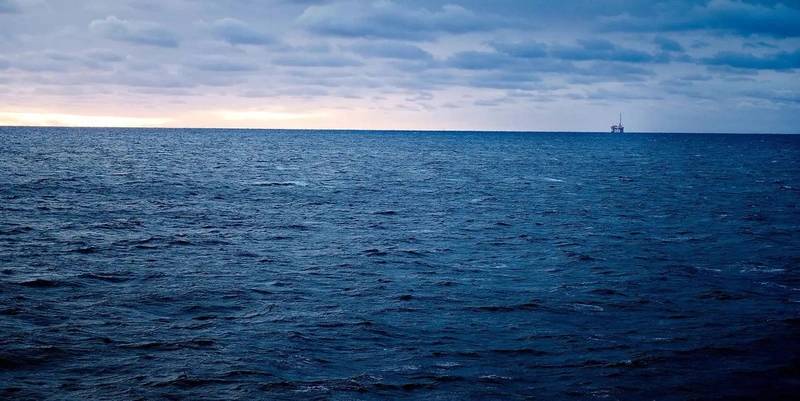
“Equinor Acquires Shell’s Operation at the Linnorm Discovery in the Norwegian Sea, with Recoverable Gas Resources and Producing Fields.”
Equinor will acquire Shell’s equity interest and operation at the Linnorm discovery in the Norwegian Sea. The company will acquire a 30% interest in PL 255, which encompasses the Linnorm discovery, subject to the acquisition of the operation from A/S Norske Shell. The closing of the deal is expected in the first quarter of 2024. The Linnorm discovery in the Norwegian Sea, confirmed in 2005, is the largest undeveloped gas discovery in the NCS. Linnorm contains approximately 25-30 billion cubic meters (bcm) of recoverable gas resources, making it richer in gas than the remaining reserves in each of the producing fields Aasta Hansteen, Martin Linge, and Gina Krog.
Equinor Assessment of the Link Between Linnorm and Operated Fields
The Norwegian energy company, Equinor, will continue to assess a link between Linnorm and the field operated by Equinor. Facilities Kristin or Åsgard B.
Partners and Recoverable Gas Resources
The partners in PL 255 are: A/S Norske Shell 30% (operator until the transaction is completed), Petoro 30%, Equinor Energy 20%, TotalEnergies EP Norge AS 20%.
-
IEA reduces forecast for global oil demand in 2026 after impacts of the Middle East crisis

-
Bank of Japan raises interest rates to 1%, reaching the highest level in over three decades

-
ANP halts LPG reform, and Sindigás sees technical caution as a decisive point for safety, investments, and the future of the cylinder in Brazil.
-
Oil spill in the Caribbean raises environmental alert and increases tension between Venezuela and Trinidad and Tobago





Comparison and Producing Fields
Quick Facts About the Linnorm Discovery
- 6406/9-1 Linnorm is a discovery in the central part of the Norwegian Sea, 50 km northwest of the Draugen field. The water depth is about 300m. The discovery was confirmed in 2005 and delineated in 2007.
- The reservoir contains relatively dry gas with high CO2 content. It is a complex and challenging reservoir with high pressure and high temperature (HPHT).
- The reservoir is in the Ile, Tofte, and Tilje formations of the Lower to Middle Jurassic and has variable quality.
Mergers and Acquisitions Industry News Production Discovery






Be the first to react!