






 Portuguese
  Spanish
 2 min of reading
  0 comments



Strategic Gas Pipeline Project from Vaca Muerta to Uruguaiana, RS Aims to Integrate Energy into Brazil at Lower Prices. Start in 2025.
The Brazilian government was informed, during contacts with the circle of the elected president of Argentina, Javier Milei, about the interest in maintaining a strategic project for the management of Peronist Alberto Fernández: the construction of a gas pipeline that will transport natural gas from the Vaca Muerta megasource to Uruguaiana, in Rio Grande do Sul.
This interest was communicated by Milei’s team in conversations with the Brazilian embassy in Buenos Aires, days before the second round. The information was relayed to Diana Mondino, pointed out as a possible future Minister of Foreign Affairs, reinforcing the importance of the pipeline for both parties.
The Pipeline Under Bidding by the Argentine Government
The pipeline project between the Vaca Muerta megasource, in the Argentine west, and the border with Rio Grande do Sul is currently under bidding by the Argentine government. If the schedule is followed, there is a possibility that the project will be completed between late 2024 and the beginning of 2025.
-
Oil production grows in Rio, but reserve replacement raises a warning sign

-
Petrobras is expected to complete the drilling of the Morpho well in the Foz do Amazonas in August 2026, the first well in the Equatorial Margin, an oil frontier that the ANP estimates at more than 30 billion barrels and could redraw the map of Brazil.

-
Oil returns to the center of concerns with tension between the US and Iran

-
IEA reduces forecast for global oil demand in 2026 after impacts of the Middle East crisis
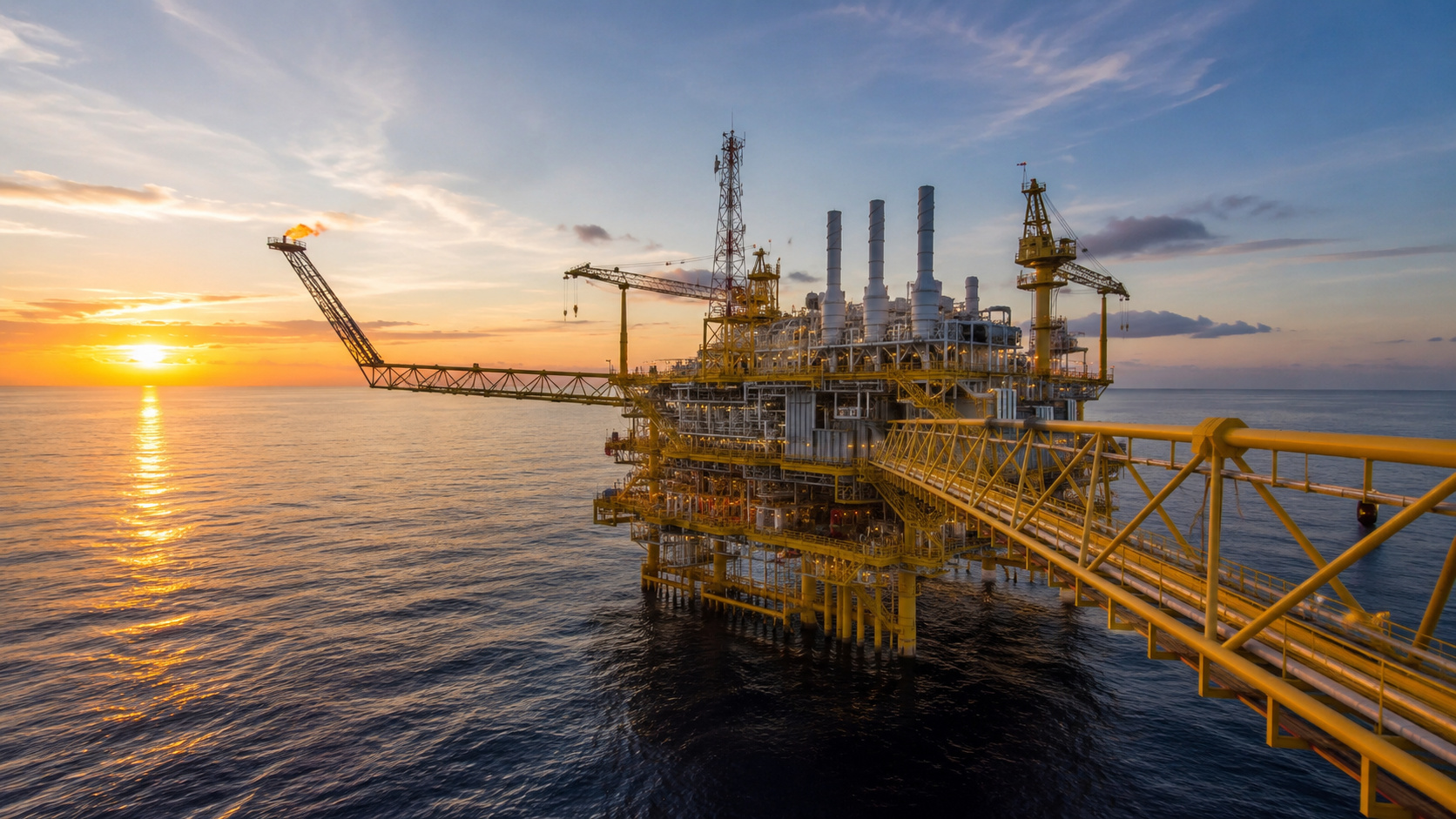


Strategic Project for Energy Integration
The project considered strategic would bring to Uruguaiana nearly the same amount of gas as the Brazil-Bolivia Gas Pipeline (Gasbol), with lower prices compared to those practiced in the Brazilian market. From the city in Rio Grande do Sul, the energy input could be transported to São Paulo, supplying the industry in the Southeast region.
Financing from the National Bank for Economic and Social Development
The Argentine president had been requesting financing from the National Bank for Economic and Social Development (BNDES) for the steel pipes that will be used in the civil engineering works of the pipeline.
Energy Integration Between Argentina and Brazil
The project is seen by the current Argentine government, as well as by many members of the Brazilian diplomacy, as a key piece in the energy integration between the main countries of the Mercosur.
Source: CNN Brazil







Be the first to react!